Attractions and Places To See around Estrée - Top 20
Best attractions and places to see around Estrée include a variety of historical sites and natural landscapes, primarily centered around the historic town of Montreuil-sur-Mer in the Pas-de-Calais department. This region is characterized by its rich heritage, including medieval fortifications and significant religious architecture. Visitors can explore areas that blend historical importance with scenic views of river valleys. The area offers opportunities to discover centuries of history within a compact geographical setting.
Best attractions and places to see around Estrée
…Last updated: July 6, 2026
Montreuil and its citadel
Highlight • Other
Translated by Google •
Tip by

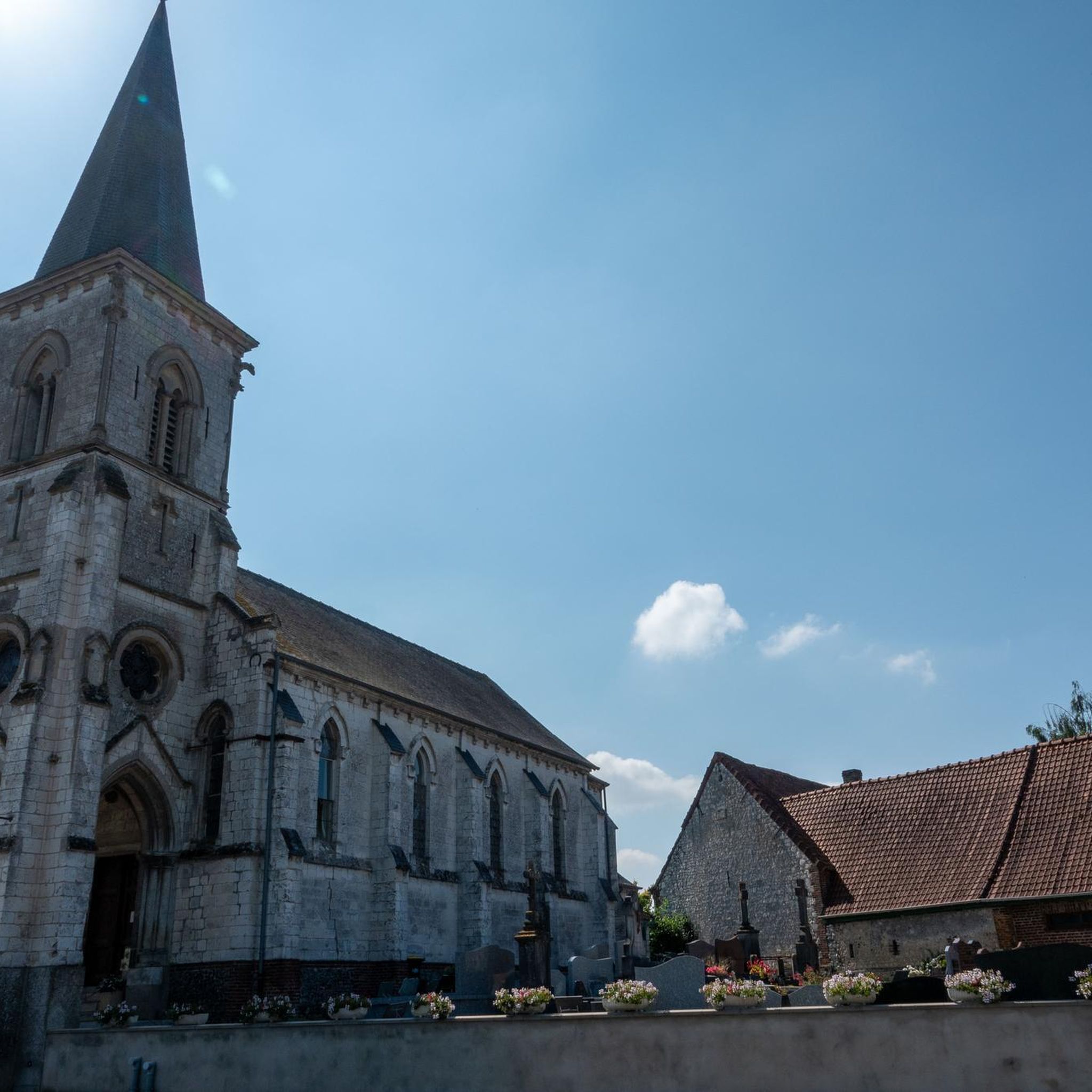
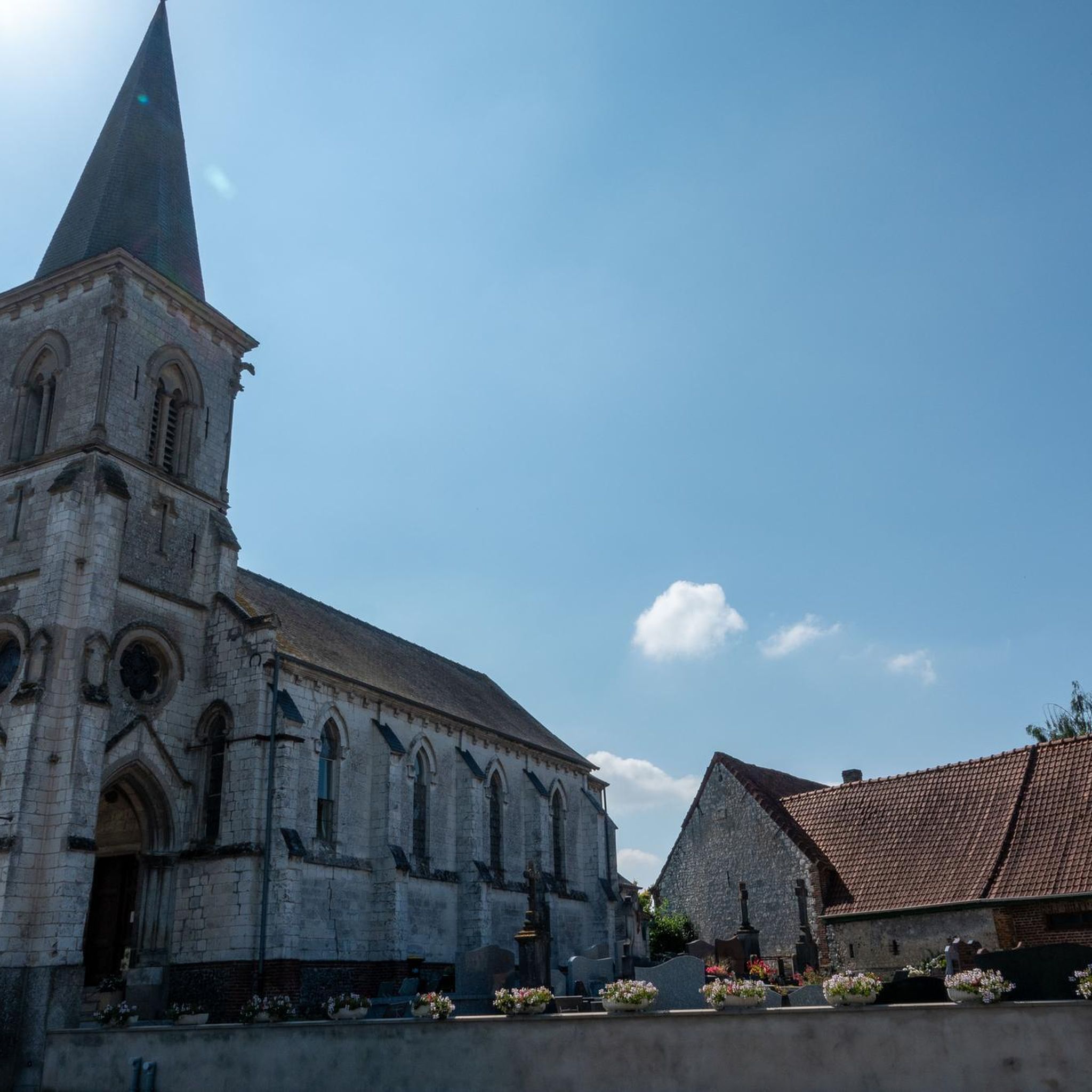
Saint Saulve Abbey Church
Highlight • Other
Translated by Google •
Tip by

Sign up now to discover places like this
Get recommendations on the best single tracks, peaks, & plenty of other exciting outdoor places.
Sign up for free
Chapelle Sainte Austreberthe
Highlight • Religious Site
Translated by Google •
Tip by

The statue of Marshal Douglas Haig
Highlight • Monument
Translated by Google •
Tip by
Citadel of Montreuil
Highlight • Castle
Translated by Google •
Tip by
Sign up for free to discover even more attractions around Estrée.
Sign up for free
Already have an account?
Start today with a free account
Your next adventure awaits.
Login or Signup



Tips from the Community

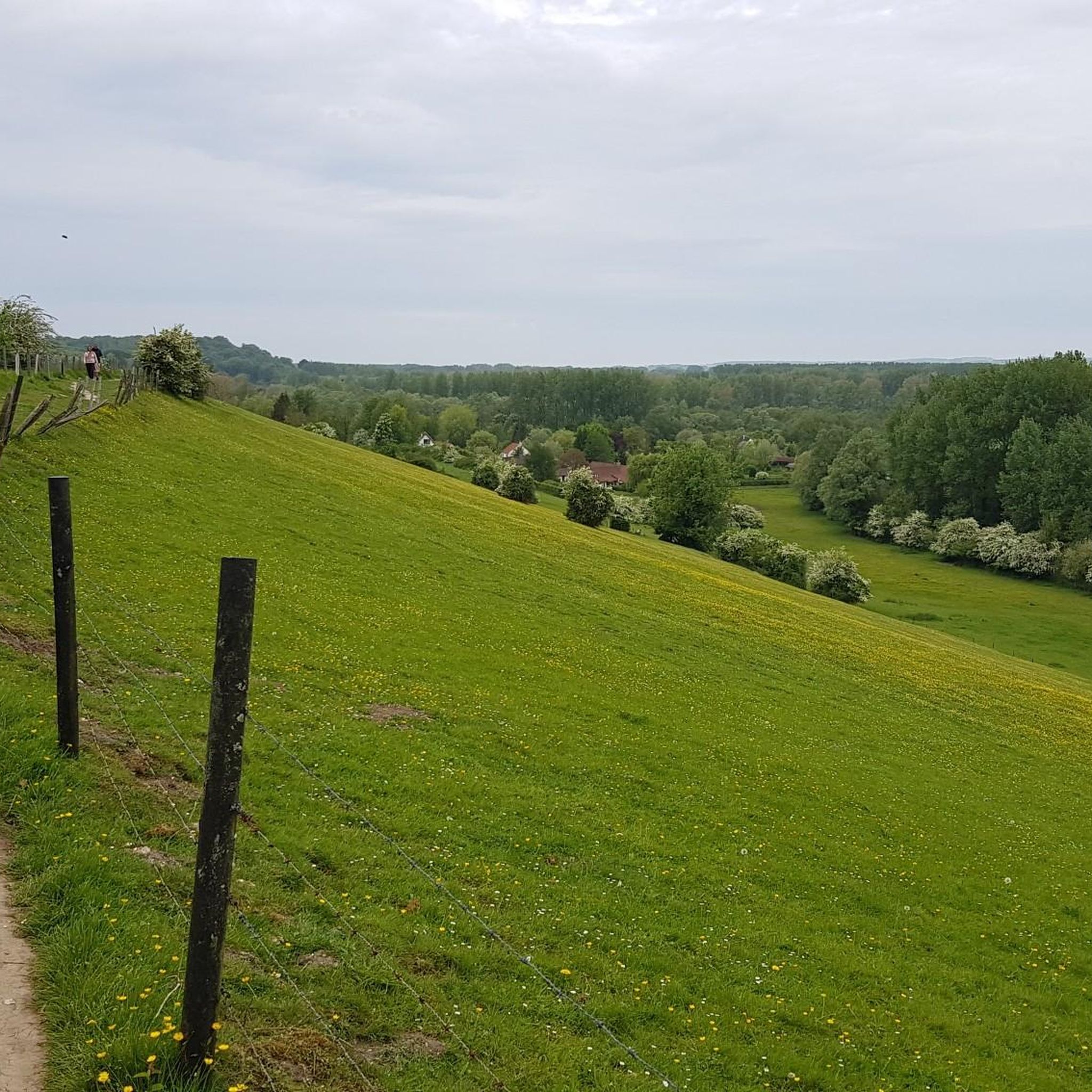
Somewhat remote, but very worth seeing
0
0


Montreuil on the sea
1
0
Montreuil on the sea
1
0

The origins of Montreuil, whose name derives from the Latin 'monasteriolum' (small monastery), are closely linked to its religious history. The abbey church of Saint-Saulve in Montreuil-sur-Mer was built in the 12th century and is located on the site of an older monastery dedicated to Saint Walloy, founded in the 10th century. In 926, the monks of Landévennec (Finistère) fled the Norman invasions and found refuge in Montreuil, where they founded the abbey of Saint-Walloy (local deformation of the name Saint Guénolé). In 1111, this abbey changed its name when the remains of Saint-Saulve were brought there. In its original design, the building had a layout typical of pilgrimage churches with an ambulatory and radiating chapels. In the Middle Ages, the numerous relics attracted pilgrims to Montreuil and gave the town a character of holiness. It was then nicknamed 'The Necropolis of Ponthieu'. The reconstruction after the earthquake of 1467 caused the collapse of at least six religious buildings, including the Hôtel-Dieu and the Saint-Saulve church, which was completely rebuilt at the beginning of the 16th century.
7
0
The Abbey of Sainte-Austreberthe is one of two large monasteries in Montreuil-sur-Mer, originally founded in the 10th century. The protection offered by the ramparts in the context of Viking raids gave the Norman nuns of Pavilly the certainty of preserving the relics of their patron saint: Austreberthe. She is a Merovingian aristocrat from Marconnes near Hesdin. The current buildings were built in 1736 and 1750. They still include the cloister and the chapel. During the French Revolution, the nuns temporarily left France for England, taking with them the treasure trove of sacred art and the relics it contained. With the dissolution of the community at the beginning of the 19th century, works of art and precious reliquaries, including the crosier of Saint Austreberthe, were deposited in the abbey church of Sainte-Saulve, where they are still located.
8
0

Montreuil is a royal citadel built in the 16th century on the foundations of an ancient castle. You can explore the citadel and its fortifications, admire the architecture and views of the Canche valley, and discover the history of the site. You can also visit the museum located inside the citadel, which features exhibits on the military and natural heritage of the region.
5
1
Frequently Asked Questions
What kind of historical sites can I explore around Estrée?
The region offers a rich historical tapestry. You can visit the 16th-century pre-Vauban royal citadel, Citadel of Montreuil, built on medieval foundations. The historic town of Montreuil and its citadel is known for its 13th and 16th-century fortifications. Further afield, the 15th-century Château de Créminil in Estrée-Blanche offers insights into medieval life with its gardens.
Are there any natural parks or outdoor spaces to enjoy near Estrée?
Yes, for nature lovers, the Montreuil area provides scenic views of the Canche valley. About 21 km from Estrée-Cauchy, the 55-hectare Parc de la Glissoire, a former mining site, now features green spaces, basins, and 10 km of trails for relaxation and walks. You can also find picturesque spots like Le Gué de Caucourt and a water mill in Estrée-Cauchy.
What are some family-friendly activities available in the Estrée area?
Families can enjoy the Parc de la Glissoire with its trails and green spaces. In Estrées (Aisne), recreational facilities include a multi-sport city-stadium and archery. The Ferme avicole du Vermandois, a poultry farm, also offers a direct sales shop and a farm inn, which can be an interesting visit for children.
Can I find places with significant World War I history around Estrée?
Yes, the region holds poignant reminders of WWI. The statue of Marshal Douglas Haig in Montreuil-sur-Mer commemorates the British armies' command center during the war. In Estrée-Cauchy, the preserved Ruines de l'église d'Ablain-Saint-Nazaire serve as a powerful monument to the conflict.
Are there opportunities for outdoor sports like cycling or running near Estrée's attractions?
Absolutely! The area around Estrée, particularly near Montreuil-sur-Mer, offers various routes for outdoor activities. You can explore MTB Trails around Estrée, Gravel biking around Estrée, and Running Trails around Estrée. These guides feature routes of varying difficulties, often passing by historical sites and natural landscapes.
Which attractions around Estrée are considered wheelchair accessible?
The statue of Marshal Douglas Haig in Montreuil-sur-Mer is noted as wheelchair accessible, allowing visitors to appreciate this historical monument.
What are the opening times for the gardens at Château de Créminil?
The medieval gardens at Château de Créminil in Estrée-Blanche are open for free visits with a document from July 1st to August 15th, from 1 PM to 7 PM.
Where can I experience local rural life or find local produce?
In Estrées (Aisne), the Ferme avicole du Vermandois is a poultry farm that features a direct sales shop and a farm inn, offering a taste of local agriculture and produce.
Are there any notable religious buildings to visit in the Estrée region?
Yes, the area is rich in religious heritage. The Saint Saulve Abbey Church in Montreuil-sur-Mer, with origins dating back to the 11th century, is a significant site. Also in Montreuil, the Chapelle Sainte Austreberthe is a beautiful example of 18th-century Renaissance style. In Estrée-Wamin, the Église Saint-Vaast is recognized as a historic monument, and in Estrées (Aisne), the Église Saint-Laurent (1868) features notable stained glass windows.
What do visitors particularly appreciate about the attractions around Estrée?
Visitors to the Montreuil area appreciate its rich history, particularly the fortifications and ramparts, and the scenic views of the Canche valley. The Citadel of Montreuil is often highlighted for its historical significance and its 'tough climb' leading to fortified ramparts. The area's blend of historical importance and natural beauty is a common draw.
Are there any lesser-known or quieter spots to visit around Estrée?
Beyond the main highlights, you might find tranquility at La Cascade in Estrée-Wamin, a picturesque guesthouse with a fishing pond in the beautiful Canche valley. The Le Gué de Caucourt and Moulin à Eau in Estrée-Cauchy also offer a peaceful, scenic experience away from larger crowds.
What is the historical significance of the name 'Estrée' in the region?
The name 'Estrée' or 'Estrées' originates from an Old French term referring to a paved Roman road. This suggests that many of these communes were historically located along important ancient routes, contributing to their rich heritage and strategic importance over centuries.

Get inspired with the komoot mobile app


Explore more
Still not found the Highlight you’re looking for? See guides of the top attractions in other regions:
