Attractions and Places To See around Écretteville-Sur-Mer - Top 20
Best attractions and places to see around Écretteville-Sur-Mer offer a gateway to the rich cultural and natural heritage of Normandy's Alabaster Coast. This small commune provides a tranquil setting, serving as a base for exploring dramatic white chalk cliffs and charming coastal towns. The region features a mix of historical sites, picturesque beaches, and cultural experiences.
Best attractions and places to see around Écretteville-Sur-Mer
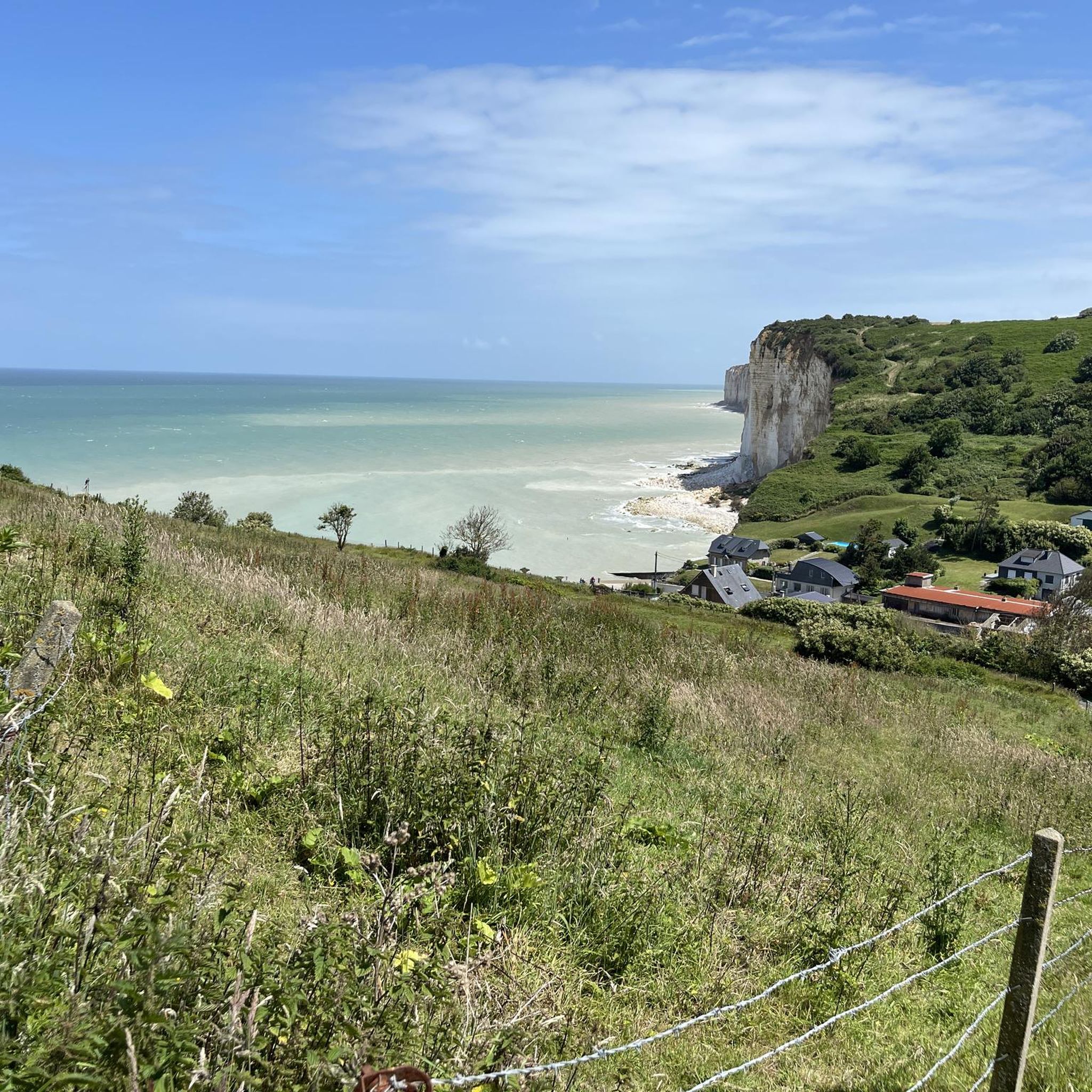
- The most popular attractions is Magnificent view, a viewpoint that offers expansive vistas of Fécamp and the surrounding coastline. From Cap Fagnet, views extend to Yport and the Étretat cliffs.
- Another must-see spot is Fécamp Marina, an other man-made attraction. This marina features two tidal basins and one flooded basin, providing around 650 berths for boats.
- Visitors also love Bénédictine Palace, a man-made monument and historical site. This palace houses the distillery for Bénédictine liqueur and showcases a blend of Gothic and Renaissance architecture.
- Écretteville-Sur-Mer is known for its historical sites, natural coastal features, and cultural attractions. The area offers a variety of experiences, from exploring ancient abbeys and châteaux to enjoying beaches and viewpoints along the Alabaster Coast.
- The attractions around Écretteville-Sur-Mer are appreciated by the komoot community, with more than 150 upvotes and over 50 photos shared.
Last updated: May 9, 2026
Fécamp Marina
Highlight • Structure
Translated by Google •
Tip by

Bénédictine Palace
Highlight • Monument
You can reserve tickets for a tour online benedictinedom.com
The background: In 1863 wine merchant Alexandre Le Grand developed a recipe for an herbal liqueur flavored with twenty-seven flowers, berries, herbs, roots, and spices, helped by a local chemist, from old medicinal recipes that he had acquired from a religious foundation where a maternal grandparent had held office as a fiscal prosecutor. To market it, he embellished a story of it having been developed by monks at the Benedictine Abbey of Fécamp in Normandy, and produced by them until the abbey's devastation during the French Revolution. He began production under the trade name "Bénédictine", using a bottle with a distinguishing shape and label. To reinforce his myth, he placed the abbreviation "D.O.M." on the label, for "Deo Optimo Maximo" ("To God, most good, most great"), used at the beginning of documents by the Benedictine Order to dedicate their work. en.wikipedia.org/wiki/B%C3%A9n%C3%A9dictine#History
Tip by

Sign up now to discover places like this
Get recommendations on the best single tracks, peaks, & plenty of other exciting outdoor places.
Sign up for free
Magnificent view
Highlight • Other
is one of the most beautiful walks you can do in Normandy!
Start at the dams to breathe in the sea air, then a little effort over the Côte de la Vierge to finish with a magnificent view of the town and the cliffs overlooking the sea.
At the top, you will learn about the history of Fécamp, from the log cabins to the wind turbines.
A small circuit, ideal for a walk with family or friends!
Translated by Google •
Tip by

Our Lady of Salvation Chapel
Highlight • Religious Site
Translated by Google •
Tip by

Sissi Monument and Château of Sassetot-le-Mauconduit
Highlight • Castle
Translated by Google •
Tip by

Sign up for free to discover even more attractions around Écretteville-Sur-Mer.
Sign up for free
Already have an account?
Start today with a free account
Your next adventure awaits.
Login or Signup
Tips from the Community

Quiet with nice shops and restaurants nearby
0
0

The tower of a Christian church is usually crowned with a cross – symbolizing the death and resurrection of Jesus Christ – or a rooster – symbolizing the denial of Jesus by the Apostle Peter. In this chapel, dedicated to "Notre-Damé" ("Our Lady"), the viewer instead finds a gilded statue of the Virgin Mary at the top. From this prominent position, it overlooks land and sea. The builders surely understood this primarily as a sign of blessing the earth and water – and especially the people who sail the sea.
0
0

The Cape is home to cormorants and many other bird species in a 5,700 hectare bird sanctuary.
2
0
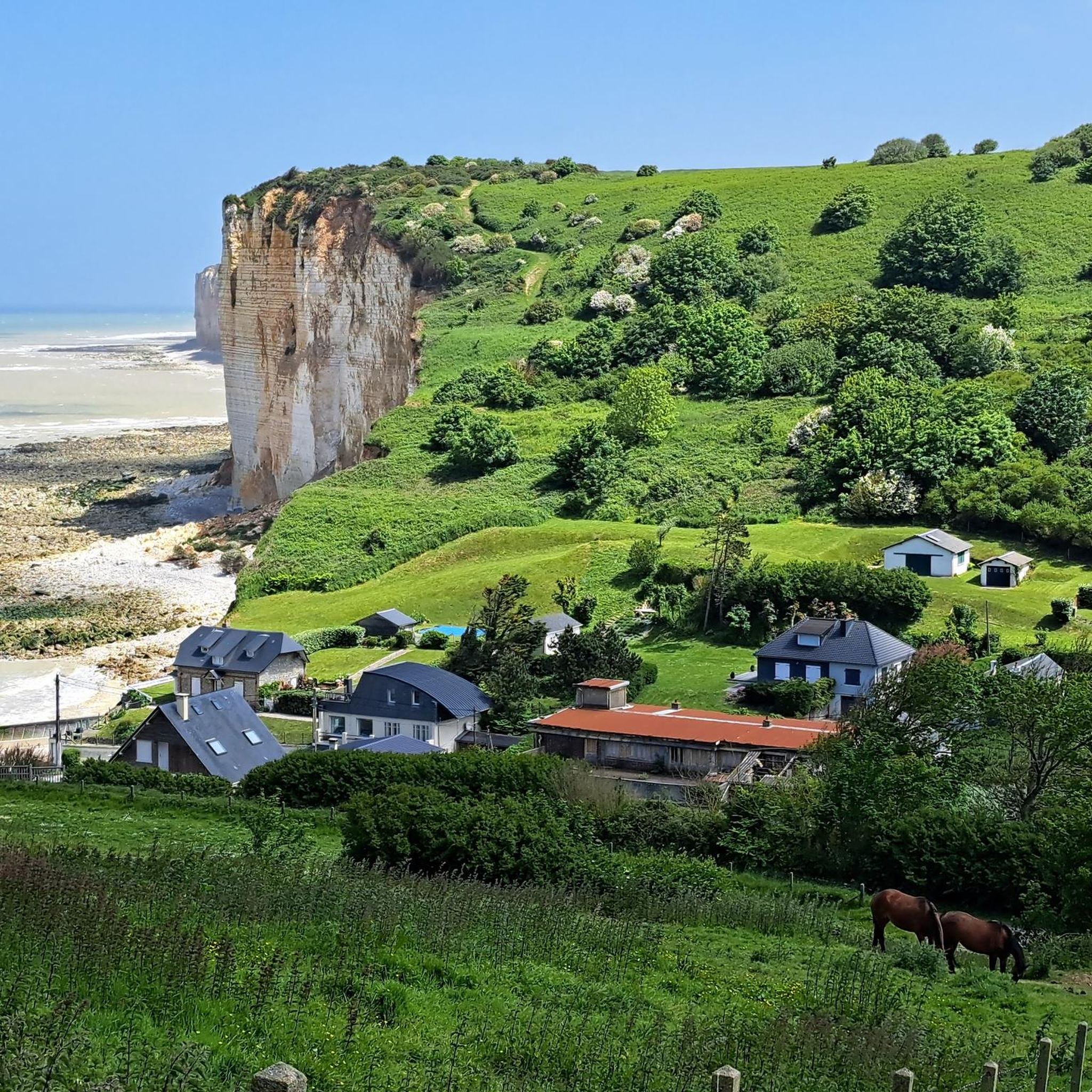
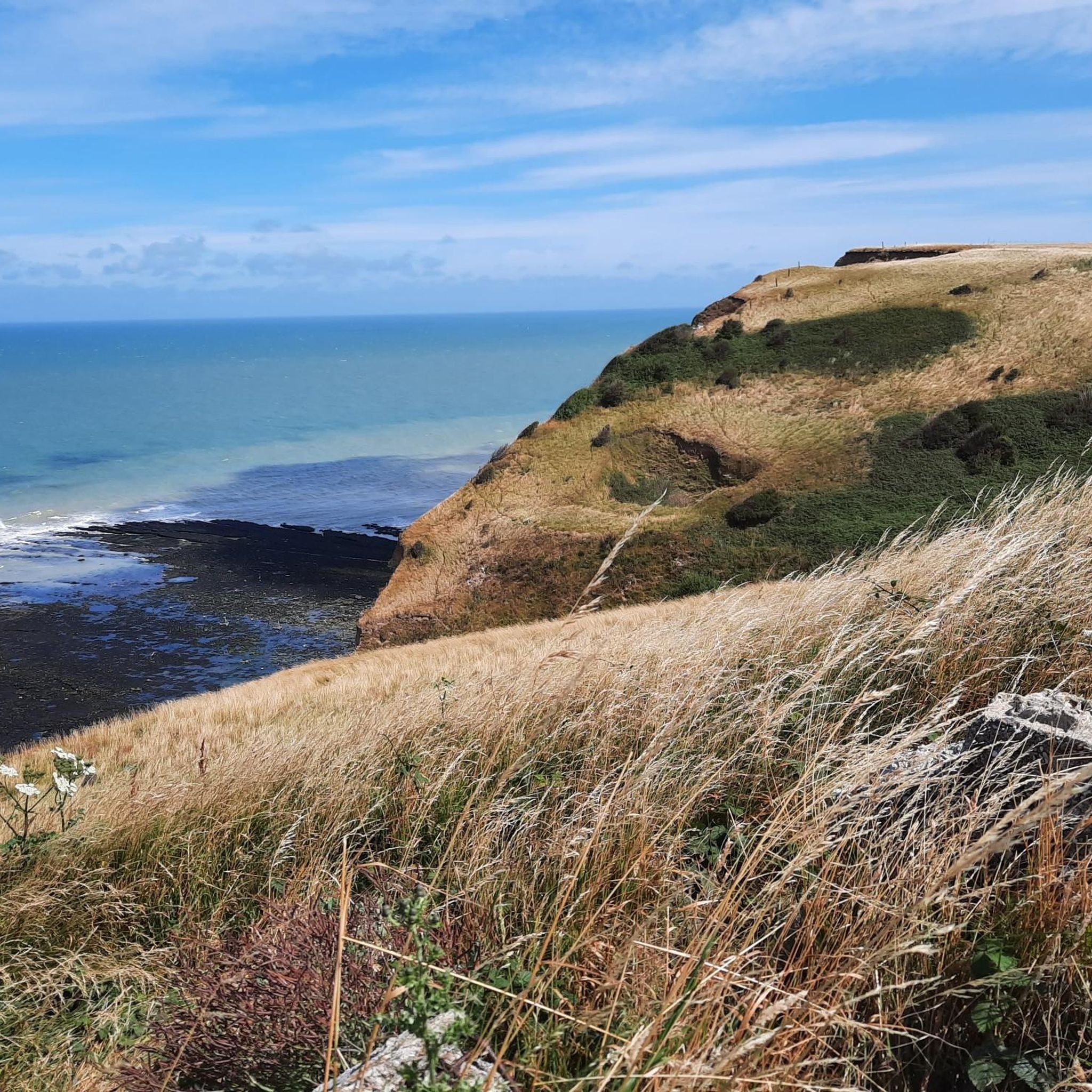
At 110 metres high, Cape Fagnet is the highest point on the French Alabaster Coast in Normandy and is located directly above the harbour entrance of Fécamp. There are viewing points and a radar station on the cape. The view from the cape extends far along the chalk cliffs in the east and as far as Étretat in the west. In 2006, a small wind farm was built on the cape.
2
0
To reach the top of the Fécamp semaphore, Marine Nationale officers must climb 199 steps! Marine Nationale officers must climb 199 steps! Marine Nationale officers must climb 199 steps! 💪
2
0
Throughout history, the inhabitants of Fécamp have come here to remain faithful to the memory of sailors. Even today, the crews setting sail greet Notre-Dame with three blasts of the siren to assure them of "fair winds and fair seas".
2
0
What is a semaphore for? Classified as category 1, the semaphore ensures constant surveillance, 24 hours a day. The Navy broadcasts news and weather reports to sailors and is involved in monitoring French waters, maritime rescue, signaling and combating pollution. What is the difference between a lighthouse and a semaphore? Lighthouses provide light to help ships navigate on the water. Semaphores monitor and control marine areas
2
0
The first semaphore in Fécamp was built in 1808: it is a brick building erected near the edge of the cliff. It has a characteristic hexagonal roof from which the semaphore mast rose. The current semaphore has been located since 1904 in the stone tower of the former "Lighthouse of the Virgin" built in 1834 and is about 117 meters above sea level.
2
0
Frequently Asked Questions
What natural features can I explore near Écretteville-Sur-Mer?
Écretteville-Sur-Mer is an excellent base for exploring the stunning natural beauty of the Alabaster Coast. You can visit the dramatic white chalk cliffs, such as the iconic Magnificent view from Cap Fagnet, offering vistas towards Yport and the Étretat cliffs. Nearby beaches include Plage des Petites Dalles, a charming former fishing village, and Plage de Veulettes-sur-Mer, known for its pebble beach and promenade.
Are there historical sites or landmarks to visit around Écretteville-Sur-Mer?
Yes, the area is rich in history. Within Écretteville-Sur-Mer, you'll find the local Église Saint-Blaise-et-Notre-Dame. Nearby, explore the impressive Bénédictine Palace in Fécamp, an architectural marvel housing the famous liqueur's distillery. Another significant site is the Sissi Monument and Château of Sassetot-le-Mauconduit, once a residence for Empress Sissi of Austria. The Our Lady of Salvation Chapel also offers historical context and breathtaking views.
What kind of outdoor activities can I do near Écretteville-Sur-Mer?
The region offers diverse outdoor activities. You can enjoy hiking along the coast, with routes like the 'Field edge hike – Valleuse d'Életot loop' or the 'View of Les Grandes Dalles – Coastal path to Dalles loop'. Cycling is also popular, with options ranging from road cycling routes such as 'Veulettes-sur-Mer Sea – Janville Castle loop' to touring bicycle routes like 'Bénédictine Palace – Great cycle path loop'. For more details, explore the dedicated guides for Hiking around Écretteville-Sur-Mer, Road Cycling Routes around Écretteville-Sur-Mer, and Cycling around Écretteville-Sur-Mer.
Are there family-friendly attractions in the area?
Yes, several attractions cater to families. The Fécamp Marina is a pleasant spot for a stroll, and the Bénédictine Palace offers tours that can be engaging for older children. For more active fun, consider Woody Park near Fécamp or the Base de loisirs du Lac de Caniel, a leisure base with various activities.
Where can I find the best viewpoints around Écretteville-Sur-Mer?
For breathtaking panoramas, head to the Magnificent view from Cap Fagnet in Fécamp, which offers expansive vistas of the town, coastline, and even the Étretat cliffs on a clear day. The Our Lady of Salvation Chapel also provides a stunning coastal panorama.
What cultural experiences can I have near Écretteville-Sur-Mer?
Beyond historical sites, you can immerse yourself in local culture. Fécamp, a short drive away, hosts the Fisheries Museum. Les-Petites-Dalles holds cultural significance as a place frequented by Impressionist painters, with reading tables on the beach providing insights into their work. Saint-Pierre-en-Port offers a glimpse into traditional fishing village life, including the 'Maison des Croyances, Vie d'Antan et des Traditions du Terroir'.
Are there any markets nearby to experience local life?
Yes, several nearby towns host vibrant markets. Fécamp has a market on Saturdays, Cany-Barville on Mondays, Saint-Valery-en-Caux on Fridays and Sundays, Goderville on Tuesdays, Étretat on Thursdays, and Doudeville on Saturdays. These markets are great places to find local produce and experience the regional atmosphere.
What do visitors enjoy most about the attractions around Écretteville-Sur-Mer?
Visitors particularly appreciate the dramatic coastal views, the rich historical context of sites like the Bénédictine Palace, and the charm of the local marinas like Fécamp Marina. The opportunity to combine scenic walks with cultural exploration along the Alabaster Coast is also highly valued.
Can I find beaches suitable for relaxing or swimming?
Absolutely. The Alabaster Coast offers several charming pebble beaches. Plage des Petites Dalles is a picturesque spot known for its unique architecture, while Plage de Veulettes-sur-Mer features a popular promenade. Les Grandes-Dalles and Yport also offer pleasant pebble beaches for relaxation.
Are there any notable gardens or parks in the vicinity?
Yes, the Jardin d'art et d'essais is a remarkable garden located about 13 km from Écretteville-Sur-Mer. Additionally, the Château de Sassetot-le-Mauconduit features an eleven-hectare park that is worth exploring.
What is the significance of the Bénédictine Palace?
The Bénédictine Palace is a unique historical site and distillery in Fécamp. It was purpose-built in the late 19th century to house the distillery for the famous Bénédictine liqueur. The building itself is an architectural masterpiece, blending Gothic and Renaissance styles, and offers tours that delve into its history and the liqueur-making process.
What is the best way to experience the Alabaster Coast from Écretteville-Sur-Mer?
The best way to experience the Alabaster Coast is by combining scenic drives with walks or bike rides along the coastal paths. This allows you to fully appreciate the dramatic cliffs, charming fishing villages, and panoramic viewpoints. Consider following one of the many hiking or cycling routes that hug the coastline.
Most popular routes around Écretteville-Sur-Mer
Most popular attractions around Écretteville-Sur-Mer

Get inspired with the komoot mobile app


Explore more
Still not found the Highlight you’re looking for? See guides of the top attractions in other regions:
