Attractions and Places To See around Wavrans-Sur-L'Aa - Top 20
Best attractions and places to see around Wavrans-Sur-L'Aa are centered around its natural landscapes and historical sites. Located in the Pas-de-Calais department of France, the area features chalk hills, the Aa Valley, and opportunities for outdoor exploration. The region is known for its ecological richness, including chalk grasslands and diverse flora and fauna, alongside local heritage landmarks. Visitors can explore hiking trails and historical structures that reflect the area's past.
Best attractions and places to see around Wavrans-Sur-L'Aa
- The most popular attractions is Saint-Omer Cathedral, a religious building known for its architectural evolution from the 13th to 15th centuries. It features a 50 m high facade tower and contains historical elements such as 15th-century tombstones and a 13th-century statue of Notre-Dame des Miracles.
- Another must-see spot is Ruin of St Martin's church, the remains of a Benedictine monastery in Saint-Omer. These ruins, classified as a historical monument in 1840, offer insight into medieval French history.
- Visitors also love Walloon Jesuit Chapel, a religious building completed in 1629. It is notable for its high interior and a brick facade with layers of white natural stone.
- Wavrans-Sur-L'Aa is known for its natural reserves, hiking trails, and historical landmarks. The area offers a variety of attractions to see and explore, from ecological sites to architectural heritage.
- The attractions around Wavrans-Sur-L'Aa are appreciated by the komoot community, with 2 highlights receiving more than 50 upvotes and featuring over 100 photos.
Last updated: May 5, 2026
Saint-Omer Cathedral
Highlight • Other
Translated by Google •
Tip by

Ruin of St Martin's church
Highlight • Other
Translated by Google •
Tip by
Sign up now to discover places like this
Get recommendations on the best single tracks, peaks, & plenty of other exciting outdoor places.
Sign up for free
Walloon Jesuit Chapel
Highlight • Religious Site
Translated by Google •
Tip by
Foch Square, Saint-Omer
Highlight • Historical Site
Translated by Google •
Tip by
Notre-Dame Cathedral
Highlight • Other
Translated by Google •
Tip by
Sign up for free to discover even more attractions around Wavrans-Sur-L'Aa.
Sign up for free
Already have an account?
Start today with a free account
Your next adventure awaits.
Login or Signup

Tips from the Community


The brick façade with layers of white natural stone is five stories high and decorated with sculptures. The layout of the ambulatory and the window design refer to the Gothic style. The church was designed by Du Blocq, a Jesuit from Mons, and completed in 1629. It is notable for its high interior, the volutes on either side of the nave, and the narrow square towers on either side of the choir, a Tournai tradition. The chapel is home to the Centre d'Interprétation de l'Architecture et du Patrimoine (CIAP) du Pays d'Art et d'Histoire de Saint-Omer
8
0
The town hall was built between 1834 and 1841 with materials from the church of the Abbaye de Saint-Bertin. At the heart of the building is an Italian-style theatre. The Hôtel de Bailliage is a former royal court that was outside the power of the aldermen. It is an elegant Louis XIV building, decorated with pilasters, Doric capitals, ironwork and floral garlands. Four statues on the balustrade symbolise the cardinal virtues.
9
0
The Ruines de l’Abbaye Saint-Bertin are the remains of a Benedictine monastery in Saint-Omer, France. The monastery was founded in the 7th century by the Bishop of Thérouanne under the name Abbaye de Sithiu. The ruins of this monastery are located in Saint-Omer, Rue des Ruines Saint-Bertin. They were classified as a historical monument in 1840. The buildings are now in ruins, but are open to the public. The abbey was originally dedicated to Saint Peter and later to Saint Bertin. It was one of the three most powerful abbeys in the north of the kingdom. The monastery was surrounded by a wall and bordered the rivers Aa and Haute-Meldick. It consisted of three parts: the regular places, the peripheral districts and the outbuildings. The abbey church was located at the heart of the monastery and all the buildings were organized around it. The monastery also had a cloister, refectory, parlour, celler, chauffoir and kitchens. The ruins of the abbey offer a fascinating insight into the medieval history of France and are a popular tourist attraction.
9
0
This cathedral, the former "Cloître Notre-Dame" of the canons, is the most beautiful religious building in the region. The shape and dimensions are impressive. The choir dates from 1200, the transept from the 13th century, the nave from the 14th-15th century. The 50 m high facade tower is decorated with vertical blind arches and crowned with watchtowers (15th century). On the middle buttress of the southern portal there is a statue of the Virgin Mary (14th century), and on the tympanum a Last Judgement with very few chosen ones. In the corner next to the choir there is an octagonal Romanesque tower.
9
0
You will see the tomb of St. Audomarus and the mausoleum of Eustache de Croy, chapter provost in Saint-Omer and bishop of Arras, a moving work by Jacques Dubroeucq (16th century). He shows the deceased kneeling, in bishop's robes, but also lying down and naked, as in classical antiquity. Note the 15th-century tombstones with inscriptions and the Descent from the Cross by Rubens (first bay of the right aisle). The tombs are 15th century, the alabaster statues 16th and 17th centuries. Other eye-catchers are the Madonna with cat (right aisle), the statue (13th century) of Notre-Dame des Miracles that attracts pilgrims every September, a Nativity of Christ from the 13th century and the tomb (8th century) of St. Erkembode, abbot of Saint-Bertin - here they leave shoes of children who have difficulty learning to walk. Above the astronomical clock (1558) a jaquemart tolls the hours (transept left). Above it is a rose window in flamboyant style. The statue group Grand Dieu de Thérouanne (13th century) stood 20 m above the portal of the cathedral of Thérouanne, which was destroyed by Charles V. The figures seem distorted, but the artist foreshortened them so that they had the correct perspective from below (transept left).
10
0
The town hall was built between 1834 and 1841 using materials from the church of the Abbaye de Saint-Bertin. At the heart of the building is an Italian-style theatre. The Hôtel de Bailliage is a former royal court that was outside the power of the aldermen. It is an elegant Louis XIV building, decorated with pilasters, Doric capitals, ironwork and floral garlands. Four statues on the balustrade symbolise the cardinal virtues.
7
0
The sundial at St. Omer Cathedral is an impressive astronomical instrument that tells the time based on the position of the sun. It is one of the largest sundials in France and is located on the south wall of the cathedral. The sundial is made of stone and has a diameter of about 3.5 meters. It was built in 1561 and is still in good condition. The design of the sundial is very detailed and includes several circles and lines that indicate the time at different times of the year. It is a beautiful example of the astronomical knowledge of the Middle Ages and the Renaissance.
7
0
Frequently Asked Questions
What natural attractions can I explore in Wavrans-sur-l'Aa?
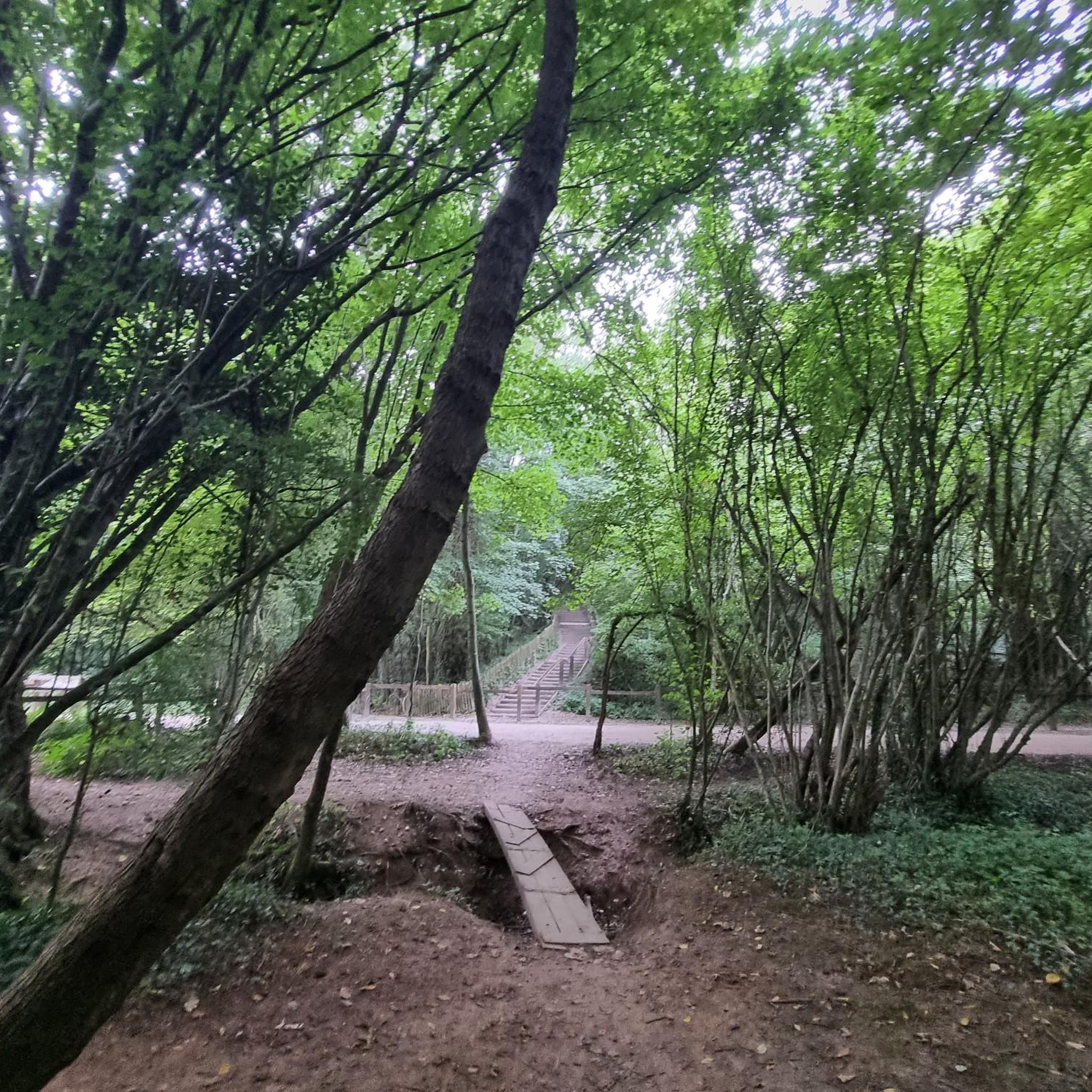
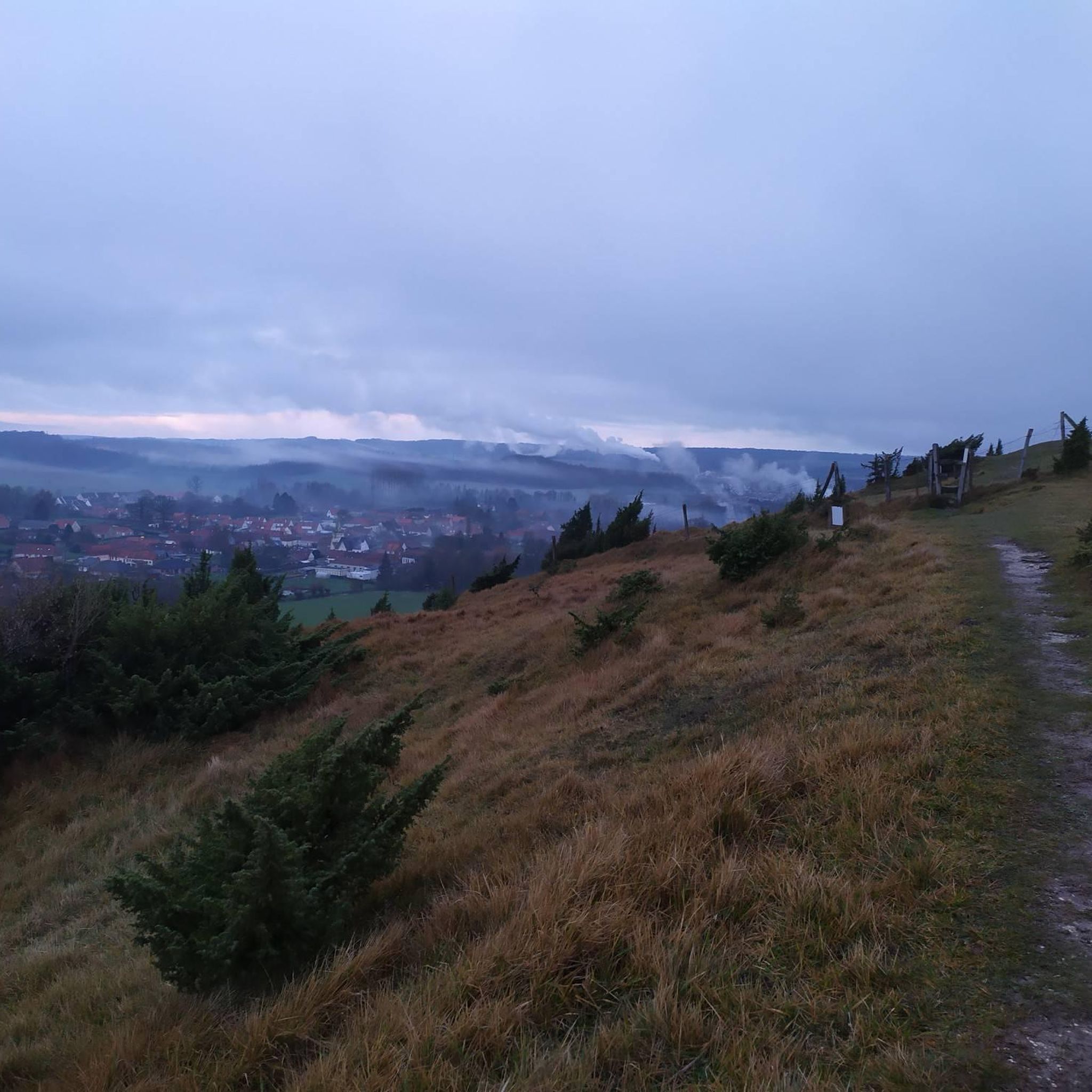
Wavrans-sur-l'Aa is renowned for its natural beauty, particularly the Réserve naturelle nationale des grottes et des pelouses d'Acquin-Westbécourt et des coteaux de Wavrans-sur-l'Aa. This National Nature Reserve features two chalk hills, Mont Carrière and Montagne d'Elnes, separated by a dry valley. It's an excellent spot for observing rare plants, diverse fauna, and migratory birds. The chalk grasslands support exceptional floristic diversity, and hiking trails offer spectacular views of the Aa Valley.
Are there specific hiking trails in Wavrans-sur-l'Aa?
Yes, Wavrans-sur-l'Aa serves as a starting point for several hiking circuits. Notable options include Le circuit du Mont du Géant, a 15.7 km trail suitable for hiking and mountain biking, and Le sentier des Genevriers, which traverses the Aa valley and highlights the ecologically rich chalk lawns. For more detailed routes, you can explore the hiking guide around Wavrans-Sur-L'Aa.
What historical and cultural sites are there near Wavrans-sur-l'Aa?
Nearby, you can visit significant historical and religious landmarks. The Saint-Omer Cathedral is a beautiful religious building with architectural evolution from the 13th to 15th centuries. Another must-see is the Ruin of St Martin's church, the remains of a Benedictine monastery offering insight into medieval French history. The Walloon Jesuit Chapel, completed in 1629, is also notable for its distinctive architecture.
What is the difficulty level of hiking trails in the area?
The hiking trails around Wavrans-sur-l'Aa vary in difficulty. For instance, the 'Old powder mill loop from Elnes' is rated as easy, while routes like 'Start – Old powder mill loop from Wavrans-sur-l'Aa' are moderate. Longer trails such as 'Path in Fourdebecques – Elnes Limestone Slopes loop from Wavrans-sur-l'Aa' can be difficult. You can find more information on specific routes and their difficulty in the hiking guide.
Are there any family-friendly attractions in Wavrans-sur-l'Aa?
While the natural reserves offer outdoor exploration for families, the Foch Square in Saint-Omer is listed as a family-friendly historical site. It features the town hall, built with materials from the Abbaye de Saint-Bertin, and offers a pleasant environment for a stroll.
What outdoor activities, besides hiking, can I do near Wavrans-sur-l'Aa?
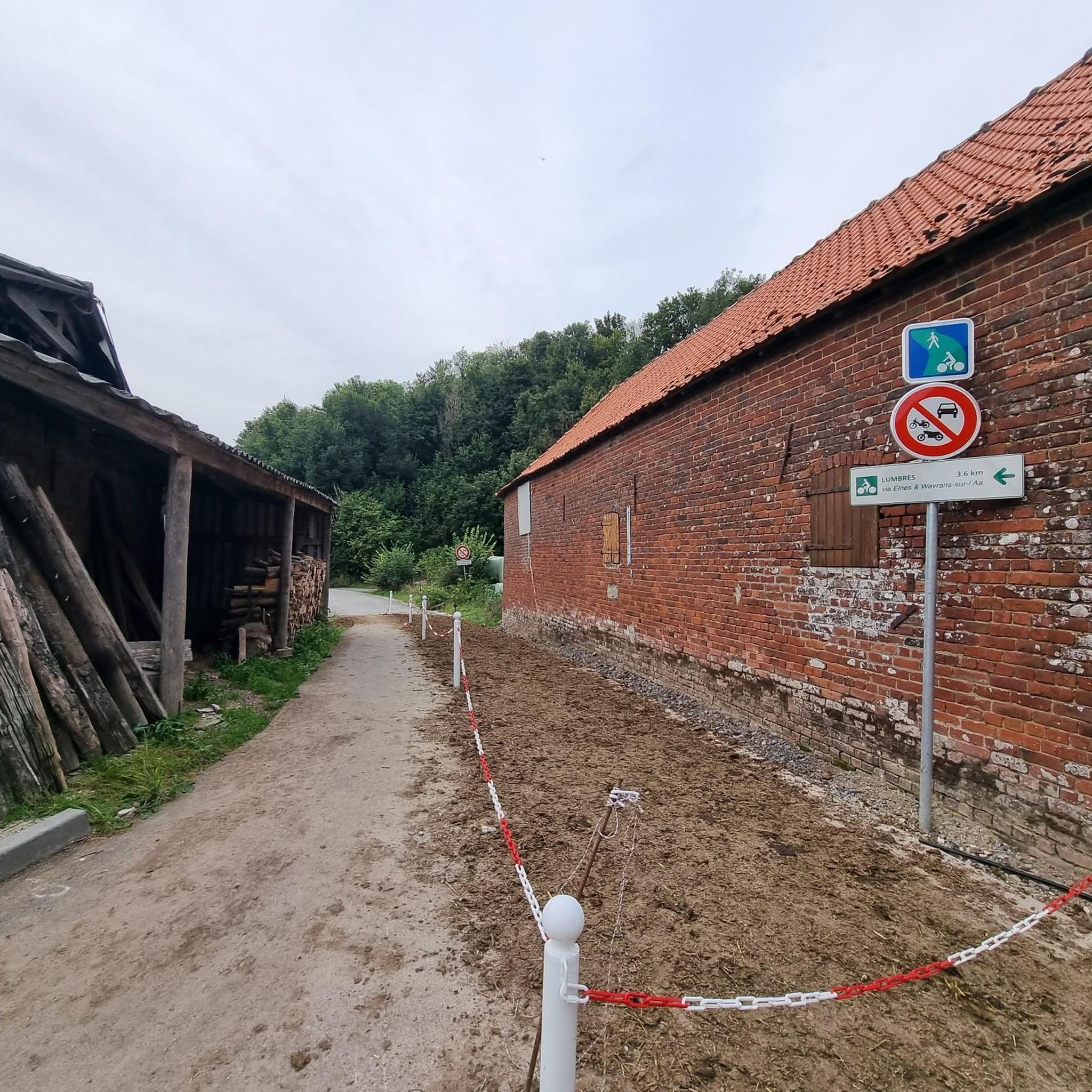
Beyond hiking, the area offers opportunities for running and cycling. You can find various running trails, including moderate loops around the Grotte and Elnes Limestone Slopes, detailed in the running guide. For cyclists, there are easy routes along the Aa River Greenway and more challenging ones like the 'Panorama at 10% loop from Lumbres' in the cycling guide.
What is the best time to visit Wavrans-sur-l'Aa for outdoor activities?
The best time to visit Wavrans-sur-l'Aa for outdoor activities like hiking and exploring the nature reserve is generally during spring, summer, and early autumn. These seasons offer pleasant weather for enjoying the trails and observing the diverse flora and fauna. Spring brings blooming plants, while autumn provides beautiful foliage.
Can I find viewpoints in Wavrans-sur-l'Aa?
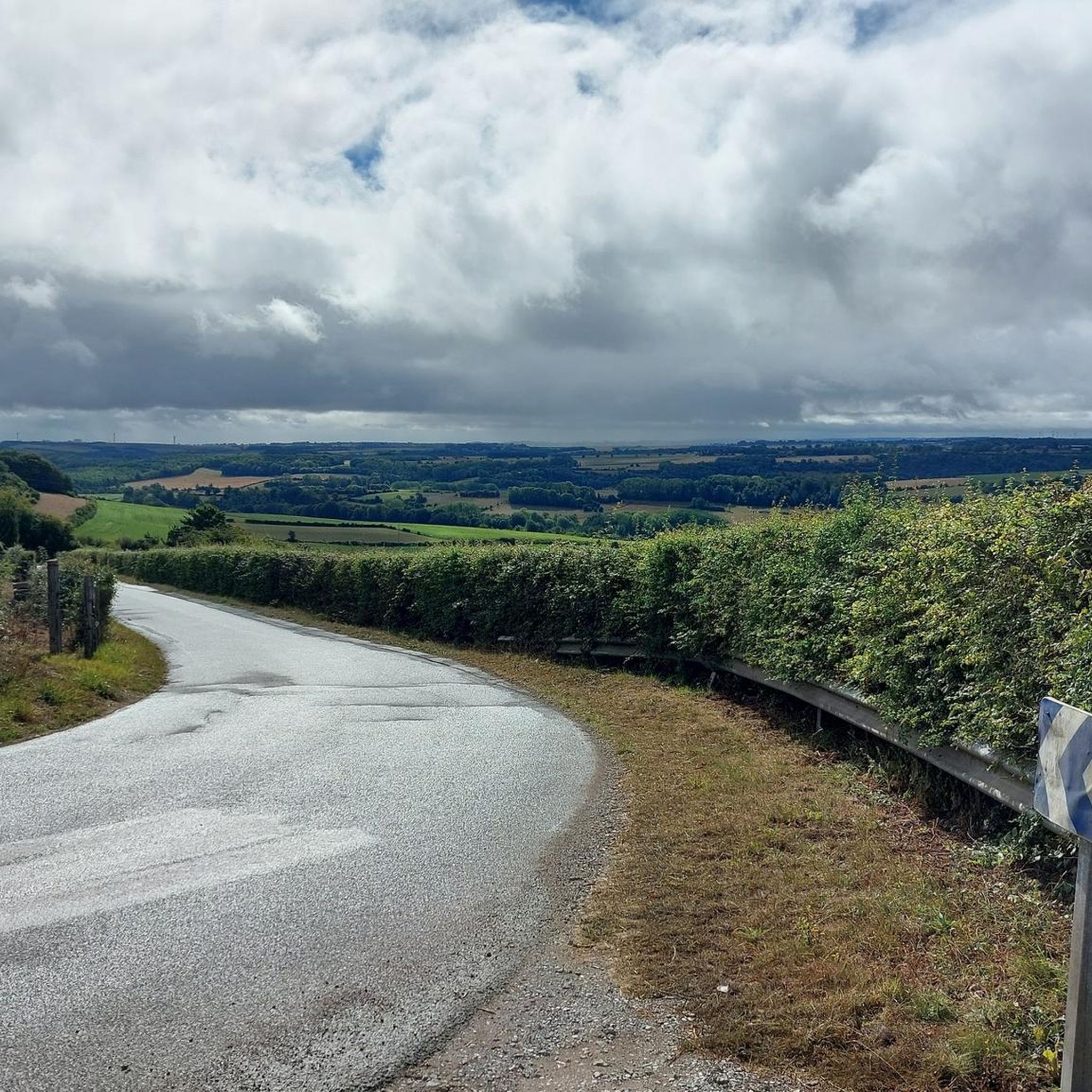
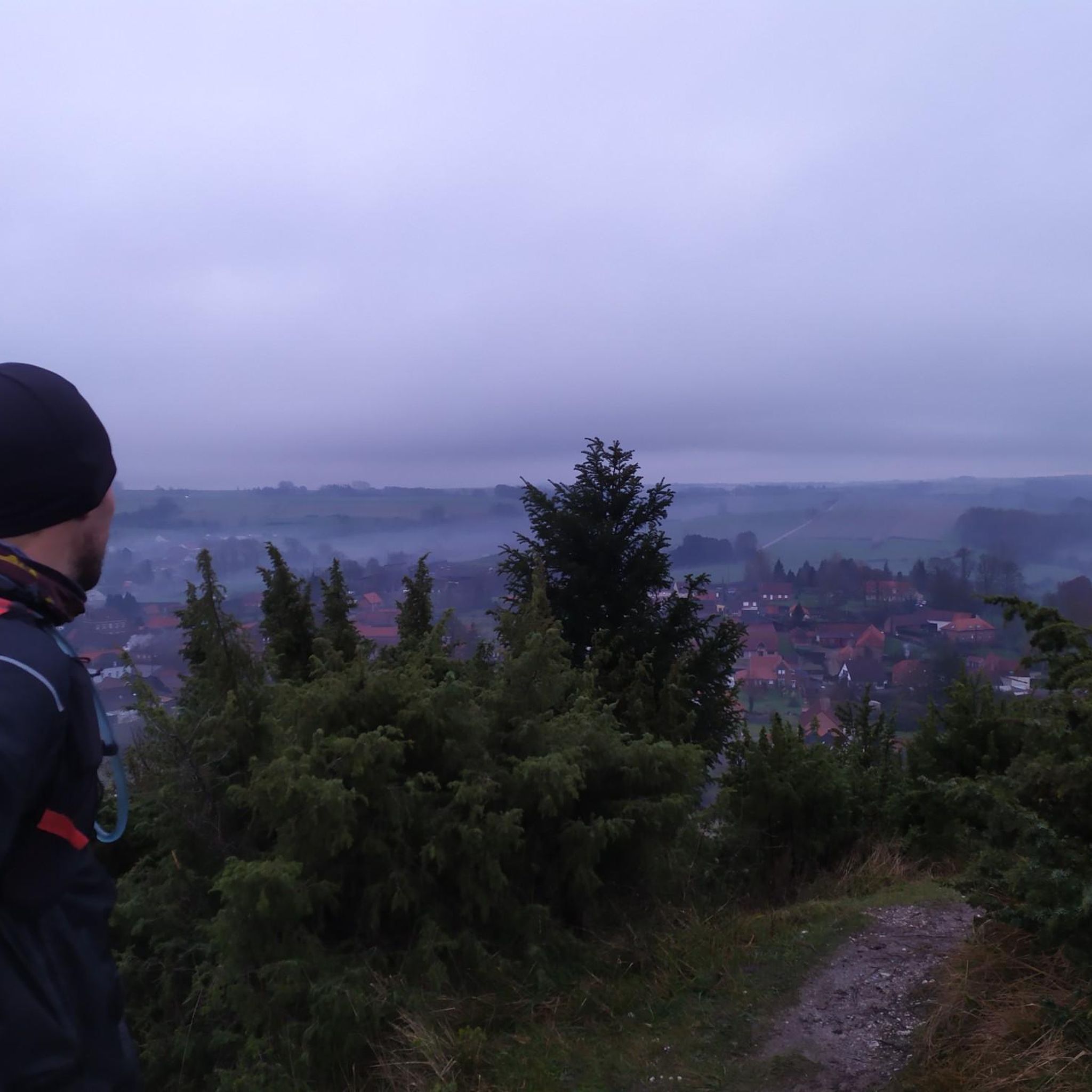
Yes, the hilly landscapes within the Réserve naturelle nationale des grottes et des pelouses d'Acquin-Westbécourt et des coteaux de Wavrans-sur-l'Aa offer spectacular viewpoints, particularly over the Aa Valley. The chalk hillsides provide elevated positions for scenic vistas.
Are there any remnants of the region's industrial past?
Yes, along some hiking trails near the hillsides, you can find remnants of the old Anvin-Calais railway line. These include a turntable and a metallic bridge that once provided access to a mill, offering a glimpse into the region's industrial heritage.
What do visitors enjoy most about the attractions around Wavrans-sur-l'Aa?
Visitors particularly appreciate the rich historical and architectural details of sites like the Saint-Omer Cathedral, noting its impressive dimensions and historical artifacts. The natural beauty of the chalk hills and the opportunities for diverse outdoor activities, especially hiking, are also highly valued by those exploring the area.
Is public transport available to reach attractions in Wavrans-sur-l'Aa?
While Wavrans-sur-l'Aa is a smaller commune, public transport options to reach specific attractions might be limited. It is generally recommended to check local bus schedules or consider personal transportation for greater flexibility in exploring the nature reserves and starting points for hiking trails.
Are there any specific geological features worth noting in the area?
The region is characterized by its unique geological conditions, primarily Cretaceous-era chalk deposits. These deposits form the steep cliffs and chalk grasslands of the nature reserve, making it an ideal place for studying local geology and erosion processes. The Coteau de Wavrans-sur-l'Aa specifically refers to these chalk hillsides, sculpted by natural erosion and historical events.
Most popular routes around Wavrans-Sur-L'Aa

Get inspired with the komoot mobile app


Explore more
Still not found the Highlight you’re looking for? See guides of the top attractions in other regions:
