The best road cycling routes around Senneville-Sur-Fécamp
4.5
(72)
2,007
riders
211
rides
Road cycling routes around Senneville-Sur-Fécamp traverse the dramatic coastal landscapes of the Alabaster Coast in Normandy, France. The terrain features iconic white chalk cliffs, unique "valleuses" (valleys leading to the sea), and a charming rural setting. Cyclists can expect a mix of coastal paths and inland routes through agricultural areas, with varied elevation changes characteristic of the region's topography.
Best road cycling routes around Senneville-Sur-Fécamp
- The most popular road cycling route is La Vélomaritime and Flax Cycle Route Loop,…
Last updated: May 13, 2026
2
riders
143km
06:13
1,260m
1,260m
Hard road ride. Very good fitness required. Mostly well-paved surfaces and easy to ride.
4.1
(8)
191
riders
68.1km
03:01
610m
610m
Moderate road ride. Good fitness required. Mostly well-paved surfaces and easy to ride.

Sign up for free
4.0
(12)
190
riders
41.6km
02:01
440m
440m
Moderate road ride. Good fitness required. Mostly well-paved surfaces and easy to ride.
4.8
(4)
55
riders
24.5km
01:00
120m
120m
Easy road ride. Great for any fitness level. Mostly well-paved surfaces and easy to ride.
4.3
(3)
119
riders
51.6km
02:10
320m
320m
Moderate road ride. Good fitness required. Mostly well-paved surfaces and easy to ride.
Get access to more routes and recommendations from other explorers.
Sign up for free
Already have an account?
Our route recommendations are based on thousands of hikes, rides, and runs completed by other people on komoot.
Start today with a free account
Your next adventure awaits.
Login or Signup
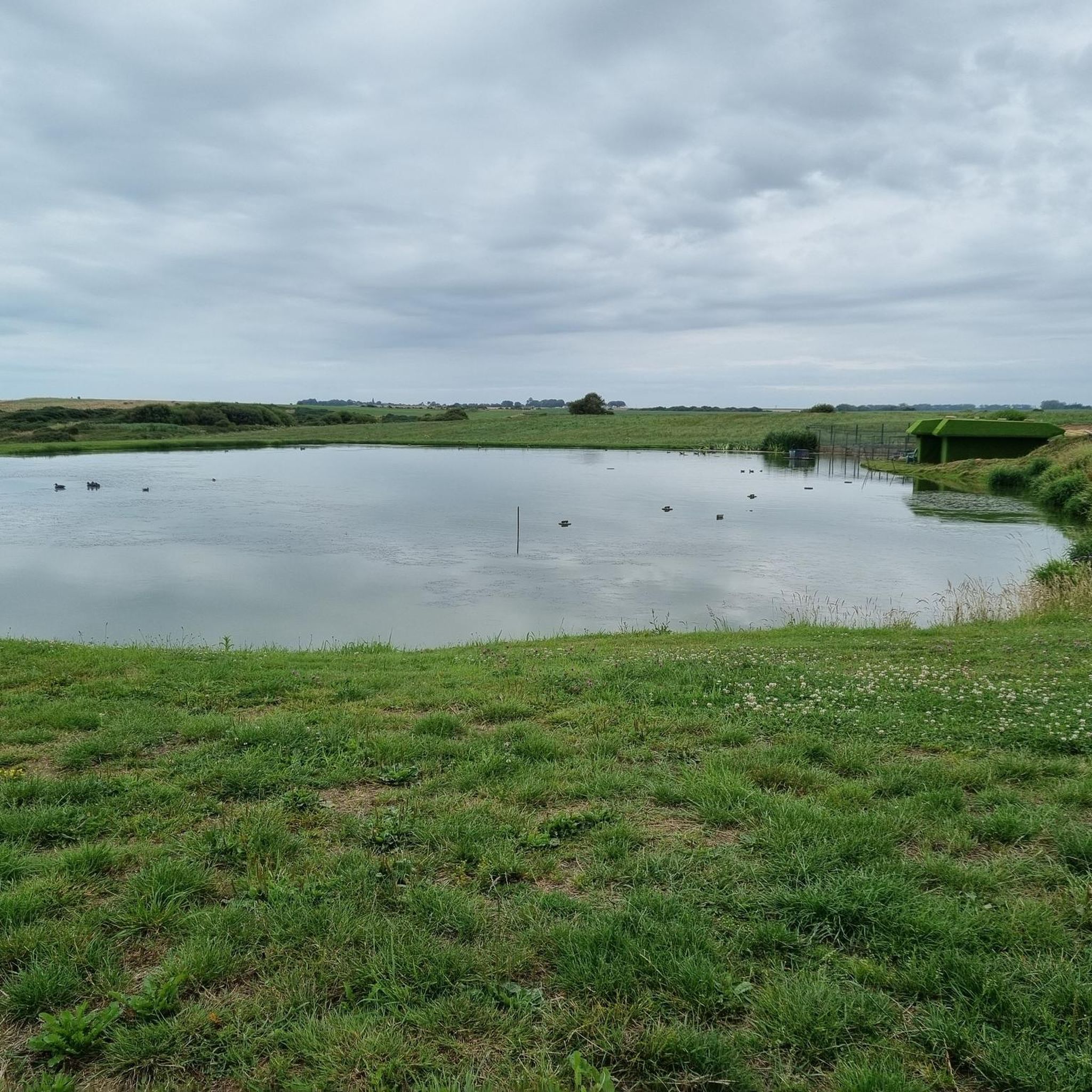
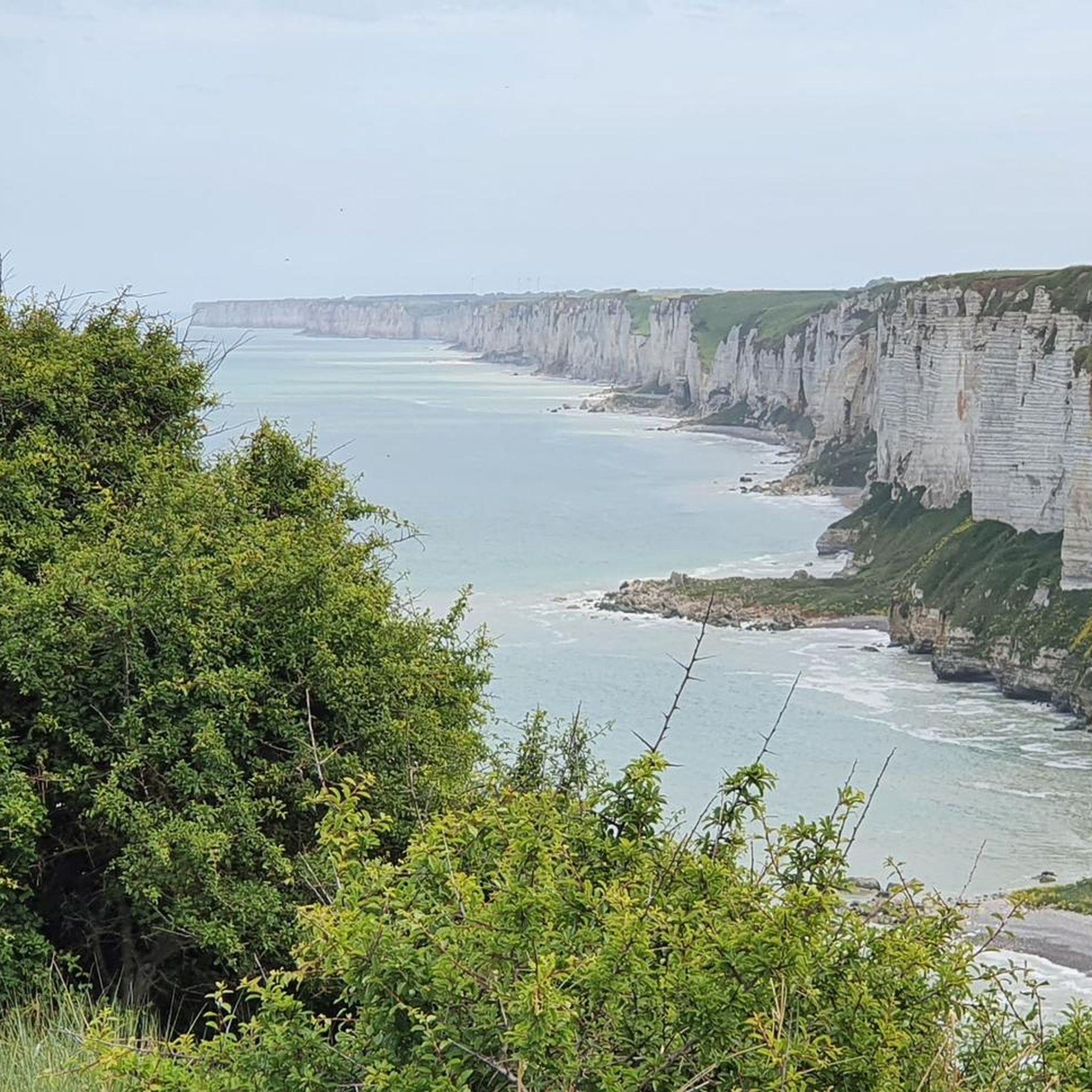
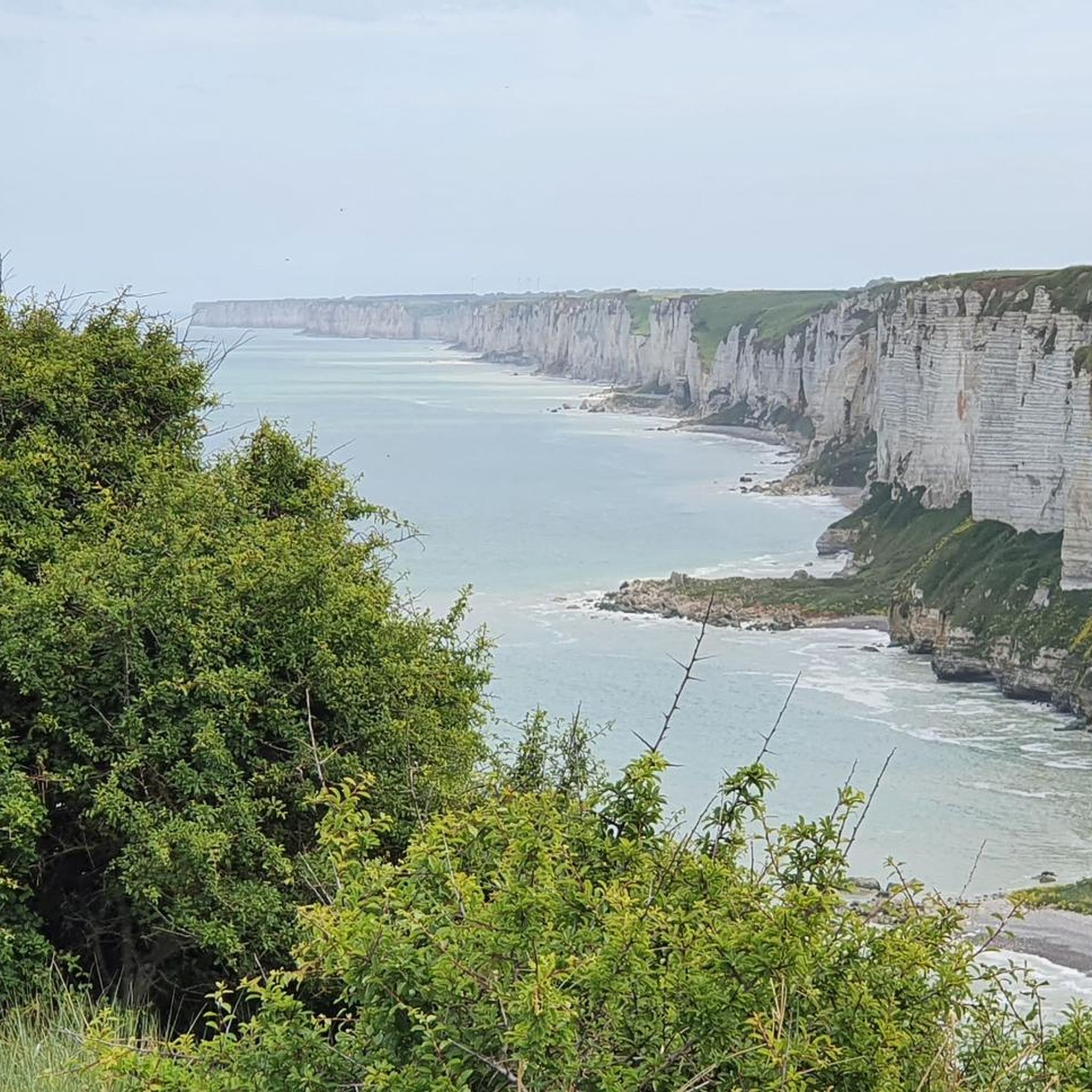
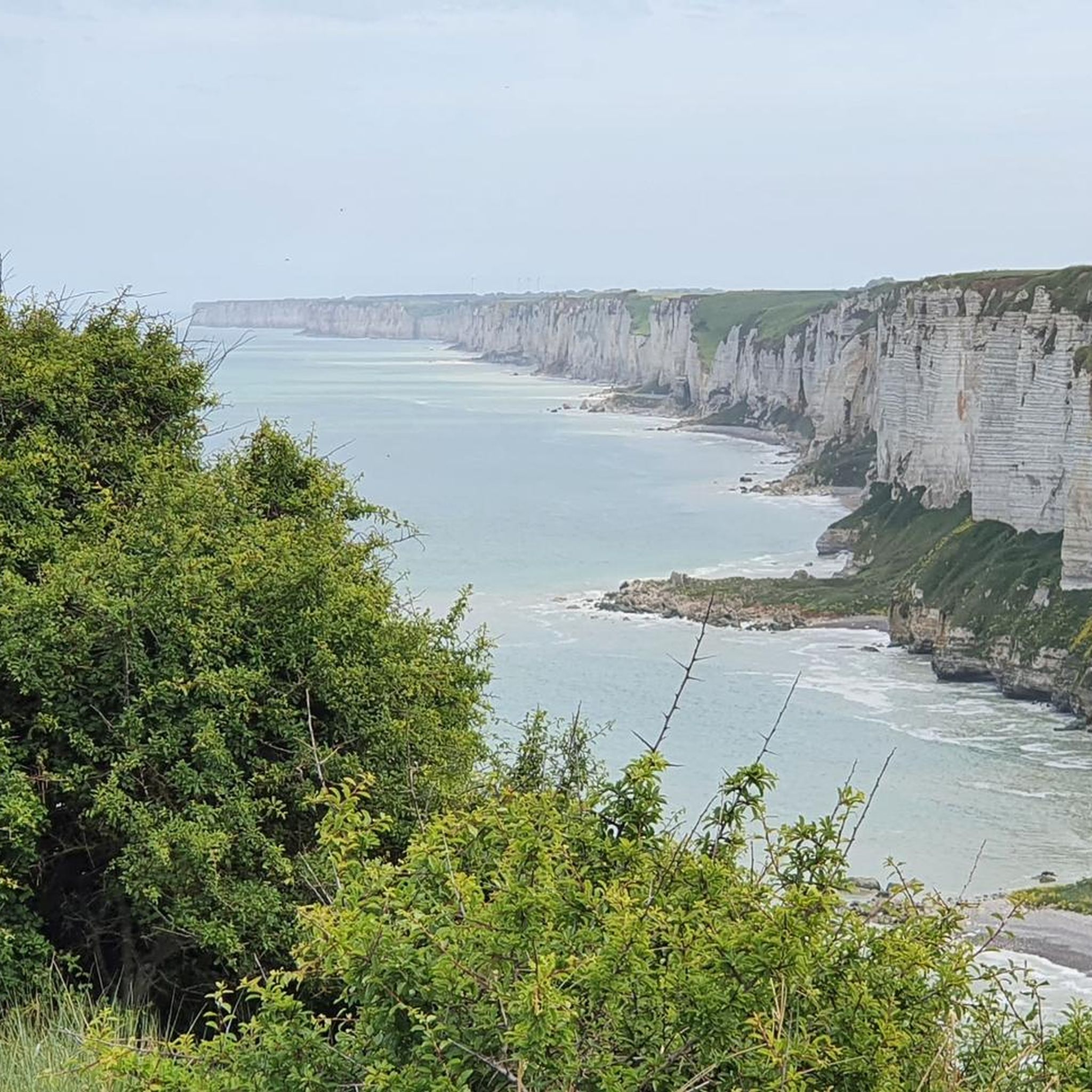
Tips from the Community

The viewpoint is located on a curve, so be very careful when stopping!
0
0

Window in the abbey church, which Eugene Delacroix assembled from fragments he found in the ruins.
0
0
In the front of the abbey church is a stained-glass window that Eugene Delacroix reassembled from fragments he found in the ruins.
0
0

A 70km-long cycle path built on a former railway line. The best asphalt leads through the beautiful countryside and villages of Normandy.
0
0

A mixture of flowers, probably less selective weedkiller: we find nature again.
0
0

The church was built in the 12th century. With the exception of the north side nave and the tower, it is classified as a historical monument by decree of June 8, 1914.
0
0
The church of Saint Anne was given to the priory of the Madeleine of Rouen by Richard the Lionheart. This old Romanesque church from the 11th century suffered damage during the revolution. It was burned and rebuilt at the beginning of the 19th century, but without its bell tower which would be erected later. The bell was suspended from scaffolding in the cemetery, which earned Bénouville the nickname of a village without a bell tower. The church retains some vestiges of its original construction and a baptismal font from the 12th century.
0
0
Frequently Asked Questions
What kind of terrain can I expect on road cycling routes around Senneville-sur-Fécamp?
The road cycling routes in this region feature the dramatic coastal landscapes of the Alabaster Coast. You'll encounter iconic white chalk cliffs, unique "valleuses" (valleys leading to the sea), and charming rural settings. Expect a mix of coastal roads and inland routes through agricultural areas, with varied elevation changes characteristic of the Normandy topography.
Are there any family-friendly road cycling routes in the area?
Yes, while many routes offer varied challenges, some sections are suitable for families. The "Véloroute du Lin" (Linen Greenway) from Fécamp to Valmont, for instance, provides a pleasant cycling experience on a dedicated cycle path. For a moderate loop that offers coastal views without extreme difficulty, consider the Étretat Beach – Chalk cliffs of Étretat loop from Fécamp, which is 39.0 km long.
What are some scenic viewpoints or natural attractions I can see while road cycling?
The region is rich in natural beauty. You can enjoy panoramic views from Cap Fagnet near Fécamp, or explore the unique "valleuses" like the Valleuse de Senneville-sur-Fécamp. Routes often pass by stunning coastal features such as the Cliffs of Vaucottes and the famous Falaises d'Etretat. Don't miss the charming Yport Beach, which offers excellent views of the White Cliffs.
What is the best time of year for road cycling in Senneville-sur-Fécamp?
The best time for road cycling along the Normandy coast is generally from spring to early autumn (April to October). During these months, the weather is typically milder and more stable, offering pleasant conditions to enjoy the coastal and rural landscapes. Summer can be popular, but spring and autumn often provide cooler temperatures and fewer crowds.
Are there any long-distance or challenging road cycling routes for experienced riders?
Absolutely. For experienced riders seeking a challenge, the La Vélomaritime and Flax Cycle Route Loop is a difficult 142.9 km trail offering extensive coastal views and significant elevation changes. Another demanding option is the Janville Castle – Panoramic View of Fécamp loop from Sainte-Hélène-Bondeville, which covers 113.1 km with over 1000 meters of ascent.
How many road cycling routes are available around Senneville-sur-Fécamp?
There are over 200 road cycling routes available around Senneville-sur-Fécamp, catering to various skill levels. This includes 48 easy routes, 156 moderate routes, and 7 difficult routes, ensuring options for everyone from beginners to advanced cyclists.
What do other road cyclists enjoy most about the routes in this region?
The road cycling routes around Senneville-sur-Fécamp are highly rated by the komoot community, with an average score of 4.5 stars from nearly 100 reviews. Cyclists often praise the dramatic coastal scenery, the unique "valleuses," and the varied terrain that offers both challenging climbs and picturesque rural stretches.
Are there any circular road cycling routes that start and end in the same place?
Yes, many routes in the area are designed as loops. For example, the Yport – View of the Vaucottes Cliffs loop from Fécamp is a 54.4 km route that takes you through coastal areas with views of the Vaucottes Cliffs. Another option is the VéloRoute du Lin – Veloroute de Lin (km55 > 64) loop from Fécamp, a moderate 51.2 km ride.
Can I find places to eat or drink along the road cycling routes?
The towns and villages along the routes, particularly Fécamp and Yport, offer various cafes, pubs, and restaurants where cyclists can refuel. The region's rural charm also means you might find local establishments in smaller hamlets. Planning your route with komoot can help you identify points of interest for breaks.
What are the options for parking when road cycling in the Senneville-sur-Fécamp area?
Parking is generally available in the larger towns like Fécamp, which serves as a common starting point for many routes. Smaller villages and coastal access points may also offer parking, though it might be more limited. It's advisable to check specific parking availability for your chosen starting location.
Is it possible to access road cycling routes using public transport?
Fécamp, being a central town, has public transport connections that could facilitate access to the region. However, specific bike accessibility on local buses or trains can vary. It's recommended to check with local transport providers for their policies regarding bicycles, especially if you plan to use public transport to reach your starting point.
Are there any historical sites or cultural attractions to explore near the cycling routes?
Beyond the natural beauty, the region offers historical elements. Senneville-sur-Fécamp itself features the 13th-century church of St. Vaast and a 19th-century chateau. In Fécamp, you can visit the Bénédictine Palace and the Fécamp Marina, adding a cultural dimension to your cycling adventures.
Most popular routes around Senneville-Sur-Fécamp
Most popular attractions around Senneville-Sur-Fécamp

Get inspired with the komoot mobile app


Explore more
Browse the best Road cycling routes in other regions.
