Attractions and Places To See around Ville-En-Tardenois - Top 20
Attractions and places to see around Ville-En-Tardenois offer a blend of historical significance and natural beauty in the Marne department of France. Situated within or near the Montagne de Reims Regional Natural Park, the area features diverse landscapes including forests, hillsides, and the Ardre Valley. The region is known for its historical monuments, such as 12th-century churches, and archaeological sites reflecting ancient human activity. Visitors can explore a variety of points of interest that highlight both the cultural heritage and…
Last updated: May 10, 2026
Statue of Pope Urban II and viewpoint
Highlight • Other
Translated by Google •
Tip by

Prieuré de Binson military cemetery
Highlight • Other
Translated by Google •
Tip by
Sign up now to discover places like this
Get recommendations on the best single tracks, peaks, & plenty of other exciting outdoor places.
Sign up for free
La Cave aux Coquillages
Highlight • Other
Translated by Google •
Tip by

Châtillon-sur-Marne
Highlight • Settlement
Translated by Google •
Tip by
The Lagery Market Hall
Highlight • Monument
Except for two metal parts, it is made entirely of wood, with wooden dowels (no nails or screws).
At the front, there is a washhouse and a well.
Translated by Google •
Tip by

Sign up for free to discover even more attractions around Ville-En-Tardenois.
Sign up for free
Already have an account?
Start today with a free account
Your next adventure awaits.
Login or Signup


Tips from the Community

In a brochure entitled "A Call for Peace, Because Peace Is Possible," Father Klaus Schäfer of the Pallottine Order (Societas Apostolatus Catholici), founded in the mid-19th century by Saint Vincent Pallotti, writes: "The large military cemeteries of the two World Wars, not only those located in France, clearly demonstrate that former enemies can become friends. After the two bloodbaths of these nations, there were no recriminations about who shot first, who was more guilty, who was more cruel... instead, there was a clean break and a genuine new beginning. For this reason, the large military cemeteries of the two World Wars are worthy of being declared World Heritage Sites. This is not to elevate war to the status of culture, but to show the world that even after such a bloody past, peace is possible. Europe has shown us: PEACE IS POSSIBLE. Former enemies can become friends, true friends." (Fr. Klaus Schäfer SAC)
0
0
The Holy Father known as Pope Urban II was born here around 1035. His name is known as Odon de Lagery, also Eudes de Châtillon, or Otton de Châtillon. He joined the Benedictine Order named after Benedict of Nursia (OSB for the Latin "Ordo Sancti Benedicti") and became prior of the highly important Cluny Abbey. In 1088, he was elected pope, taking the name Urban II. As the supreme shepherd of the Roman Catholic Church, he supported the Reconquista in Spain and the First Crusade in support of Byzantium. His theological reasoning was based on the second chapter of the Old Testament Book of Daniel, which describes a turning point in history. He died in 1099. His feast day in the calendar of saints is July 29, the recorded date of his death.
0
0

An impressive half-timbered building made of oak. Except for two metal parts, it is made entirely of wood, with wooden dowels (no nails or screws). At the front, there is a washhouse and a well. According to https://www.reims-tourisme.com/activite/halle-de-lagery/: Built in 1543 in the center of the village of Lagery, the hall was dedicated to trade. From the 16th to the 18th century, there was a market every Tuesday and two or three annual fairs: agricultural markets, grain, wine, livestock, firewood, timber, building materials, industrial goods, etc. This building was listed as a historic monument in 1922. The hall, which was in danger of collapsing and had to be reinforced in 1983, was restored between 2003 and 2007. Since 2010, the town hall and the Lagery Festival Association have organized an arts and crafts market there every spring Sunday.
2
0

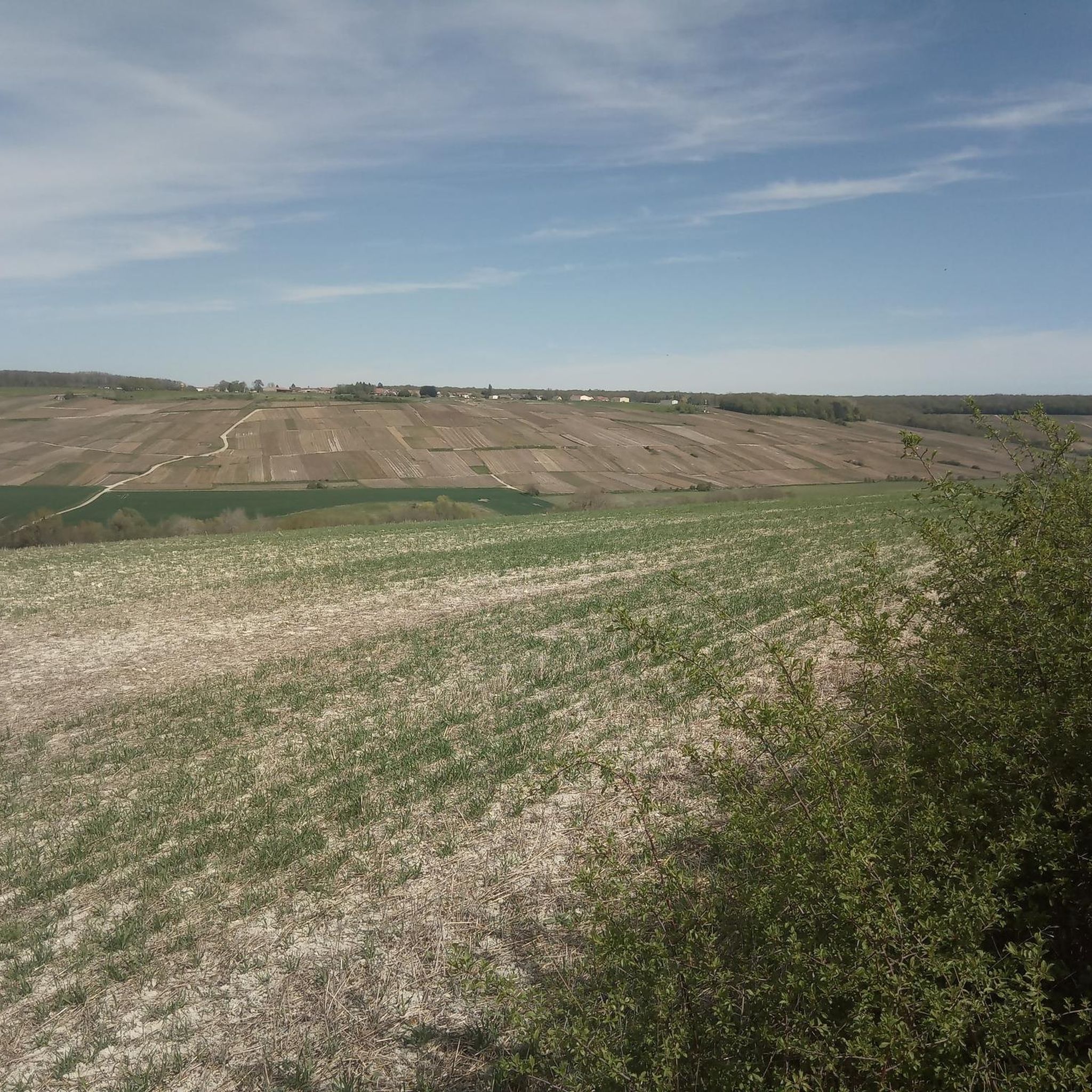
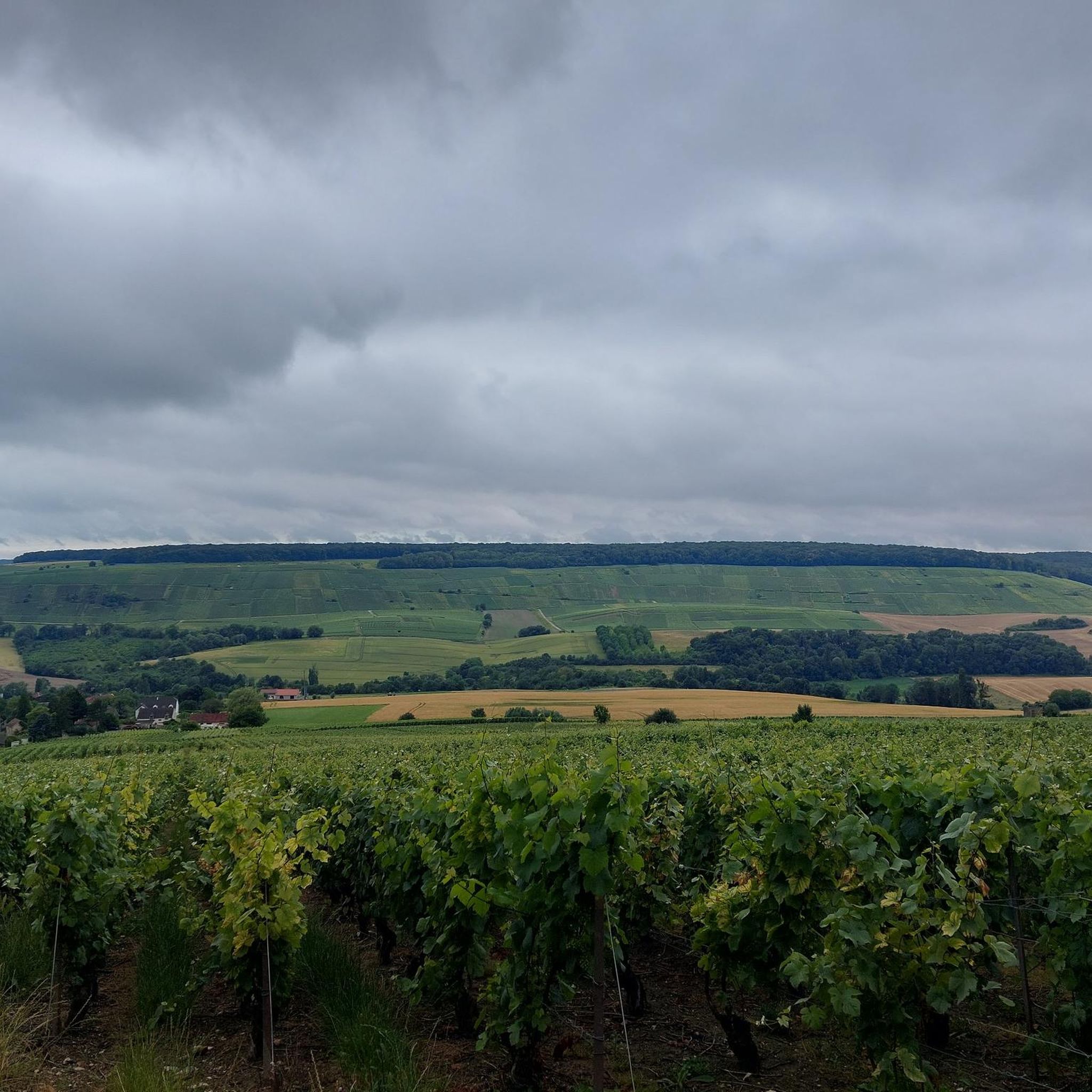
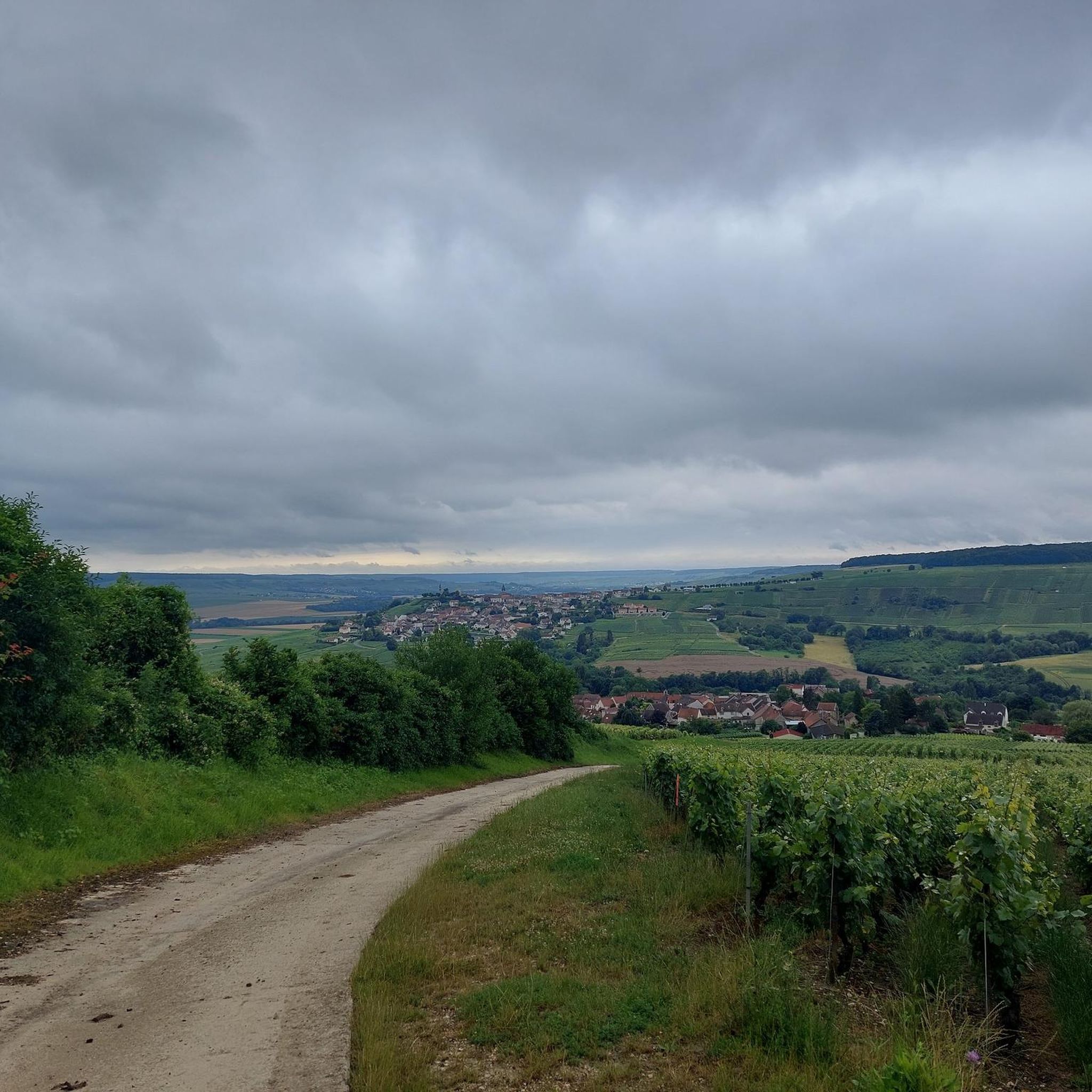
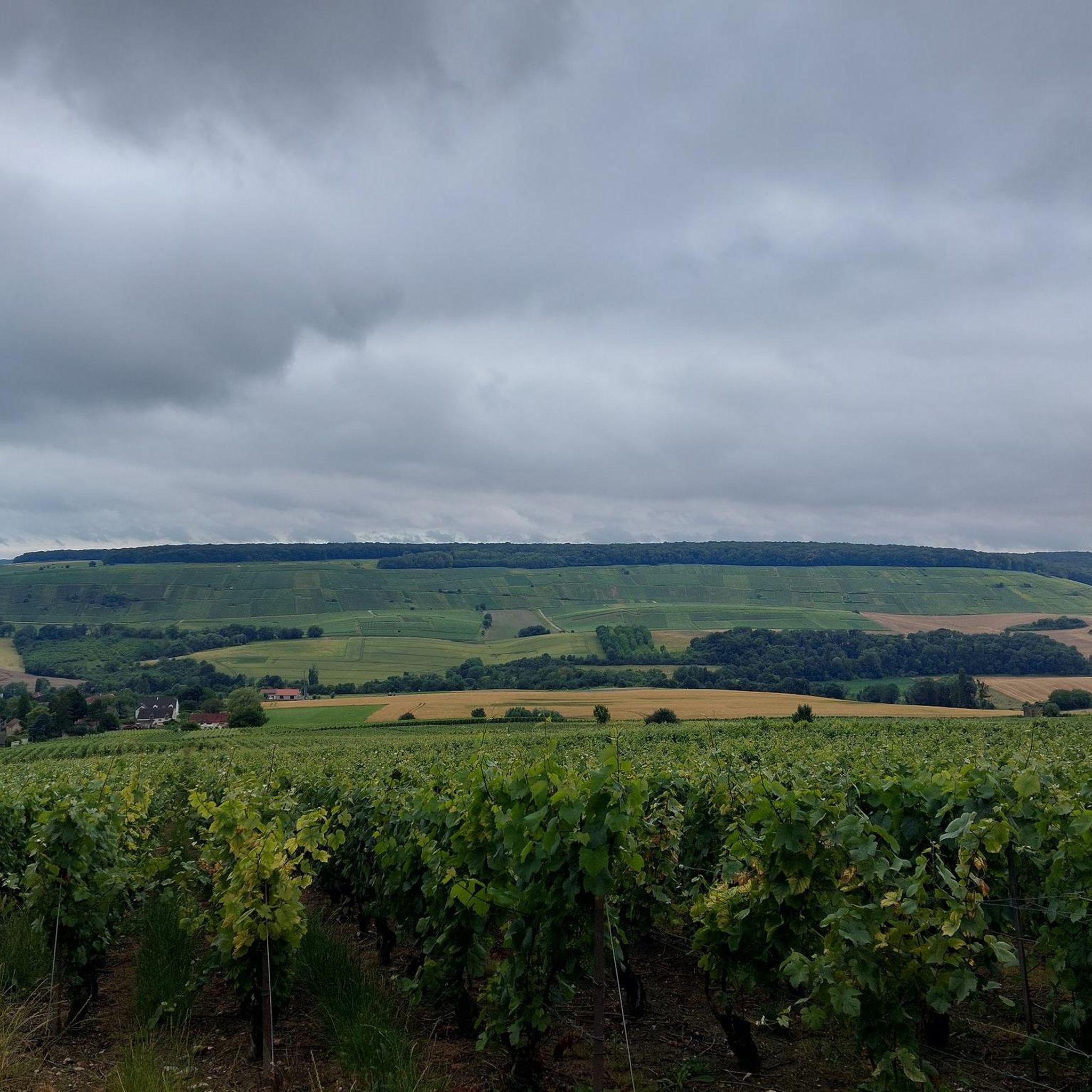
The view from the beautiful rest areas around the monument of Pabst Urban II over the Marne valley and the vineyards of Champagne is magnificent ☺️
2
0

very interesting to see absolutely!
0
0


Simply great 😊 please enjoy the view 😌
2
0
The pope known as Pope URBAN II was born here around the year 1035. The versions of his name that are circulating are Odon de Lagery, also: Eudes de Châtillon, Otton de Châtillon. He joined the Benedictine Order named after Benedict of Nursia (OSB for the Latin "Ordo Sancti Benedicti") and became prior of the very important Cluny Abbey. In the year of our Lord 1088 he was elected pope and took the name URBAN II. As the supreme shepherd of the Roman Catholic Church, he supported the Reconquista in Spain and the first crusade in support of Byzantium. His theological justification was based on the second chapter of the Old Testament book of Daniel, where a turning point is described. He died in 1099. His memorial day in the calendar of saints is July 29, the recorded date of his death.
2
1
Frequently Asked Questions
What historical sites can I explore around Ville-en-Tardenois?
The region is rich in history. You can visit the 12th-Century Church of Saint Laurent, a significant Romanesque monument with its original layout largely intact. Another poignant site is the Prieuré de Binson military cemetery, where over 2,500 soldiers from the 1918 spring offensive are buried, serving as a powerful memorial. Additionally, the Lagery Market Hall, a remarkable half-timbered building from 1543, offers a glimpse into the region's commercial past.
Are there natural parks or scenic areas for outdoor activities?
Absolutely. Ville-en-Tardenois is located within or very close to the expansive Montagne de Reims Regional Natural Park. This 'green lung' of the Champagne region features forests, hillsides, and valleys, offering numerous opportunities for walks and hikes. The Ardre Valley, within the park, is also known for its quiet river and surrounding vineyards, perfect for scenic strolls.
Where can I find unique geological or archaeological attractions?
For a truly unique experience, visit La Cave aux Coquillages. This cellar showcases a 55-million-year-old fossilized seabed with perfectly preserved shellfish from the Lutetian period. The broader Tardenois region is also historically significant for its 'Tardenoisien' microliths, ancient stone tools from the Mesolithic period, with evidence of human activity found around the area.
What kind of outdoor activities are available near Ville-en-Tardenois?
The area offers a variety of outdoor activities. You can explore numerous cycling routes, including those for touring bicycles, mountain biking, and road cycling. Many routes wind through the picturesque Champagne vineyards and natural landscapes.
Are there any family-friendly attractions in the area?
Yes, families can enjoy several spots. The 'Le Parc de la Petite source' (The Small Spring Park) is listed as a local curiosity and is suitable for children. Additionally, the unique experience of La Cave aux Coquillages, with its ancient fossilized seabed, can be fascinating for all ages. Climbing inside the Statue of Pope Urban II also offers a fun adventure with panoramic views.
Where can I find the best panoramic views?
For breathtaking panoramic views over the Marnetal, head to the Statue of Pope Urban II and viewpoint. This monument commemorates Pope Urban II, born in Châtillon-sur-Marne, and allows visitors to climb inside for a unique perspective of the surrounding landscape.
Can I visit Champagne vineyards and learn about winemaking?
Yes, being in the Marne department, the region around Ville-en-Tardenois is famous for its Champagne production. While specific producers in Ville-en-Tardenois itself are not detailed, the surrounding area offers ample opportunities to explore vineyards and learn about the winemaking process. Many cycling routes also pass through these scenic vineyard landscapes.
What are some lesser-known points of interest or 'hidden gems'?
Beyond the main attractions, you can discover charming local curiosities such as the old public Lavoir (wash house), which reflects the historical communal life of the village, and a small Oratoire. These offer a glimpse into the authentic, everyday history of the area.
What do visitors enjoy most about the attractions around Ville-en-Tardenois?
Visitors particularly appreciate the blend of historical significance and natural beauty. The panoramic views from the Statue of Pope Urban II are highly praised. The unique geological experience at La Cave aux Coquillages also leaves a lasting impression, as does the solemn history preserved at the Prieuré de Binson military cemetery.
Are there opportunities for hiking in the region?
Yes, the area around Ville-en-Tardenois offers various hiking opportunities, particularly within the Montagne de Reims Regional Natural Park. You can find trails that lead through the woods, such as a route to the Abbaye Notre-Dame d'Igny, providing a peaceful way to explore the diverse flora and fauna of the park.
What is the historical significance of Châtillon-sur-Marne?
Châtillon-sur-Marne is notable as the birthplace of Pope Urban II, commemorated by the colossal Statue of Pope Urban II and viewpoint. The village itself, Châtillon-sur-Marne, is unique for this 25-meter-high monument atop its old feudal mound, offering extensive views and a rich history dating back to an 11th-century castle church.
Most popular routes around Ville-En-Tardenois

Get inspired with the komoot mobile app


Explore more
Still not found the Highlight you’re looking for? See guides of the top attractions in other regions:
