The best road cycling routes around Focicchia
4.1
(28)
417
riders
15
rides
Road cycling routes around Focicchia offer access to Corsica's rugged interior, characterized by mountainous terrain, deep valleys, and quiet, paved secondary roads. The region features granite constructions and provides expansive panoramic views across the eastern plain and the Tavignano valley. Cyclists can navigate challenging ascents and descents through diverse landscapes, including olive groves and chestnut forests.
Best road cycling routes around Focicchia
- The most popular road cycling route is Fontaine - Fountain – Fantastic descent loop from Alando, a…
Last updated: May 5, 2026
4.9
(17)
205
riders
47.8km
02:29
870m
860m
Moderate road ride. Good fitness required. Mostly well-paved surfaces and easy to ride.
5.0
(1)
54
riders
78.8km
04:13
1,420m
1,420m
Hard road ride. Very good fitness required. Mostly well-paved surfaces and easy to ride.

Sign up for free
5.0
(2)
44
riders
62.3km
03:25
1,280m
1,280m
Hard road ride. Very good fitness required. Some segments of this route may be unpaved and difficult to ride.
11
riders
55.0km
03:23
1,440m
1,440m
Hard road ride. Very good fitness required. Mostly well-paved surfaces and easy to ride.
3.0
(2)
19
riders
18.6km
01:07
460m
460m
Moderate road ride. Good fitness required. Mostly well-paved surfaces and easy to ride.
Get access to more routes and recommendations from other explorers.
Sign up for free
Already have an account?
Our route recommendations are based on thousands of hikes, rides, and runs completed by other people on komoot.
Start today with a free account
Your next adventure awaits.
Login or Signup
Tips from the Community

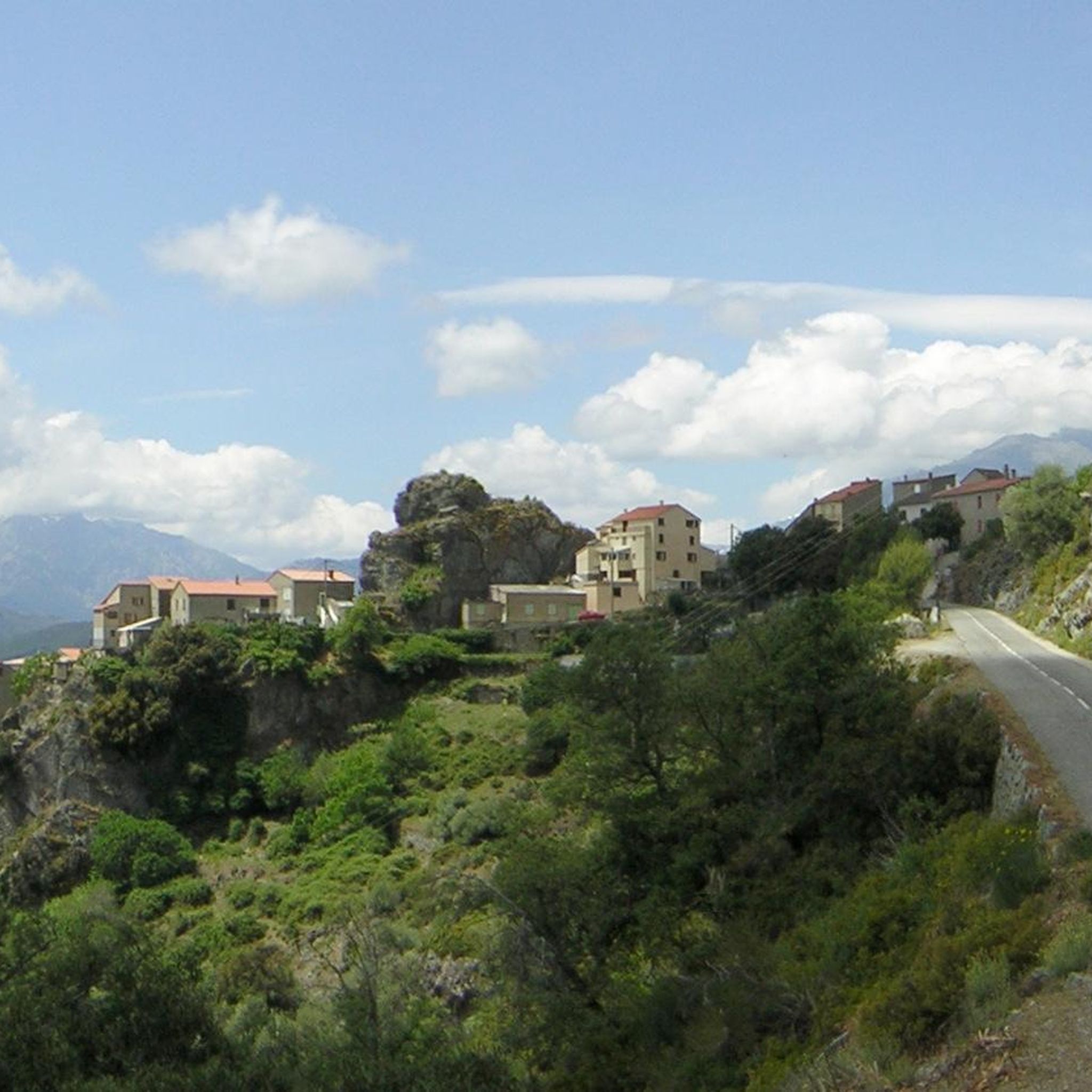
Beautiful route. Very quiet, only local traffic. Beautiful views. Fantastic descent after Bustanico with wide asphalt and gentle curves. 10 km of downhill riding at its finest.
0
0


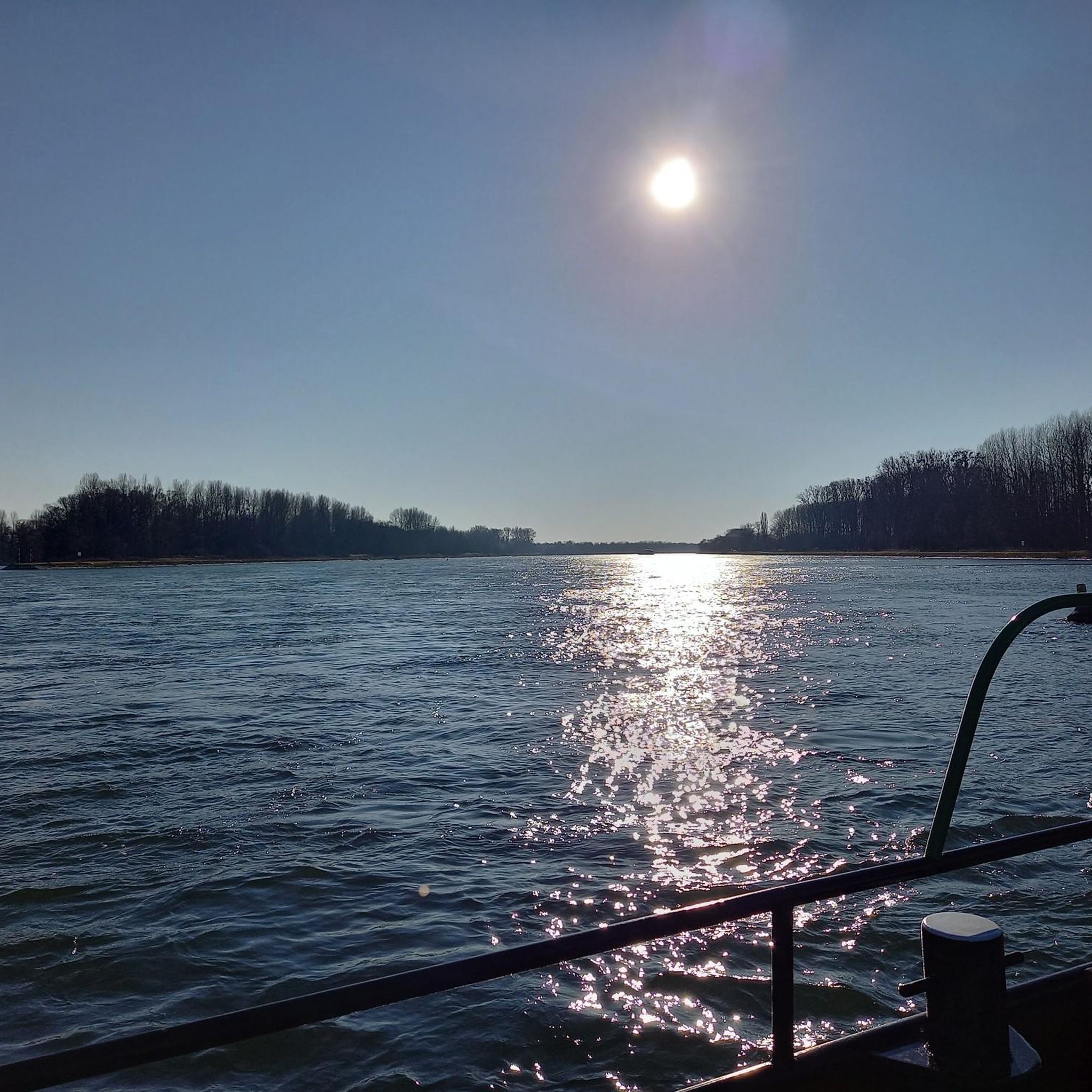
The Vecchio rises on the Monte d'Oro and is initially called Agnone. This river is best known for its Cascades des Anglais, which attract hundreds of tourists every day in high season. From the hamlet of Vizzavona onwards, the river is called Vecchio and you only meet very few people. Shortly after entering Canaglia, it joins the Manganello. Here the Vecchio valley becomes very lonely. On the right-hand side, far above the riverbed, the railway line winds its way along the hills, barely visible. You don't notice the busy T20, which lies behind the hills. You only see it when you get off at the Ponte Vecchio. High above us, it crosses the Vecchio valley on the new bridge. Later, the Vecchio flows into the Tavignano, which reaches the sea near Aléria.
1
0
On his way to England, Paoli was welcomed and honored throughout Europe as a freedom hero. He met, among others, Joseph II and Goethe, who later described this encounter in Poetry and Truth:[2] Paoli's life was marked by the struggle for the goal of a united Corsican nation. To this end, he entered into varying alliances with France and England and maintained contacts with Jean-Jacques Rousseau, Frederick the Great, Catherine II of Russia, the Pope, the young United States of America, the Turkish Sultan, and the Bey of Tunis.
1
0
Joseph was born Giuseppe Buonaparte in 1768 to the notary and landowner Carlo Buonaparte and Laetitia Ramolino in Corte, the capital of the Republic of Corsica. The young couple lived there in the house of Laetitia's uncle Arrighi di Casanova. The Republic of Genoa had sold the island to the Kingdom of France in the same year, but an uprising against the French had broken out under the leadership of Pasquale Paoli, in which Carlo Buonaparte took part on diplomatic missions and ultimately as captain of a company of partisans. After the uprising was crushed, however, he was amnestied, his property was returned and in 1771 he was even granted French nobility by Louis XV.
1
0
Joseph Bonaparte (7 January 1768 in Corte, Corsica; † 28 July 1844 in Florence), born as Giuseppe Buonaparte, was the eldest brother of Napoleon and was appointed by him first as Joseph I (Italian Giuseppe I) King of Naples (1806–1808) and then also as Joseph I (Spanish José I) King of Spain (1808–1813). After the fall of Napoleon, he called himself Comte de Survilliers.
1
1
Pasquale Paoli was born in 1725 in Stretta, in the municipality of Morosaglia, Corsica. His father, General Giacinto Paoli, was a kind of prime minister in the short-lived Kingdom of Corsica under King Theodore I of Corsica and, in 1739, went into exile in Naples with his youngest son, Pasquale. In 1755, Paoli returned to Corsica as a 30-year-old ensign in the King's Corsican Guard and, as commander at the head of the Corsican guerrillas, fought the Genoese. He succeeded in expelling them from the interior and entrenching them in a few port cities. In the same year, Paoli gave Corsica a democratic constitution and temporarily ruled Corsica. He named Corte its capital. Among other things, he was friends with the Buonaparte family, who fought with him against the Corsican enemy Marius Matra. Carlo di Buonaparte, Napoleon's father, collaborated on a Corsican constitution and became Paoli's right-hand man. When the Genoese ceded the island to France on May 15, 1768, pending redemption, Paoli fought the French. In 1768, the French, who had landed with 10,000 men, were forced to withdraw. A year later, however, 22,000 men landed under the command of the Comte de Vaux and defeated the Corsicans in the Battle of Ponte Novu on May 9, 1769. Paoli laid down his arms and chose exile. In 1790, the revolutionary National Assembly voted for the final annexation of Corsica to France.
1
0

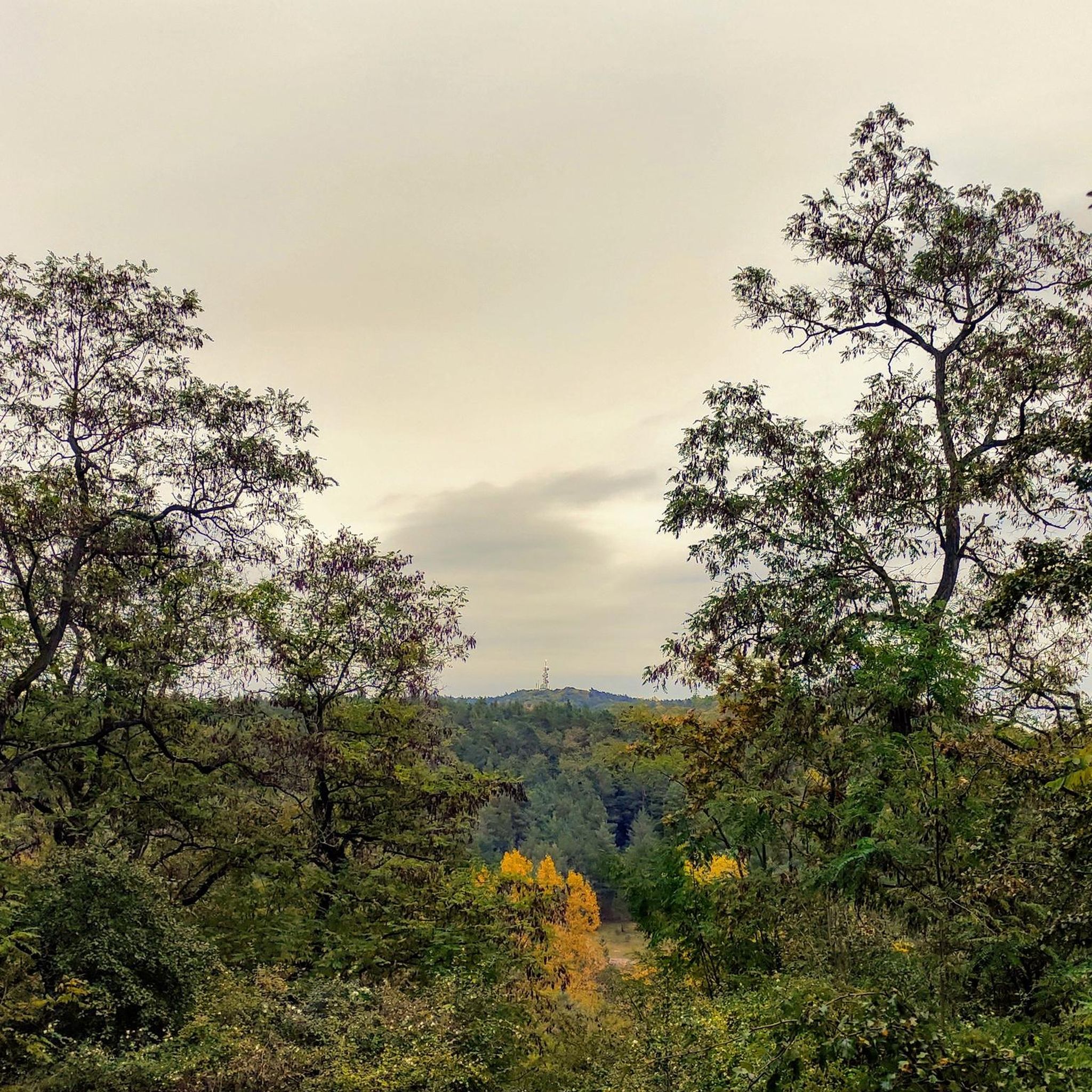
Very nice route in the forest, in the shade. A little more technical on the ridge with some passages in the rocks and downhill, a little slippery. Beautiful views.
1
0
Frequently Asked Questions
How many road cycling routes are available around Focicchia?
There are over 15 road cycling routes around Focicchia, offering a variety of experiences. These routes are highly rated by the komoot community, with an average score of 4.1 stars from over 25 reviews.
What is the typical terrain for road cycling in Focicchia?
Road cycling around Focicchia is characterized by mountainous terrain with significant elevation changes, winding through deep valleys, olive groves, and chestnut forests. You'll find quiet, paved secondary roads, offering both challenging ascents and rewarding descents. Corsica is known for its numerous cols, providing achievable challenges rather than excessively steep gradients.
Are there challenging road cycling routes in the Focicchia area?
Yes, Focicchia offers several challenging road cycling routes. For instance, the Nuceta Bridge – Altiani Bridge loop from Venaco is a difficult 48.9-mile (78.8 km) path with over 1400 meters of elevation gain, traversing mountainous terrain and offering panoramic views. Another challenging option is the Fontaine - Fountain – Nuceta Bridge loop from Caselle, a 35.9-mile (57.8 km) trail through varied mountainous landscapes.
Are there any moderate road cycling routes suitable for a good workout?
Absolutely. Focicchia has several moderate routes perfect for a good workout. The Fontaine - Fountain – Fantastic descent loop from Alando is a popular moderate route, covering 29.7 miles (47.8 km) with significant elevation changes and rewarding descents. Another moderate option is the Nuceta Bridge – Venaco loop from Venaco, a 25.2-mile (40.6 km) route with over 570 meters of ascent.
What kind of views and landmarks can I expect to see while cycling near Focicchia?
Focicchia's location provides immediate access to expansive panoramic views across the eastern plain and the Tavignano valley, with prominent peaks like Pointe Cervio (1189 m) and Pointe Alta (1055 m) often visible. You can also encounter charming mountain villages with traditional granite architecture and historic sites, such as the Romanesque San Biaggio in Focicchia. Along some routes, you might pass natural features like the Nuceta Bridge or the Vecchio River Swimming Spot.
Are there circular road bike loops available in Focicchia?
Yes, many of the road cycling routes around Focicchia are designed as loops, allowing you to start and finish in the same location. Examples include the Fontaine - Fountain – Fantastic descent loop from Alando and the Nuceta Bridge – Altiani Bridge loop from Venaco, which offer varied distances and difficulties.
What is the best time of year for road cycling in Focicchia?
Corsica, and by extension Focicchia, is renowned for its pleasant cycling conditions outside of the peak summer heat. Spring and autumn generally offer the most comfortable temperatures and beautiful scenery, with fewer crowds. Cyclists can ascend from sea level through olive groves and chestnut forests to high mountain passes, experiencing a unique blend of coastal and alpine environments.
Is Focicchia suitable for family-friendly road cycling?
While Focicchia's road cycling is primarily characterized by mountainous terrain and moderate to difficult routes, the region's quiet secondary roads can be appealing. For families or beginners, it's advisable to carefully review route profiles for elevation and distance to find the most suitable options, as there are no specifically designated 'easy' routes among the top selections.
Are there any mountain passes accessible by road bike near Focicchia?
Yes, Corsica boasts over 150 cols accessible by road bike, and the Focicchia region is no exception. You can find mountain passes like Towards Col d'Erbajo, San Gavinu Pass, and Perelli Pass, offering challenging climbs and rewarding views. These passes are integral to many of the region's scenic routes.
What are some natural attractions near Focicchia that can be combined with a cycling trip?
Focicchia is a gateway to impressive natural attractions. While some may require a detour or separate activity, the dramatic Gorges de la Restonica are approximately 21 km away and offer stunning scenery. Further into the mountains, Lac de Melo and Lac de Nino provide breathtaking backdrops. You might also encounter local wildlife, such as wild goats and pigs, on the remote roads.
What makes road cycling in Focicchia unique compared to other regions?
Road cycling in Focicchia, and Corsica in general, is unique due to its blend of challenging mountainous terrain, remarkably quiet secondary roads, and diverse landscapes ranging from olive groves to high mountain passes. The region offers a preserved natural environment as part of the NATURA 2000 network, providing a serene and immersive cycling experience with panoramic views and a rich tapestry of natural and cultural elements.
Most popular attractions around Focicchia

Get inspired with the komoot mobile app


Explore more
Browse the best Road cycling routes in other regions.
