The best MTB trails around Savonnières-Devant-Bar
4.0
(57)
151
riders
47
rides
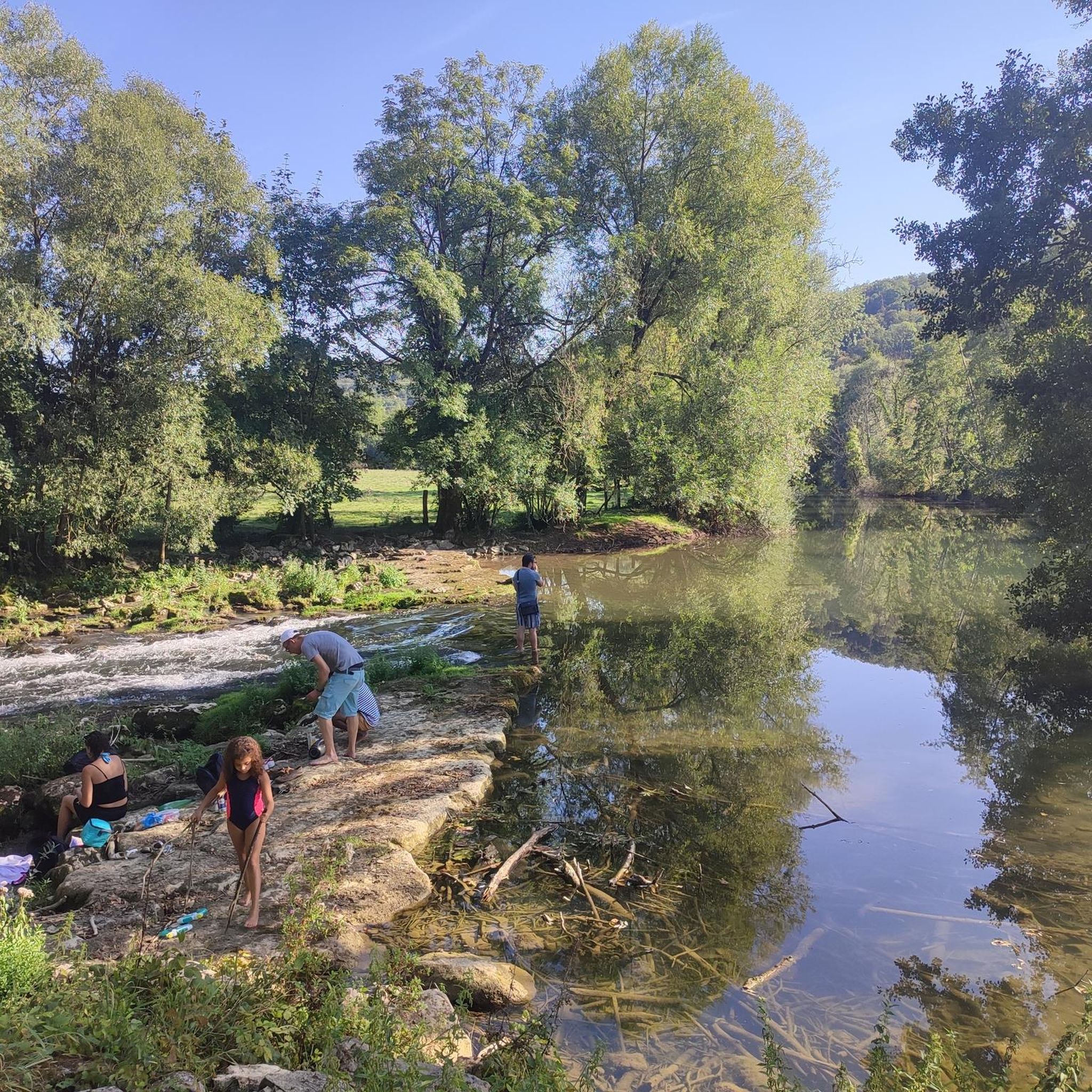
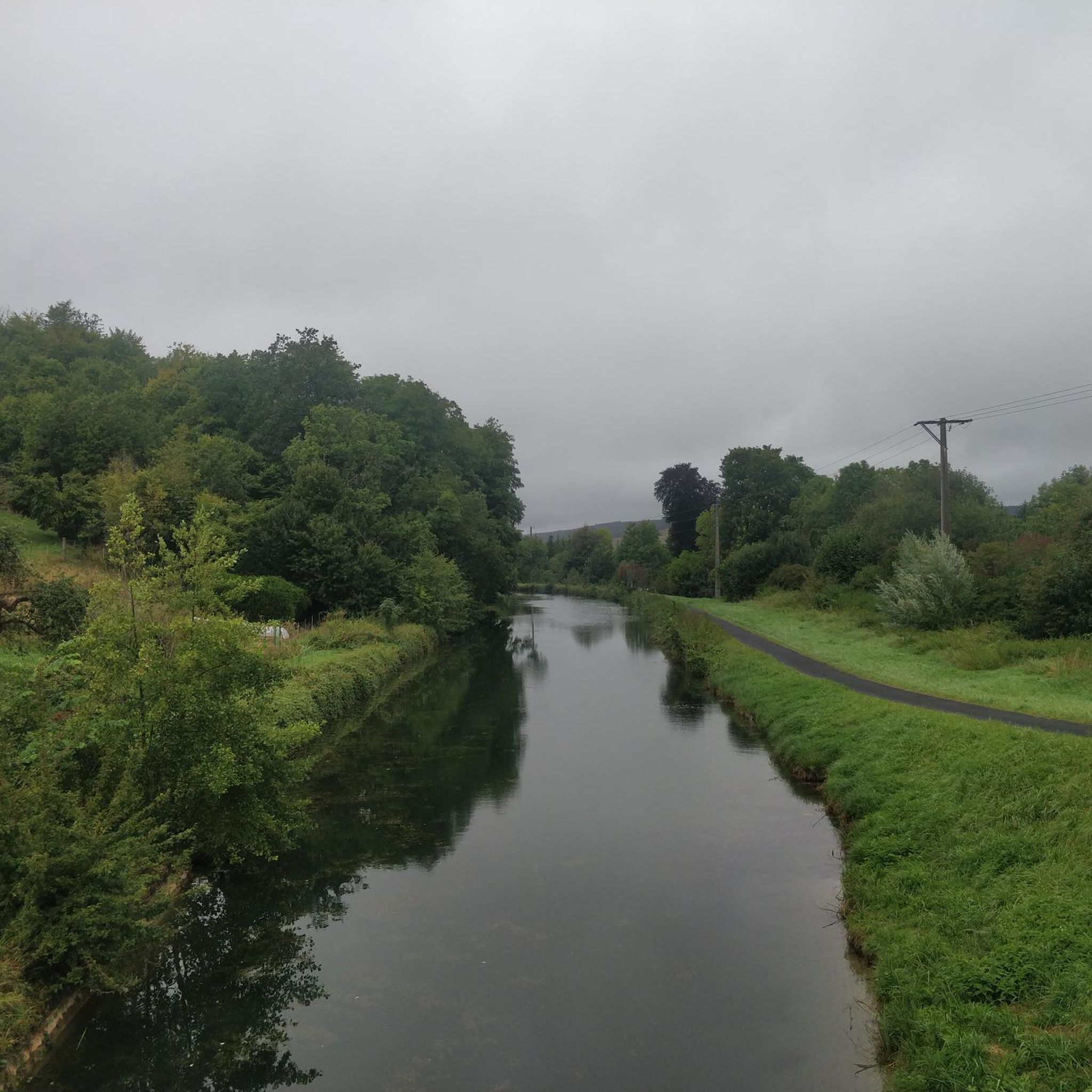
Mountain biking around Savonnières-Devant-Bar, a commune in the Meuse department of France's Grand Est region, offers access to an extensive network of trails. The landscape is characterized by rural environments, forests, and valleys, providing varied terrain for cycling. While not a dedicated bike park, the area's marked paths are suitable for mountain biking, allowing exploration of the natural surroundings. This region provides opportunities for cross-country mountain biking within its existing trail system.
Best mountain bike trails around Savonnières-Devant-Bar
- The most…
Last updated: July 9, 2026
4.2
(14)
20
riders
37.2km
03:00
350m
350m
Moderate mountain bike ride. Good fitness required. Suitable for all skill levels.
4.0
(3)
16
riders
33.1km
03:00
660m
660m
Moderate mountain bike ride. Good fitness required. Suitable for all skill levels.

Sign up for free
3.0
(1)
9
riders
40.1km
03:14
390m
390m
Moderate mountain bike ride. Good fitness required. Suitable for all skill levels.
5.0
(1)
9
riders
35.7km
02:52
410m
410m
Moderate mountain bike ride. Good fitness required. Suitable for all skill levels.
6
riders
45.4km
03:45
510m
510m
Moderate mountain bike ride. Good fitness required. Suitable for all skill levels.
Get access to more routes and recommendations from other explorers.
Sign up for free
Already have an account?
Our route recommendations are based on thousands of hikes, rides, and runs completed by other people on komoot.
Start today with a free account
Your next adventure awaits.
Login or Signup



Tips from the Community

A beautiful church and definitely worth a visit.
1
1

The monument commemorates to Pierre and Ernest Michaux, the inventors of the velocipede.
1
0


This ancient collegiate church in Gothic style, with some characteristic Renaissance elements, was built between 1315 and 1630. It houses two important works by the Lorraine sculptor Ligier Richier: Christ on the Cross between the Two Thieves and "Le Transi de René de Chalon," depicting the Prince of Orange as a skeleton. It was classified as a historic monument in 1889.
2
0
The church of Saint-Jean, in Bar-le-Duc, is a neo-Byzantine style building with references to the neo-Romanesque style. It was built in two phases, between the 19th and 20th centuries. Since the mid-19th century, the parish of Notre-Dame had an "annex" in the Brasseries district. The idea of transforming it into a church came in 1869. The following year the project was entrusted to the architect Charles Demoget. The result, a neo-Gothic building, was controversial and Demoget was removed from office, making way for Ernest Birglin who designed a new building in neo-Byzantine style. But it was only in 1875, after the creation of a fourth parish under the name of Saint-Jean, that construction of the church began. The first phase of the works lasted until 1880, but only the apse, the choir and the transept were erected. In 1933 the architect Royer opened the second phase of work, with the construction of the nave which lasted until 1939. The façade, however, remained partially unfinished.
2
0

Built from 1903 to 1905 by the Varin-Bernier banking family, the castle, whose exterior architecture and interior decoration mix all styles, represents an example of the historicism and eclecticism in vogue at that time. The building is surrounded by an English-style park.
1
0

The Château de Ville-sur-Saulx is a Renaissance castle built in 1550 by Gilles de Trèves. The castle is surrounded by a beautiful English garden and a cast iron bridge over the Saulx. You can explore the park and admire the architecture of the castle, which is listed in the inventory of historical monuments. You can also learn about the life and work of Paul Claudel, a famous French playwright who wrote one of his greatest plays, "Le Partage de Midi", at the castle. The Château de Ville-sur-Saulx is an ideal destination for history and nature lovers.
3
0

When Saint Stephen (Saint-ETIENNE) expressed his vision of the open heaven "But he, filled with the Holy Spirit, looked up into heaven and saw the glory of God and Jesus standing at the right hand of God" (Acts chapter 7 verse 55), people were outraged people care so much about it that they drove him out of town and stoned him. The memorial of Saint Stephen or Stephen, one of the seven first deacons of the early Jerusalem community, is on Boxing Day.
8
0
Frequently Asked Questions
How many mountain bike trails are available around Savonnières-Devant-Bar?
There are over 50 mountain bike trails around Savonnières-Devant-Bar, offering a wide range of options for exploring the region's rural environments, forests, and river valleys.
What are the typical difficulty levels for mountain biking in this area?
The mountain bike trails around Savonnières-Devant-Bar primarily range from easy to moderate difficulty. There are 21 easy routes and 32 moderate routes, making the area accessible for various skill levels. There are no difficult trails listed in this guide.
Are there any circular mountain bike routes in Savonnières-Devant-Bar?
Yes, many of the trails are designed as loops. For example, you can try The Ornain – Marbeaumont Castle loop from Bar-le-Duc, which is a moderate 37.2 km route, or the longer La Saulx – Marbeaumont Castle loop from Bar-le-Duc, covering 45.3 km.
What kind of landscapes can I expect to see while mountain biking here?
The region around Savonnières-Devant-Bar is characterized by rural environments, dense woodlands, and river valleys, particularly along the Ornain river. You'll experience picturesque natural scenery typical of the Meuse department in the Grand Est region.
What do other mountain bikers say about the trails in Savonnières-Devant-Bar?
The komoot community highly rates the mountain bike trails around Savonnières-Devant-Bar, with an average score of 4.2 stars from over 40 reviews. Riders often praise the varied terrain and the opportunity to explore the natural surroundings.
Are there any notable landmarks or attractions along the mountain bike routes?
Yes, some routes pass by interesting sites. For instance, The Ornain – Marbeaumont Castle loop from Bar-le-Duc takes you past Marbeaumont Castle. The nearby town of Bar-le-Duc also offers attractions like the Upper Town Renaissance Quarter and Saint-Jean Church.
How long do mountain bike trails typically take to complete?
Trail durations vary depending on distance and difficulty. For example, the moderate The Ornain – Marbeaumont Castle loop from Bar-le-Duc (37.2 km) typically takes around 3 hours, while the longer Bridge over the Ornain – 27 km tour loop from Bar-le-Duc (41.1 km) can take about 3 hours and 17 minutes.
Is Savonnières-Devant-Bar suitable for family-friendly mountain biking?
Given the presence of 21 easy routes and the generally moderate terrain, Savonnières-Devant-Bar offers good opportunities for family-friendly mountain biking, especially for those looking for less challenging paths through natural settings.
What is the best time of year to go mountain biking in Savonnières-Devant-Bar?
The region's extensive network of trails within natural landscapes suggests that spring and autumn would be ideal for mountain biking, offering pleasant temperatures and vibrant scenery. Summer can also be enjoyable, though it might be warmer, and winter conditions could make some trails less accessible.
Are there options for longer mountain bike tours in the area?
Yes, if you're looking for longer rides, routes like Bridge over the Ornain – 27 km tour loop from Bar-le-Duc (41.1 km) or La Saulx – Marbeaumont Castle loop from Bar-le-Duc (45.3 km) provide extended exploration opportunities through the region's forests and river valleys.
Where can I find parking for mountain bike trails near Savonnières-Devant-Bar?
While specific parking areas for individual trailheads are not detailed, many routes start from Bar-le-Duc, a larger commune nearby. It is advisable to check parking availability in Bar-le-Duc or other local villages when planning your ride.
Can I reach the mountain bike trails using public transport?
Savonnières-Devant-Bar is a commune in the Meuse department. While direct public transport to specific trailheads might be limited, Bar-le-Duc, a larger town nearby, likely serves as a public transport hub. From there, you might need to cycle or arrange local transport to reach the starting points of the trails.
Most popular routes around Savonnières-Devant-Bar
Most popular attractions around Savonnières-Devant-Bar

Get inspired with the komoot mobile app


Explore more
Browse the best MTB trails in other regions.
