The best mountain hikes in the Pindus Mountains
5.0
(14)
48
hikers
8
hikes
Mountaineering in the Pindus Mountains, often called the "spine of Greece," offers diverse terrain characterized by towering peaks, deep canyons, and extensive forests. This region features rugged alpine landscapes, high peaks exceeding 2,000 meters, and pristine natural environments. Glacial lakes like Drakolimni and significant rivers such as the Voidomatis add to the varied topography. The Pindus Mountains provide a range of experiences, from challenging ascents to moderate trails through traditional villages.
Best mountaineering routes in the Pindus Mountains
- The most…
Last updated: July 11, 2026
5.0
(2)
8
hikers
16.3km
07:19
1,200m
1,200m
Hard mountaineering route. Very good fitness required. Sure-footedness, sturdy shoes and alpine experience required.
5.0
(3)
10
hikers
8.14km
02:32
310m
310m
Moderate mountaineering route. Good fitness required. Easily-accessible paths. Suitable for all skill levels.

Sign up for free
5.0
(1)
6
hikers
11.6km
03:44
470m
470m
Moderate mountaineering route. Good fitness required. Easily-accessible paths. Suitable for all skill levels.
6
hikers
12.0km
03:55
500m
500m
Hard mountaineering route. Good fitness required. Sure-footedness, sturdy shoes and alpine experience required.
5
hikers
9.84km
03:37
530m
530m
Hard mountaineering route. Good fitness required. Sure-footedness, sturdy shoes and alpine experience required.
5.0
(4)
4
hikers
9.81km
03:11
380m
380m
Moderate mountaineering route. Good fitness required. Mostly accessible paths. Sure-footedness required.
5.0
(3)
5
hikers
10.5km
03:54
660m
660m
Moderate mountaineering route. Good fitness required. Easily-accessible paths. Suitable for all skill levels.
5.0
(1)
4
hikers
12.4km
04:05
530m
530m
Hard mountaineering route. Good fitness required. Sure-footedness, sturdy shoes and alpine experience required.
Our route recommendations are based on thousands of hikes, rides, and runs completed by other people on komoot.
Start today with a free account
Your next adventure awaits.
Login or Signup
Popular around Pindus Mountains


Tips from the Community

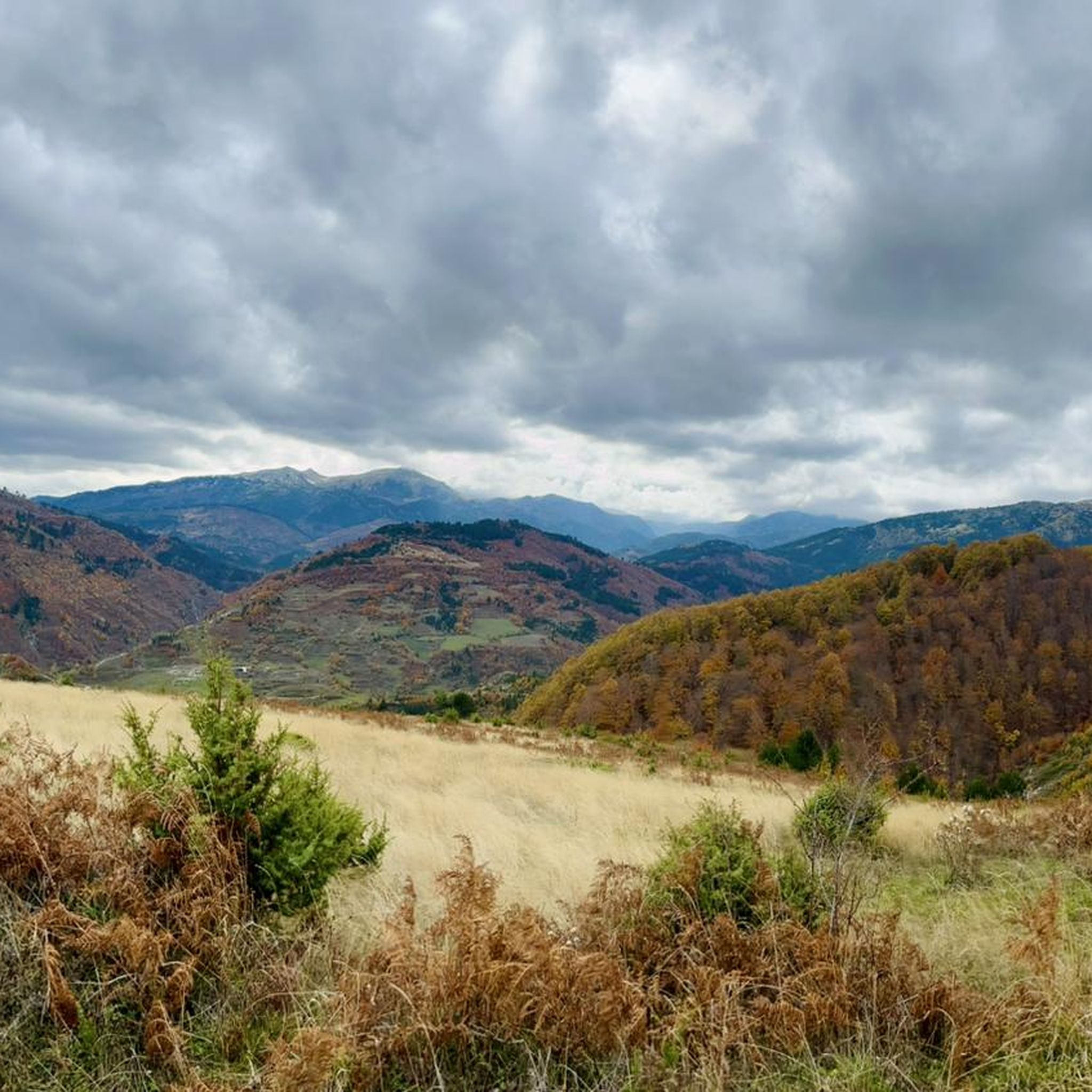
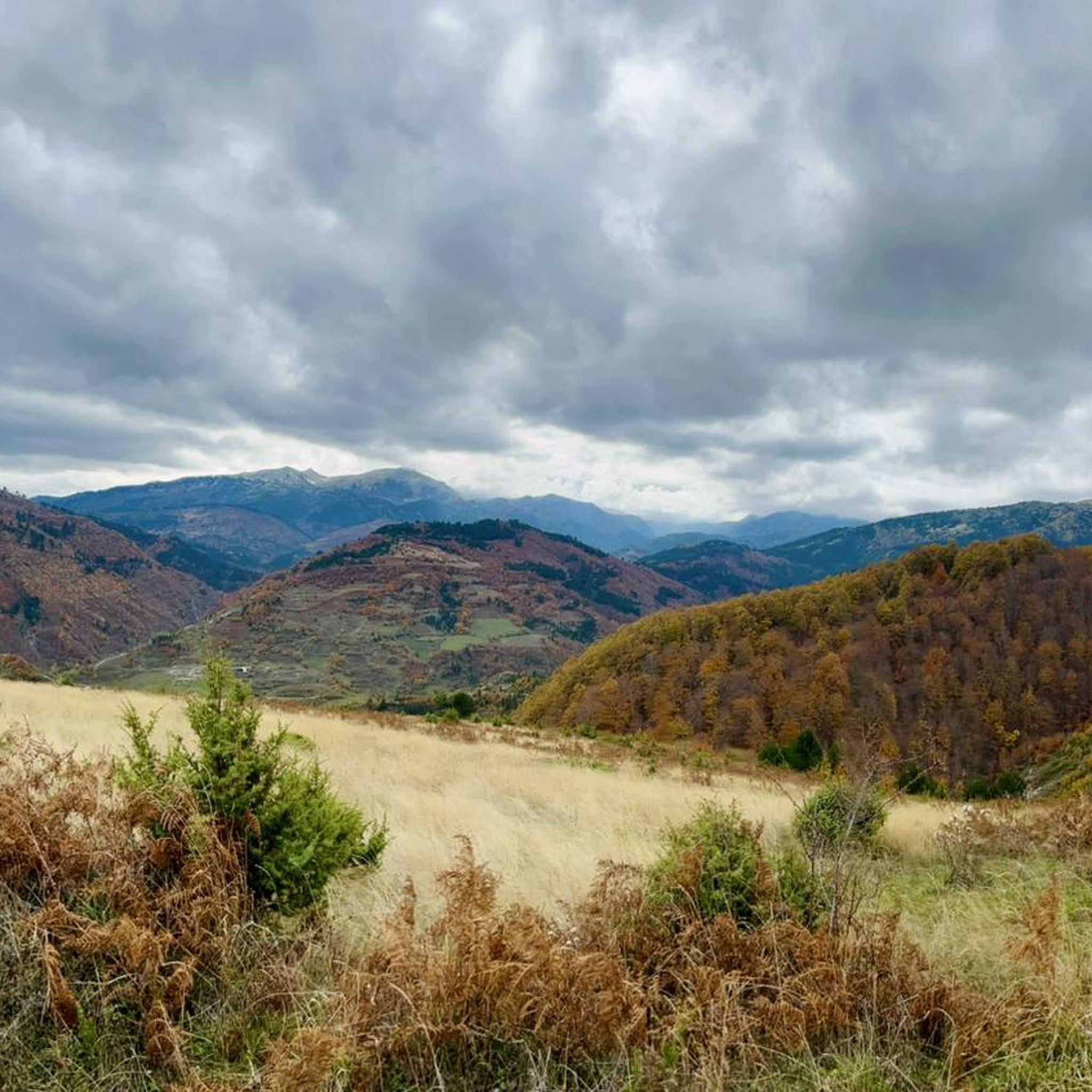
The river was not present, so you could switch from left to right, as the hiking trail runs sometimes here and sometimes there. We didn't recognize the crossings, only where it didn't continue on one side... Buying in the riverbed the whole time is tough. The green lagoon is wonderful.
0
0
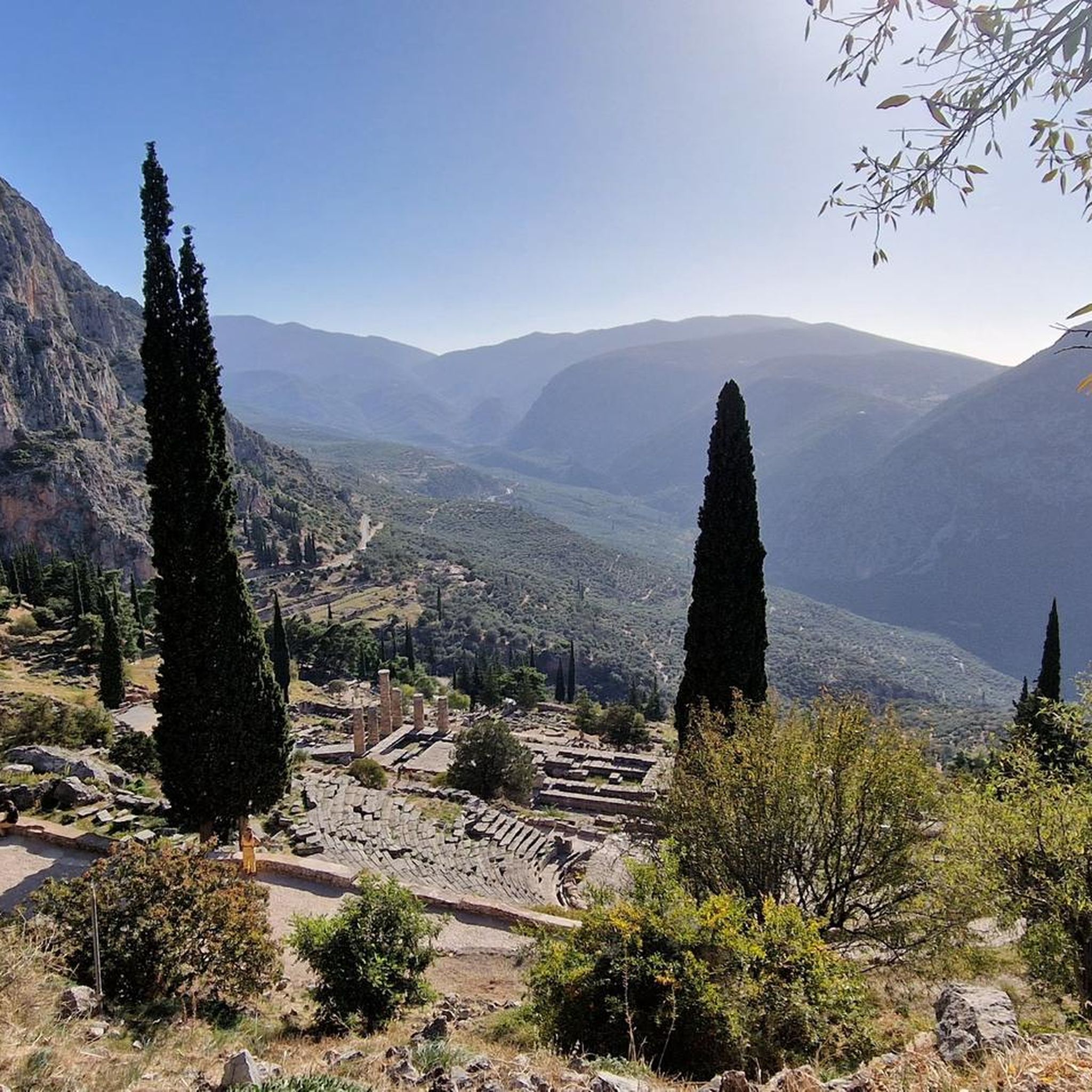
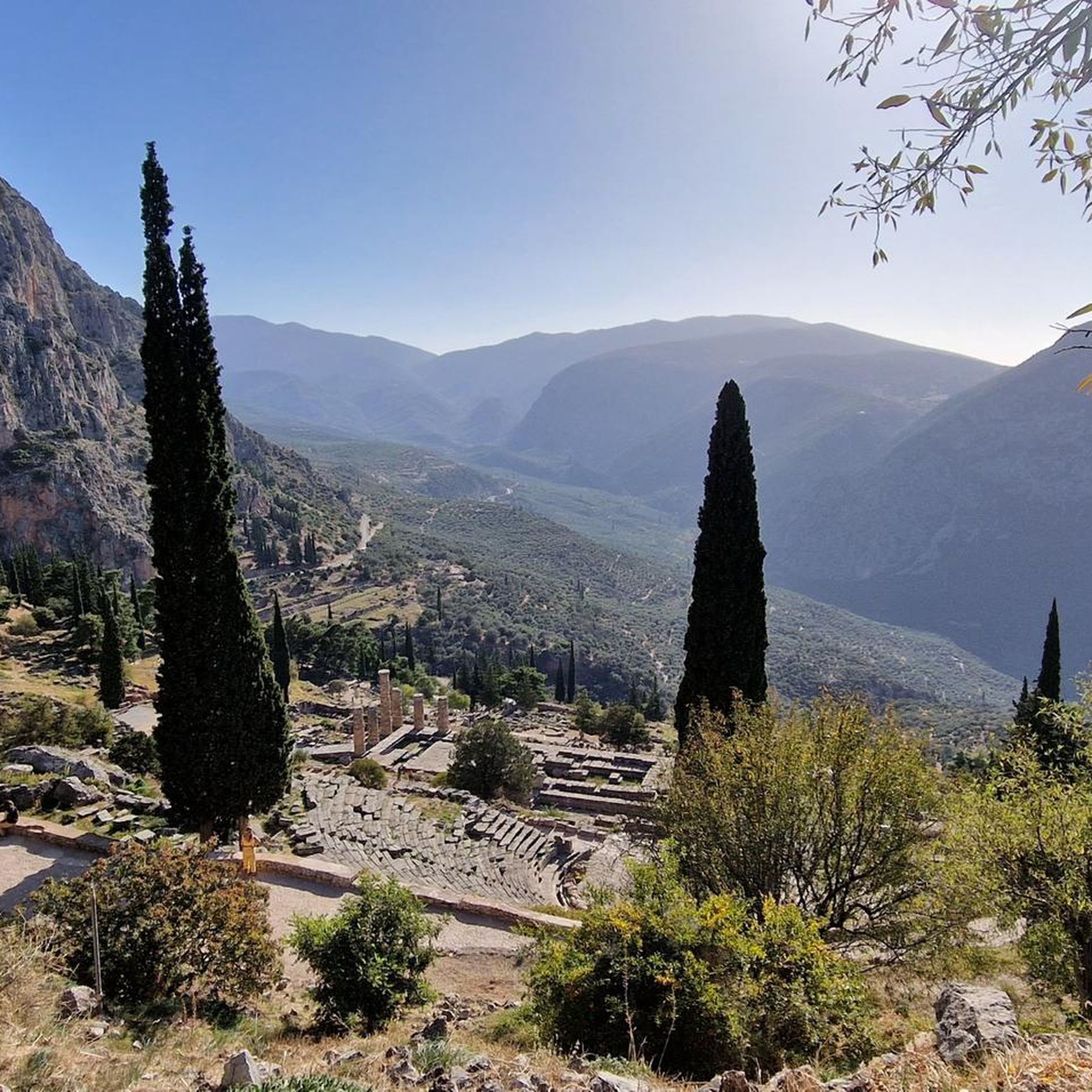
Visiting the Kokoros Bridge and the Plakida Bridge is possible without major effort, even for the inexperienced. On this path along a little-trafficked road, you have the opportunity to look at the flanks of the Vikos Gorge. Along the way, there are beautiful views of the Zagori villages. This short hike can be started from the parking lots located on either side.
0
0


East of the Pindus Mountains, mighty sandstone cliffs rise to a height of approximately 500 meters. 24 monasteries were once built on their summits. Monks and nuns still live in six of them today. These monasteries are now UNESCO World Heritage sites and are often referred to as "floating monasteries" because they appear almost suspended in fog or low clouds.
1
0
East of the Pindus Mountains, mighty sandstone cliffs rise to a height of approximately 500 meters. 24 monasteries were once built on their summits. Monks and nuns still live in six of them today. These monasteries are now UNESCO World Heritage sites and are often referred to as "floating monasteries" because they appear almost suspended in fog or low clouds.
1
0
East of the Pindus Mountains, mighty sandstone cliffs rise to a height of approximately 500 meters. 24 monasteries were once built on their summits. Monks and nuns still live in six of them today. These monasteries are now UNESCO World Heritage sites and are often referred to as "floating monasteries" because they appear almost suspended in fog or low clouds.
1
0
East of the Pindus Mountains, mighty sandstone cliffs rise to a height of approximately 500 meters. 24 monasteries were once built on their summits. Monks and nuns still live in six of them today. These monasteries are now UNESCO World Heritage sites and are often referred to as "floating monasteries" because they appear almost suspended in fog or low clouds.
2
0
East of the Pindus Mountains, mighty sandstone cliffs rise to a height of approximately 500 meters. 24 monasteries were once built on their summits. Monks and nuns still live in six of them today. These monasteries are now UNESCO World Heritage sites and are often referred to as "floating monasteries" because they appear almost suspended in fog or low clouds.
2
0
Frequently Asked Questions
What kind of mountaineering routes can I expect in the Pindus Mountains?
The Pindus Mountains, often called the "spine of Greece," offer a diverse range of mountaineering experiences. You'll find routes characterized by towering peaks, deep canyons, and extensive forests. The region features rugged alpine landscapes, high peaks exceeding 2,000 meters, and pristine natural environments, including glacial lakes and significant rivers like the Voidomatis. Options range from challenging ascents in alpine terrain to moderate paths through traditional villages.
Are there routes suitable for beginners or those looking for a moderate challenge?
Yes, while some routes are quite challenging, there are also several moderate mountaineering paths. For example, the Kri Kri Café, Vradeto – Vradeto Stairs loop from Καπέσοβο is a moderate 7.1-mile (11.5 km) path that explores traditional Zagori villages and features the historic Vradeto Stairs. Another moderate option is the Katarrytes Village Square loop from Συρράκο, offering a scenic 6.2-mile (9.9 km) journey.
What natural features and landmarks can I explore while mountaineering in the Pindus Mountains?
The Pindus Mountains are rich in natural beauty and cultural landmarks. You can explore the dramatic Vikos Gorge, often considered one of the deepest in the world, or visit the stunning glacial Drakolimni of Tymfi, known for its alpine setting. The region also features extensive forests, the crystal-clear Voidomatis River, and traditional stone-built villages like those in Zagori, connected by historic arched stone bridges such as the Kalogeriko (Plakidas) Bridge.
Are there any notable lakes or caves to visit in the Pindus Mountains?
Absolutely. The Pindus Mountains are home to several beautiful lakes, including the famous glacial Drakolimni of Tymfi and Dragon Lake of Tymfi, both found at high altitudes. For caves, you might consider visiting the Perama Cave, Ioannina, or the Cave in Pindus National Park. The Kipina Monastery, built into a cliff face, also offers a unique cave-like experience.
What do other mountaineers say about the Pindus Mountains routes?
The mountaineering routes in the Pindus Mountains are highly rated by the komoot community, with an average score of 5.0 stars from over 10 reviews. More than 50 mountaineers have used komoot to explore the region's varied terrain, often praising the dramatic landscapes, the challenge of the ascents, and the beauty of the traditional villages and natural features like the Vikos Gorge and Drakolimni lakes.
Are there any circular mountaineering routes in the Pindus Mountains?
Yes, many routes in the Pindus Mountains are designed as loops, allowing you to start and end in the same location. A challenging example is the Mikro Papigo Village – Astraka–Papigo Hiking Path loop from Πάπιγκο, which is 8.8 miles (14.1 km) long. For a moderate option, consider the Vikos Stone Stairway – Misios Bridge loop from Μονοδένδρι, a 6.1-mile (9.8 km) trail through the dramatic Vikos Gorge.
What is the best season for mountaineering in the Pindus Mountains?
The Pindus Mountains offer diverse experiences throughout the year. For general mountaineering and hiking, late spring (May-June) and early autumn (September-October) are often ideal, with pleasant temperatures and stable weather. Summer (July-August) is also popular, especially for higher altitude routes, though it can be hot in lower elevations. Winter mountaineering is possible but requires specialized gear and experience due to snow and ice conditions.
Are there any multi-day mountaineering options in the Pindus Mountains?
Yes, the Pindus Mountains are well-suited for multi-day expeditions. The Pindus Trail, for instance, is a long-distance hiking route that typically takes 5 to 10 days to complete, weaving through the Vikos–Aoös National Park and offering spectacular, remote landscapes. For experienced mountaineers, challenging 2-day treks to peaks like Tymphristos are also available.
Can I find accommodation and places to eat in the villages near the mountaineering routes?
Yes, the Pindus Mountains region, particularly the Zagorohoria, is known for its traditional stone-built villages like Papingo, Monodendri, and Kipi. These villages offer various accommodation options, from guesthouses to small hotels, and typically have cafes, tavernas, and restaurants where you can enjoy local cuisine after your mountaineering adventures.
What are some of the highest peaks in the Pindus Mountains?
The Pindus Mountains are home to several impressive peaks. Mount Smolikas, standing at 2,637 meters, is the highest peak in the Pindus range and the second highest in Greece. Mount Tymfi, at 2,497 meters, dominates the Aoos part of the Vikos–Aoös National Park. Tymphristos Peak, over 2,400 meters, also offers expansive panoramic views within Valia Kalda National Park.
Are there any specific rules or considerations for dog-friendly trails in the Pindus Mountains?
While many trails in the Pindus Mountains are generally accessible, it's crucial to be aware of regulations within national parks like Pindus National Park (Valia Kalda) and Vikos–Aoös National Park. These parks are critical habitats for rare wildlife, including brown bears and wolves. Always keep dogs on a leash, especially in protected areas, and ensure they do not disturb wildlife. Check specific park guidelines or local signage for any restrictions on pets before you go.
How accessible are the trailheads by public transport or car parking?
Access to trailheads in the Pindus Mountains can vary. While some popular villages like Papingo or Monodendri may have limited public transport connections, a car is generally recommended for flexibility in reaching various starting points. Parking is often available in or near the traditional villages that serve as gateways to the trails. It's advisable to research specific trailhead access and parking availability for your chosen route in advance.
Most popular routes in the Pindus Mountains
Most popular attractions in the Pindus Mountains

Get inspired with the komoot mobile app


