The best walks and hikes around Hesse
4.5
(818)
5,061
hikers
249
hikes
Hiking around Hesse offers diverse natural landscapes, characterized by low mountain ranges, dense forests, and unique geological formations. The region includes areas like the Taunus, Westerwald, Rhön, and Odenwald, providing varied terrain from rolling hills to volcanic plateaus. Extensive networks of marked trails cater to different hiking preferences, showcasing the state's natural beauty and preserved environments.
Best hiking trails around Hesse
- The most popular hiking route is Bridge over the Saar – Stadtweiher Sarrebourg loop from Sarrebourg, a 3.1…
Last updated: June 29, 2026
5.0
(2)
52
hikers
4.72km
01:11
10m
10m
Easy hike. Great for any fitness level. Easily-accessible paths. Suitable for all skill levels.
4.6
(5)
10
hikers
8.03km
02:17
180m
180m
Moderate hike. Good fitness required. Easily-accessible paths. Suitable for all skill levels.

Sign up for free
5.0
(3)
20
hikers
8.08km
02:10
100m
100m
Moderate hike. Good fitness required. Easily-accessible paths. Suitable for all skill levels.
5.0
(1)
16
hikers
4.61km
01:11
10m
10m
Easy hike. Great for any fitness level. Easily-accessible paths. Suitable for all skill levels.
4.0
(1)
13
hikers
Moderate hike. Good fitness required. Easily-accessible paths. Suitable for all skill levels.
Get access to more routes and recommendations from other explorers.
Sign up for free
Already have an account?
Our route recommendations are based on thousands of hikes, rides, and runs completed by other people on komoot.
Start today with a free account
Your next adventure awaits.
Login or Signup
Tips from the Community

Nice small footbridge to the tiny island
3
0
Beautifully landscaped and large lake in a small park landscape. Can be circled in about 20 minutes. Some bathing spots and also a small landing stage for boats. Pretty.
7
0

The former monastery is now a hotel that is also suitable for cycling tourists.
0
0

The Sarrebourg water and swimming area, formerly known as L’étang Lévêque (or Lévêque Pond), changed its name in 1984 and became the municipal pond. A change that was made in 1984, when the town hall bought the land that now serves as a recreational area from a private company. The loop walk around the pond is worth it.
0
0

Also called: Rocher de Basse Frantz. A legend states that one evening when its driver had fallen asleep, a team of oxen got lost in the heights of Abreschviller, ending up falling from the top of the rock.
3
0

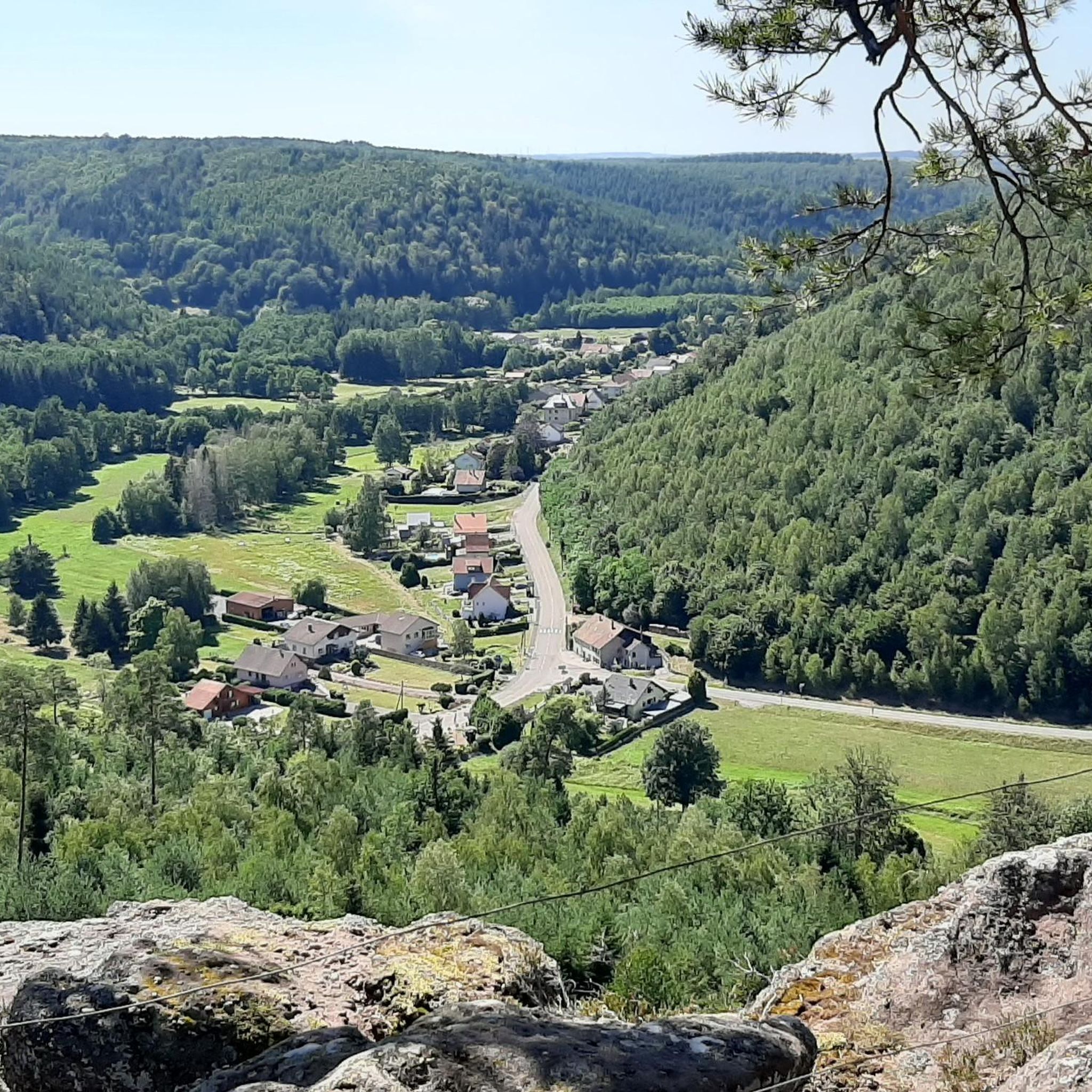
A nice view of Abreschwiller and a nice place to rest
1
0

Ideal for swimming. Free admission. The pond is fed by the Red Saar.
3
0

Frequently Asked Questions
How many hiking trails are available in Hesse?
Hesse offers a vast network of hiking opportunities, with over 240 routes documented on komoot. These trails cater to all levels, from easy strolls to challenging ascents, ensuring there's something for every hiker.
What kind of landscapes can I expect to see while hiking in Hesse?
Hesse boasts incredibly diverse landscapes. You can explore the rolling hills and dense forests of the Taunus Mountains, the volcanic plateaus of the Rhön with their 'endless horizons,' or the ancient beech forests of the Kellerwald-Edersee National Park. Other regions like the Westerwald and Odenwald offer varied terrain, from wild gorges to unique geological formations like the Felsenmeer (Sea of Stones).
Are there easy hiking trails suitable for beginners or families with children in Hesse?
Yes, Hesse has numerous easy trails perfect for beginners and families. Many regions, such as the gentler slopes of the Taunus and parts of the Odenwald, offer well-maintained paths with minimal elevation gain. The komoot community has rated over 110 easy routes in Hesse, making it simple to find a suitable option for a relaxed outing.
Where can I find challenging hikes for experienced hikers in Hesse?
For experienced hikers seeking a challenge, Hesse's low mountain ranges provide excellent options. The Hochrhöner Trail in the Rhön, for instance, traverses Hesse's highest mountain, the Wasserkuppe. The Taunus Ridge Trail offers demanding sections with significant elevation changes and panoramic views. There are over 30 difficult routes recorded on komoot for those looking for a strenuous adventure.
Are there any circular hiking routes in Hesse?
Many of Hesse's trails are designed as circular routes, allowing you to start and end at the same point. Popular examples include sections of the Taunus Höhenweg or the Spessartbogen, which winds through quiet forests and offers sweeping views. These routes are ideal for day trips, often incorporating cultural sites or scenic viewpoints.
What are some notable natural attractions or landmarks to look out for on hikes in Hesse?
Hesse is rich in natural and historical landmarks. In the Taunus, you can visit the Großer Feldberg, the highest peak, or explore the reconstructed Roman fort of Saalburg along the Limes. The Rhön Mountains are famous for their unique volcanic landscapes and the Red and Black Moors. The Odenwald features the impressive Felsenmeer (Sea of Stones), while the Kellerwald-Edersee National Park is home to ancient beech forests and views of Lake Edersee.
What do other hikers enjoy most about hiking in Hesse?
The komoot community highly rates hiking in Hesse, with an average score of 4.5 stars from over 770 reviews. Hikers often praise the region's diverse natural beauty, the extensive and well-marked trail networks, and the variety of experiences, from tranquil forest walks to panoramic mountain views. The blend of nature and historical sites is also frequently highlighted.
Is Hesse suitable for dog-friendly hiking?
Yes, Hesse is generally very dog-friendly for hiking. Many trails through forests and open landscapes are perfect for walks with your canine companion. Always remember to keep your dog on a leash where required, especially in nature reserves or near livestock, and to carry water for both yourself and your pet. Check local regulations for specific areas.
Are there opportunities for winter hiking in Hesse?
Hesse offers beautiful scenery for winter hiking, especially in its low mountain ranges. Areas like the Taunus, Rhön (particularly around the Wasserkuppe), and Vogelsberg transform into picturesque winter landscapes. While some trails may be used for cross-country skiing, many remain accessible for winter walks, offering crisp air and serene views. Always check weather conditions and trail accessibility before heading out.
Can I reach hiking trails in Hesse using public transport?
Many hiking areas in Hesse are accessible by public transport, particularly those closer to larger towns and cities. Regional trains and bus services often connect to trailheads in popular areas like the Taunus and parts of the Odenwald. It's advisable to check specific connections for your chosen starting point using local transport websites.
What is the best time of year to go hiking in Hesse?
Hesse offers excellent hiking opportunities year-round. Spring brings blooming wildflowers and fresh greenery, while summer provides lush forests and pleasant temperatures, especially in shaded areas. Autumn is particularly stunning with vibrant foliage across the region's many forests. Even winter offers unique charm with snow-covered landscapes, especially in the higher elevations of the Rhön and Taunus.
Are there any specific long-distance hiking trails in Hesse?
Hesse is home to several renowned long-distance hiking trails. The Westerwald Trail spans 235 kilometers, traversing unspoiled landscapes and wild gorges. The Hochrhöner Trail, a 180-kilometer premium route, explores the peaks of the Rhön. Other notable paths include the Taunus Höhenweg, Alemannenweg, Nibelungensteig, and Burgensteig in the Odenwald, and the Spessartbogen.
Most popular attractions around Hesse

Get inspired with the komoot mobile app


Explore more
Browse the best Hikes in other regions.
