Top 20 Natural Monuments around Walscheid
Best natural monuments around Walscheid offer a diverse range of natural features and historical sites within the Moselle side of the Vosges. This region is characterized by its forested landscapes, rock formations, and elevated viewpoints. Visitors can explore natural monuments that combine geological interest with historical significance. The area provides opportunities to experience both scenic beauty and local heritage.
Best natural monuments around Walscheid
- The most popular natural monuments is Le Petit Donon, a summit that offers a remarkable…
Last updated: June 26, 2026
Ruins of Nideck Castle
Highlight • Castle
Translated by Google •
Tip by

Schneeberg Summit
Highlight • Summit
Translated by Google •
Tip by

Sign up now to discover places like this
Get recommendations on the best single tracks, peaks, & plenty of other exciting outdoor places.
Sign up for free
Stone Gate
Highlight • Natural Monument
Translated by Google •
Tip by

Le Petit Donon
Highlight • Summit
Translated by Google •
Tip by

Rocher de Dabo and Chapel Saint-Léon IX
Highlight • Viewpoint
Translated by Google •
Tip by

Sign up for free to discover even more natural monuments around Walscheid.
Sign up for free
Already have an account?
Start today with a free account
Your next adventure awaits.
Login or Signup
Tips from the Community

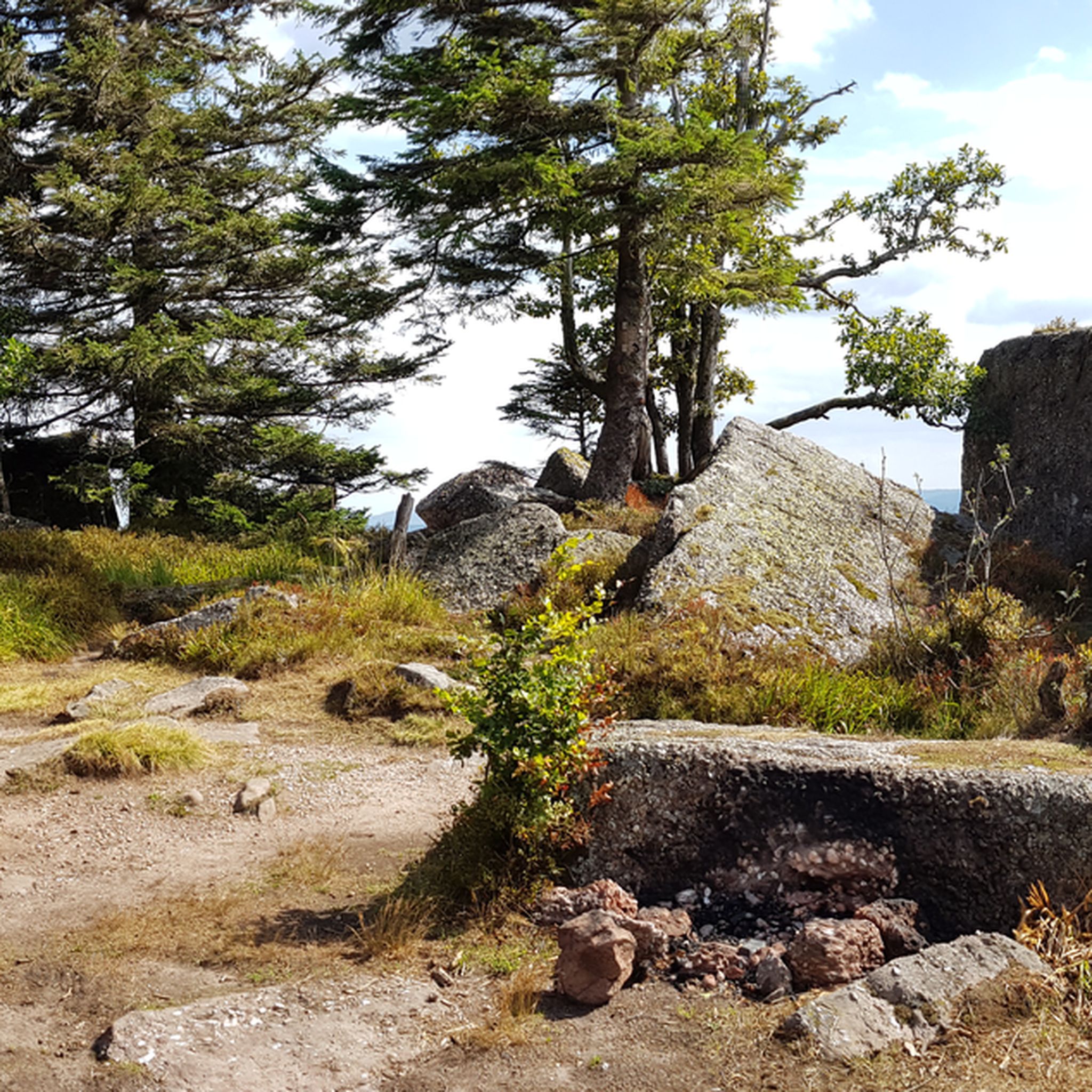
The view is almost all the way around and is very impressive. Furthermore, the mountain is a kind of open-air necropolis: many inscriptions carved into the rock commemorate the fierce battles and, above all, the fallen on both sides.
1
0

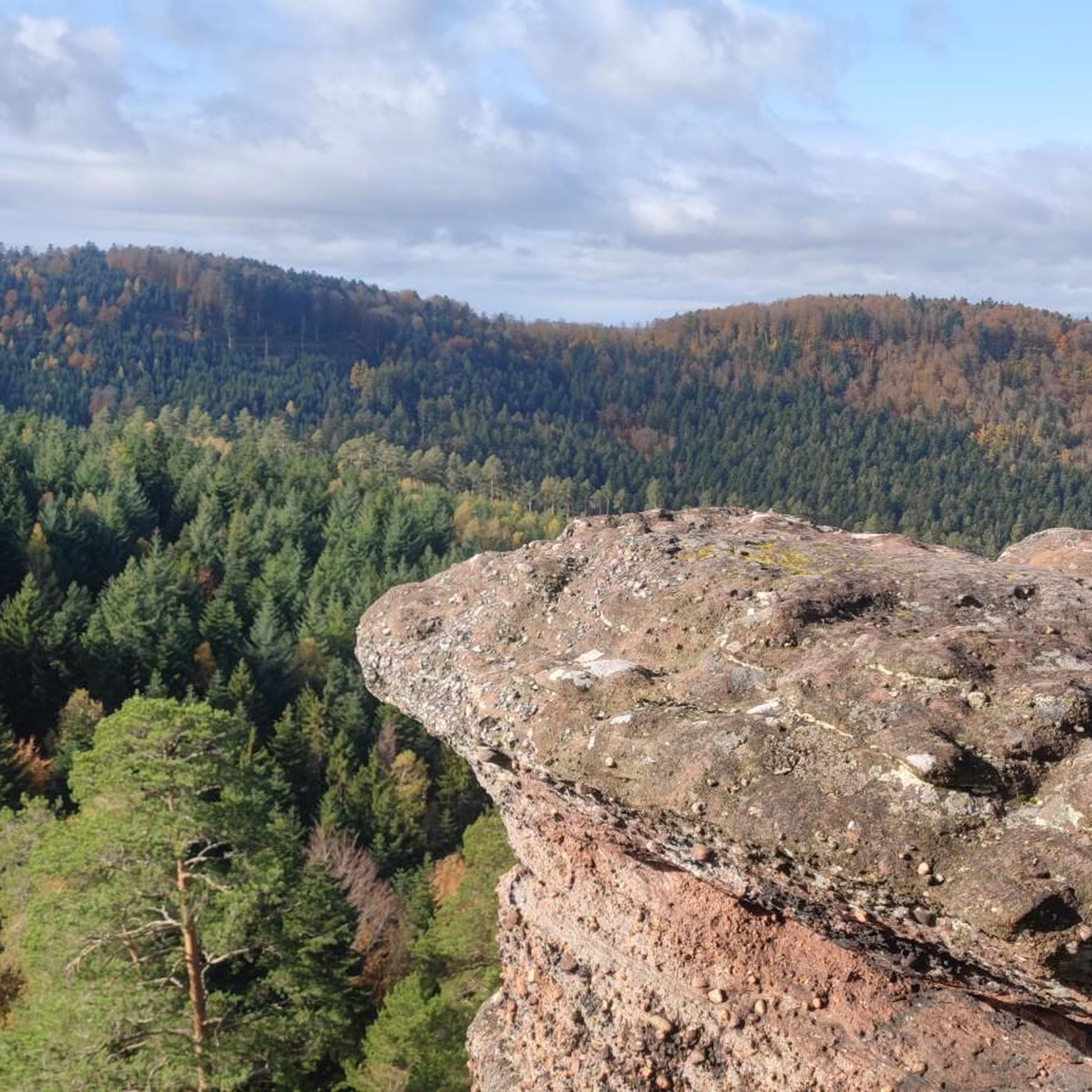
Great rock formation along the way
1
1


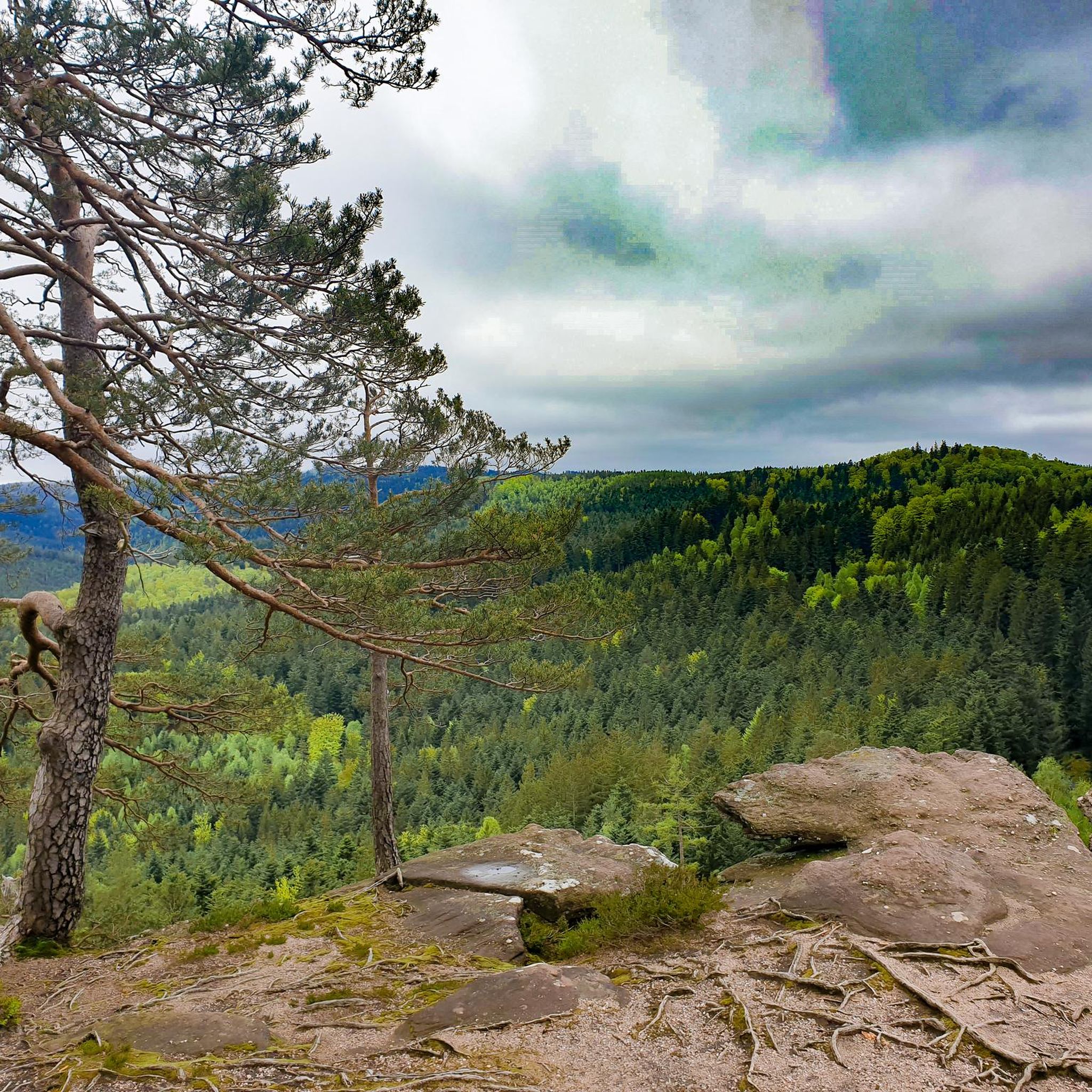
Beautiful rock gate made of red sandstone... From here the path continues up to the Rocher de Mutzig... it's best to come at off-peak times, then you have the rock to yourself...
2
0
Nice climb on the narrow path to Porte de Pierre
1
0
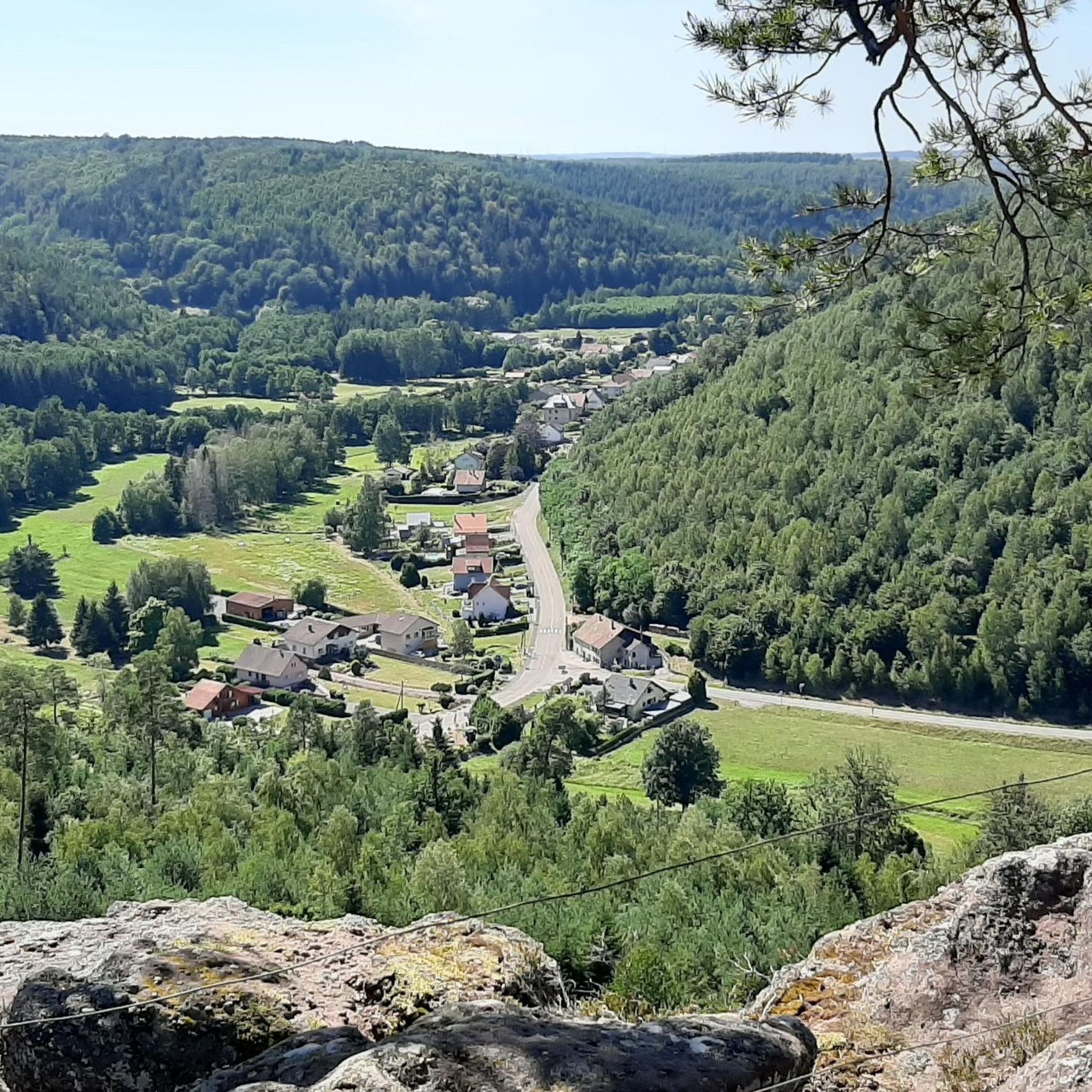
It is worth climbing the steep steps of the ruins to the top of the remains of the tower... From the top you have a wonderful view over the wooded hills of the Vosges...
2
0

The castle ruins in the natural area, which have been listed as a historical monument since 1898, are not the remains of one but of two castles. The lower castle (Unternideck) was probably built in the first half of the 13th century. Today, the square keep and a fortified wall that separated the residential building can still be seen. The keep shows a change in the structure that indicates an interruption in construction (formats and unevenness of the stones, structure of the vaults...). The upper castle (Obernideck) was probably built in the 14th century. Its ruins are less well preserved, only a few heavily restored walls can still be seen. A castle on the Nideck was first mentioned in 1264. Sire Burckart lived here at that time. From 1336, the castle was a fief of the Diocese of Strasbourg and was then given to the citizens of Strasbourg. The inhabitants of both castles concluded several truces, especially in 1393 and 1422. These "peace treaties", which bear witness to the history of the place, laid down the rules for coexistence, supplies and armament of the fortress. From the 15th century onwards, the castle changed hands several times in successive attacks. The castle was finally destroyed in 1636 in the Thirty Years' War. Text of the information board
2
0

The Schneeberg is a Vosges summit which rises to an altitude of 961 meters and offers a superb view of the Champ du Feu plateau to the south. It also allows you to admire the upper Mossig valley and the Oedenwald forest.
5
0
Frequently Asked Questions
What unique natural features can I explore around Walscheid?
Walscheid is rich in diverse natural features. You can discover the impressive Stone Gate, a bizarre red sandstone rock formation resembling a natural arch. Another notable feature is the Saint-Léon Cave, the deepest natural cavity in the Vosges, known for its erosion-formed structure and a majestic, centuries-old oak at its entrance. The Hohwalsch Rock also stands out as a significant natural landmark.
Are there any natural monuments with historical significance in the Walscheid area?
Yes, several natural monuments around Walscheid boast rich historical significance. Le Petit Donon is a remarkable historical site and an exceptional viewpoint, serving as a poignant reminder of past events. The Ruins of Nideck Castle, a castle and natural monument, also offer a glimpse into history. The Saint-Léon Cave holds local legends, including beliefs about its spring water, and the Hohwalsch Rock features cupules from Celtic times at its summit.
Where can I find the best panoramic views of the Walscheid region?
For magnificent panoramic views, consider visiting the Saint-Léon Cave, which offers splendid vistas of Walscheid and its surroundings. The summit of Hohwalsch Rock, at 569 meters, provides breathtaking views that can extend as far as the lake of Gondrexange. Additionally, Le Petit Donon and Schneeberg Summit (961m) are known for their exceptional viewpoints, with Schneeberg offering views of the Champ du Feu plateau and the upper Mossig valley.
What outdoor activities can I do near the natural monuments around Walscheid?
The Walscheid area offers a variety of outdoor activities. The Hohwalsch Rock is a renowned climbing site with 35 sandstone lines for various skill levels. For hiking, numerous trails lead to the Hohwalsch Rock and the Saint-Léon Cave, often part of larger circuits. You can also find dedicated routes for mountain biking, cycling, and running. For more details on these activities, explore the MTB Trails around Walscheid, Cycling around Walscheid, and Running Trails around Walscheid guides.
Are there family-friendly natural monuments or activities in Walscheid?
While specific 'family_friendly' tags are not available for all natural monuments, the Saint-Léon Cave offers a unique experience with its annual living nativity scene on the third Sunday of Advent, which can be a memorable family activity. The signposted footpaths to the cave are generally accessible for self-guided visits. Many hiking trails around the Hohwalsch Rock also offer varied routes through picturesque woodlands suitable for families who enjoy walking.
What is the best time to visit the natural monuments in Walscheid?
The natural monuments around Walscheid can be enjoyed throughout the year. The Saint-Léon Cave is generally accessible for self-guided visits at all times. However, access to the platform of Rocher de Dabo and Chapel Saint-Léon IX is regulated during the winter months. For hiking and climbing, spring and autumn often offer pleasant temperatures and beautiful scenery. Always check local conditions before your visit, especially during winter.
What makes the Saint-Léon Cave a unique natural monument?
The Saint-Léon Cave is unique for several reasons. It is the deepest natural cavity in the Vosges region, measuring 32 meters deep, 24 meters wide, and 8 meters high. Beyond its impressive dimensions, it's known for its historical and legendary significance, including beliefs about its spring water's healing properties. Annually, it hosts an extraordinary living nativity scene, creating a truly unique experience for visitors.
Can I go climbing at any of the natural monuments in Walscheid?
Yes, the Hohwalsch Rock (Rocher du Hohwalsch) is a well-known climbing site. It features 35 climbing lines of sandstone, with difficulties ranging from A0 to 7a, making it suitable for climbers of various skill levels. This makes it a prime destination for those looking to engage in rock climbing in the region.
What do visitors enjoy most about the natural monuments around Walscheid?
Visitors frequently appreciate the combination of natural beauty and historical depth. Many enjoy the impressive views from summits like Le Petit Donon and Rocher de Dabo, as well as the unique rock formations such as the Stone Gate. The historical context, like the ancient Celtic sites at Hohwalsch Rock or the reminders of past events at Le Petit Donon, also adds a significant layer to the experience. The diverse hiking opportunities and the mystique of places like the Saint-Léon Cave are also highly valued.
Are there any natural monuments that are also religious sites?
Yes, the Rocher de Dabo and Chapel Saint-Léon IX is a notable example. This site combines a stunning natural rock formation with a chapel dedicated to Pope Leo IX, who was a native of the region. The rock itself was also a place of Celtic worship in ancient times, adding layers of spiritual and historical significance.
How accessible are the natural monuments around Walscheid?
The Saint-Léon Cave is generally accessible for self-guided visits at all times, with signposted footpaths making it easy to explore. Guided tours are also available with advanced booking. Many hiking trails lead to the Hohwalsch Rock, offering varied routes. While specific wheelchair accessibility isn't broadly noted for all sites, the general accessibility for walkers is good, with clear paths to many locations.
Most popular routes around Walscheid
Most popular attractions around Walscheid

Get inspired with the komoot mobile app


Explore more
Extend your search for the best caves by checking out these guides of the top ones around Walscheid:
