Attractions and Places To See around Saint-Raphaël - Top 7
Best attractions and places to see around Saint-Raphaël include a diverse range of natural landscapes and historical sites. This resort town on the French Riviera is situated at the foot of the Estérel Massif, offering striking red rock formations and panoramic coastal views. With 36 km of varied coastline, Saint-Raphaël provides numerous fine sandy or pebble beaches and intimate coves. It is a destination for those interested in outdoor activities, history, and coastal exploration.
Best attractions and places to see…
Last updated: August 25, 2026
Château de Hautefort and Gardens
Highlight • Castle
Translated by Google •
Tip by

Path to Hautefort Castle
Highlight (Segment) • Other
Translated by Google •
Tip by

Sign up now to discover places like this
Get recommendations on the best single tracks, peaks, & plenty of other exciting outdoor places.
Sign up for free
La Loue / Coulaures
Highlight • Settlement
Translated by Google •
Tip by

Hautefort Museum of Medical History
Highlight • Historical Site
Translated by Google •
Tip by
View of Hautefort castle
Highlight • Other
Translated by Google •
Tip by

Sign up for free to discover even more attractions around Saint-Raphaël.
Sign up for free
Already have an account?
Start today with a free account
Your next adventure awaits.
Login or Signup


Tips from the Community

Hautefort Castle was built between the late 16th and late 17th centuries on the remains of an ancient medieval fortress. Its architecture is clearly reminiscent of the Loire Valley châteaux, with a classical style combining elegance and defensive elements, including crenellated towers and a large quadrangle. The Marquis Jacques-François de Hautefort, a great builder, carried out a significant transformation to create a refined residence with galleries, a chapel, and rich interior decoration. The castle is surrounded by magnificent French gardens designed in the 19th century by the Count of Choulot. It survived the Revolution thanks to the defense of the inhabitants and was restored after a fire in the 20th century.
0
0

Hautefort Castle, located on a rocky outcrop overlooking the town and village of Hautefort, is a rare example of classical architecture in the Dordogne. Built from the 16th to the 17th century on the foundations of an old castle, its architecture is reminiscent of the castles of the Loire. The construction, led by architects Nicolas Rambourg and Jacques Maigret, was intended for the family of the Marquis de Hautefort, close to the king and influential at Court, renowned for their generosity towards the poor. During the Revolution, the castle was protected by the inhabitants of Hautefort, who repelled a revolutionary troop from Excideuil wanting to destroy it. At the beginning of the 20th century, the castle was in ruins, having lost its furniture, its woodwork and parquet floors. In 1929, it was bought by the Baron and Baroness de Bastard, who undertook a complete restoration. After the Baron's death in 1957, the Baroness continued the work alone. A fire in 1968 destroyed the central building, leaving only the charred exterior walls. Thanks to national and local generosity, as well as the support of personalities, Baroness de Bastard undertook a second restoration, even selling her works of art to finance the work. The facades, frames, ceilings, decorations and rooms were reconstructed identically from photos. The woodwork of the Château de Kerlaudy was recovered and the castle was completely refurnished. In 1977, Baroness de Bastard moved back into the castle and opened it to visitors. In 1984, she created the Château de Hautefort Foundation, to which she donated the building, its estate and its furniture. Today, the interiors not open to the public are still being restored. The French gardens, recreated by the baron and baroness, extend into terraces around the castle, with flowered boxwood embroidery beds and are classified as historic monuments. An English-style park of 30 hectares extends on the hill to the west of the castle.
0
0
The Hôtel-Dieu d'Hautefort dates from the 17th century and today houses the Hautefort Museum of the History of Medicine and also the tourist office. In Old French, Hôtel-Dieu meant “the hotel of God”, that is to say the hospitable house where one is received in the name and under the auspices of God. Hotels Dieu are hospitals of ancient foundation, which received orphans, destitute and pilgrims and which were administered by the Church. During your visit, you will be able to discover 7 rooms dedicated to different themes: The room of the eternal father: Originally the hotel god was designed to accommodate 11 women, 11 men and 11 children, the number 33 symbolizing the age of Christ. The room of the eternal father is a reconstruction of a room as it must have been at that time to accommodate eleven men. Also in this room, a reproduction of an abandonment tower: also called a “baby box”, this is a place where mothers could anonymously leave their babies, generally newborns, so that they are found and cared for there. The room of the divine word: Here is an exhibition of liturgical vestments. The Hippocrates room: This room is dedicated to pharmacy and biology equipment for the manufacture of medicines The Plato room: You will find four dental offices from different eras on display there from 1910 to 1970. from the first use of electricity to the office with x-ray and laser. The Aristotle room: This room is dedicated to the history of radiography and to gynecology and obstetrics. The Galien room: Pneumology, surgery and cardiology are exhibited in this Galien room. The chapel A Simples garden allows you to discover all these plants that are so useful to your health. A visit is possible with Madame LOUIS Geneviève, herbalist, whose store is close
1
0

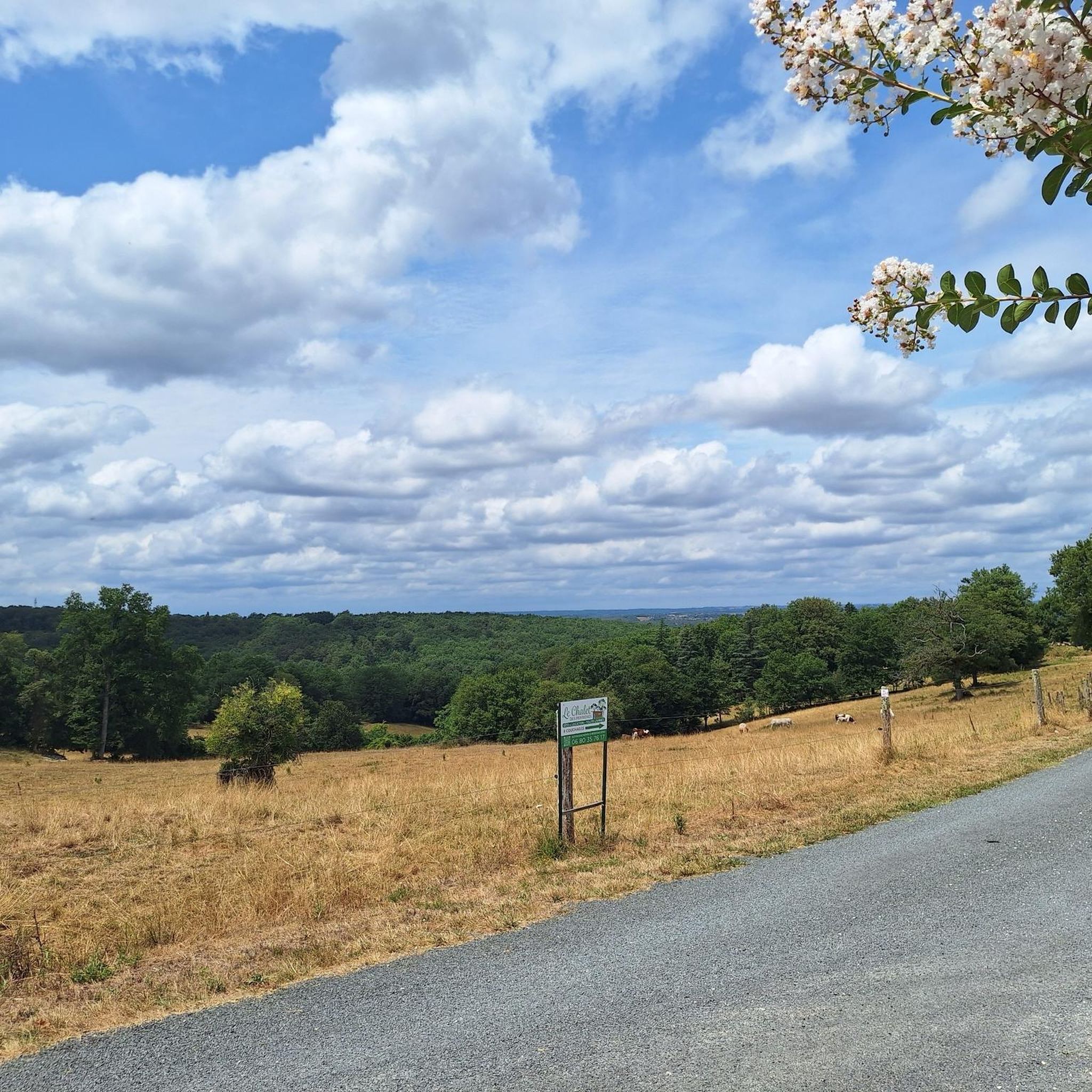
Uphill path to reach the castle of Hautefort. A very well maintained castle. The gardens are absolutely stunning. It's like being in a cartoon at times, the paths and the flowerbeds are cut with a line. But with original shapes and it's surprising.
2
0

A very nice little place that apparently Kermit and Ria passed by just a few months before us!
3
0

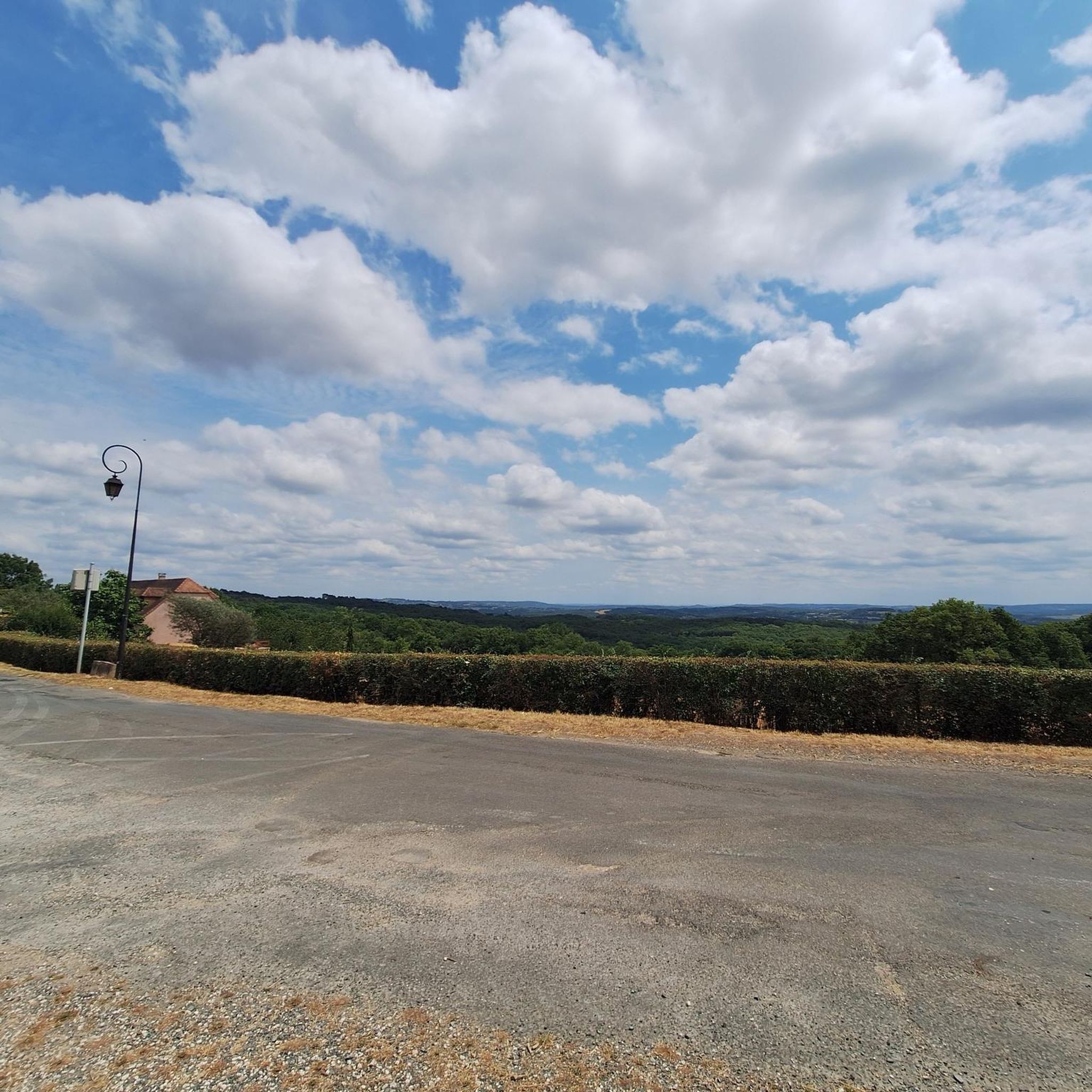
A pretty hamlet with a small restaurant. A good place to stop when navigating the VR92.
4
1

Final steep gravelpush to the chateau of Hautefort
1
1
Frequently Asked Questions
What natural attractions can I explore in Saint-Raphaël?
Saint-Raphaël is renowned for its stunning natural beauty. You can explore the dramatic red rock formations and dense forests of the Massif de l'Estérel, perfect for hiking and enjoying panoramic coastal views. The town also boasts 36 km of varied coastline with numerous beaches and intimate coves, including popular spots like Plage du Veillat and Plage de la Péguière. Don't miss the picturesque Île d'Or, a small rocky island with a distinctive tower.
Are there historical sites to visit in Saint-Raphaël?
Yes, Saint-Raphaël offers several significant historical sites. Explore the Old Town (Vieille Ville) with its narrow streets and daily market. Visit the 12th-century Église San Raféu, also known as the Eglise des Templiers, one of the town's oldest intact structures. You can also climb the San Rafeu Tower for superb 360° panoramic views of the Estérel and the bay.
What cultural experiences are available in Saint-Raphaël?
For cultural insights, visit the Basilique Notre-Dame de la Victoire, an iconic 19th-century church known for its Romanesque and Byzantine architecture. The Musée de Préhistoire et d'Archéologie Sous-Marine, located in the former presbytery for the San Rafeu church, showcases artifacts from the town's ancient past, including items from undersea excavations. Additionally, the nearby town of Fréjus offers Roman ruins like an amphitheater and aqueduct.
Where can I find family-friendly activities in Saint-Raphaël?
Families can enjoy the Jardin Bonaparte, a large public garden with a playground and beautiful Mediterranean views. For water-based fun, Aqualand Fréjus, located nearby, offers swimming, slides, and rapids. The various sandy beaches, such as Plage du Veillat, are also ideal for family outings and sunbathing.
What kind of outdoor activities can I do in the Massif de l'Estérel?
The Massif de l'Estérel is a paradise for outdoor enthusiasts. You can enjoy hiking, trail running, mountain biking, and even horseback riding amidst its striking red rock formations. Popular spots within the massif include Cap Dramont, Pic de l'Ours, and Mont-Vinaigre. For more detailed routes, explore the hiking routes around Saint-Raphaël.
Are there scenic walking paths along the coast?
Absolutely! The Coastal Path (Sentier du Littoral) is a scenic 12 km trail stretching from Port Santa Lucia to Agay. It offers breathtaking views of the Mediterranean Sea and the Estérel Massif, making it perfect for a leisurely walk or a more vigorous hike. You can find more walking options in the hiking guide for Saint-Raphaël.
What are the best beaches in Saint-Raphaël?
Saint-Raphaël offers nearly thirty fine sandy or pebble beaches and intimate coves along its 36 km coastline. Some of the best include Plage du Veillat, a wide sandy beach in the town center, and Plage de la Péguière, a serene sandy beach in the eastern part. Plage de la Tortue is another picturesque sandy option, while Plage du Dramont holds historical significance.
Can I go cycling near Saint-Raphaël's attractions?
Yes, the region around Saint-Raphaël is excellent for cycling. The Massif de l'Estérel offers opportunities for mountain biking, while scenic roads along the coast and inland are suitable for road cycling. You can discover various routes in the road cycling guide and MTB trails guide for Saint-Raphaël.
What is the Vieux Port like?
The Vieux Port (Old Port) is a lively area in Saint-Raphaël. It's a bustling hub where you can see fishing boats alongside luxury yachts. The waterfront is lined with a variety of restaurants and cafes, making it a great spot for a meal, a drink, or simply to soak in the Mediterranean atmosphere.
Are there any gardens or parks to relax in?
Yes, the Jardin Bonaparte is a large public garden offering a tranquil escape. It features well-manicured lawns, walking paths, and a playground, all with beautiful views of the Mediterranean Sea. It also hosts outdoor summer concerts and shows, providing a pleasant setting for relaxation and entertainment.
What do visitors enjoy most about Saint-Raphaël?
Visitors particularly appreciate Saint-Raphaël's diverse offerings, from its stunning natural landscapes like the Massif de l'Estérel and numerous beaches, to its rich historical and cultural sites. The combination of outdoor activities, scenic coastal paths, and charming old town areas makes it a popular destination for those seeking both adventure and relaxation on the French Riviera.
What is the best time of year to visit Saint-Raphaël for outdoor activities?
The shoulder seasons (spring and autumn) are generally ideal for outdoor activities in Saint-Raphaël. The weather is pleasant for hiking and cycling in the Massif de l'Estérel and along the Coastal Path, avoiding the intense heat of summer. Summer is perfect for beach activities and water sports, though it can be very busy.
Most popular routes around Saint-Raphaël

Get inspired with the komoot mobile app


Explore more
Still not found the Highlight you’re looking for? See guides of the top attractions in other regions:
