Attractions and Places To See around Rennes-Le-Château - Top 20
Attractions and places to see around Rennes-Le-Château include a variety of unique landmarks, cultural sites, and natural features. This small hilltop village in Southern France is known for its mysterious history, particularly surrounding its 19th-century priest, Bérenger Saunière. The area offers panoramic views of the surrounding countryside, including the Corbières massif and the Pyrenees Mountains. Visitors can explore historical sites and enjoy the natural beauty of the Occitanie region.
Best attractions and places to see around Rennes-Le-Château
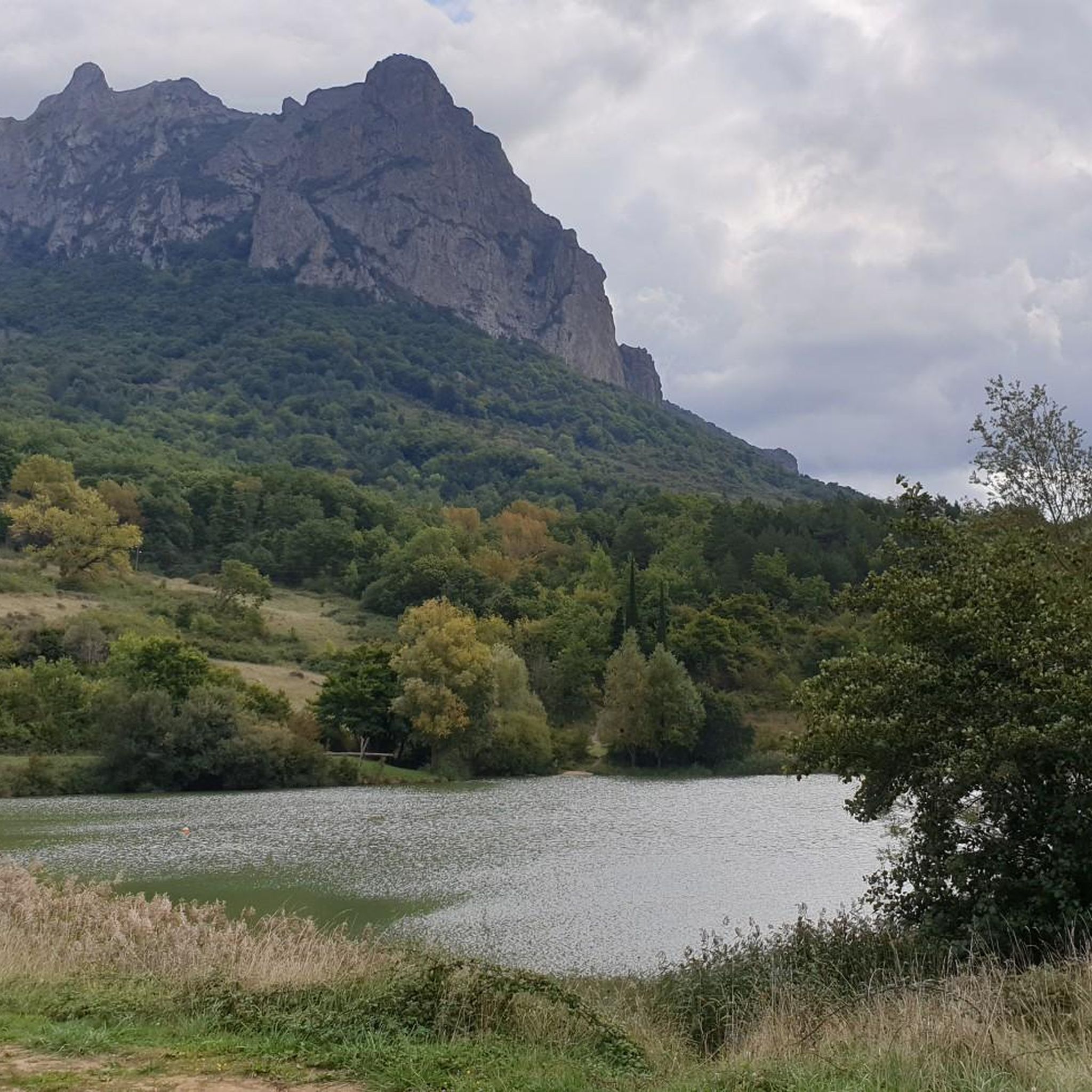
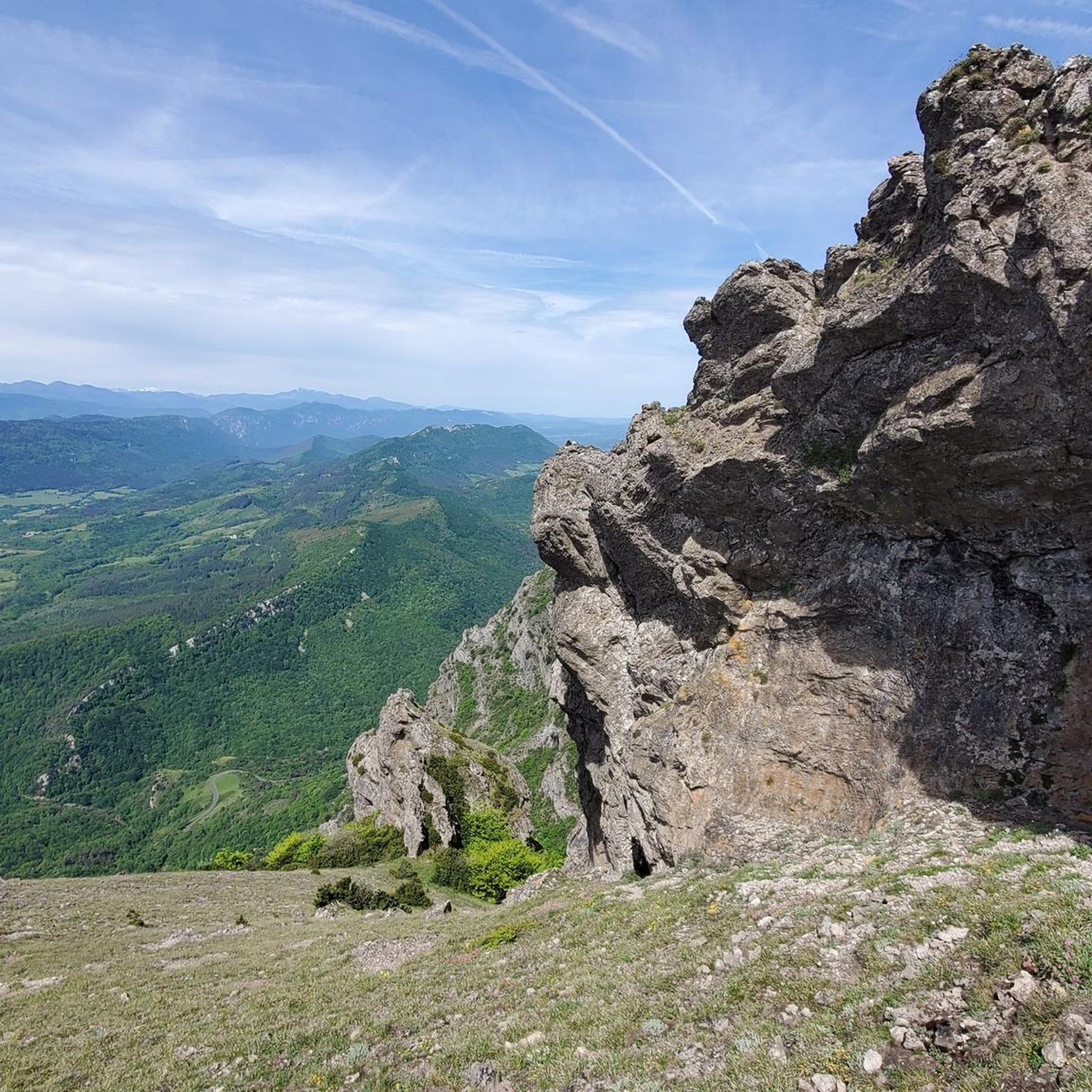
- The most popular attractions is Pech de Bugarach, a summit that is the highest point of the Massif des Corbières at 1,230 meters. It offers an ideal vantage point for contemplating the massif.
- Another must-see spot is Gorges du Rébenty, a gorge offering a magnificent stretch along the Rébenty stream. The stream winds through a canyon separating the Sault plateau.
- Visitors also love Saint Louis Pass, a mountain pass with beautiful scenery. From here, there are fantastic views over the Boulzan valley and the main ridge of the Pyrenees.
- Rennes-Le-Château is known for its historical sites, natural viewpoints, and mountain passes. The region offers a variety of attractions to see and explore, from mysterious village churches to high mountain peaks.
- The attractions around Rennes-Le-Château are appreciated by the komoot community, with more than 35 upvotes and over 20 photos shared by visitors.
Last updated: July 16, 2026
Saint Louis Pass
Highlight • Mountain Pass
Departure to Caudies a dream.
More information: quaeldich.de/paesse/col-de-saint-louis
Translated by Google •
Tip by

Rennes-le-Château Village and Church
Highlight • Historical Site
This hilltop town has been famous since Father Saunière (village priest) undertook work at his expense, revealing a mysterious personal fortune. The media hype that followed placed the village at the heart of numerous more or less conspiracy theories and myths of forgotten treasures (ranging from a Gallic treasure from the Volques to the treasure of the Templars).
Translated by Google •
Tip by

Sign up now to discover places like this
Get recommendations on the best single tracks, peaks, & plenty of other exciting outdoor places.
Sign up for free
Gorges du Rébenty
Highlight (Segment) • Gorge
Translated by Google •
Tip by

Brau Peak
Highlight • Viewpoint
The snowy peaks of the Pyrenees are breathtaking to view without hindrance for as long as you want. Unwind completely on the Pic Du Brau.
Translated by Google •
Tip by

Pech Cardou
Highlight • Summit
Caution! The direct route on the Komoot maps from the south is overgrown and barely visible. I wanted to take it on the descent at dusk and turned back.
In contrast, the longer, partially signposted route, initially along wide tracks and finally along a path from the east, is clear and easy to follow.
Translated by Google •
Tip by

Sign up for free to discover even more attractions around Rennes-Le-Château.
Sign up for free
Already have an account?
Start today with a free account
Your next adventure awaits.
Login or Signup

Tips from the Community

Large section above Alet les Bains is fenced off and blocks the route - even slipping around the fence isn’t worth it as the ridiculously steep climb is up a boulder field and unrideable in the direction shown. Some parts of the route are really nice but (1) private land and (2) impassable section makes it a bad day out - avoid
0
0

Pass on the border between Aude and the Pyrénées Orientales
0
0

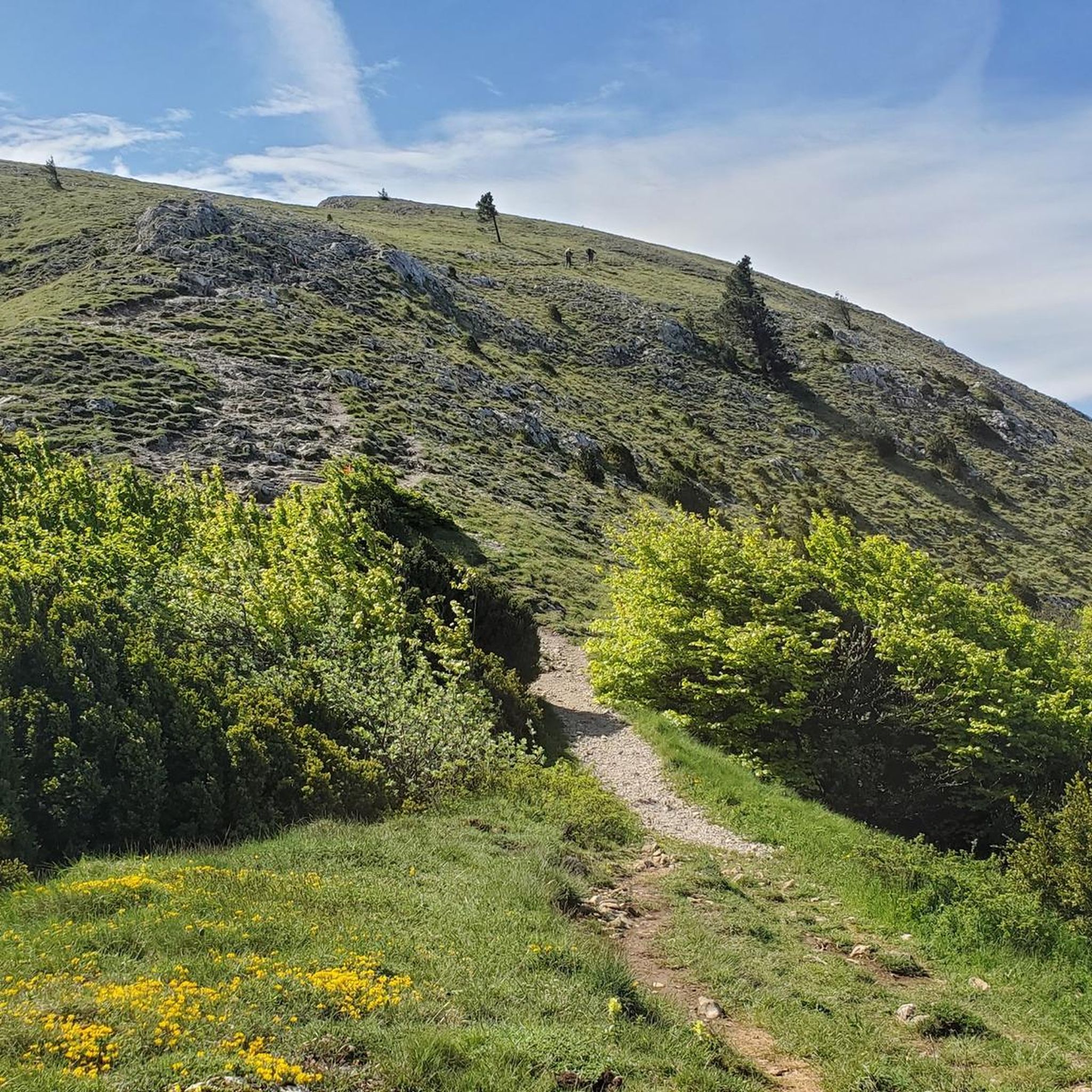
Somehow a magical place with a great view (for the altitude). Unfortunately, you can't see the Pech de Bugarach at this point because of the forest. However, you can see this peak earlier on the eastern ascent route. Caution! The direct route on the Komoot maps from the south is overgrown and barely visible. I wanted to take it on the descent at dusk and turned back. In contrast, the longer, partially signposted route, initially along wide tracks and finally along a path from the east, is clear and easy to follow.
4
0

Located in the Corbières massif, Rennes-le-Château offers lovely views of the Corbières massif from its belvedere. This hilltop town has been famous since Father Saunière (village priest) undertook work at his expense, revealing a mysterious personal fortune. The media hype that followed placed the village at the heart of numerous more or less conspiracy theories and myths of forgotten treasures (ranging from a Gallic treasure from the Volques to the treasure of the Templars).
2
0
Located in the Corbières massif, Rennes-le-Château has been famous since the Abbé Saunière (village priest) undertook work at his own expense, thus revealing a mysterious personal fortune. The ensuing media frenzy placed the village at the heart of many more or less conspiracy theories and myths of forgotten/supposed treasures (ranging from a Gallic treasure from the Volques to the Templar treasure). In any case, it offers pretty views of the Corbières massif from its belvedere.
0
0

Beautiful scenery, different conditions from both sides. Departure to Caudies a dream. More information: https://www.quaeldich.de/paesse/col-de-saint-louis/
3
0

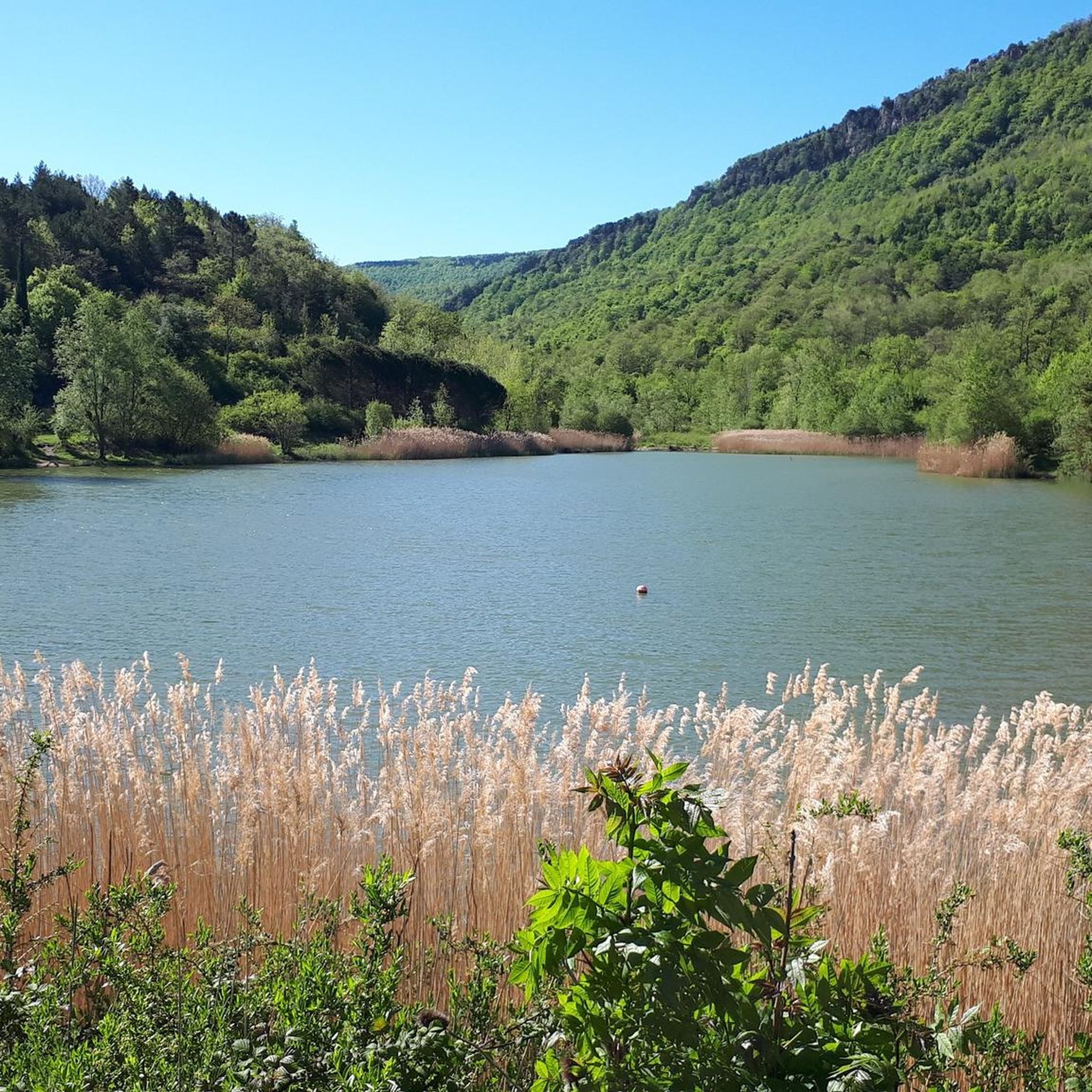
The Rébenty gorges offer a magnificent stretch along the stream of the same name. The Rébenty has its source at the Col du Pradel before winding through a canyon which separates the Sault plateau in two.
0
0

“Col de Saint Louis” from Quillan: 14 kilometers long and covers 350 vertical meters with an average gradient of 2.9%. From Caudiès-de-Fenouillèdes: 6.2km and 5.6%. The top of the ascent is 698 meters above sea level. In the 2021 Tour, Bauke Mollema won stage 14 and was the first to climb this slope. I cycle this climb in the opposite direction, twice as long, but less difficult
0
0
Frequently Asked Questions
What historical and cultural sites can I explore in Rennes-Le-Château?
Rennes-Le-Château is rich in history and mystery. You can visit the Rennes-le-Château Village and Church, particularly the Église Sainte-Marie-Madeleine, known for its unique interior and the Devil holy water stoup. The Domaine de l'abbé Saunière, which includes the Tour Magdala, Villa Bethania, and the Presbytery, offers insights into the life of the village's famous 19th-century priest. The museum complex also displays historical artifacts like the Carolingian Knight's Stone.
Where can I find the best panoramic views around Rennes-Le-Château?
The village itself, perched on a rocky spur, offers stunning panoramic views of the surrounding countryside, including the Corbières massif and the Pyrenees Mountains. For specific viewpoints, consider visiting Pech de Bugarach, the highest point of the Massif des Corbières, which provides an ideal vantage point. The Saint Louis Pass also offers fantastic views over the Boulzan valley and the main ridge of the Pyrenees. Additionally, Brau Peak is known for its breathtaking views, especially of the snowy peaks of the Pyrenees.
Are there any notable natural features or gorges to visit?
Yes, the region boasts several impressive natural features. The Gorges du Rébenty offer a magnificent stretch along the Rébenty stream, winding through a canyon. The area also features jagged ridges, rocky limestone plateaus with large underground caves, and deep river gorges. Other nearby natural sites include the Gorges de la Pierre-Lys and Gorges de l'Orbieu, contributing to the region's mystical atmosphere.
What kind of hiking opportunities are available near Rennes-Le-Château?
The scenic surroundings of Rennes-Le-Château provide ample opportunities for hiking. You can find various trails, including moderate options like the 'Ritou Trail' or the 'View of the Pech de Bugarach – Pech Cardou loop from Rennes-les-Bains'. For more hiking ideas and detailed routes, explore the Hiking around Rennes-Le-Château guide.
Are there mountain biking trails around Rennes-Le-Château?
Yes, mountain biking enthusiasts will find several trails in the area. Options range from moderate to difficult, such as the 'Flowiger Singletrail loop from Espéraza' or the more challenging 'Rennes-le-Château – La Pique loop from Quillan'. For a comprehensive list of routes, check out the MTB Trails around Rennes-Le-Château guide.
Can I find running trails in the area?
Absolutely. The region offers a variety of running trails suitable for different fitness levels. You can find moderate loops like 'Running loop from Espéraza' or more difficult ones such as the 'Ritou Trail Loop'. Discover more options in the Running Trails around Rennes-Le-Château guide.
What do visitors enjoy most about Rennes-Le-Château?
Visitors are often drawn to the village's mysterious history, particularly the enigmatic legacy of Bérenger Saunière and the conspiracy theories surrounding him. The stunning panoramic views from the hilltop village and its surrounding natural beauty, including the Corbières massif and the Pyrenees, are also highly appreciated. Many enjoy exploring the unique historical sites and the captivating atmosphere of the Occitanie region.
Are there any thermal baths or spa centers nearby?
Yes, the nearby village of Rennes-les-Bains is known for its thermal baths. The Romans originally built thermal baths there, and it remains a popular spa center today, offering a relaxing experience amidst the natural beauty of the region.
What is the significance of Pech de Bugarach in the region?
Pech de Bugarach is the highest point of the Massif des Corbières, standing at 1,230 meters. It's not only a significant natural landmark offering ideal views but also holds a mystical reputation, being part of what some refer to as an 'esoteric triangle' with Rennes-le-Château and Rennes-les-Bains.
What is the history of Rennes-Le-Château?
Rennes-Le-Château has a long and intriguing history, dating back to medieval times as a fortified settlement and even earlier as a prehistoric encampment and Roman colony. It played a role in battles between the Catholic Church and the Cathars. Its modern fame largely stems from the 19th-century priest Bérenger Saunière and the numerous conspiracy theories surrounding his alleged hidden treasures and secrets, popularized by books like 'The Da Vinci Code'.
Are there any specific architectural features to look out for in the village?
Beyond the Église Sainte-Marie-Madeleine, pay attention to the structures within the Domaine de l'abbé Saunière. The Tour Magdala, originally Saunière's library, is a distinctive tower with a circular turret and crenellations. Villa Bethania, his former residence, also features a private glass chapel and is considered quite photogenic.
Can I find information about the local flora and fauna?
While not explicitly detailed, the region's diverse landscape, with its jagged ridges, limestone plateaus, and deep river gorges, supports a variety of plant and animal life. The garden at the Domaine de l'abbé Saunière also features Father Saunière's personal flower collection, offering a glimpse into local botany.
Most popular routes around Rennes-Le-Château
Most popular attractions around Rennes-Le-Château

Get inspired with the komoot mobile app


Explore more
Still not found the Highlight you’re looking for? See guides of the top attractions in other regions:
