The best walks and hikes around Xanrey
4.5
(16)
88
hikers
17
hikes
Hiking around Xanrey offers a diverse landscape for outdoor exploration. The region features varied terrain with gentle elevation changes, suitable for different fitness levels. Trails often lead through woodlands and open areas, providing a mix of natural environments. The highest elevation gain on available routes is around 319 meters, indicating a landscape of rolling hills rather than steep mountains.
Best hiking trails around Xanrey
- The most popular hiking route is Parroy Loop, an easy 4.4 miles (7.1 km) trail…
Last updated: July 5, 2026
2
hikers
7.13km
01:51
50m
40m
An easy 4.4-mile (7.1 km) hike around Parroy pond, featuring the Parroy Church, a viewpoint, and a section along the Marne–Rhine Canal.
4.7
(3)
10
hikers
16.0km
04:21
230m
230m
Moderate hike. Good fitness required. Easily-accessible paths. Suitable for all skill levels.

Sign up for free
4.7
(3)
9
hikers
19.6km
05:24
320m
320m
Hard hike. Very good fitness required. Easily-accessible paths. Suitable for all skill levels.
11
hikers
9.94km
02:42
140m
140m
Moderate hike. Good fitness required. Easily-accessible paths. Suitable for all skill levels.
3.5
(2)
11
hikers
8.22km
02:15
130m
130m
Moderate hike. Good fitness required. Easily-accessible paths. Suitable for all skill levels.
Get access to more routes and recommendations from other explorers.
Sign up for free
Already have an account?
Our route recommendations are based on thousands of hikes, rides, and runs completed by other people on komoot.
Start today with a free account
Your next adventure awaits.
Login or Signup

Tips from the Community

The Collegiate Church of Saint-Léger de Marsal is a former collegiate church located in the French commune of Marsal, in the Moselle department. Originally built in the Romanesque style, it has undergone several significant modifications up to the present day. Dedicated to Saint Léger, the foundation stones of the current church were laid in the 12th century. The building was then in the Germanic tradition with a deep chevet and two oriented chapels, as well as an impressive Westwork, a western massif. The parish church was elevated to the title of collegiate church in 1222 by Abbess Clémence de Neumunster. She then installed a chapter of seven canons there. The collegiate church of Marsal has been united with that of Vic-sur-Seille since the 18th century.
0
0

Museum for the city's great son from the 17th century
0
0

On the edge of Vic-sur-Seille lies the former episcopal castle, an impressive remnant of the power of the bishops of Metz. Built from the end of the 12th century by Bishop Bertram, it served as both the residence and the administrative centre of the secular authority of the diocese. The castle was expanded in the 13th century into a pentagonal complex, fortified with semicircular towers and a deep moat. Under Bishop Thierry Bayer de Boppard (1365–1384), important restorations were carried out, including the construction of a south-west wing with access to the gardens and the “Grand Parc”. Of the original complex, only part of the residential building on the west side remains today, recognisable by the windows with niches. The most striking structure is the châtelet, the fortified entrance gate from the 15th century, with its white limestone machicolations and traces of a drawbridge. After its restoration in 2008, the castle is once again visible as a silent witness to the medieval power and strategic location of Vic-sur-Seille, especially in the context of salt mining and the rivalry with the Dukes of Lorraine.
9
0
Hôtel de la Monnaie (Vic-sur-Seille) This remarkable civil building, dating from 1456–1484, is often mistaken for a mint. In reality, it was probably the home of a wealthy money-changer, possibly the d’Hoffelize family. The building is a magnificent example of flamboyant Gothic architecture, with early Renaissance influences. The richly decorated facades and roofs have been protected as historical monuments since 1930.
8
0
Hôtel de la Monnaie (Vic-sur-Seille) This remarkable civil building, dating from 1456–1484, is often mistaken for a mint. In reality, it was probably the home of a wealthy money-changer, possibly the d’Hoffelize family. The building is a magnificent example of flamboyant Gothic architecture, with early Renaissance influences. Its richly decorated facades and roofs have been protected as historical monuments since 1930. It now houses the information office.
1
0

Very well preserved medieval house. It now houses the tourist information office.
1
0

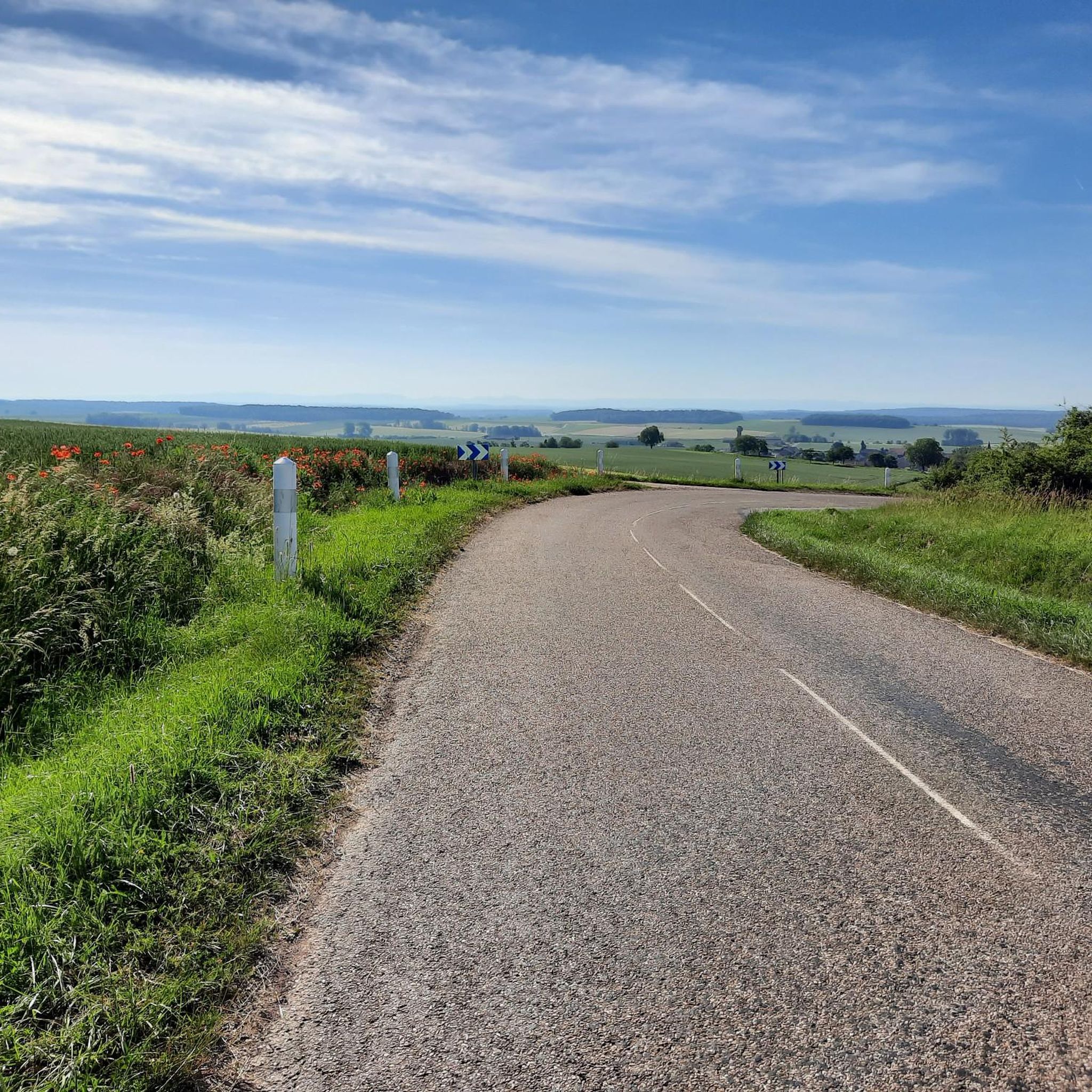
A beautiful greenway along the Marne-Rhine canal.
3
0

Vic-sur-Seille, which benefits from the label "Small cities of character", is an essential place of passage for itinerants who cross the region. If its old stones undeniably recall the history of the village, its leisure center invites you to rest and relax. The village has all the amenities, from accommodation to restaurants. Take the time to visit the museum which takes its name from Georges de La Tour, born in 1593 in Vic-sur-Seille. The exhibitions offer many indications on the region and its evolution.
3
0
Frequently Asked Questions
How many hiking trails are there around Xanrey?
There are over 14 hiking routes available around Xanrey, offering a diverse range of experiences. These include 2 easy, 9 moderate, and 3 difficult trails, catering to various fitness levels.
Are there any easy hikes suitable for beginners or families in Xanrey?
Yes, Xanrey offers several easy routes perfect for beginners or families. An excellent option is the Parroy Loop, an easy 4.4-mile (7.1 km) trail with gentle gradients, typically completed in under two hours.
What are the more challenging hiking options in the Xanrey area?
For those seeking a challenge, the Marsal – Saint-Léger Collegiate Church loop from Hampont is a difficult 12.2-mile (19.6 km) trail with over 310 meters of elevation gain, often taking more than five hours to complete.
Are there any circular walks around Xanrey?
Many of the trails in Xanrey are circular, allowing you to start and end at the same point. Examples include the Marsal – Saint-Léger Collegiate Church loop from Marsal and the Musée Georges de la Tour – Vic-sur-Seille loop from Vic-sur-Seille, providing convenient exploration of the region.
What kind of terrain can I expect on hikes around Xanrey?
The terrain around Xanrey is varied, characterized by gentle hills and forest paths. You'll encounter a mix of woodlands and open areas, with elevation changes typically ranging up to 319 meters, indicating rolling hills rather than steep mountains.
What can I see along the hiking trails in Xanrey?
Hikers can discover several points of interest. The Marne–Rhine Canal is a prominent feature, and you might also encounter historical sites like the Church of St Privat de Salonnes or the charming town of Marsal.
What do other hikers enjoy most about hiking in Xanrey?
The area is highly rated by the komoot community, with an average score of 4.4 stars from over 15 reviews. Hikers often praise the varied terrain, gentle hills, and the mix of forest and open paths that define the region's natural beauty.
Are there any trails that pass by water features like canals or rivers?
Yes, several routes in the Xanrey area offer views of water features. The Marne–Rhine Canal is a significant landmark, and you can find trails that run alongside it, such as near the Canal de la Marne au Rhin Cycle Path near Bauzemont.
Is there public transport available to access hiking trails near Xanrey?
While specific public transport links directly to trailheads can vary, Xanrey is a rural area. It's advisable to check local bus schedules or consider driving to access the starting points of most hiking routes.
What is the best time of year to hike around Xanrey?
The region's varied terrain and woodlands make it enjoyable for hiking across multiple seasons. Spring and autumn offer pleasant temperatures and vibrant scenery, while summer provides longer daylight hours. Winter hiking is possible, but conditions may vary, so checking local weather is recommended.
Are there any long-distance hiking options in Xanrey?
While most routes are day hikes, some offer longer distances. For example, the Musée Georges de la Tour – Vic-sur-Seille loop from Vic-sur-Seille is a moderate 10.9-mile (17.6 km) trail, providing a more extended experience in the region.
Are dogs allowed on the hiking trails in Xanrey?
Generally, dogs are welcome on hiking trails in the Xanrey area. However, it's always recommended to keep them on a leash, especially when passing through agricultural areas or nature reserves, and to respect local signage regarding pet regulations.
Most popular attractions around Xanrey

Get inspired with the komoot mobile app


Explore more
Browse the best Hikes in other regions.
