Attractions and Places To See around Canet - Top 20
Best attractions and places to see around Canet include historical waterways and charming settlements along the Canal du Midi. This region is characterized by its significant canal infrastructure, which played a crucial role in historical transport and continues to offer scenic routes. Visitors can explore a landscape shaped by engineering marvels and picturesque villages. The area provides a blend of natural beauty and historical sites, making it ideal for exploration.
Best attractions and places to see around Canet
- The most…
Last updated: May 11, 2026
The Port of Somail
Highlight • Settlement
Translated by Google •
Tip by

Junction of the Canal du Midi and the Canal de la Robine
Highlight • Other
Translated by Google •
Tip by

Sign up now to discover places like this
Get recommendations on the best single tracks, peaks, & plenty of other exciting outdoor places.
Sign up for free
Gailhousty Lock and Spillway
Highlight • Monument
Translated by Google •
Tip by

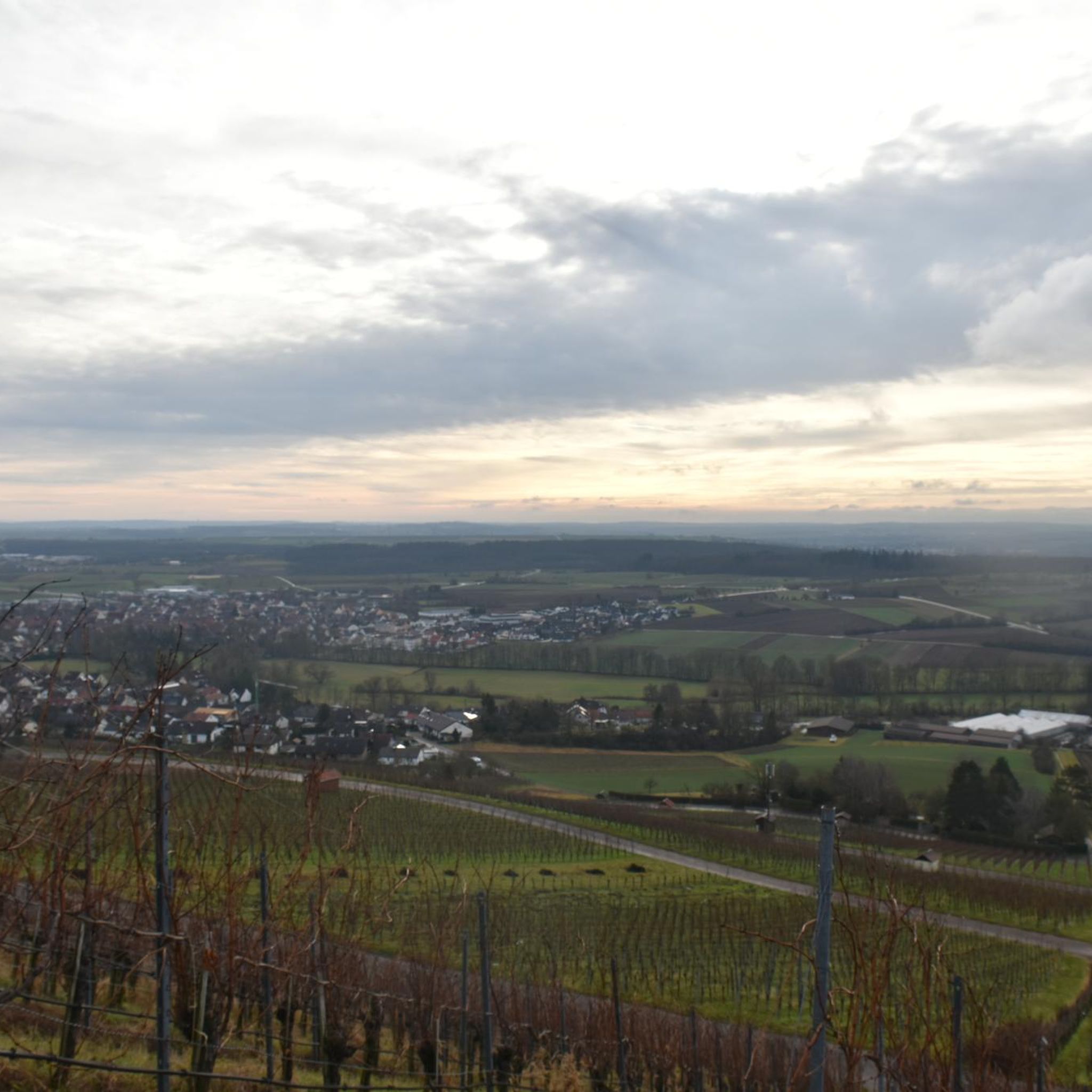
View over Paraza
Highlight • Settlement
Translated by Google •
Tip by
Canal de Jonction
Highlight • River
Translated by Google •
Tip by
Sign up for free to discover even more attractions around Canet.
Sign up for free
Already have an account?
Start today with a free account
Your next adventure awaits.
Login or Signup
Tips from the Community

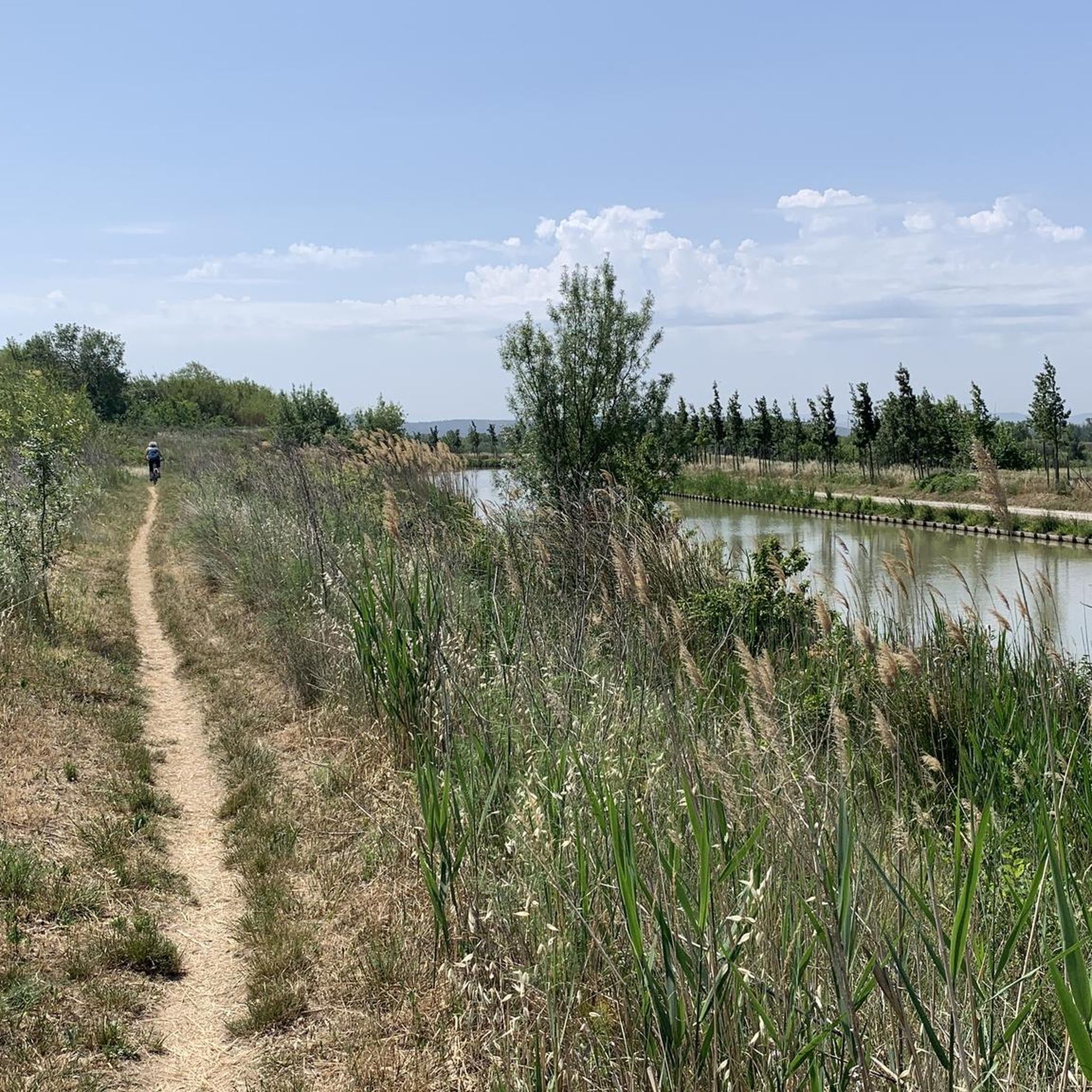
The section posted for this Highlight is in the town of Sallèles-d'Aude so you have a lot of people walking in this section. Dog walkers with dogs not on leads, families taking the whole path etc., so whilst it is pretty in can be annoying when biking, This was in the last days of Oct. '25 so I think in summer it would be almost impassable at times. The other way towards the Gailhousty Lock and eventually Narbonne is much quieter if you want to ride unhindered by walkers & dogs, especially if you take the wide gravel track on the other side of the canal from the Vioe Verte.
0
0


Pretty canal, shaded, bucolic. Don't miss the Gailhousty site, at the downstream outlet of the Jonction canal on the Aude river. This canal, put into operation in 1787, connects the Canal du Midi and the Robine de Narbonne canal. The Gailhousty site consists of a lock, a spillway, a bridge and a dry dock. Upstream of the lock, the canal is protected from the floods of the Aude thanks to a system of dikes that surround it up to Sallèles-d'Aude. Downstream of the lock is a space designed to be able to be submerged during heavy floods: the spillway. The bridge is designed to provide rapid access to all points of the site, is of neat architecture, with a low arched vault and four quarter-circle staircases placed at each corner. During floods, it is necessary to be able to react quickly and to manoeuvre the defence systems in time. Placed on the downstream head of the lock, it participates in the system of containing the strongest floods. The monumental spillway, 30 metres long, is located on the left bank of the canal between the Gailhousty lock and the Aude. Its front façade on the canal side is pierced with vertical crenellations that plunge into the water. At the back, it has 5 arched openings at the foot of which launches an 8km long landing channel called "La saignée" directed towards the Capestang pond. This building houses no fewer than 15 oversized valves. It is not intended to evacuate excess water from the Jonction canal but must allow the passage of flood water from the Aude river. Originally, it was planned that these waters loaded with fertile silt would be directed into the Capestang pond to fill it and promote crops there.
0
0
Superb site, at the downstream outlet of the Jonction canal on the Aude river. This canal, put into operation in 1787, allows to make the connection between the Canal du Midi and the Canal de la Robine de Narbonne. The Gailhousty site consists of a lock, a spillway, a bridge and a dry dock. Upstream of the lock, the canal is protected from the floods of the Aude thanks to a system of dikes which surround it up to Sallèles-d'Aude. Downstream of the lock is a space designed to be able to be submerged during heavy floods: the spillway. The bridge is designed to allow rapid access to all points of the site, is of a neat architecture, with a low arched vault and four quarter-circle staircases placed at each corner. In times of flood, it is necessary to be able to react quickly and maneuver the defense systems in time. Placed on the downstream head of the lock, it participates in the system of containing the strongest floods. The monumental spillway, 30 meters long, is located on the left bank of the canal between the Gailhousty lock and the Aude. Its front facade on the canal side is pierced with vertical crenellations that plunge into the water. At the back, it has 5 arched openings at the foot of which launches an 8km long landing channel called "La saignée" directed towards the Capestang pond. This building houses no less than 15 oversized valves. It is not intended to evacuate excess water from the Jonction canal but must allow the passage of flood water from the Aude river. Originally, it was planned that this water loaded with fertile silt would be directed into the Capestang pond to fill it and promote crops there.
0
0
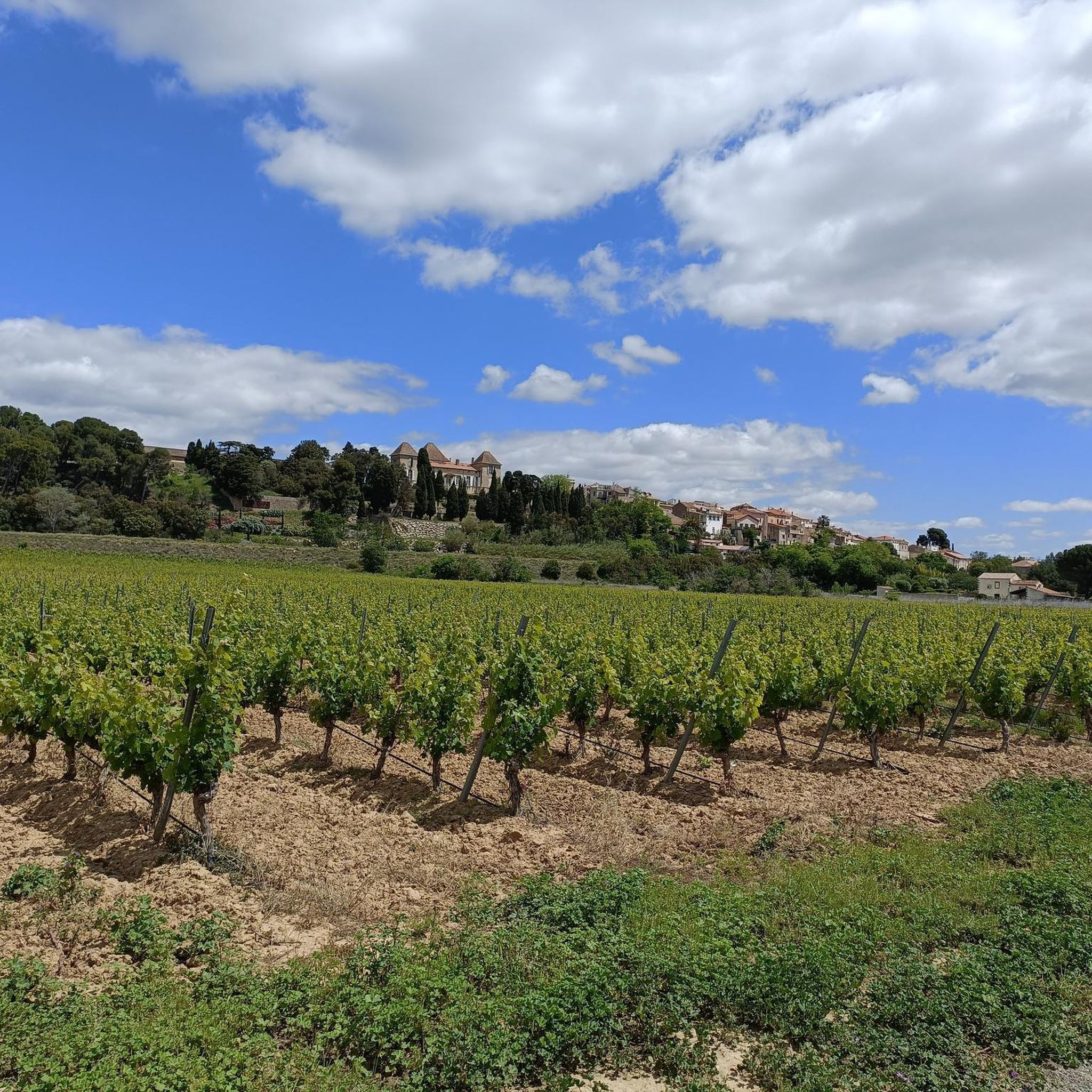
Pretty village along the Canal du Midi. Don't miss the old post box...
0
0
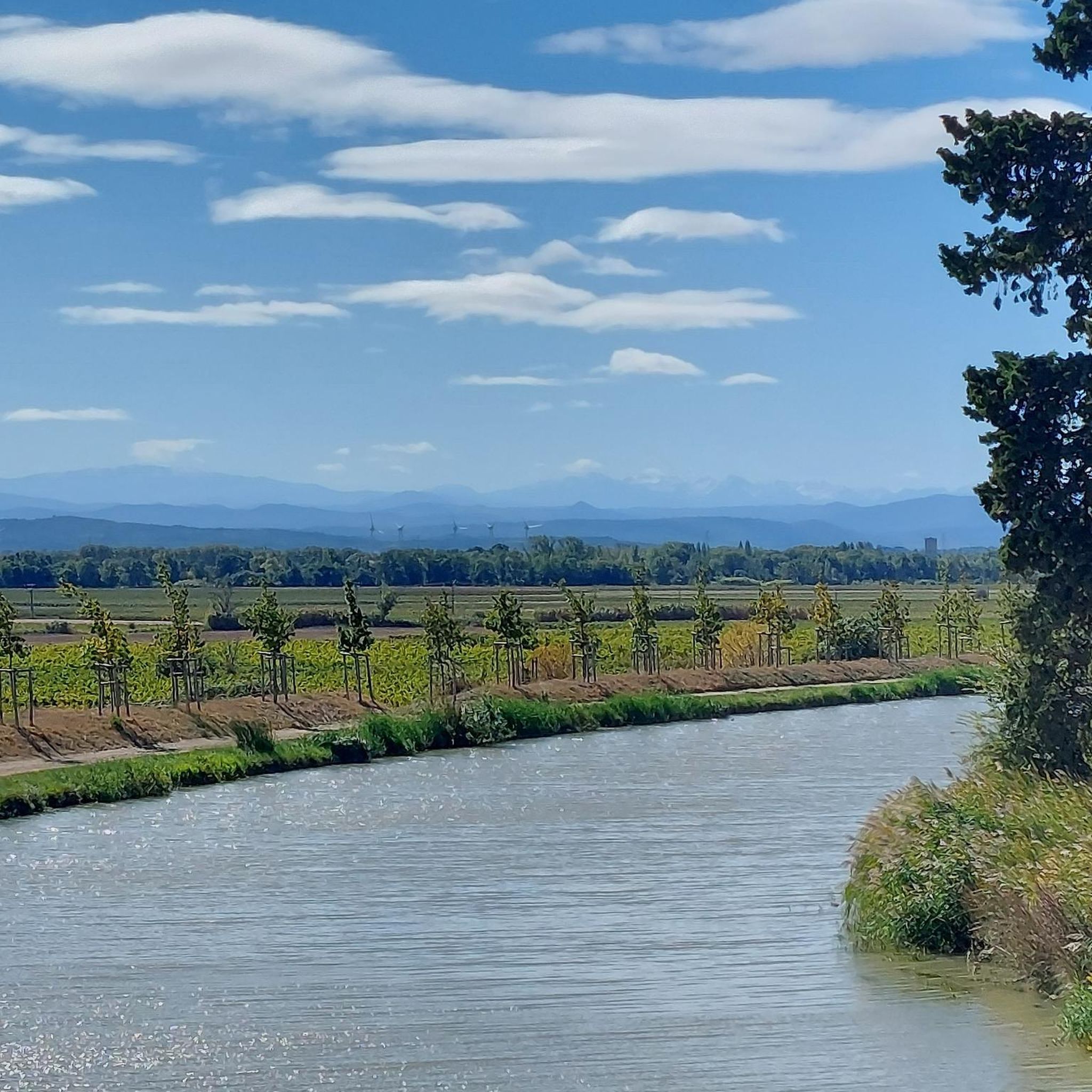
Very pretty canal, less known than the Canal du Midi, shaded. Do not miss the Gailhousty site, at the downstream outlet of the Canal de Jonction on the Aude river. This canal, put into operation in 1787, allows to make the connection between the Canal du Midi and the Canal de la Robine de Narbonne. The Gailhousty site consists of a lock, a spillway, a bridge and a dry dock. Upstream of the lock, the canal is protected from the floods of the Aude thanks to a system of dikes which surround it up to Sallèles-d'Aude. Downstream of the lock is a space designed to be able to be submerged during heavy floods: the spillway. The bridge is designed to provide rapid access to all points of the site, is of neat architecture, with a low arched vault and four quarter-circle staircases placed at each corner. During floods, it is necessary to be able to react quickly and maneuver the defense systems in time. Placed on the downstream head of the lock, it participates in the system of containing the strongest floods. The monumental spillway, 30 meters long, is located on the left bank of the canal between the Gailhousty lock and the Aude. Its front facade on the canal side is pierced with vertical crenellations that plunge into the water. At the rear, it has 5 arched openings at the foot of which launches an 8km long landing channel called "La Saignée" directed towards the Capestang pond. This building houses no less than 15 oversized valves. It is not intended to evacuate excess water from the Jonction canal but must allow the passage of flood water from the Aude river. Originally, it was planned that this water loaded with fertile silt would be directed into the Capestang pond to fill it and promote crops there.
0
0
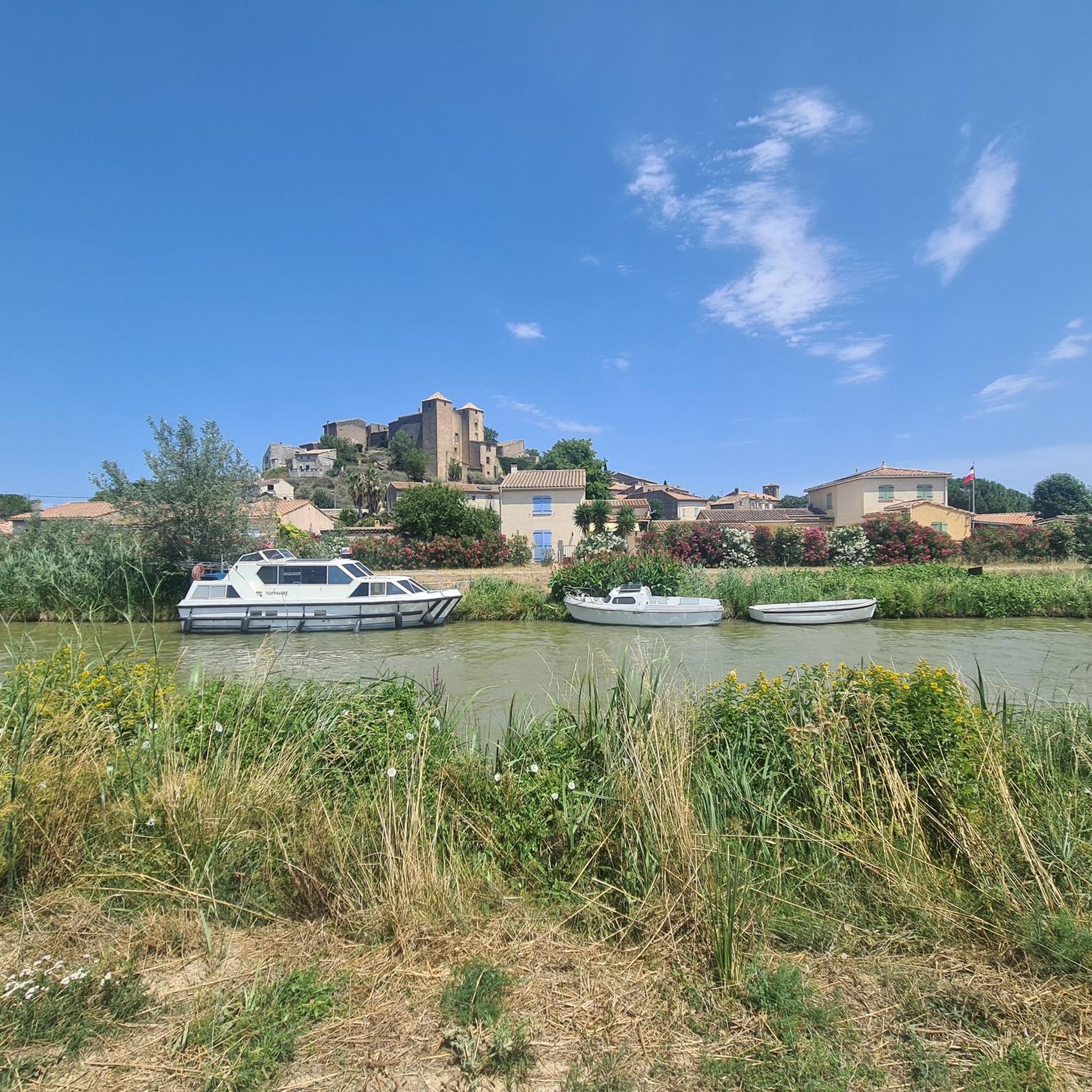
It is one of the most emblematic places on the canal: its buildings, its chapel, its inn, its humpback bridge, its stores, bear witness to the activity of the time around the canal. Once the work on the canal was finished, an administration was set up to manage navigation on the canal. Seven divisions were created along the canal. The Somail division covered 45 km. A passenger transport service was also set up, the stop at the Somail inn corresponded to the third day of navigation from Toulouse. The building even had a dungeon...
1
0

We fortified ourselves again at Café NOK9.
0
0
Frequently Asked Questions
What are the most popular attractions around Canet?
The most popular attractions around Canet are centered around the historical waterways of the Canal du Midi. Visitors particularly enjoy The Port of Somail, a picturesque settlement that served as a stop for the post boat. Another significant site is the Junction of the Canal du Midi and the Canal de la Robine, which provides a direct connection to the Mediterranean Sea. The Gailhousty Lock and Spillway is also highly appreciated for its engineering and historical importance.
Are there family-friendly attractions around Canet?
Yes, many of the attractions along the Canal du Midi are family-friendly. Exploring the historical waterways, such as the Canal de Jonction, offers gentle paths for walking and cycling. Sites like The Port of Somail provide a charming atmosphere with historical buildings and opportunities for leisurely strolls, suitable for all ages.
What natural features can I see around Canet?
The primary natural features around this Canet are the waterways themselves, particularly the Canal du Midi and its connecting canals. These areas are often lined with trees, offering scenic views and a tranquil environment. While not a coastal area, the canals provide a unique landscape shaped by both nature and historical engineering.
What cultural or historic sites are nearby?
The region is rich in historical sites related to the Canal du Midi. Key cultural and historic sites include The Port of Somail, known for its 17th-century inn and picturesque setting. The various locks and spillways, such as the Gailhousty Lock and Spillway, are also significant historical engineering marvels.
What outdoor activities can I do near these attractions?
The area around Canet is excellent for outdoor activities, especially cycling and running along the Canal du Midi. You can find numerous routes for road cycling, gravel biking, and running. For example, explore the Road Cycling Routes around Canet or the Running Trails around Canet, which often follow the scenic canal paths.
Are there hiking trails near these attractions?
While the area is primarily known for cycling and running along the flat canal paths, these routes also serve as excellent walking and hiking trails. You can enjoy leisurely walks along the Canal de Jonction or explore the paths around The Port of Somail. For more structured routes, consider the running guides which can also be adapted for walking.
What do visitors enjoy the most about Canet's attractions?
Visitors particularly enjoy the tranquil atmosphere and the historical significance of the Canal du Midi. The picturesque settings, like The Port of Somail, are often highlighted for their charm and beauty. The well-maintained paths along the canals are also a favorite for cycling and walking, offering a peaceful way to explore the region.
Can I find places to eat or stay near the attractions?
Yes, settlements along the Canal du Midi, such as The Port of Somail, offer amenities like restaurants and accommodations. For instance, there's an inn at Somail, and other villages like Paraza (visible from View over Paraza) also provide options for dining and staying overnight.
Are there cycling routes suitable for gravel biking around Canet?
Absolutely. The paths along the Canal du Midi and its surroundings are ideal for gravel biking. You can explore routes like the 'Argent-Double Spillway – Canal du Midi Bridge loop from Canet' or the 'La Cesse Aqueduct – Canal Bridge loop from Le Somail'. Check out the Gravel biking around Canet guide for detailed routes.
What is the significance of the Canal de Jonction?
The Canal de Jonction is a crucial approximately 5 km long canal that connects the Canal de la Robine with the Canal du Midi. It plays a vital role in linking the Canal du Midi to the Aude river and subsequently to the Mediterranean Sea, facilitating navigation and trade historically.
Are there any viewpoints to enjoy the scenery?
Yes, you can find scenic viewpoints along the canal. For example, from View over Paraza, you can enjoy superb vistas of the town of Paraza and the surrounding Minervois region, which is closely linked to the history of Pierre-Paul Riquet, the creator of the Canal du Midi.
How accessible are the attractions for visitors?
Many of the attractions along the Canal du Midi, particularly the canal paths themselves, are generally accessible. The flat terrain makes them suitable for walking, cycling, and often for those with mobility aids. Specific sites like locks and ports are typically designed for easy access, though it's always advisable to check individual site details for specific accessibility features.

Get inspired with the komoot mobile app


Explore more
Still not found the Highlight you’re looking for? See guides of the top attractions in other regions:
