Attractions and Places To See around Bruley - Top 20
Best attractions and places to see around Bruley is a commune located in the Meurthe-et-Moselle department of northeastern France. This region is known for its picturesque vineyards and a long-standing winemaking tradition. Bruley offers a blend of historical, cultural, and natural attractions, including ancient chapels, historical forts, and scenic trails. The area provides a tranquil escape with its preserved rural environment and proximity to the historic city of Toul.
Best attractions and places to see around Bruley
- The most popular…
Last updated: August 26, 2026
Saint Stephen's Cathedral, Toul
Highlight • Religious Site
Translated by Google •
Tip by

Toul Cathedral
Highlight • Religious Site
Translated by Google •
Tip by

Sign up now to discover places like this
Get recommendations on the best single tracks, peaks, & plenty of other exciting outdoor places.
Sign up for free
Lourdes Grotto
Highlight • Gorge
Translated by Google •
Tip by

Fort de Villey-le-Sec
Highlight • Historical Site
Translated by Google •
Tip by

Rosary Chapel
Highlight • Other
Translated by Google •
Tip by
Sign up for free to discover even more attractions around Bruley.
Sign up for free
Already have an account?
Start today with a free account
Your next adventure awaits.
Login or Signup


Tips from the Community

For the meditative contemplation of the faithful during the prayer of the Rosary, there are several text variants. According to ancient tradition, the Church knows three versions – referred to as "Mysteries" (from the Greek "Mysterion", which in theology means the revelation of something that would not be accessible to us humans without God's help"): the 'Joyful Mysteries' / the 'Sorrowful Mysteries' / the 'Glorious Mysteries'. His Holiness Pope John Paul II supplemented them in October 2002 with the Apostolic Letter "Rosarium Virginis Mariae" by adding the 'Luminous Mysteries'. Furthermore, it is not at all uncommon for a Rosary devotion in various parishes or groups to be expanded with formulations. A special variant, which I once found on a prayer sheet and would like to present here, is the "Peace Rosary", in which the five mysteries are as follows: + Jesus, at whose birth angels announced peace (cf. Lk 2:8-14) + Jesus, who directs our steps on the path of peace (cf. Lk 1:67-79) + Jesus, who has blessed those who peacemake (cf. Mt 5:3-12a) + Jesus, who sent his disciples to bring peace (cf. Mt 10:7-13) + Jesus, who has left us his peace (cf. Jn 14:23-27)
0
0

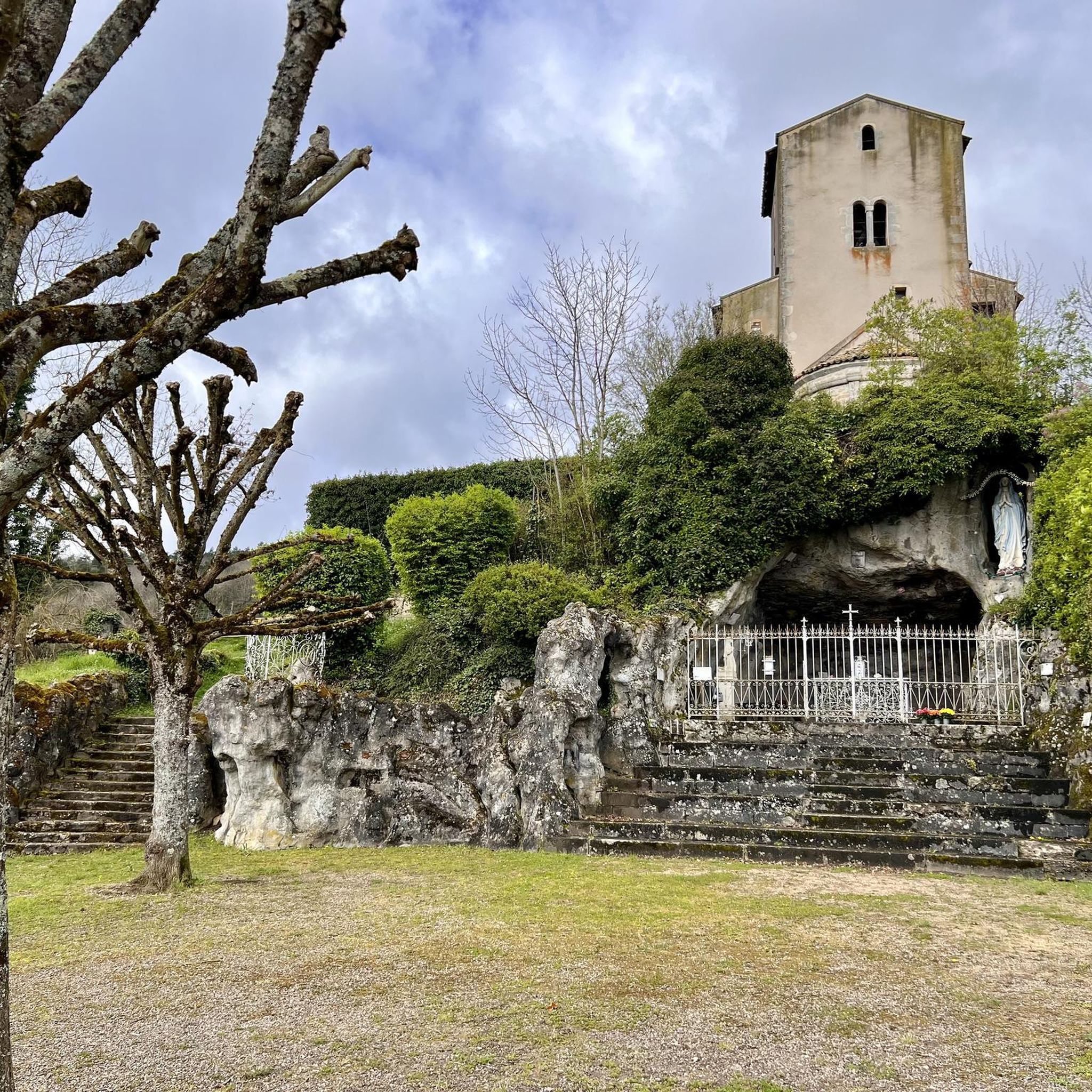
The cult of the Virgin is ancient in Lorraine, particularly on the Hill of Sion. The apparitions of Lourdes after those of La Salette mark the souls of a very Christianized population in the countryside. Pilgrimages to Lourdes gained momentum in the 1880s. In 1883, there were 1,600 pilgrims from Lorraine. The momentum was given. The idea naturally came to evoke or reproduce the Massabielle cave. https://www.bruley.mairie54.fr/fr/la-replique-de-la-grotte-de-lourdes.html
4
0
The general plan of the Rosary Chapel is reminiscent of the Rosary Basilica in Lourdes. It was built from 1892 to 1894 to the plans of the architect Jacquemin at the initiative of Canon Demange and then his brother. The chapel has three alveoli for the three mysteries: joyful mystery, painful mystery, glorious mystery. Each cell has five windows and five tables. The entire esplanade and the Rosary chapel were listed in the supplementary inventory of Historic Monuments in July 2005. https://www.bruley.mairie54.fr/fr/la-chapelle-du-rosaire.html
4
0
The fort was built around the existing village of Villey-le-Sec, partly because this strategically located location was also the only water supply in the vicinity at the time, and therefore it was not easy to relocate the residents. The design of the fort was the model for later defensive structures, such as those built in the Maginot Line. The fort was outside of any significant fighting in the world wars, so that although it remained virtually intact, it became increasingly less important strategically. It was therefore no longer maintained after the First World War. In the Second World War, many of the metal parts used were dismantled by the Germans. Today, guided tours organized by an association are offered between May and September. [Michelin Guide Vert]
3
0
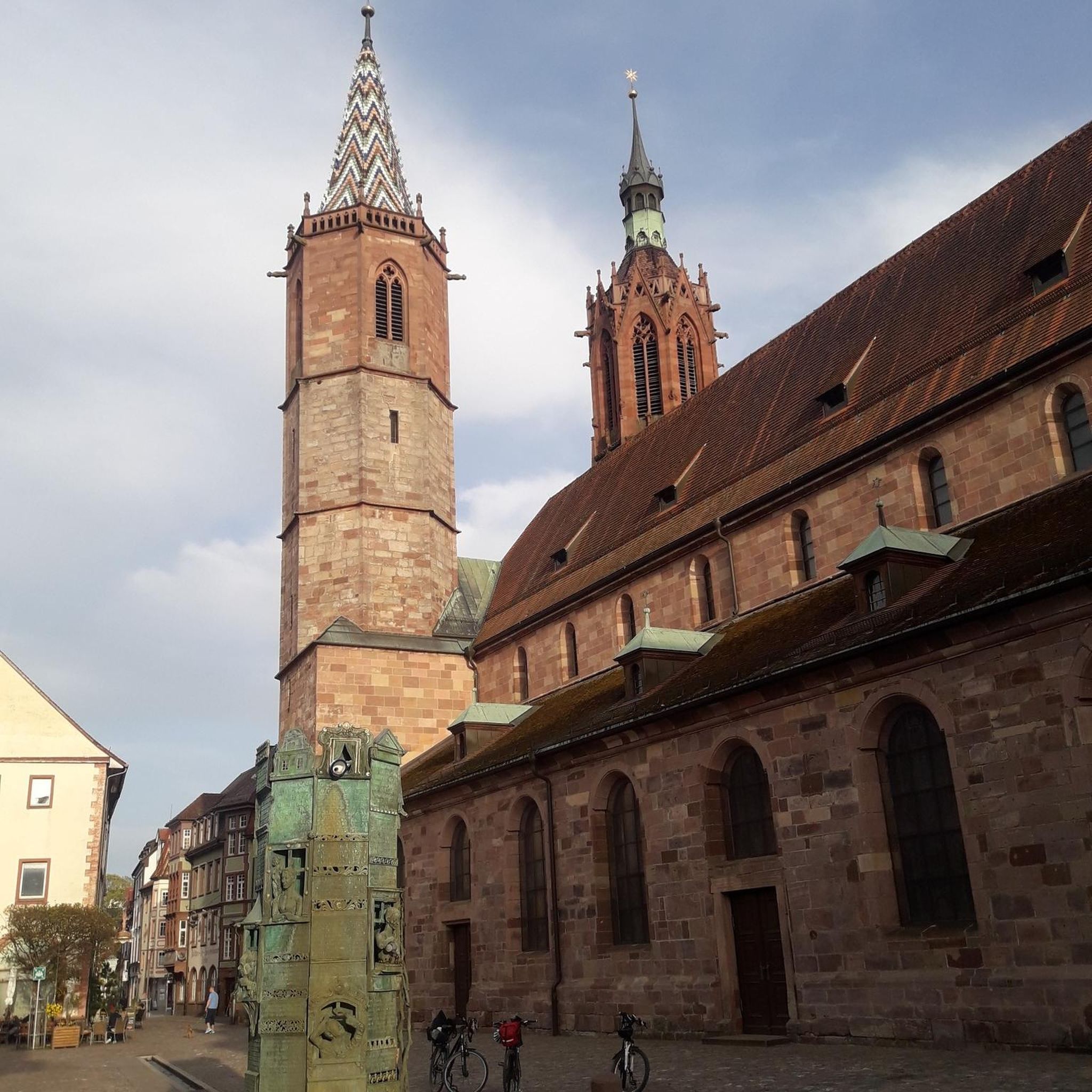
Toul Cathedral celebrated its 800th anniversary in 2021 (although it was not completed until after 1500). The monumental building dominates the cityscape from afar?
5
0

Fort Villey-le-sec, built between 1875 and 1879 in the south-east of Toul on a 345 m high hill, represents a unique ensemble in the fortifications of the Serè des Rivières era the hill was excellently suited to observe and combat a possible deployment of enemy troops. Since a wealthy landowner had already resisted expropriation during the construction of Fort de Bourlèmont and the location of Bourlèmont had to be shifted as a result, the French military also feared fierce resistance in the case of Villey-le-sec. In general, expropriation procedures could be carried out expeditiously when required by national security and when the land was vacant. But here it was a complete village with church and cemetery, which made things considerably more difficult. And so it was decided to surround the village with defenses instead of tearing it down. Source: http://www.festungsbauten.de/F/Toul_Villeylesec.htm
5
1

The town hall building
3
2

Impressive Gothic cathedral of Toul, which houses one of the largest cloisters in France! It was stripped of its statues during the French Revolution but kept its superb. Also worth seeing: its two cloisters and the adjoining garden, very pleasant for taking a break in the shade.
5
0
Frequently Asked Questions
What historical and religious sites can I visit around Bruley?
Bruley and its surroundings are rich in history and religious heritage. You can explore the impressive Gothic architecture of Saint Stephen's Cathedral, Toul, known for one of the largest cloisters in France. Another significant religious building is Toul Cathedral, featuring a beautiful Gothic design and a richly decorated west facade. Additionally, the area has the 12th-century St. Martin's Chapel, the 19th-century Chapel of the Rosary, and a replica of the Lourdes Grotto, reflecting the region's deep religious traditions.
Are there any historical forts or fortifications to explore near Bruley?
Yes, the region offers several historical fortifications. You can visit Fort de Villey-le-Sec, a unique defensive structure built between 1875 and 1879 that incorporated an entire village within its defenses. Bruley itself also has the historic Fort of Bruley. Furthermore, the city of Toul features Vauban Fortifications, though never fully completed, their contours are still visible and offer insight into 17th-century military engineering.
What natural features and landscapes can I enjoy around Bruley?
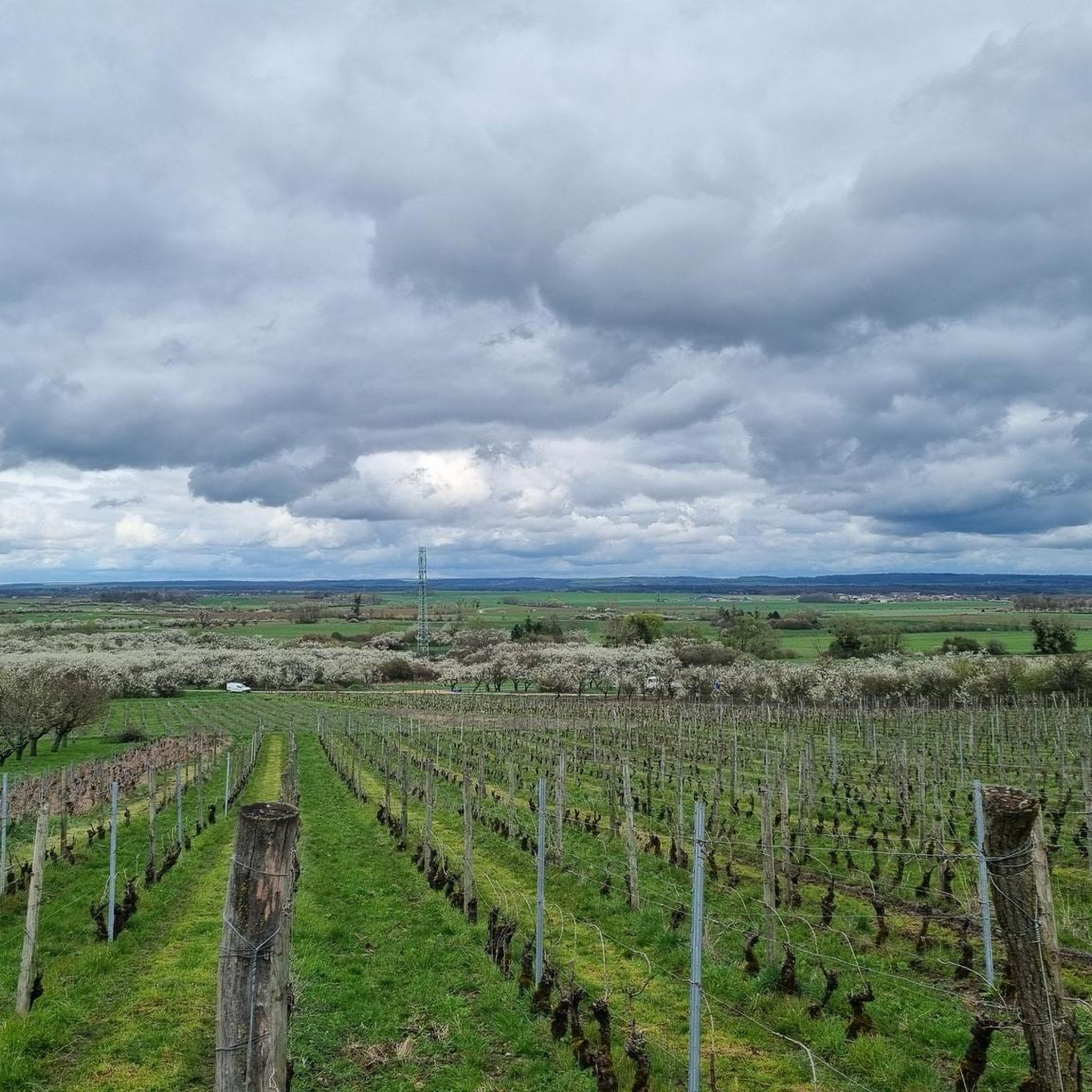
Bruley is nestled amidst picturesque vineyards, which are a defining natural feature of the area. The region offers a preserved rural environment with forests and scenic lanes. You can also find the Lourdes Grotto, a devotional site set in a gorge, which is a replica of the Massabielle cave.
What outdoor activities, like cycling or mountain biking, are available near Bruley?
The area around Bruley is excellent for outdoor activities. For cycling, you can find routes like 'Les Roises de Lucey – Forest Descent Trail loop' or 'View over Liverdun and the Moselle – Aingeray Lock loop'. Mountain biking enthusiasts can explore trails such as 'Descent With Jump – Lourdes Grotto loop' or 'Les Roises de Lucey – Lourdes Grotto loop'. For more options, check out the full guides for Cycling around Bruley, Gravel biking around Bruley, and MTB Trails around Bruley.
Are there any museums or cultural insights into the local life in Bruley?
Yes, to delve into the local culture and history, you can visit Le P'tit Musée d'Antan in Bruley. This museum showcases old tools and everyday objects, with a particular focus on viticulture, offering insights into the region's agricultural heritage and winemaking traditions.
What is the best time of year to visit Bruley and its attractions?
Bruley is particularly charming during the warmer months, from spring to early autumn (April to October), when the vineyards are lush and the weather is ideal for outdoor activities like hiking and cycling. The religious sites and historical forts are generally accessible year-round, but the pleasant weather enhances the overall experience of exploring the picturesque lanes and natural environment.
Are there family-friendly attractions around Bruley?
Many of the historical sites can be interesting for families, especially Toul Cathedral, which is listed as family-friendly. Exploring the Lourdes Grotto replica and the vineyards can also be enjoyable for families. The various walking and cycling trails in the area offer opportunities for active family outings.
What is the significance of winemaking in Bruley?
Winemaking is central to Bruley's identity and local life. The village is surrounded by sprawling vineyards, and it has a long-standing winemaking tradition. Visitors can discover the history of viticulture and taste local wines, as several local winemakers operate in the area. The Le P'tit Musée d'Antan also highlights this agricultural heritage.
What do visitors enjoy most about the attractions around Bruley?
Visitors frequently appreciate the impressive Gothic architecture of the cathedrals in Toul, particularly the large cloisters and richly decorated facades. The serene atmosphere of the Lourdes Grotto and the historical significance of sites like Fort de Villey-le-Sec are also highly rated. The preserved rural environment, vineyards, and opportunities for walking and cycling are also popular among the komoot community.
Where is Bruley located and what is its regional context?
Bruley is a charming commune located in the Meurthe-et-Moselle department of northeastern France. It is situated just 5 kilometers from Toul, a city known for its historical fortifications and attractions. The broader region, including the nearby Forêt de la Reine, offers additional opportunities for enjoying nature and exploring the rich cultural landscape of Lorraine.

Get inspired with the komoot mobile app


Explore more
Still not found the Highlight you’re looking for? See guides of the top attractions in other regions:
