The best road cycling routes around Baigneaux
3.6
(9)
56
riders
12
rides
Road cycling routes around Baigneaux traverse the Gironde department within the Entre-deux-Mers region of France. The area features diverse landscapes, including vast vineyards, lush green forests, and gentle rolling hills. Cyclists can expect well-maintained roads and dedicated cycle paths, providing varied terrain for different skill levels. The region's natural features offer both scenic beauty and opportunities for varied road cycling experiences.
Best road cycling routes around Baigneaux
- The most popular road cycling route is Saint-Sulpice Church loop from Sougy,…
Last updated: May 5, 2026
4.9
(7)
19
riders
28.9km
01:07
60m
60m
Easy road ride. Great for any fitness level. Mostly well-paved surfaces and easy to ride.
1.0
(1)
8
riders
59.2km
02:17
140m
140m
Moderate road ride. Good fitness required. Mostly well-paved surfaces and easy to ride.

Sign up for free
6
riders
49.7km
01:53
130m
130m
Easy road ride. Great for any fitness level. Mostly well-paved surfaces and easy to ride.
5
riders
99.5km
03:53
250m
250m
Moderate road ride. Good fitness required. Mostly well-paved surfaces and easy to ride.
4
riders
Easy road ride. Great for any fitness level. Mostly well-paved surfaces and easy to ride.
Get access to more routes and recommendations from other explorers.
Sign up for free
Already have an account?
Our route recommendations are based on thousands of hikes, rides, and runs completed by other people on komoot.
Start today with a free account
Your next adventure awaits.
Login or Signup
Popular around Baigneaux
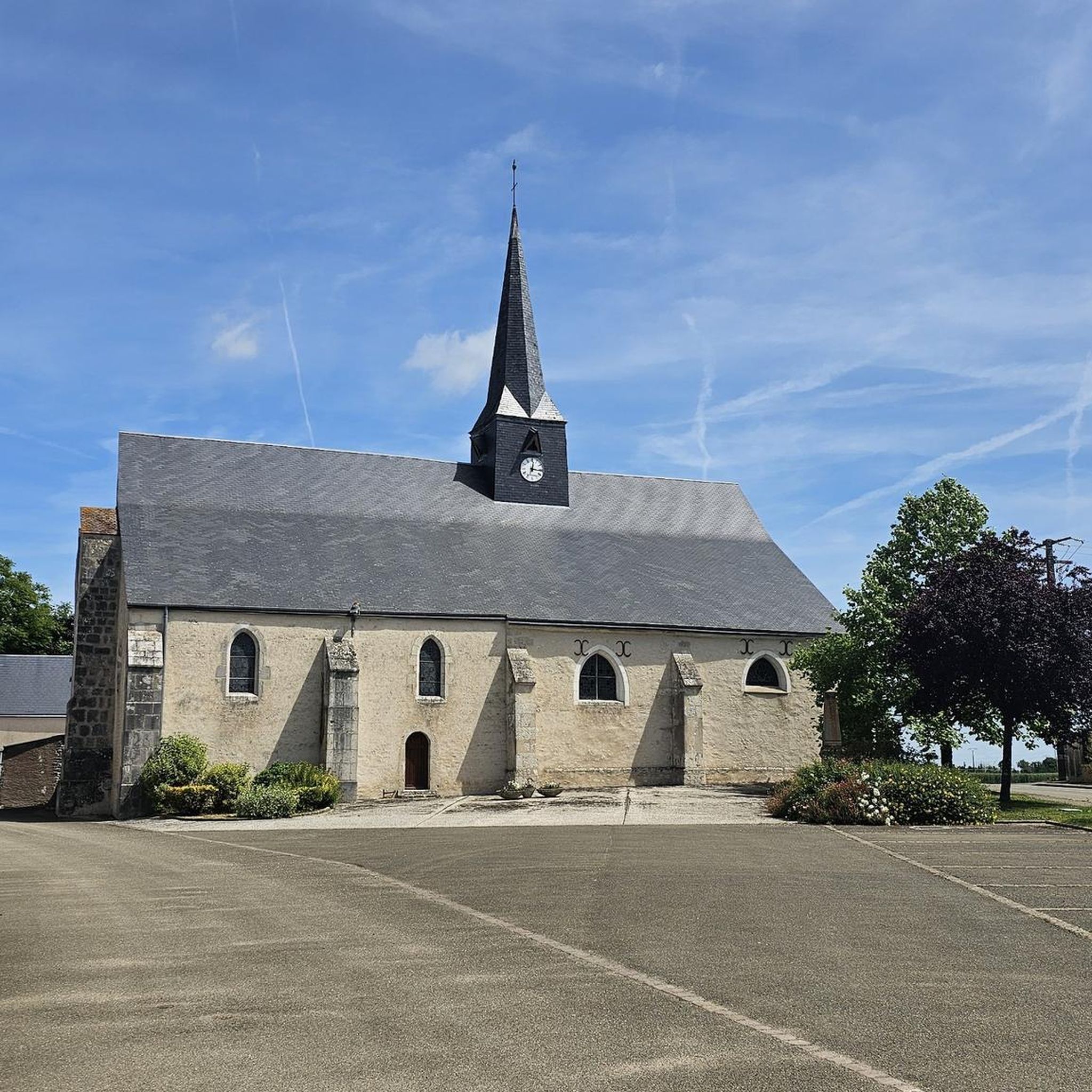

Tips from the Community

It was at the request of the parishioners of Orgères that the decision was made to demolish the old church. Typically, this type of partial or total destruction comes from the religious hierarchy. The current church was rebuilt at the end of the 19th century. The reconstruction is quite successful, judging by the choice of materials and the proportions of the building. The stained-glass windows created by the master glazier Loire are perfectly integrated into this new ensemble.
0
0
The Saint-Martin de Viabon church dates back to the 11th century. Its plan includes a nave ending in a semicircular apse. In the 15th century, a four-bay aisle forming gables was erected to the north. The bell tower also dates from this period. Adjacent to the south wall of the choir, it is octagonal in shape and pierced by sixteen overlapping pointed arches. It rests on a quadrangular tower with powerful buttresses. A semicircular arch known as a "wolf's tooth" arch survives between two buttresses in the south wall of the nave. It is surmounted by a small sculpted stone head at the base of the pointed arch window. The apse's framework is ancient. In 1862, the paneling of the main nave was replaced by a plaster-covered latticework with faux stone carvings. The restoration of the choir walls and vault, as well as the hollow brick vault of the side aisle, also dates from the same period. This building underwent numerous interior alterations in the 19th century. The eastern end of the side aisle is occupied by the Chapel of the Virgin, entirely decorated with paintings and gilding in 1887. For the restoration of the framework and roof, particularly the end of the side aisle, the Sauvegarde de l'Art Français (French Art Protection Agency) awarded a donation of €17,000 in 2002.
0
0
Building built to commemorate the battles of Loigny-la-Bataille on December 2, 1870. Nine thousand men fell in combat. The church was designed by the architect Lucien Douillard. The apse and the ossuary crypt, square in plan, are connected by two spiral staircases. The walls of the apse and the vault are decorated with paintings of historical and religious motifs, and covered with commemorative marble plaques bearing the names of the 700 recognized soldiers. The crypt preserves the tombs of Generals de Sonis and de Charette, as well as the bones of killed soldiers.
0
0
The Saint-Martin church dates from the 11th century. It was ravaged and burned by the Protestants, then restored at the end of the 16th century. It still retains remains of the Romanesque style, particularly in the nave which was rebuilt on the same plan, with stones and other debris from the fire.
0
0
After an unrealized project by the architect Plisson in 1861, church built in 1866, based on plans by Ricard, diocesan architect; with reuse of the previous 13th century building (bell tower)
0
0
Frequently Asked Questions
How many road cycling routes are available around Baigneaux?
There are over 10 road cycling routes available around Baigneaux on komoot, catering to various skill levels. These include 5 easy routes, 5 moderate routes, and 1 challenging route, ensuring options for every cyclist.
What kind of terrain can I expect on road cycling routes near Baigneaux?
Road cycling around Baigneaux offers a diverse landscape. You'll find routes winding through vast vineyards, lush green forests, and gentle rolling hills. While many dedicated cycle paths, like sections of the Roger Lapébie, are relatively flat, the broader Entre-deux-Mers region provides varied terrain with moderate climbs for those seeking more challenge.
Are there easy or beginner-friendly road cycling routes in Baigneaux?
Yes, Baigneaux is well-suited for beginners and those looking for easy rides. Routes like the Saint-Sulpice Church loop from Sougy offer minimal elevation gain through the local countryside. The region also benefits from dedicated cycle paths, such as the Roger Lapébie, which provide smooth, mostly flat surfaces ideal for relaxed cycling.
Are there any challenging road cycling routes for advanced riders around Baigneaux?
While many routes are gentle, the region does offer options for more advanced riders. The varied terrain of the Entre-deux-Mers landscape includes gentle slopes and hills that can provide a more demanding ride. For example, the Saint Lucain Church – Saint-Sulpice Church loop from Loigny-la-Bataille is a moderate route that covers nearly 100 km with over 250 meters of elevation gain, offering a longer and more strenuous experience.
What are the best times of year for road cycling in Baigneaux?
The spring and autumn months are generally ideal for road cycling in Baigneaux, offering pleasant temperatures and beautiful scenery as the vineyards change color. Summer can also be enjoyable, with lush forests providing welcome shade. Winters are typically mild, but it's always advisable to check local weather conditions before heading out.
Are there circular road cycling routes available around Baigneaux?
Yes, many of the road cycling routes around Baigneaux are designed as loops, allowing you to start and finish in the same location. Examples include the Saint Martin Church – Saint-Sulpice Church loop from Sougy and the Saint-Sulpice Church – Saint Martin Church loop from Sougy, which take you through vineyards and forests.
What historical or cultural attractions can I see along road cycling routes?
The region around Baigneaux is rich in history and culture. You can cycle past charming medieval villages and bastides like Sauveterre-de-Guyenne and Créon. The impressive Abbey of La Sauve-Majeure, a UNESCO World Heritage site, is also accessible via a short detour from some cycling paths. Numerous châteaux and wine estates dot the landscape, offering picturesque landmarks and potential stops.
What do other road cyclists enjoy most about cycling in Baigneaux?
The road cycling routes around Baigneaux are highly rated by the komoot community, with an average score of 3.0 stars. Cyclists often praise the well-maintained roads, the extensive network of routes through vineyards and forests, and the charming rural landscapes that provide a varied and enjoyable experience for all skill levels.
Are there family-friendly road cycling options in the Baigneaux area?
Absolutely. The region's dedicated cycle paths, such as the Roger Lapébie, are particularly suitable for families. These paths offer smooth asphalt surfaces and mostly flat terrain, making them safe and enjoyable for cyclists of all ages and abilities. Many easy routes also traverse quiet country roads with minimal traffic.
Can I find scenic viewpoints or picturesque spots on road cycling routes near Baigneaux?
Yes, the Entre-deux-Mers region is known for its scenic beauty. You'll find picturesque views winding through vast vineyards, lush forests, and along the Garonne River. The gentle rolling hills also offer rewarding vistas of the surrounding countryside and charming villages, providing plenty of opportunities for memorable stops.
Are there options for longer road cycling tours that connect to other regions?
Yes, the Roger Lapébie cycle path, which is a significant feature of the region, is part of longer routes like the Eurovelo 3, Canal des 2 Mers à Vélo, and the Tour of the Gironde. This provides expansive touring opportunities for cyclists looking to explore beyond the immediate Baigneaux area and connect to other parts of France.
Most popular routes around Baigneaux

Get inspired with the komoot mobile app


Explore more
Browse the best Road cycling routes in other regions.
