Attractions and Places To See around Murzo - Top 20
Best attractions and places to see around Murzo include a blend of cultural heritage, natural beauty, and historical sites. This mountain village on the island of Corsica, France, is situated near the Parc Naturel Régional de Corse. The area features impressive gorges, serene lakes, and historical landmarks. Visitors can explore a diverse landscape ranging from river valleys to mountain passes.
Best attractions and places to see around Murzo
- The most popular attractions is Spelunca gorges, a gorge that extends…
Last updated: August 29, 2026
Spelunca gorges
Highlight • Gorge
Translated by Google •
Tip by

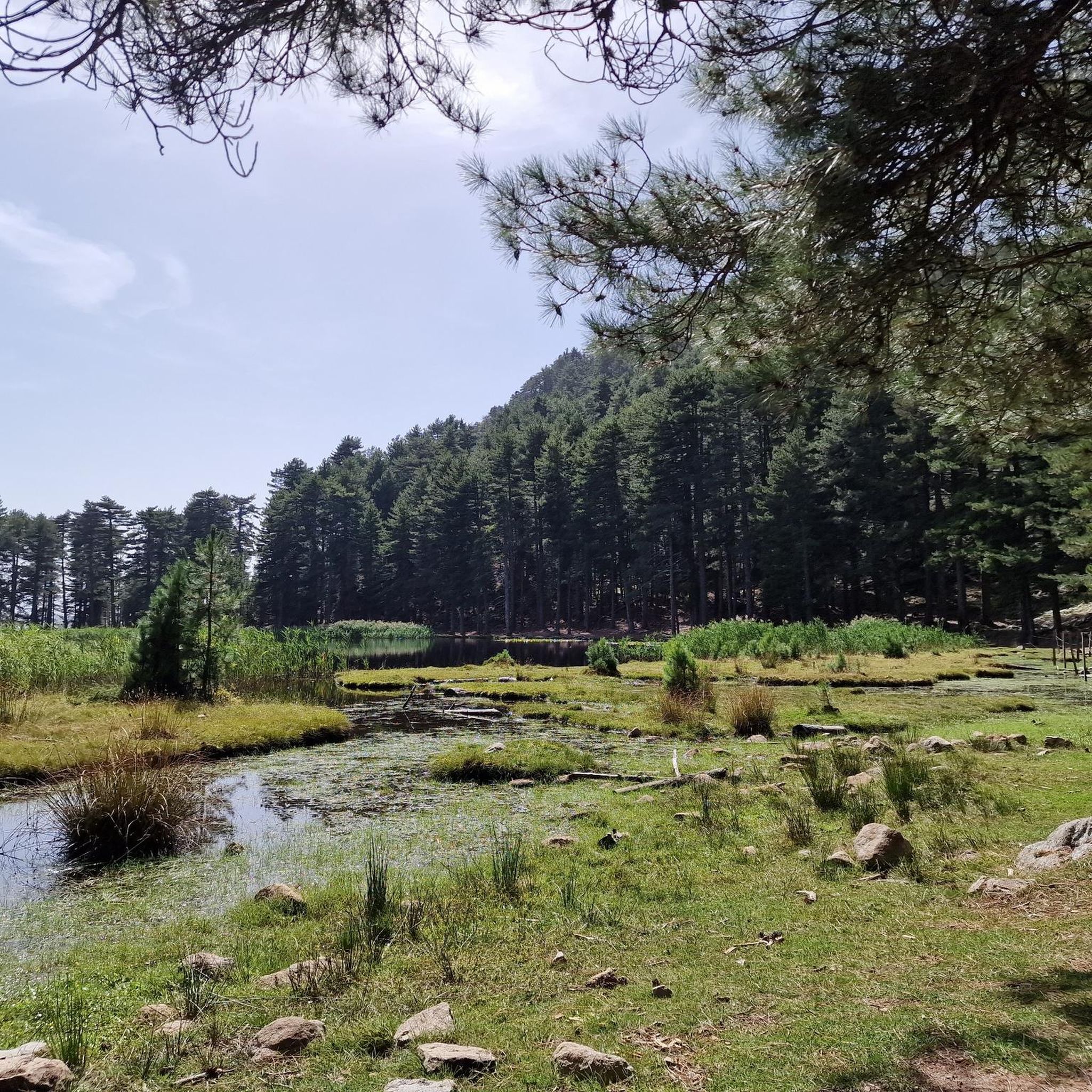
Lac de Creno
Highlight • Lake
Translated by Google •
Tip by

Sign up now to discover places like this
Get recommendations on the best single tracks, peaks, & plenty of other exciting outdoor places.
Sign up for free
Manganu Refuge
Highlight • Mountain Hut
Campers can also pitch their tent …
Translated by Google •
Tip by

Sentier de la Spilonca
Highlight (Segment) • Other
Translated by Google •
Tip by

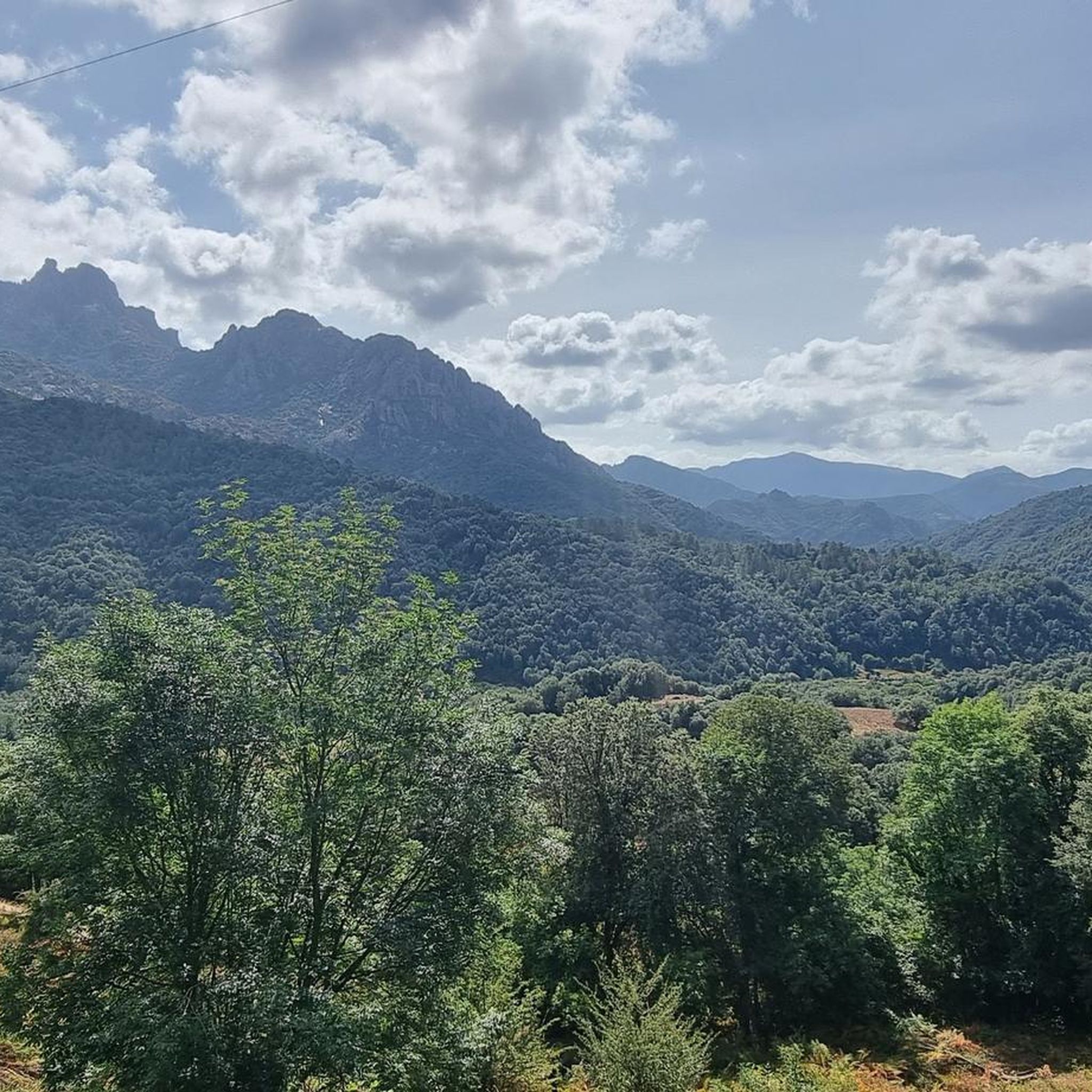
Beautiful view of the valley
Highlight • Other
Translated by Google •
Tip by
Sign up for free to discover even more attractions around Murzo.
Sign up for free
Already have an account?
Start today with a free account
Your next adventure awaits.
Login or Signup
Tips from the Community

The Manganu refuge is located at the foot of the Capitellu gap. The refuge is well equipped, very comfortable, and offers toilets and showers. Campers can also pitch their tent around the refuge. You can also treat yourself with the refuge's small artisanal grocery store which offers charcuterie, cheese and small Corsican pastries. Reservations must be made on the refuge's website.
1
0

It's possible to go up again on the e-bike and return to the starting point (40 minutes), at the same time another experience!
0
0

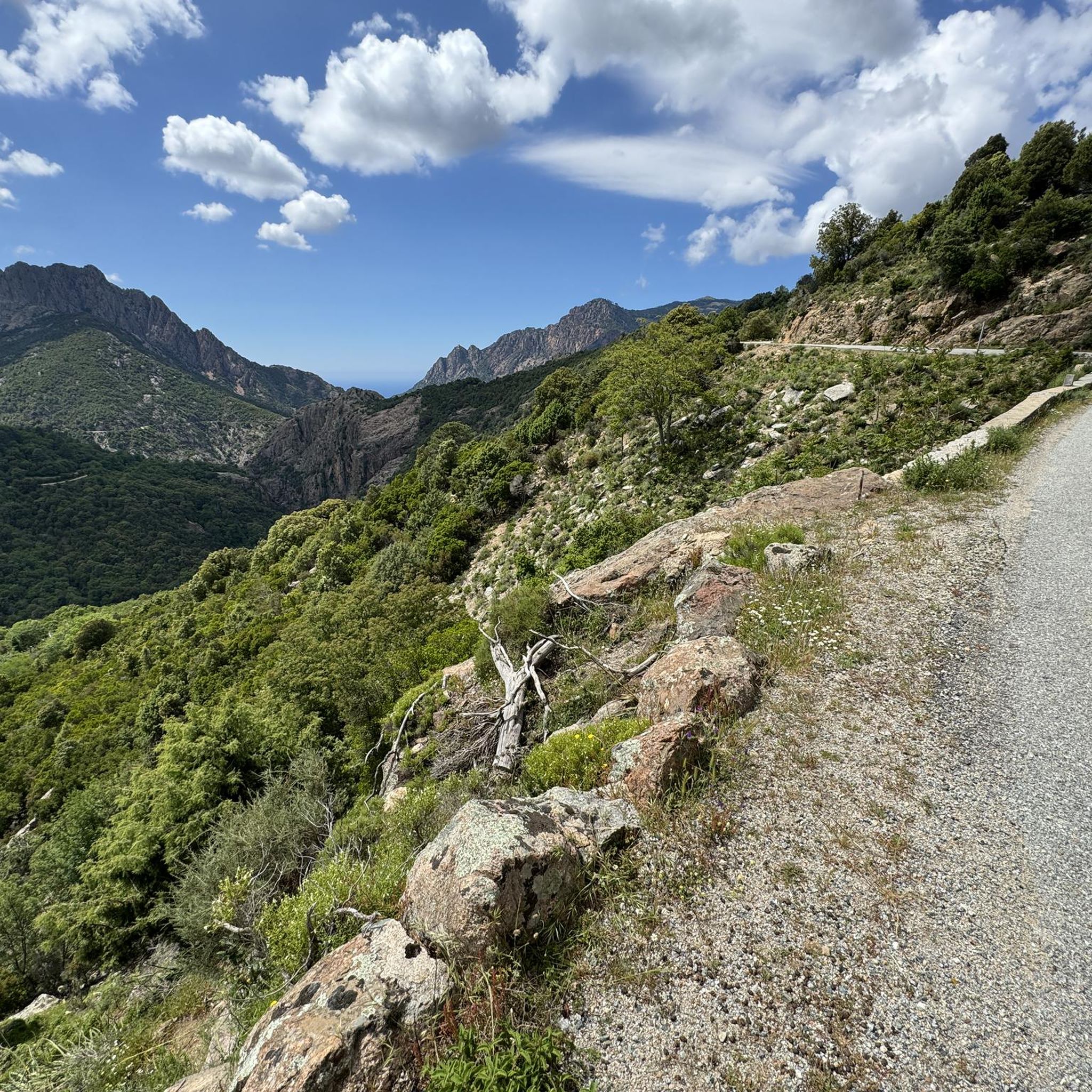
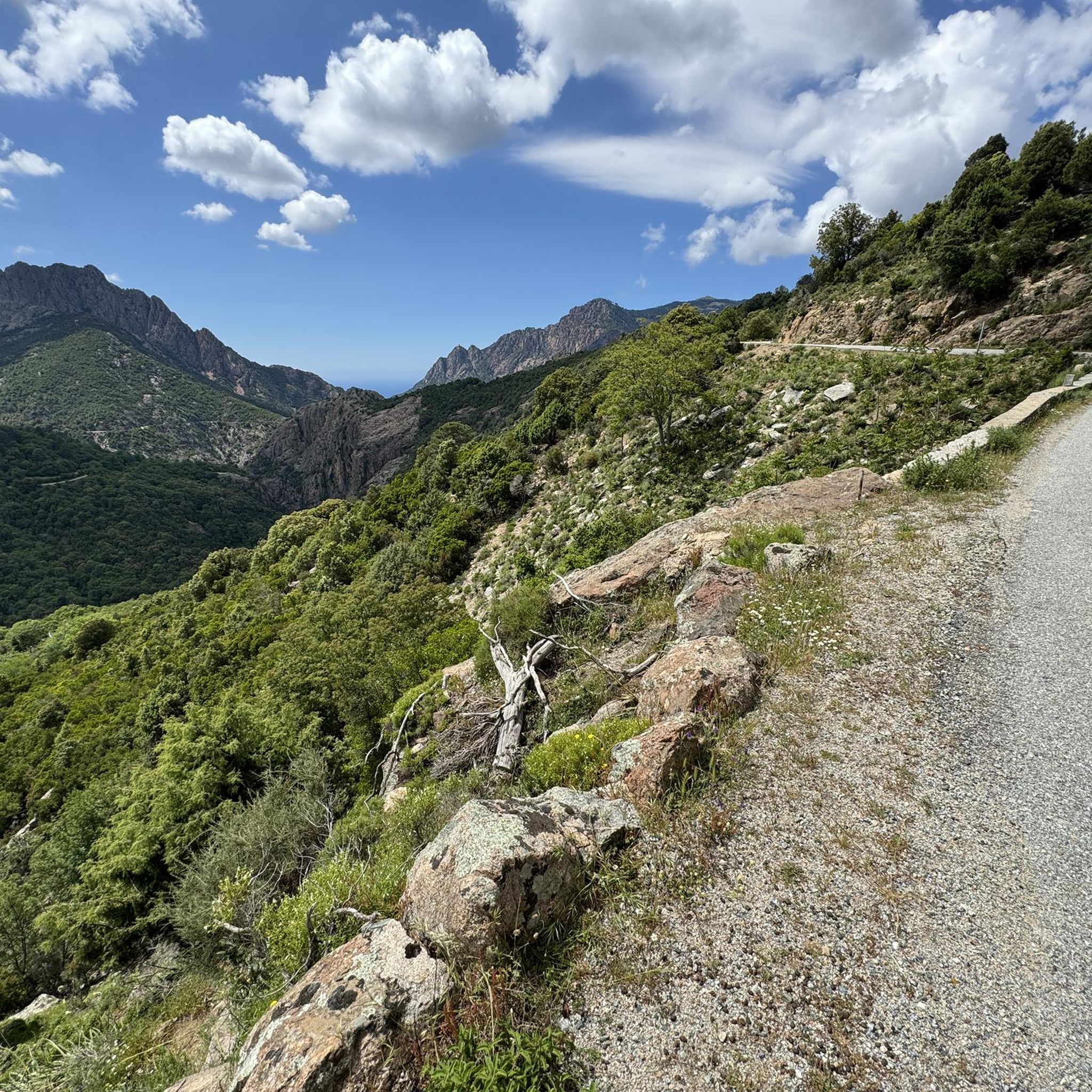
The gorges of the Spelunca are crossed by the stream of Tavulella which takes the name of Porto port in the Corsican language at the exit of the gorges. In its crossing, the Tavulella is fed by the waters of the Aïtone stream, the point of confluence being located downstream of the Genoese bridge of Zaglia. The gorges offer vertiginous landscapes, dominated by a huge rock at the top of which is said to have existed in the place called U Castellu, the Leca castle destroyed in the 17th century according to local legend.
9
1
Ota is located in the “Delà des Monts”, or ancient western Corsica, made up mainly of granitic rocks, as usually distinguished by geologists in the south-west of the island, as opposed to the “Delà des Monts” or “Delà des Monts” or “Delà des Monts”. Shale Corsica” to the northeast. Here, the base made up of alkaline granites has been deeply cut by the Porto river, which, upstream, has dug dizzying gorges (Spelunca gorges). The granitic rocks of the substrate give the series of acidic brown soils, Mediterranean brown soils and lithosols. The soils are generally shallow or moderately deep.
7
0
The mule trail starts from the D84 road at the western entrance to Évisa at an altitude of 850 m. It takes the Tra Mare e Monti long-distance hiking trail which links Calenzana in the north to Cargèse in the south, via Ota and Évisa. It passes over the Zaglia bridge spanning the Tavulella stream. The trail ends (Ota side) at a place called “les 2 ponts”, where the D124 road crosses the Tavulella river and the Lonca stream. The location allows roadside parking. The road goes up, gently sloping to Ota. From the “2 bridges” the path goes back to the small village of Ota, passing over another Genoese bridge, the Pianella bridge. The remarkable Ota rock, Capu d'Ota (890 m), is visible from the middle of the trail. This interpretive trail goes down along the heavily wooded Spelunca gorges and marked by no less than 25 panels or lecterns explaining the fauna, the flora, the construction of a mule yard and the making of a Genoese bridge. It is above all an easy, cultural walk, which can be enhanced by a picnic stop and a swim in the river with its translucent and fresh waters.
7
0

Unfortunately, you rarely get such beautiful panoramic views during the climb to Evisa, as the path actually leads permanently uphill through the forest. But the rare opportunities with a view are certainly worthwhile.
1
0

Embedded at the foot of the Capitellu breach, the Manganu refuge offers good hot meals with comfortable equipment. Take the opportunity to regain your strength before starting the steep climb that leads to the breach.
0
0
Frequently Asked Questions
What natural attractions can I explore near Murzo?
Murzo is surrounded by stunning natural beauty. You can visit the impressive Spelunca gorges, known for their vertiginous landscapes and an old mule track. Another must-see is Lac de Creno, famous for its water lilies and picturesque pine trees. The area is also close to the Parc Naturel Régional de Corse, offering diverse landscapes from river valleys to mountain passes.
Are there any historical or cultural sites to visit in Murzo?
Yes, Murzo offers a rich cultural heritage. You can explore the Neoclassical Church of San Lorenzo, built with stones from an older Romanesque church, and its cemetery with impressive family tombs. The village is also home to the Maison du Miel (Honey House), an interpretation center dedicated to Corsican beekeeping. Don't miss the ruins of Zirlina Castle, a former stronghold from 1488, or the traditional hamlets of Muna and Muricce.
What outdoor activities are available around Murzo?
The region around Murzo is ideal for outdoor enthusiasts. You can embark on various hiking adventures, including routes around Lac de Creno or along the Liamone River. For more options, explore the hiking routes around Murzo. Cycling is also popular, with numerous road cycling and touring bicycle routes available.
Are there family-friendly attractions or activities near Murzo?
Absolutely! Lac de Creno is a family-friendly spot where you can enjoy the serene lake and even ride ponies or horses. The Pont de Baccu di a Sarra, crossing the Liamone river, is another great place for families, offering opportunities for swimming and relaxation.
Where can I find the best panoramic views around Murzo?
For breathtaking panoramic views, head to Bocca a Reta, a mountain pass that is the highest point of stage 7 of a trail. From here, you can easily climb the nearby Capu a u Tozzu for an even more expansive view of Corsica. The Spelunca gorges also offer dramatic viewpoints of the deep canyon.
What is the Maison du Miel?
The Maison du Miel, or Honey House, in Murzo is a unique interpretation center and museum dedicated to Corsican bees, beekeeping practices, and the local melliferous plants. It also features a botanical interpretation path and the village hosts an annual honey fair, highlighting Murzo's strong connection to honey production.
Can I find accommodation or places to eat along hiking trails?
Yes, if you're undertaking longer hikes, the Manganu Refuge is a well-equipped and comfortable option located at the foot of the Capitellu gap. It offers accommodation, toilets, showers, and even a small artisanal grocery store with local charcuterie, cheese, and pastries. Campers can also pitch their tents around the refuge.
What is the significance of the Liamone river near Murzo?
The commune of Murzo is bordered by the Fiume Liamone river. This river flows into the Gulf of Sagone north of Ajaccio and is known for its scenic beauty. The Pont de Baccu di a Sarra crosses the Liamone, providing a picturesque spot for relaxation and swimming.
What do visitors enjoy most about the attractions around Murzo?
Visitors particularly appreciate the stunning natural beauty and the sense of tranquility. The Spelunca gorges are highly praised for their impressive and deep canyon, while Lac de Creno is cherished as a 'little paradise' in the mountains. The panoramic views from high points like Bocca a Reta are also frequently highlighted as gigantic and among the most beautiful in Corsica.
Are there any unique natural features or landscapes to see beyond the main attractions?
Beyond the well-known spots, the area boasts other unique natural features. Murzo is near a part of the Libbiu state forest, known for its Corsican pine trees. You'll also find significant chestnut groves throughout the region. The Rock of the Sposata, named after an ancient legend, is another interesting natural landmark at the village's exit.
What are some challenging hiking options near Murzo?
For those seeking a challenge, consider the 'Soccia monumental cross – Lac de Creno loop' or the 'Manganu Refuge – Lac de Creno loop' which are both rated as difficult. The ascent to Bocca a Reta and the subsequent climb to Capu a u Tozzu also offer a rewarding challenge with incredible views.
Most popular attractions around Murzo

Get inspired with the komoot mobile app


Explore more
Still not found the Highlight you’re looking for? See guides of the top attractions in other regions:
