Attractions and Places To See around Clumanc - Top 20
Best attractions and places to see around Clumanc include a mix of historical sites, natural monuments, and settlements. The region features mountain passes and chapels offering panoramic views. Clumanc is situated in an area known for its geological treasures and unique artistic installations. Visitors can explore a diverse landscape that combines cultural heritage with natural beauty.
Best attractions and places to see around Clumanc
- The most popular attractions is Saint-Michel-de-Cousson Chapel, a religious building located on a rocky outcrop.…
Last updated: July 7, 2026
Saint-Michel-de-Cousson Chapel
Highlight • Religious Site
Translated by Google •
Tip by

Digne-les-Bains
Highlight • Settlement
Translated by Google •
Tip by
Sign up now to discover places like this
Get recommendations on the best single tracks, peaks, & plenty of other exciting outdoor places.
Sign up for free
Col du Défens (1,230 m)
Highlight • Mountain Pass
Translated by Google •
Tip by

Barrême
Highlight • Settlement
Translated by Google •
Tip by
Sentinel of the Asse – Andy Goldsworthy
Highlight • Monument
Translated by Google •
Tip by

Sign up for free to discover even more attractions around Clumanc.
Sign up for free
Already have an account?
Start today with a free account
Your next adventure awaits.
Login or Signup
Tips from the Community

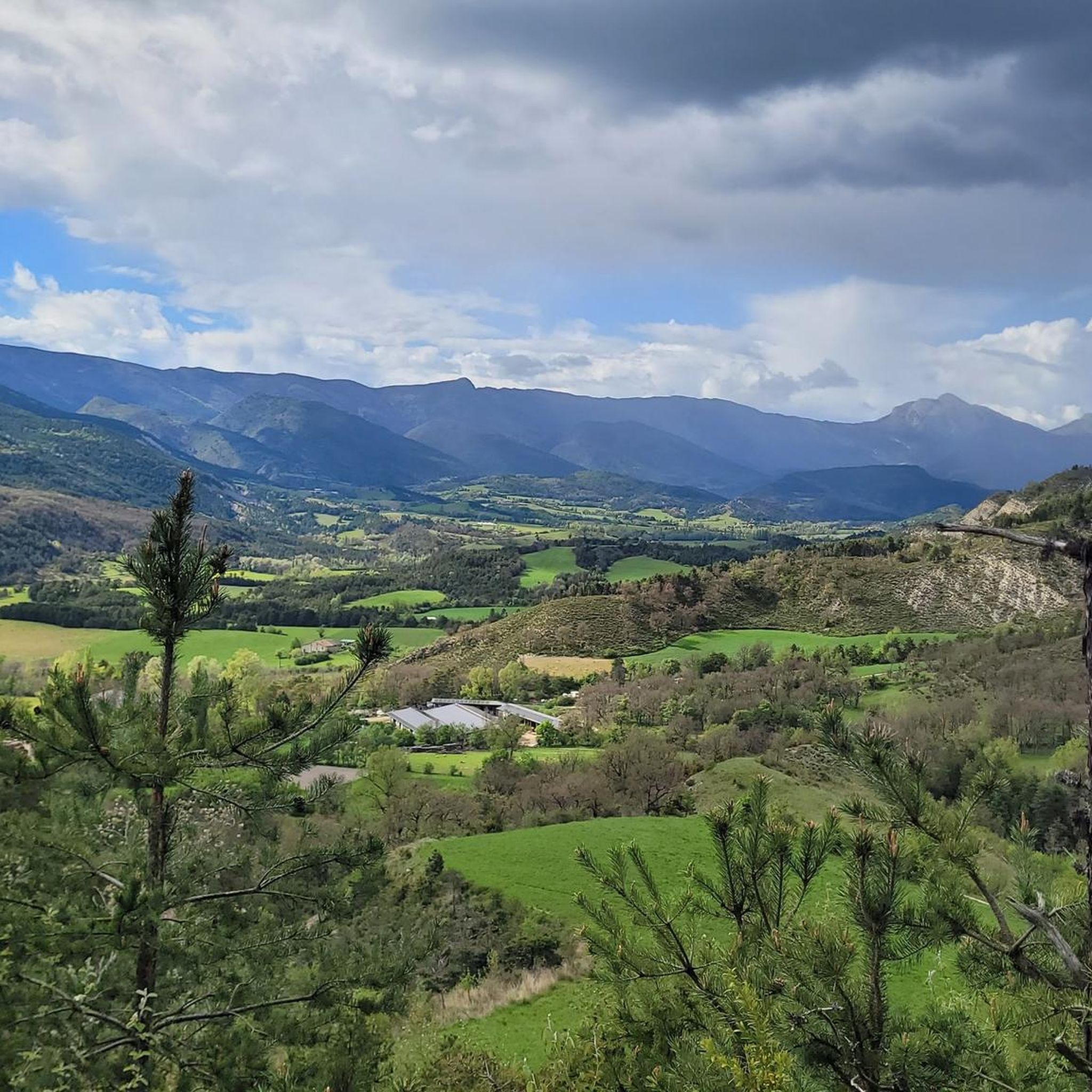
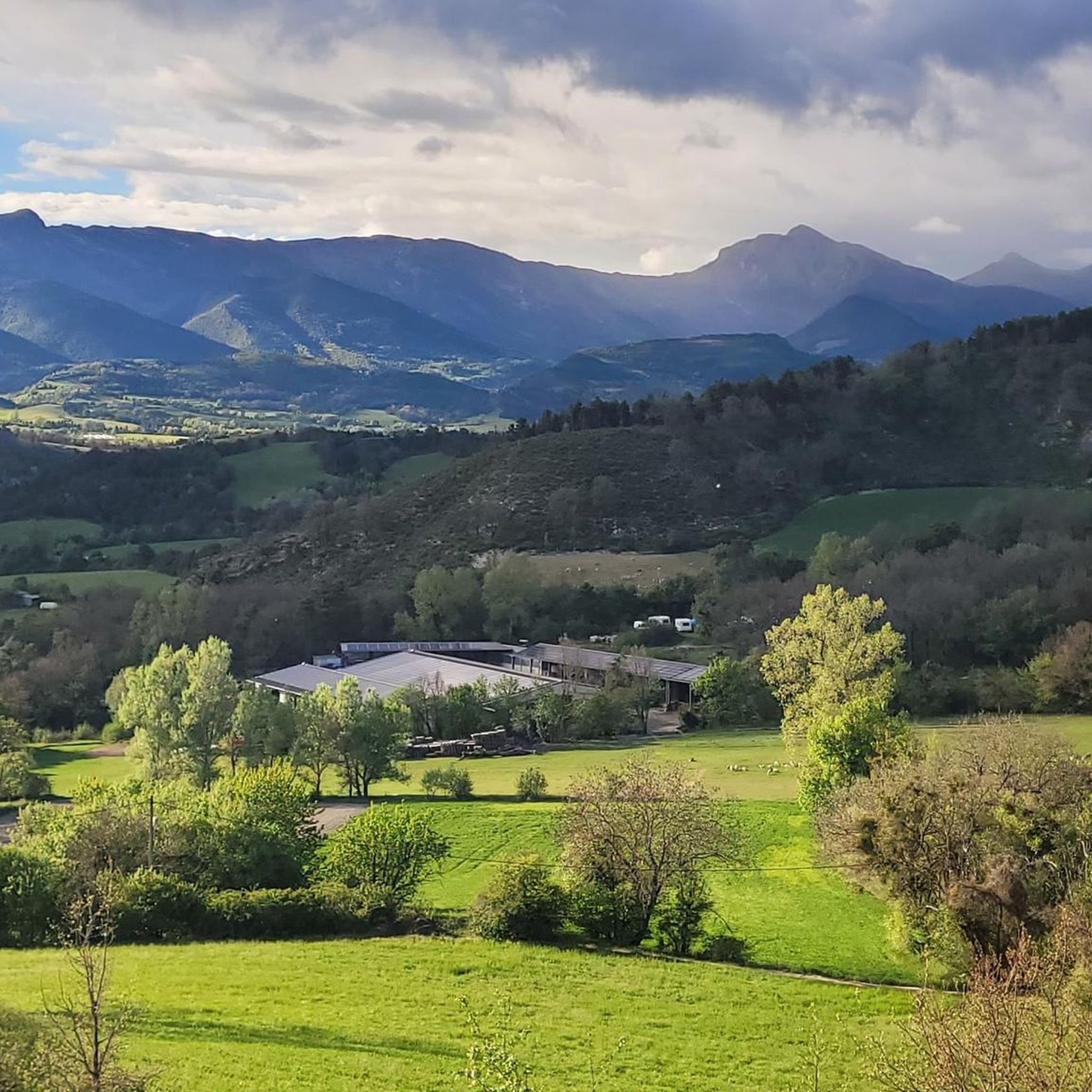
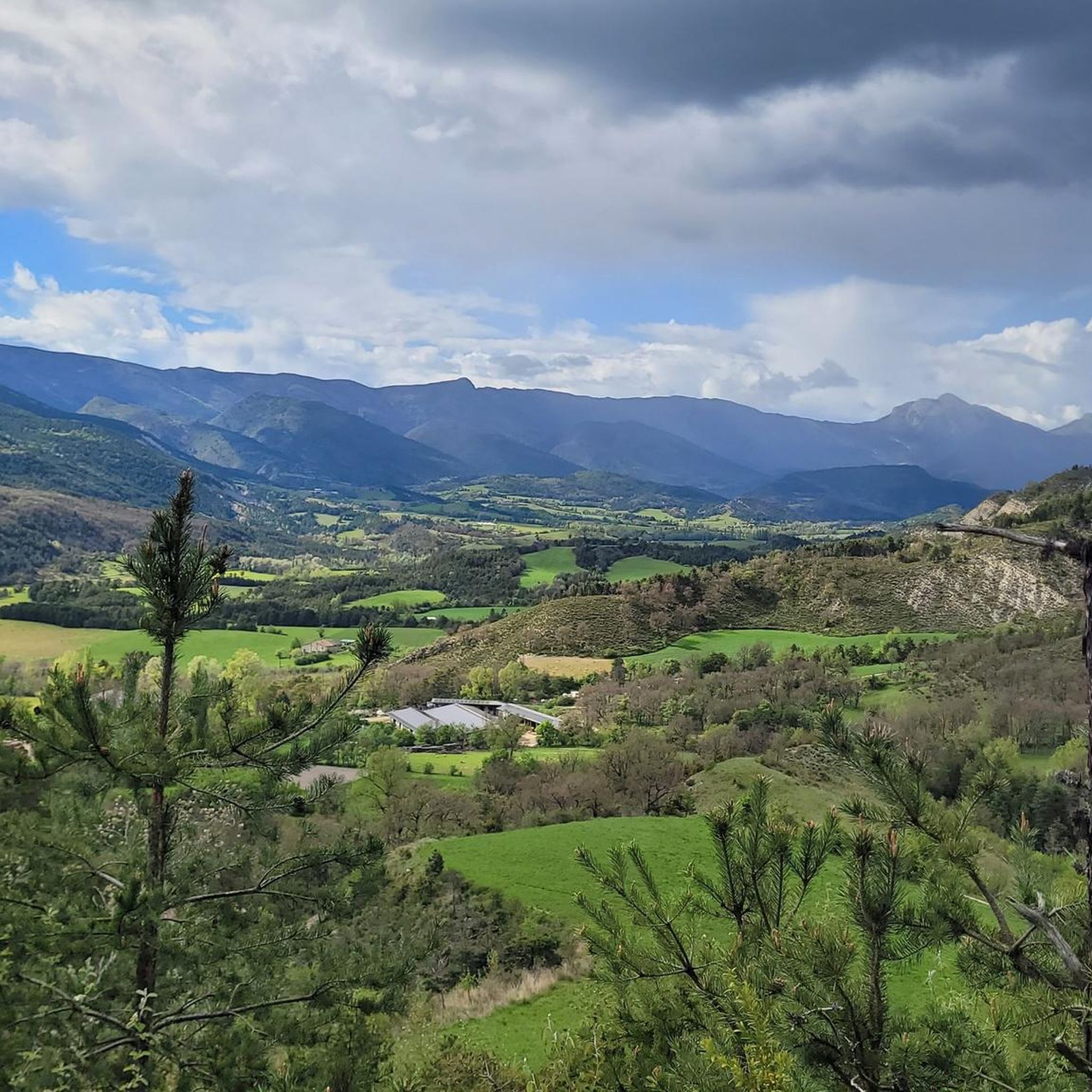
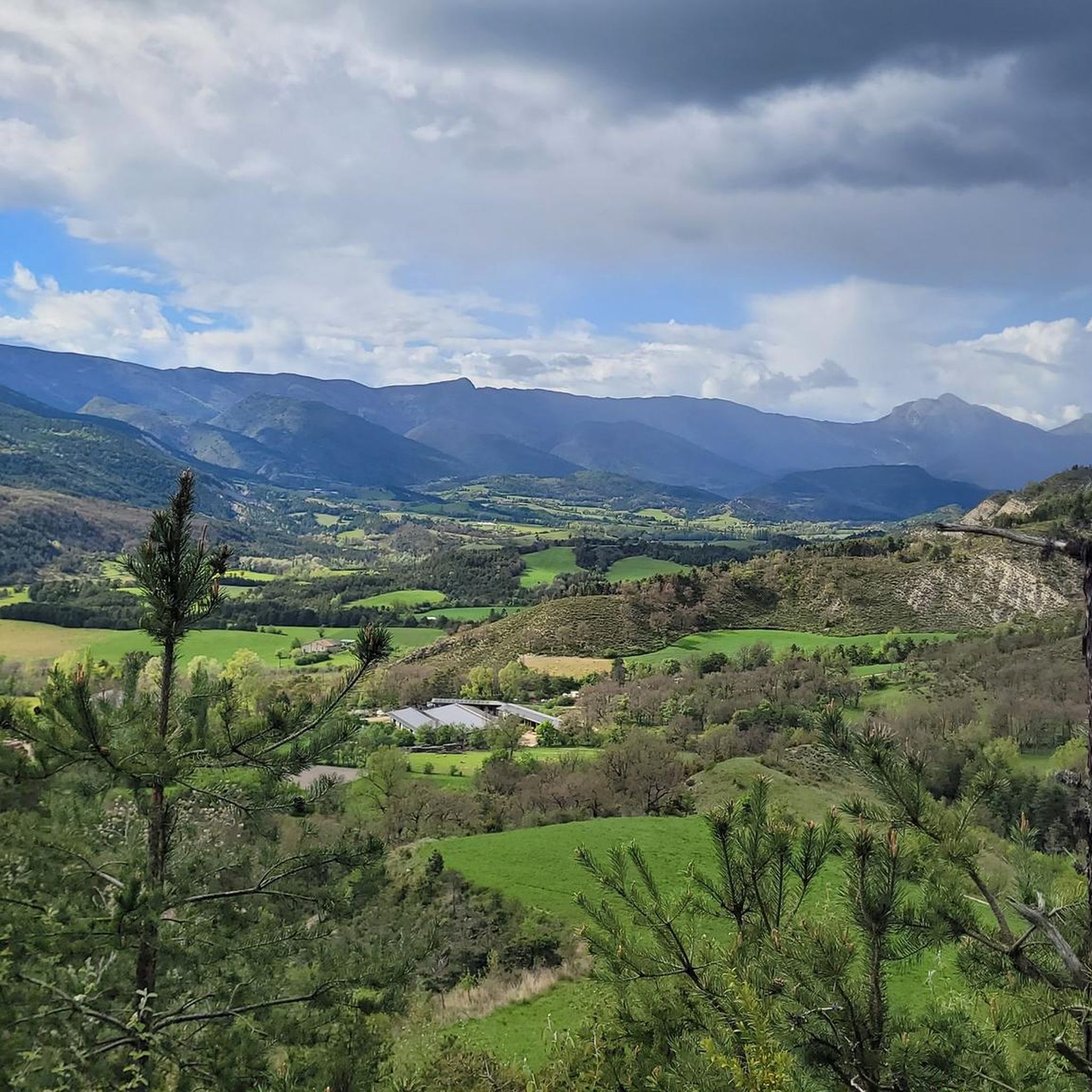
Beautiful landscape, small road, only the last bends are strenuous.
3
0

At the bend of a hairpin bend, this egg is a work of Andy Goldsworthy. This is one of the three “Sentinels” of the Refuge d’Art course; it represents the Asse valley.
1
0

This place of worship, the chapel "Saint-Michel-de-Cousson", was dedicated to the Archangel Michael. The name (coming from the Hebrew language) means “Who is like God?” He is often depicted - in paintings or as a statue - with a flaming sword, and occasionally a lance. Michael is - together with Raphael and Gabriel, occasionally Uriel is also included - one of the three or four archangels who (according to human understanding) occupy the highest rank in the heavenly hierarchy of angelic beings. Their common feast day in the saints' calendar is September 29th.
3
1


On the western slope, after going up the long Asse de Clumanc Valley from Barrême, the difficulties really begin in Tartonne with a first ramp of 1.5 km at 6.5%. Then after a small flat area comes a nice final of 2.6 km where the slope will be around 7%. On this side you can see one of Andy Goldsworthy's sentinels, an ovoid-shaped cairn placed at the side of the road as part of an artistic trail created by this renowned artist practicing land art. On the eastern slope, nothing very complicated until Lambruisse with 5 km where the hardest passage will not exceed 4.5%. On the other hand, things become tougher with the final including 1.8 km at 6.5% on average, but the last 350 meters are at 8.5%. The road is very beautiful and quiet on both sides. This pass is enchanting.
2
0
This strange construction which sits in one of the bends of the Col du Défens is in reality a work by Andy Goldsworthy, a major figure in land art. It is part of the route entitled “Refuge d’art” which offers a 150 kilometer hike, imagined and created by the British artist through the National Geological Nature Reserve of Haute-Provence. This artistic itinerary, original and unique in Europe, combining contemporary art, hiking and rural heritage, includes ten works scattered throughout the Dignois region. Among them, three ovoid stone cairns, designated as “Sentinels”, one for each of the three valleys of the Haute-Provence Geological Reserve. Besides this one which represents the Asse valley, you can find another sentinel in the Clue de Barles, at the edge of the road at the foot of the cliff, representing the Bès valley, and the third in the commune of Authon in the Vançon valley. “It is the top of the cairn which brings the energy of the stone to its peak, just as it is in the keystone of an arch that all the energy is concentrated. »Andy Goldsworthy Andy Goldsworthy's work and vision were the subject of a film entitled "Rivers and tides" which you can see here: https://www.dailymotion.com/video/x15e83f?playlist=x54l1y or just the trailer: https://www.dailymotion.com/video/xjggqk?fbclid=IwAR2l_oUGJuU5sc5vLobLojCfRrBf3xa42fqjOKc-uL4DrOQomGKoypSHfWk For more information on the “Refuge d’art” route: https://www.tourisme-alpes-haute-provence.com/refuge-art-andy-goldsworthy/
3
1

The ascent of the Col du Défens is on a good quality road with very little traffic, beautiful scenery and an easy climb on both sides. The icing on the cake is an egg-shaped sculpture by Andy Goldworthy that you will come across at some point.
1
0
This small village is very rich in fossiliferous sites. It is an eponymous site. It gives its name to a very ancient period of life on earth. Indeed the Barrêmian is a period of the secondary era very rich in ammonites. The concentration is such that some fountains in the village, you will see, are made up of these fossils. The rich collection of paleontologists Marthe and Louis Maurel can be admired in the natural history museum located in the town hall of the village. For fans of more contemporary stories, know that Napoleon Bonaparte spent the night in the village on March 4, 1815.
1
0
Frequently Asked Questions
Are there family-friendly attractions around Clumanc?
Yes, several attractions are suitable for families. Digne-les-Bains is a spa town with thermal baths and an aquatic complex, offering relaxation for all ages. The town is also known for its geological treasures, like the ammonite slab. Another great option is Barrême, a village rich in fossiliferous sites where you can see ammonites embedded in fountains and visit a natural history museum.
What historical or cultural sites can I visit near Clumanc?
The region offers a mix of historical and cultural experiences. The Saint-Michel-de-Cousson Chapel, perched on a rocky outcrop, is a significant religious building with historical roots and stunning views. Digne-les-Bains has a rich history as a spa town, while Barrême is famous for its ancient fossil sites and even hosted Napoleon Bonaparte for a night.
Where can I find unique artistic installations or 'hidden gems' in the area?
For a unique cultural experience, visit the Sentinel of the Asse – Andy Goldsworthy. This intriguing egg-shaped sculpture is part of the “Refuge d’art” route, a 150-kilometer artistic itinerary combining contemporary land art, hiking, and rural heritage through the National Geological Nature Reserve of Haute-Provence. It's one of three such 'Sentinels' in the region.
What kind of natural landscapes and viewpoints can I explore?
Clumanc is surrounded by diverse natural beauty. The Saint-Michel-de-Cousson Chapel offers breathtaking panoramic views from its promontory. The Col du Défens (1,230 m) is a mountain pass known for its magnificent scenery and minimal traffic, making it ideal for a scenic drive or cycle. Additionally, Digne-les-Bains is nestled between a torrent and a river valley, offering remarkable natural surroundings and geological features.
Are there opportunities for hiking near Clumanc's attractions?
Absolutely. The region around Clumanc is excellent for hiking. You can find trails ranging from moderate to difficult, such as the 'Joli panorama – Trail to the Pas de la Faye loop' or the 'Old salt spring – Tartonne loop'. For more detailed information and routes, explore the Hiking around Clumanc guide.
What cycling routes are available around Clumanc?
Cyclists will enjoy the scenic roads around Clumanc. Options include challenging routes like the 'Lac de Castillon - Haute-Provence Geological National Nature Reserve' or the 'Col des Robines – Verdon Viaduct loop'. There are also moderate routes such as the 'Digne-les-Bains loop'. Discover more routes in the Road Cycling Routes around Clumanc guide.
Can I go running on trails near these attractions?
Yes, there are several running trails available. You can find challenging routes like 'Chapelle Saint-Michel-de-Cousson depuis Entrages in trail' or 'Col des Robines loop from Moriez'. Moderate options include 'Sentier des Pêcheurs loop' and 'Lake Castillon loop'. For a comprehensive list, check out the Running Trails around Clumanc guide.
What makes Barrême a unique place to visit?
Barrême is unique for its exceptional fossiliferous sites, particularly rich in ammonites from the Barrêmian period. You can even see these ancient fossils integrated into the village's fountains. The village also houses a natural history museum with a significant collection of paleontological finds and has a historical connection to Napoleon Bonaparte.
What is special about Digne-les-Bains?
Digne-les-Bains is renowned as a spa town, specializing in rheumatology and respiratory treatments. Beyond its thermal baths, it's famous for its geological treasures, including a significant ammonite slab. The town is beautifully situated between the Les Eaux Chaudes torrent and the Bléone river, offering a pleasant blend of wellness, history, and nature.
What do visitors particularly enjoy about the attractions around Clumanc?
Visitors frequently praise the stunning views, especially from places like the Saint-Michel-de-Cousson Chapel and the Col du Défens. The tranquility of the roads and the magnificent scenery are often highlighted by those exploring the mountain passes. The unique blend of cultural heritage, such as the land art installations, and the rich natural and geological features also receive high appreciation.
What is the best time to visit Clumanc for outdoor activities?
The region around Clumanc is generally best visited during spring, summer, and early autumn for outdoor activities like hiking, cycling, and running. During these seasons, the weather is typically mild and pleasant, making it ideal for exploring mountain passes, chapels, and natural sites. Always check local weather forecasts before your visit.
Are there any challenging trails for experienced hikers or runners?
Yes, for those seeking a challenge, there are several difficult trails. For hiking, consider routes like 'Joli panorama – Trail to the Pas de la Faye loop from Les Dourbes' which covers over 13 km. Runners can tackle the 'Chapelle Saint-Michel-de-Cousson depuis Entrages in trail' or the extensive 'Col des Robines loop from Moriez'. More details can be found in the respective hiking and running guides.
Most popular attractions around Clumanc

Get inspired with the komoot mobile app


Explore more
Still not found the Highlight you’re looking for? See guides of the top attractions in other regions:
