Attractions and Places To See around Lapège - Top 20
Best attractions and places to see around Lapège include a variety of natural features and historical sites within the Ariège department of the Occitanie region in southwestern France. Lapège is situated within the Pyrenees Ariégeoises Regional Natural Park, offering access to diverse landscapes. The area serves as a gateway to exploring the rich natural and historical heritage of the Ariège Pyrenees.
Best attractions and places to see around Lapège
- The most popular attractions is Three Lords' Peak, a summit…
Last updated: July 2, 2026
Notre-Dame de Sabart Chapel
Highlight • Monument
Translated by Google •
Tip by

Tarascon-sur-Ariège
Highlight • Other
Translated by Google •
Tip by

Sign up now to discover places like this
Get recommendations on the best single tracks, peaks, & plenty of other exciting outdoor places.
Sign up for free
Étang d'Arbu
Highlight • Lake
Translated by Google •
Tip by

Three Lords' Peak
Highlight • Summit
Translated by Google •
Tip by

Miglos Castle
Highlight • Castle
Translated by Google •
Tip by

Sign up for free to discover even more attractions around Lapège.
Sign up for free
Already have an account?
Start today with a free account
Your next adventure awaits.
Login or Signup

Tips from the Community

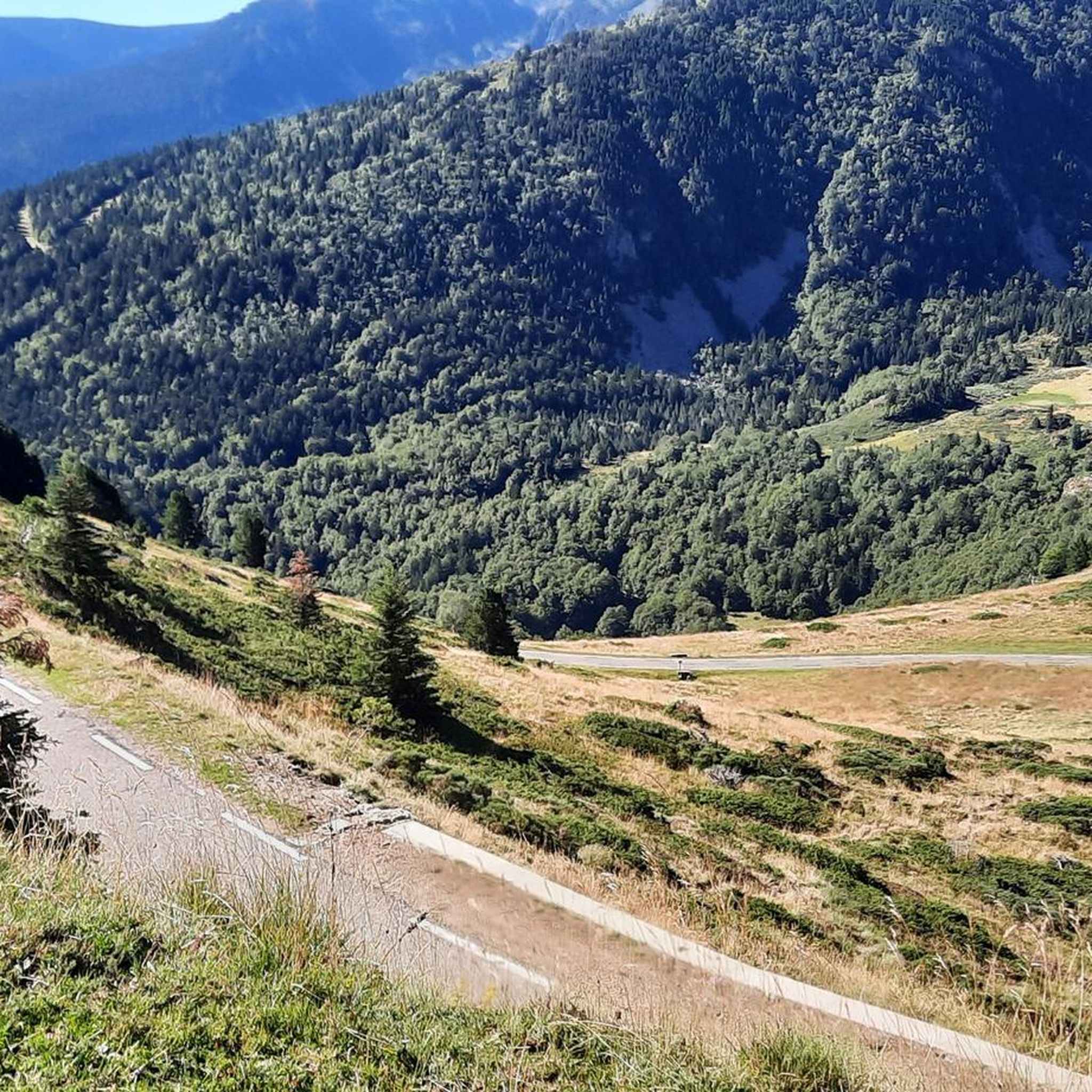
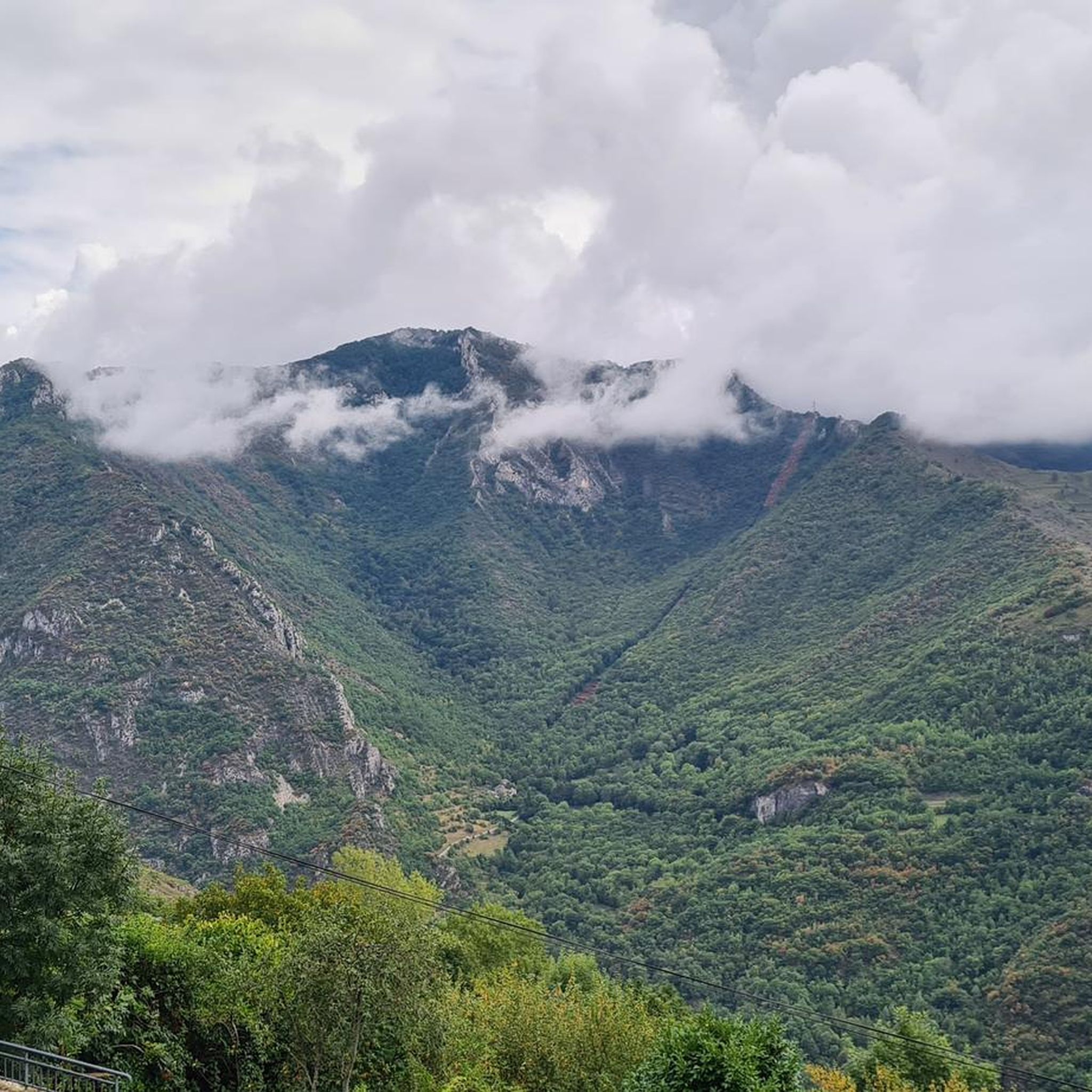
A magnificent peak, accessible to any experienced hiker. However, you must be careful to wait until the snow has completely melted before making the ascent.
1
0
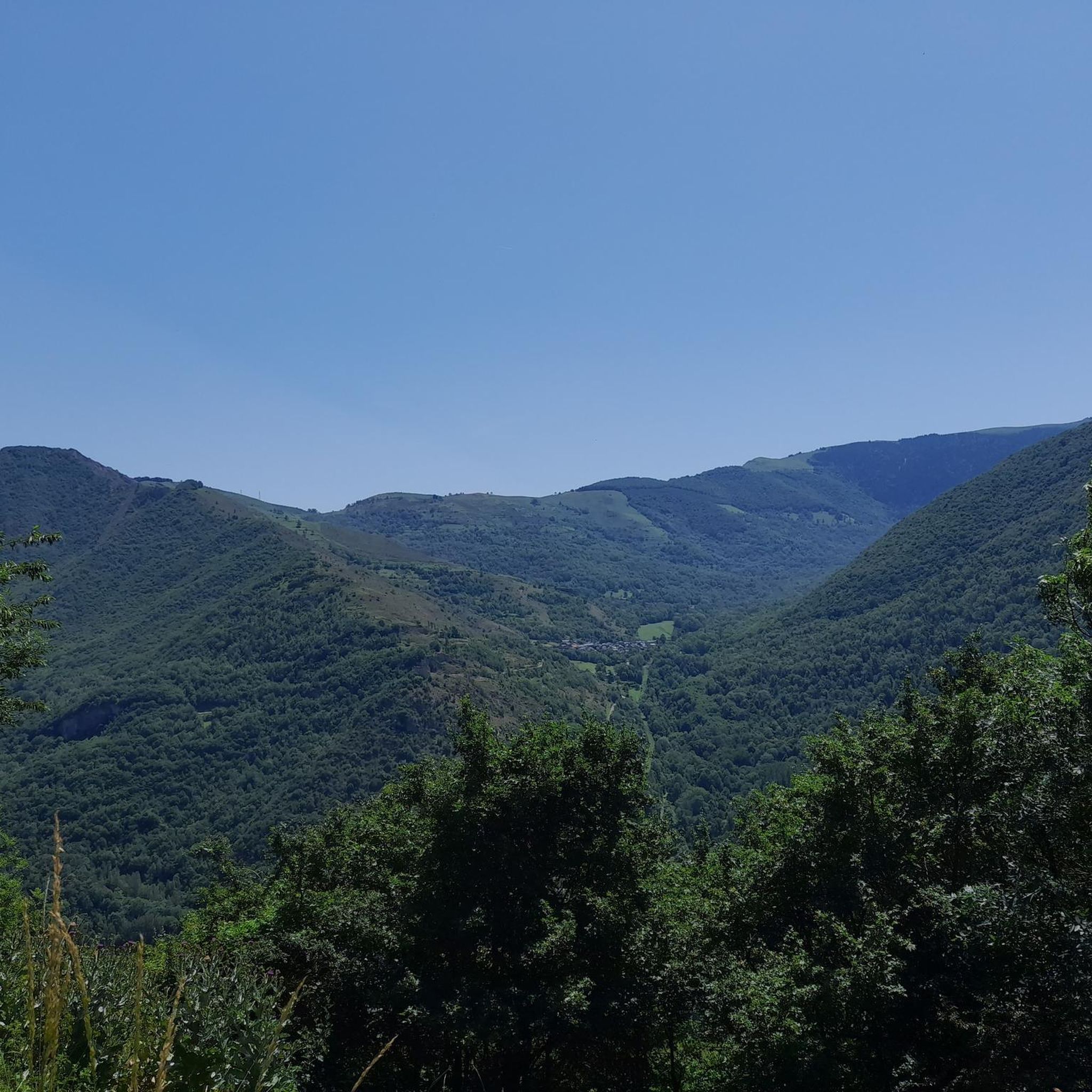
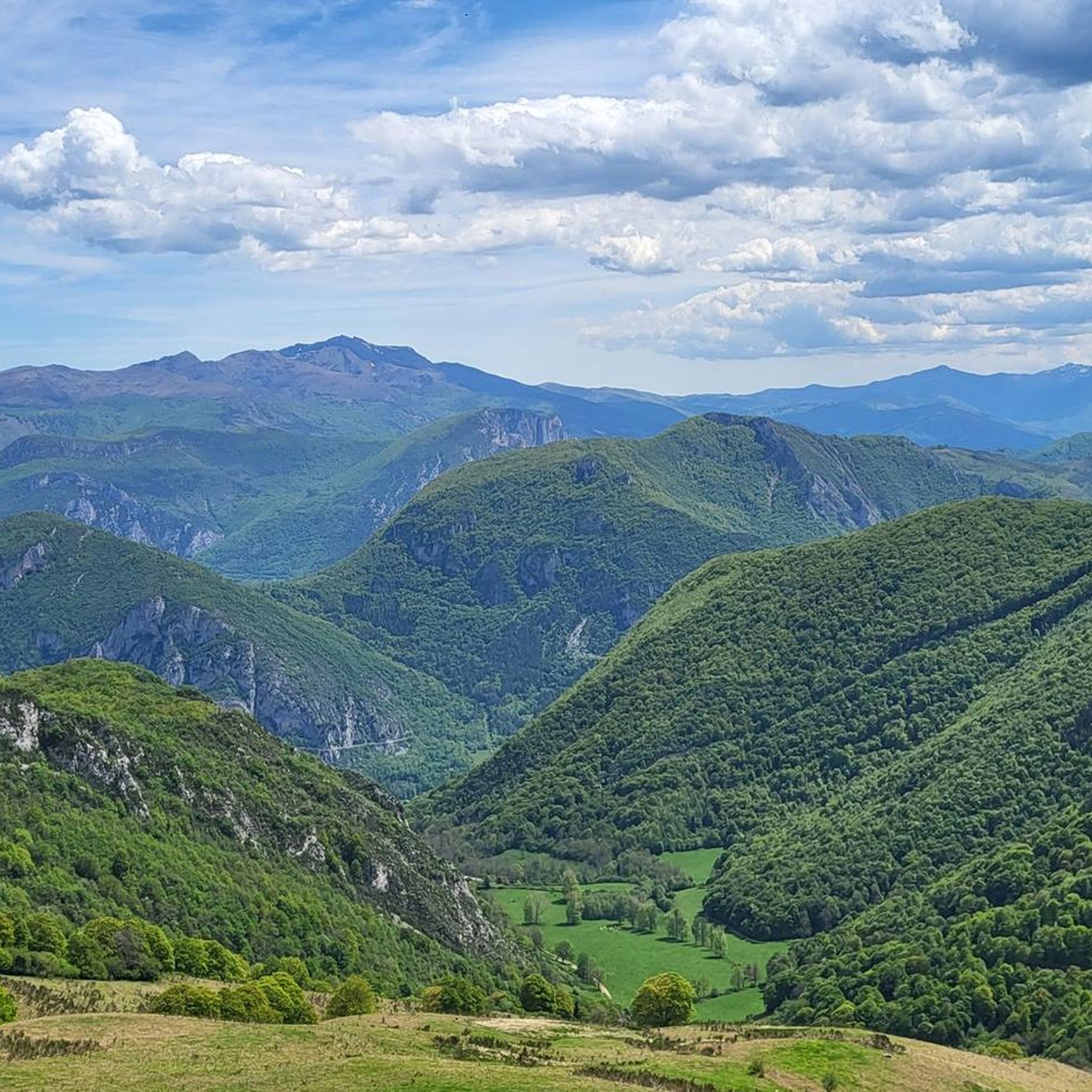
A very beautiful mountain lake which offers a beautiful view of the Bassiès massif!
1
0

Climb made by the Col de la Pourtanelle quite physical up to the Pic des Trois Seigneurs
1
0

Beautiful city that deserves a stopover.
0
0

According to legend, following the victory over the Saracens at Pré Lombard in 778, Charlemagne witnessed an apparition. A lady radiant with beauty then appears and immediately disappears. At dawn, the ground is plowed and a bronze statue of Notre-Dame-de-la-Victoire emerges from the ground. Transported to the church of Foix, the statue miraculously returned to Sabart twice: “This is where Our Lady wants to be honored.” Thus was decided the erection of a chapel dedicated to Notre-Dame-de-la-Victoire. The chapel that we can currently see has its origins in a Romanesque church rebuilt in 1104 on a Carolingian church partly destroyed in 865. But it was largely remodeled in the 16th and 19th century. The facade has some granite stones from the 11th century, the remaining bell tower-façade copy only dates from 1842 and the crenellated keep is only from 1870. Having thus resisted numerous destructions, the chapel became an emblematic monument of the Pyrenean region. Sabarthès, in the upper Ariège valley. Even today, an important pilgrimage is held there in September each year.
0
0


The ruin is just off the Niaux to Miglos road, there is a picnic area and information boards.
1
0

Located downstream of the Ariège in relation to the town of Foix, this very pretty town is the ideal base camp for many excursions in the surrounding mountains. The upper town was once fortified, and you can still make out the Castella tower which overlooks Tarascon. Every year, in May, the big Fair takes place in the town where many specific animals of the region such as Merens horses and Gascon cows are presented to the public. These two endemic species are the pride of breeders.
0
0
Frequently Asked Questions
What natural features can I explore around Lapège?
Lapège is nestled within the Pyrenees Ariégeoises Regional Natural Park, offering a diverse range of natural attractions. You can visit Étang d'Arbu, a large lake with clear water and exceptional views, or challenge yourself with the Plateau de Beille Climb, which rewards with stunning vistas of the Ariège valley. The region is also known for its impressive cave systems like Lombrives Cave and Niaux Cave, and picturesque valleys such as Vallée de Vicdessos.
Are there opportunities for hiking and cycling near Lapège?
Yes, the area around Lapège is excellent for outdoor activities. You can find numerous routes for hiking, road cycling, and mountain biking. For challenging hikes, consider routes around Three Lords' Peak, which rises to 2,199 meters. You can explore various hiking routes, road cycling routes, and MTB trails that cater to different difficulty levels.
What historical sites or landmarks can I visit near Lapège?
The region boasts a rich history. You can visit the Notre-Dame de Sabart Chapel, an emblematic monument with origins dating back to a Romanesque church rebuilt in 1104. Other notable sites include the medieval Château de Foix, the famous Cathar Montségur Castle, and the Prehistoric Park near Tarascon-sur-Ariège. Within Lapège itself, you can find a dolmen and the Saint-Paul church.
Are there any impressive cave systems to visit in the area?
Absolutely. The Ariège region is renowned for its spectacular cave systems. Highlights include Lombrives Cave, one of Europe's largest accessible cave networks, and Niaux Cave, famous for its well-preserved Paleolithic rock art. You can also explore the Cave of the Cow or take a unique boat trip along the Underground River of Labouiche, known as the 'Venice of Ariège'.
What are some challenging outdoor activities in the area?
For those seeking a challenge, the region offers several demanding activities. The Plateau de Beille Climb is a significant challenge for cyclists, with an average gradient of 7.8%. Hikers can tackle the ascent to Three Lords' Peak (2,199 meters) or the strenuous hike to Étang d'Arbu. The Pyrenees Ariégeoises Regional Natural Park also offers numerous challenging hiking routes.
Are there family-friendly attractions around Lapège?
Yes, there are several options for families. The Prehistoric Park near Tarascon-sur-Ariège offers an engaging way to learn about the prehistoric era. The Underground River of Labouiche provides a unique and memorable boat tour experience. Many of the easier hiking trails in the Pyrenees Ariégeoises Regional Natural Park are also suitable for families, and Lac de Mondely is a lake suitable for swimming.
What cultural experiences can I have in the Lapège area?
Beyond historical sites, you can immerse yourself in local culture. Visit the vibrant Saint Girons market on Saturdays, known for its mix of locals, farmers, and artisans. Explore picturesque bastide towns like Mirepoix or villages listed among France's 'most beautiful villages' such as Camon and Saint-Lizier, which offer a glimpse into traditional regional life and architecture.
What is the best time to visit Lapège for outdoor activities?
The best time for hiking and cycling is generally from late spring to early autumn (May to October), when the weather is milder and trails are clear of snow. For winter sports like skiing, the Plateau de Beille, Les Monts d'Olmes, and Goulier Snow Station are popular from December to March. Always check local weather conditions before planning your trip, especially for mountain excursions.
Where can I find beautiful viewpoints around Lapège?
The region is rich in scenic viewpoints. The summit of Three Lords' Peak offers magnificent panoramic views of the Pyrenees. The Plateau de Beille Climb provides beautiful views of the Ariège valley and surrounding mountains. Even after a strenuous hike, the view from Étang d'Arbu is exceptional. Montségur Castle also offers far-reaching views of the landscape.
Are there any towns or villages nearby worth visiting for amenities or as a base?
Yes, Tarascon-sur-Ariège is a very pretty town located downstream of the Ariège, making it an ideal base for many excursions. It offers amenities and is strategically located for various cycling routes. Other charming villages include Mirepoix, Camon, and Saint-Lizier, which are recognized for their preserved heritage and local character.
Can I find accommodation or dining options in or near Lapège?
While Lapège itself is a small commune, the surrounding area offers various options. Tarascon-sur-Ariège serves as a good base with amenities. There are also camping options, such as Camping des Grottes in Alliat, and local producers and restaurants in the wider Sabarthès region, offering local cuisine and cultural experiences.
What is the Pyrenees Ariégeoises Regional Natural Park and what does it offer?
The Pyrenees Ariégeoises Regional Natural Park, which includes Lapège, is a vast protected area recognized for its rich natural, cultural, and human heritage. It offers extensive opportunities to explore diverse fauna, flora, and landscapes. Visitors can enjoy hiking, cycling, and discovering the region's unique geology, including its famous cave systems and mountain peaks. More information can be found on the tourism-couserans-pyrenees.com website.
Most popular routes around Lapège
Most popular attractions around Lapège

Get inspired with the komoot mobile app


Explore more
Still not found the Highlight you’re looking for? See guides of the top attractions in other regions:
