The best mountain hikes around Albula/Alvra
5.0
(4)
50
hikers
8
hikes
Mountaineering routes Albula/Alvra are found within the Albula Alps, a region in Graubünden, Switzerland, characterized by a diverse Alpine landscape. The area features numerous peaks exceeding 3,000 meters, including Piz Kesch at 3,418 meters, alongside deep gorges and historic mountain passes. This terrain provides varied opportunities for high-altitude ascents and challenging climbs.
Best mountaineering routes around Albula/Alvra
- The most popular mountaineering route is Cliffside Ladder loop from Donat, a difficult 8.3 miles (13.3 km) trail that takes 7 hours…
Last updated: October 10, 2026
5.0
(1)
20
hikers
13.6km
07:09
1,420m
1,420m
Hard mountaineering route. Very good fitness required. Sure-footedness, sturdy shoes and alpine experience required.
5.0
(1)
11
hikers
16.7km
06:51
1,210m
1,210m
Hard mountaineering route. Very good fitness required. Sure-footedness, sturdy shoes and alpine experience required.

5.0
(2)
8
hikers
18.5km
07:20
990m
990m
Hard mountaineering route. Very good fitness required. Sure-footedness, sturdy shoes and alpine experience required.
7
hikers
8.88km
05:12
1,040m
1,040m
Hard mountaineering route. Very good fitness required. Sure-footedness, sturdy shoes and alpine experience required.
4
hikers
13.6km
06:59
1,120m
1,120m
Hard mountaineering route. Very good fitness required. Sure-footedness, sturdy shoes and alpine experience required.
Get access to more routes and recommendations from other explorers.
Already have an account?
Our route recommendations are based on thousands of hikes, rides, and runs completed by other people on komoot.
Start today with a free account
Your next adventure awaits.
Popular around Albula/Alvra
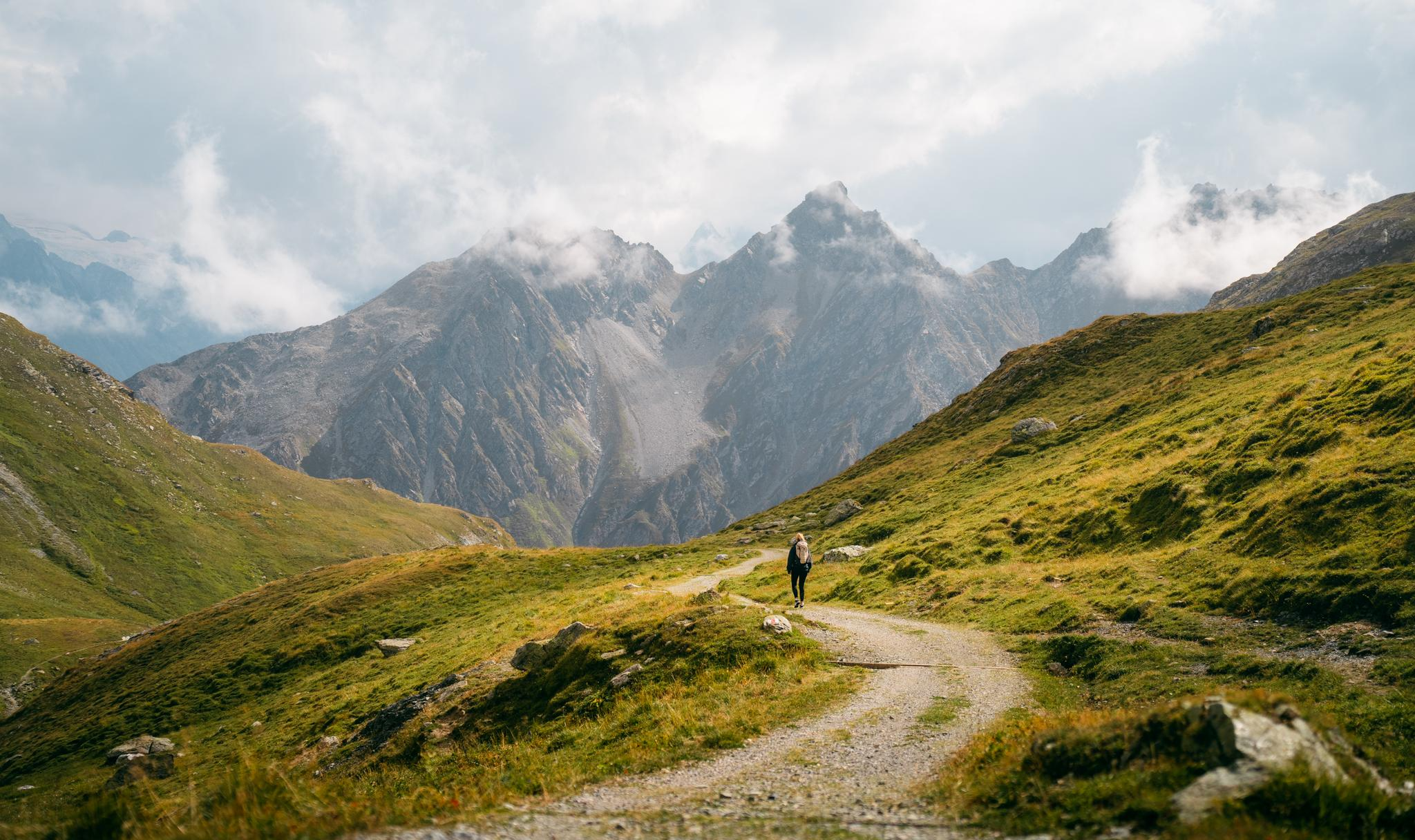
Quiet villages, proud passes, impressive history – the Via Sett
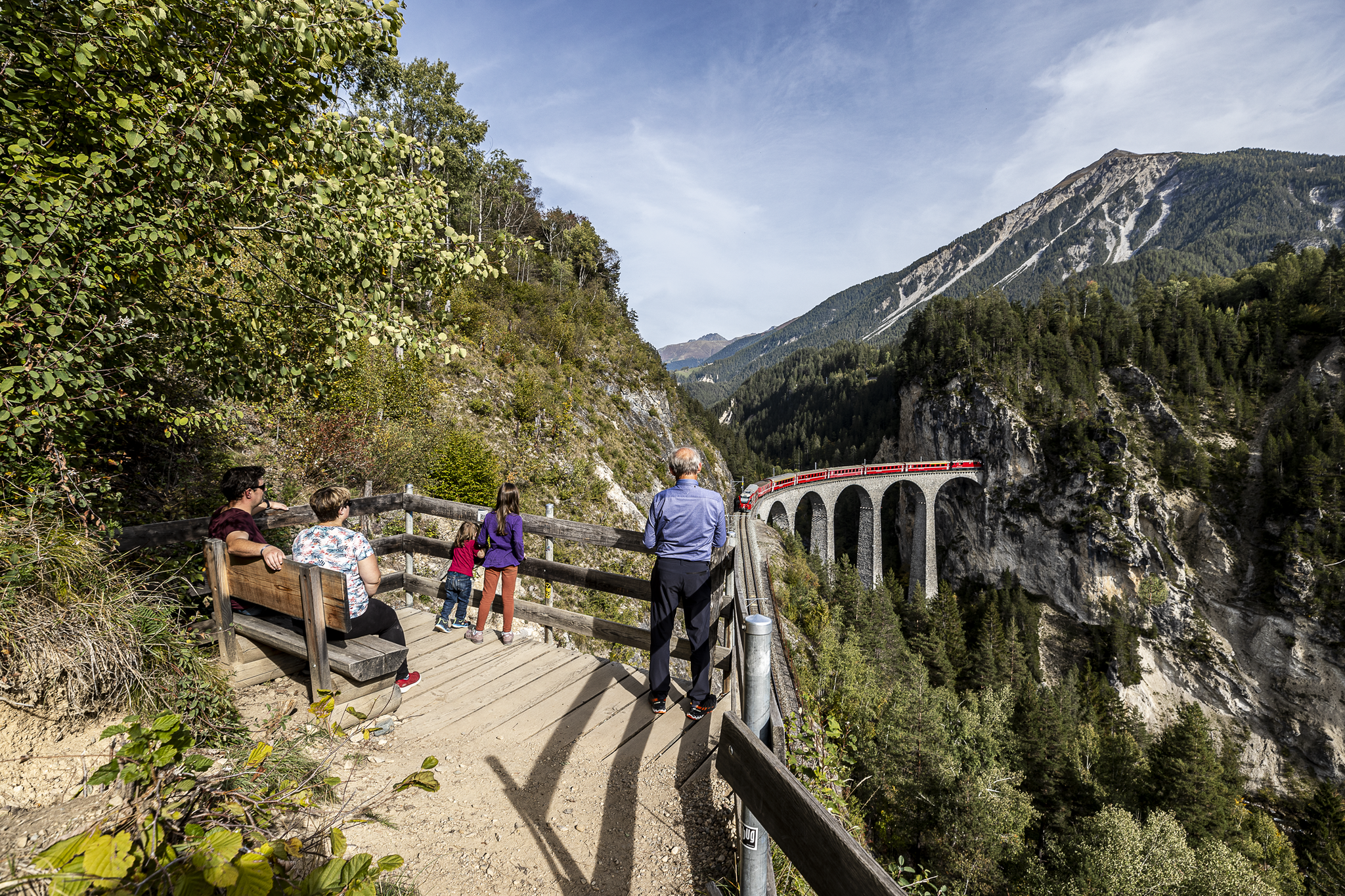
Historic railways and joyous hiking in the Landwasser World
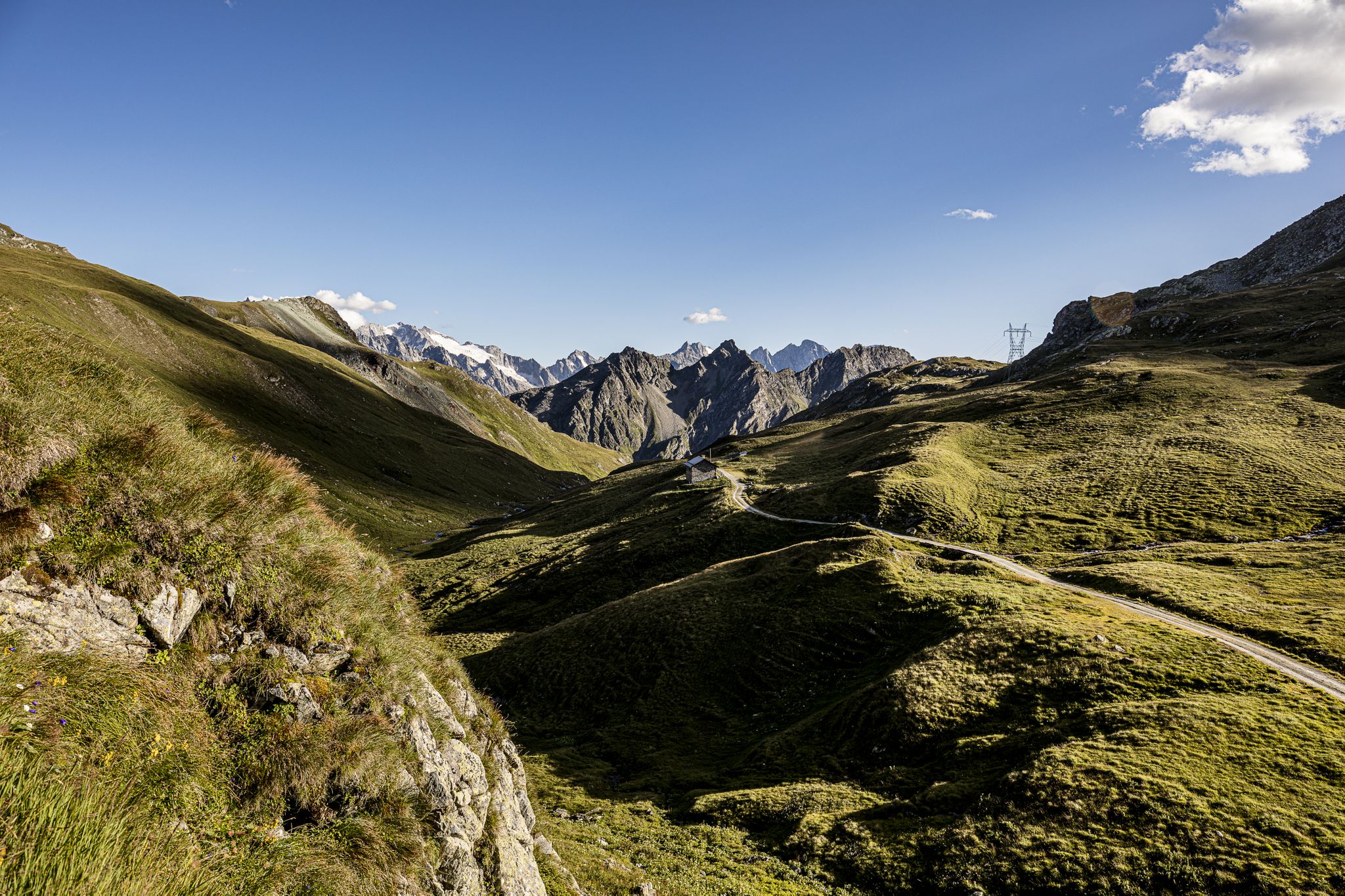
Parc Ela Trek – 17 days of trekking in the heart of Europe
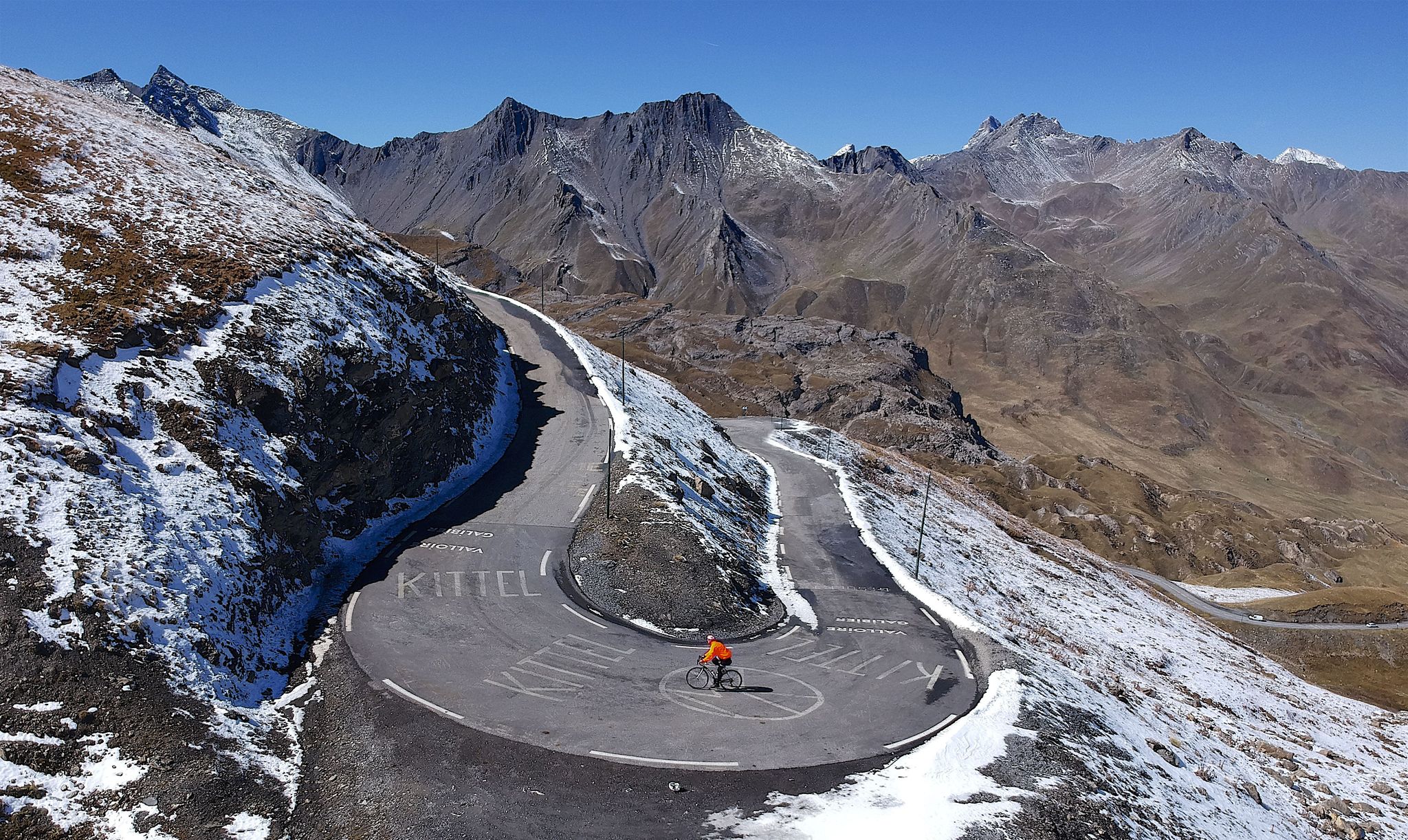
10 epic Alpine challenges
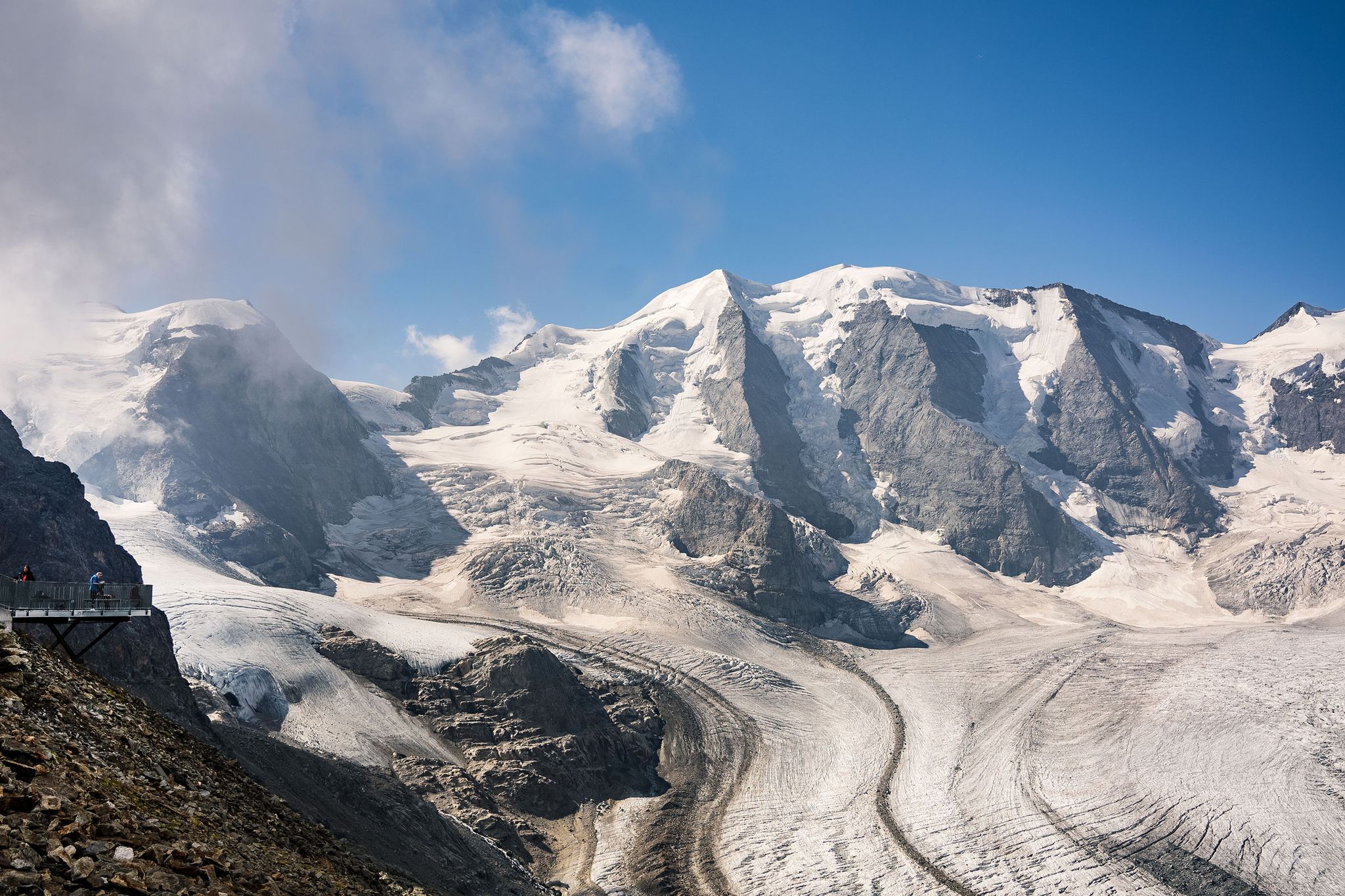
Für Natur-Begeisterte – Weitwanderungen in Graubünden
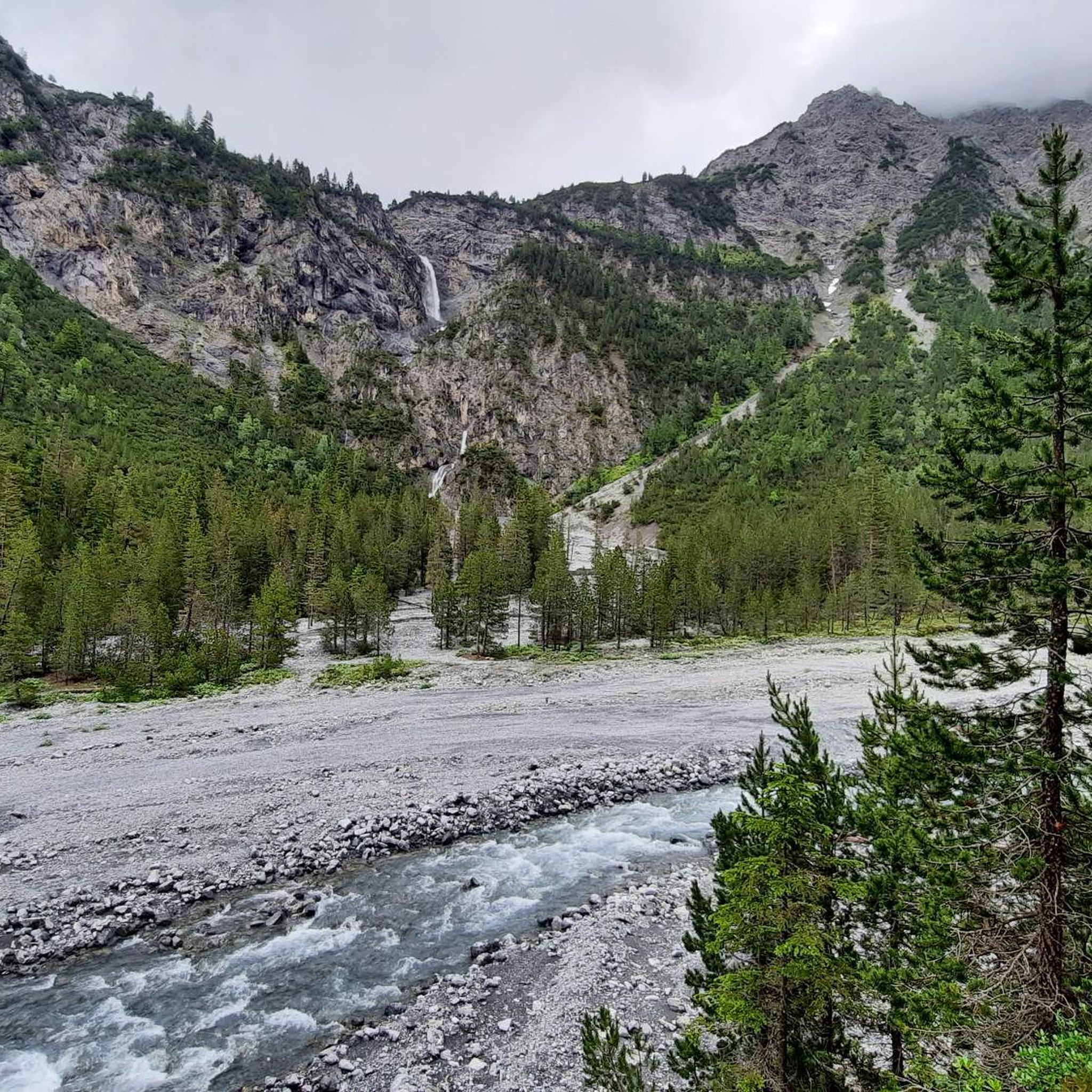
Road Cycling Routes around Albula/Alvra
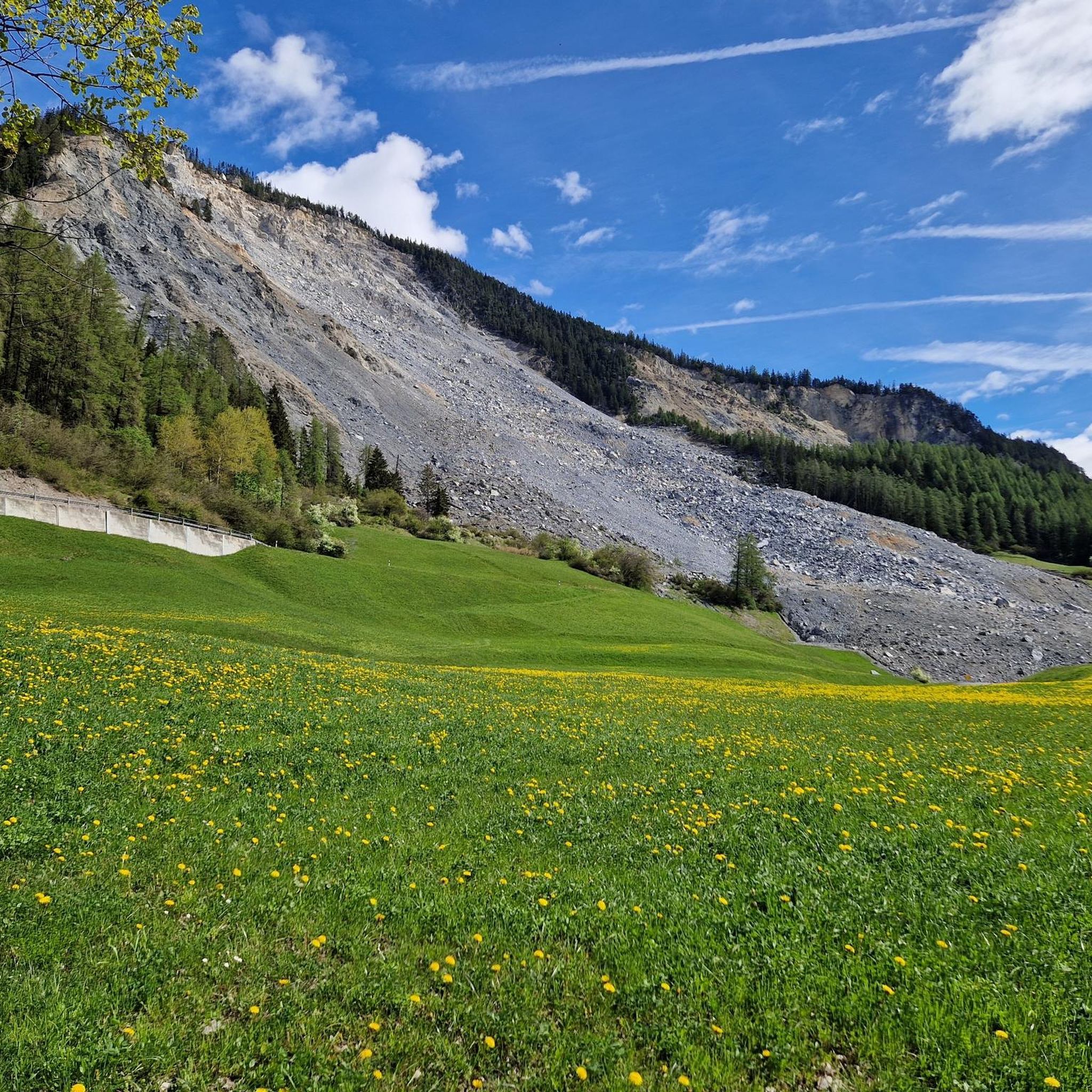
MTB Trails around Albula/Alvra
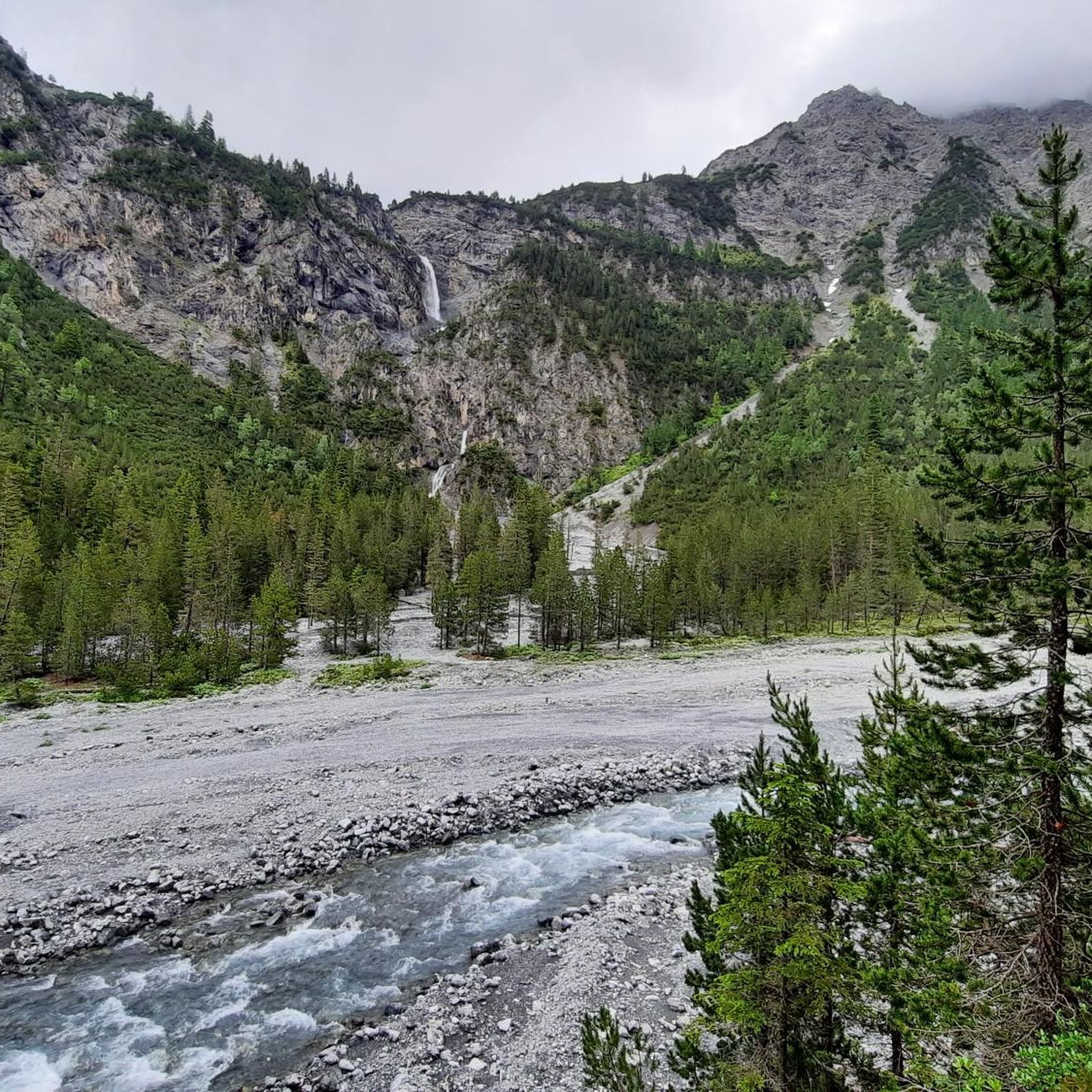
Hiking around Albula/Alvra
Cycling around Albula/Alvra
Gravel biking around Albula/Alvra
Other adventures around Albula/Alvra


Tips from the Community


Be sure to leave early on weekends! It fills up quickly, and turning around (when it's full) is no fun.
0
0

nice connection from Dark side of the Moon to Alplisee
0
0

Beautifully rounded summit, often crowded, wide panoramic view
0
0

A tough ascent and descent (from Filisur to Savognin). Impressive scenery.
0
0

beautiful, crystal-clear mountain lake; you can also swim if you can stand the temperature
0
0

Beautiful local recreation area. Definitely worth a visit 😉.
0
0
Frequently Asked Questions
How many mountaineering routes are there in Albula/Alvra?
Albula/Alvra offers a selection of 11 mountaineering routes, catering to various skill levels. Most of these are challenging, with 8 difficult routes and 3 moderate ones, providing ample opportunities for high-altitude ascents and demanding mountain hikes.
What is the best time of year for mountaineering in Albula/Alvra?
The prime season for mountaineering in Albula/Alvra is typically from late spring through early autumn (June to September), when trails are generally free of snow and weather conditions are more stable. However, the region's high Alpine nature means conditions can change rapidly, so always check local forecasts. Winter offers opportunities for ski touring and other snow sports in the broader Engadine region, but dedicated mountaineering routes require specific winter experience and equipment.
Are there any circular mountaineering routes in Albula/Alvra?
Yes, Albula/Alvra features several rewarding circular mountaineering routes. For instance, you could explore the challenging Cliffside Ladder loop from Donat, which covers 8.3 miles (13.3 km) with significant elevation gain. Another option is the Piz Tarantschun loop from Donat, a 10.2 miles (16.4 km) trail through high Alpine terrain.
What kind of natural attractions can I expect to see along the routes?
Mountaineering in Albula/Alvra offers breathtaking natural attractions. You'll encounter the majestic Albula Alps with peaks exceeding 3,000 meters, picturesque lakes like Lai da Palpuogna, and dramatic gorges such as the Viamala Gorge. The region is also home to Parc Ela, Switzerland's largest nature park, integrated into many hiking trails, providing access to pristine natural beauty and rich biodiversity.
Are there any historical or cultural points of interest near the mountaineering trails?
Absolutely. The Albula/Alvra region is rich in history and culture. You can witness the impressive engineering of the Rhaetian Railway, a UNESCO World Heritage site, with its iconic viaducts. The historic Albula Pass itself is a significant landmark. Traditional Swiss villages like Bergün/Bravuogn, with its medieval architecture and the Albula Railway Museum, also offer cultural insights alongside outdoor adventures.
How can I access the mountaineering routes using public transport?
Albula/Alvra is well-served by public transport, particularly the Rhaetian Railway, which is a UNESCO World Heritage site. Many villages and trailheads, such as those near Bergün/Bravuogn or Arosa, are accessible by train or bus. The Albula Line itself offers unique perspectives and allows hikers to combine train travel with their mountaineering adventures. It's advisable to check local timetables for specific route access points.
Is parking available near the trailheads?
Yes, parking facilities are generally available in the villages and at key access points for mountaineering routes in Albula/Alvra. For example, routes starting from Donat or Arosa typically have designated parking areas. However, during peak season, it's recommended to arrive early or consider using public transport to avoid congestion.
What are the typical weather conditions for mountaineering in Albula/Alvra?
The Albula/Alvra region, being high Alpine, experiences variable weather conditions. Summers are generally mild but can see sudden changes, including thunderstorms. Winters are cold with significant snowfall. Temperatures decrease with altitude, and strong winds are common on exposed ridges. Always check the current mountain weather forecast before heading out and be prepared for all conditions, regardless of the season.
Are there any specific permits required for mountaineering in Albula/Alvra?
Generally, no specific permits are required for standard mountaineering routes in the Albula/Alvra region. However, if you plan to access protected areas or engage in activities that might require special permission, it's always best to consult local tourism offices or the Parc Ela administration for the most up-to-date information. Always respect local regulations and environmental guidelines.
Can I find cafes or refreshments near the mountaineering trails?
While many mountaineering routes in Albula/Alvra lead into remote Alpine terrain, you can often find cafes, restaurants, or mountain huts (Hütten) in the villages at the start or end of trails, or strategically located along longer routes. Villages like Bergün/Bravuogn and Arosa offer various dining options. It's always wise to carry sufficient water and snacks, especially on longer or more challenging ascents.
What do other mountaineers say about the routes in Albula/Alvra?
The mountaineering routes in Albula/Alvra are highly rated by the komoot community, with an impressive average score of 5.0 stars from 6 reviews. Reviewers often praise the challenging ascents, the expansive views across the Alpine landscape, and the rugged, diverse terrain that defines the region's high-altitude experiences. Over 79 mountaineers have used komoot to explore these varied trails.
Are there routes suitable for advanced mountaineers in Albula/Alvra?
Albula/Alvra is a paradise for experienced mountaineers, offering numerous challenging routes. With over twenty peaks exceeding 3,000 meters, including Piz Kesch at 3,418 meters, there are ample opportunities for high-altitude ascents and technical climbs. Routes like the Yellow Lady's Slipper Orchids loop from Arosa or the Parpaner Rothorn – Gredigs Fürggli loop from Arosa are examples of difficult trails that provide rewarding experiences for those with the necessary skills and fitness.
Most popular routes around Albula/Alvra
Most popular attractions around Albula/Alvra

Get inspired with the komoot mobile app


Explore more
Browse the best Mountain Hikes & Routes in other regions.
