The best mountain hikes around Scharans
5.0
(3)
47
hikers
1
hike
Mountaineering routes around Scharans, located in the canton of Graubünden, Switzerland, offer diverse alpine experiences. The region is characterized by prominent mountain peaks such as Piz Scalottas and Piz Danis, providing varied terrain for ascents and challenging routes. Deep canyons and the dramatic Viamala Gorge, with its steep rock walls, contribute to the rugged landscape. This area presents a network of trails suitable for mountain adventures amidst its natural features.
Best mountaineering routes around Scharans
- The most popular mountaineering route…
Last updated: October 10, 2026
5.0
(1)
20
hikers
13.6km
07:09
1,420m
1,420m
Hard mountaineering route. Very good fitness required. Sure-footedness, sturdy shoes and alpine experience required.
5.0
(1)
13
hikers
10.7km
07:05
1,120m
1,120m
Hard mountaineering route. Very good fitness required. Sure-footedness, sturdy shoes and alpine experience required.

7
hikers
8.88km
05:12
1,040m
1,040m
Hard mountaineering route. Very good fitness required. Sure-footedness, sturdy shoes and alpine experience required.
5.0
(1)
2
hikers
3.72km
01:43
250m
250m
Moderate mountaineering route. Great for any fitness level. Mostly accessible paths. Sure-footedness required.
2
hikers
5.56km
02:12
270m
270m
Moderate mountaineering route. Good fitness required. Mostly accessible paths. Sure-footedness required.
Our route recommendations are based on thousands of hikes, rides, and runs completed by other people on komoot.
Start today with a free account
Your next adventure awaits.
Popular around Scharans
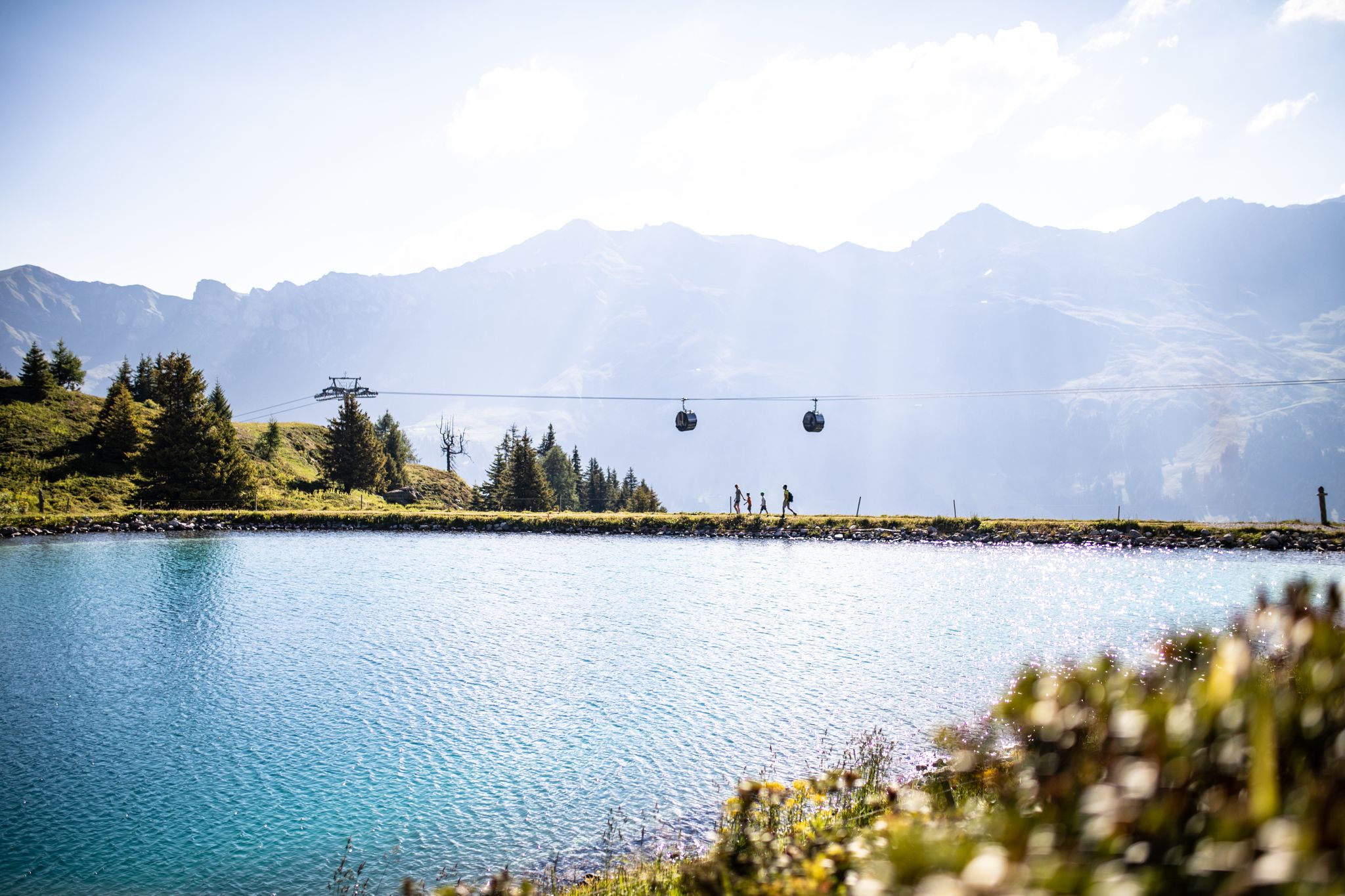
From the peaks to the cool waters – Coolcation Lenzerheide
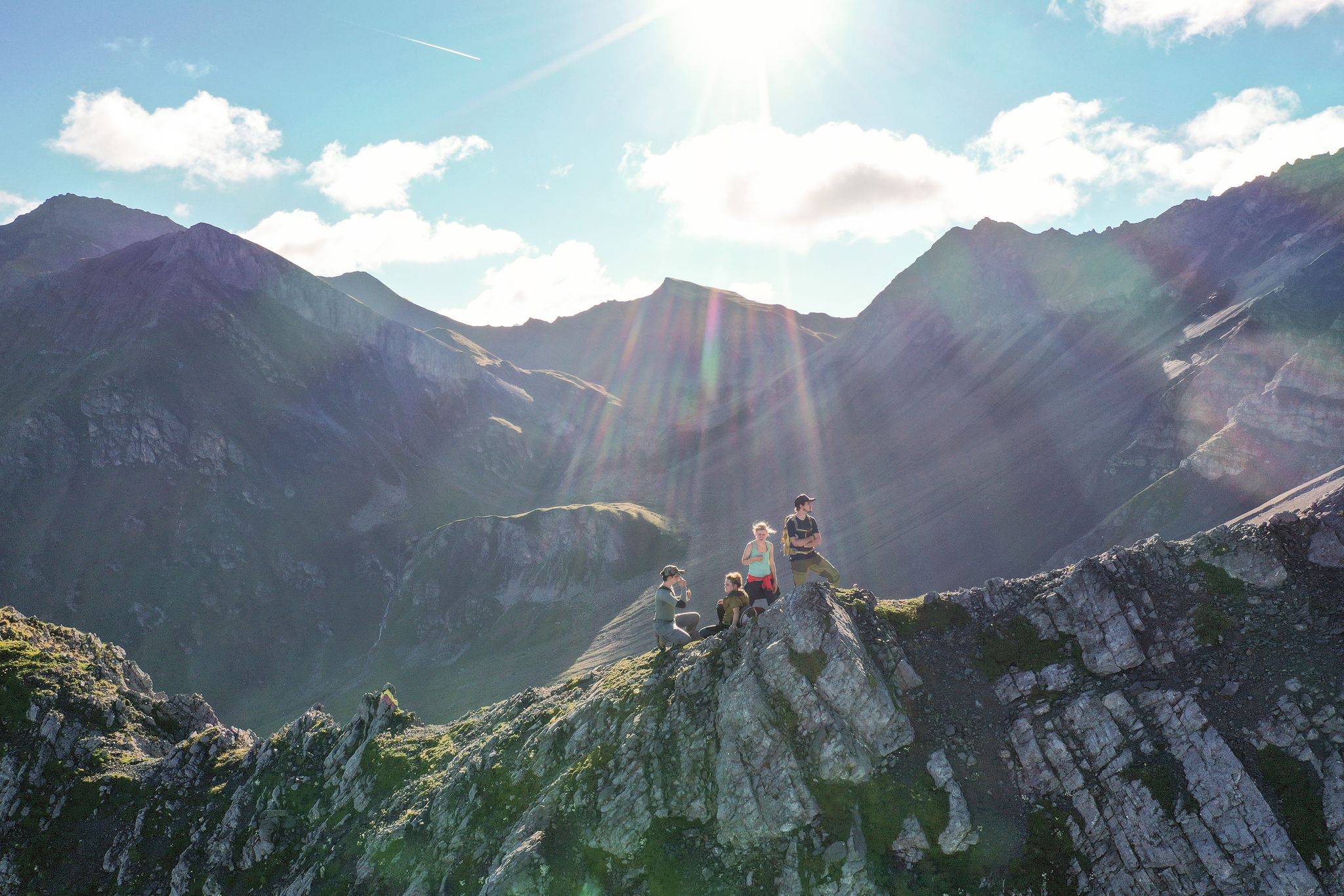
Satisfy your wanderlust in the Lenzerheide region
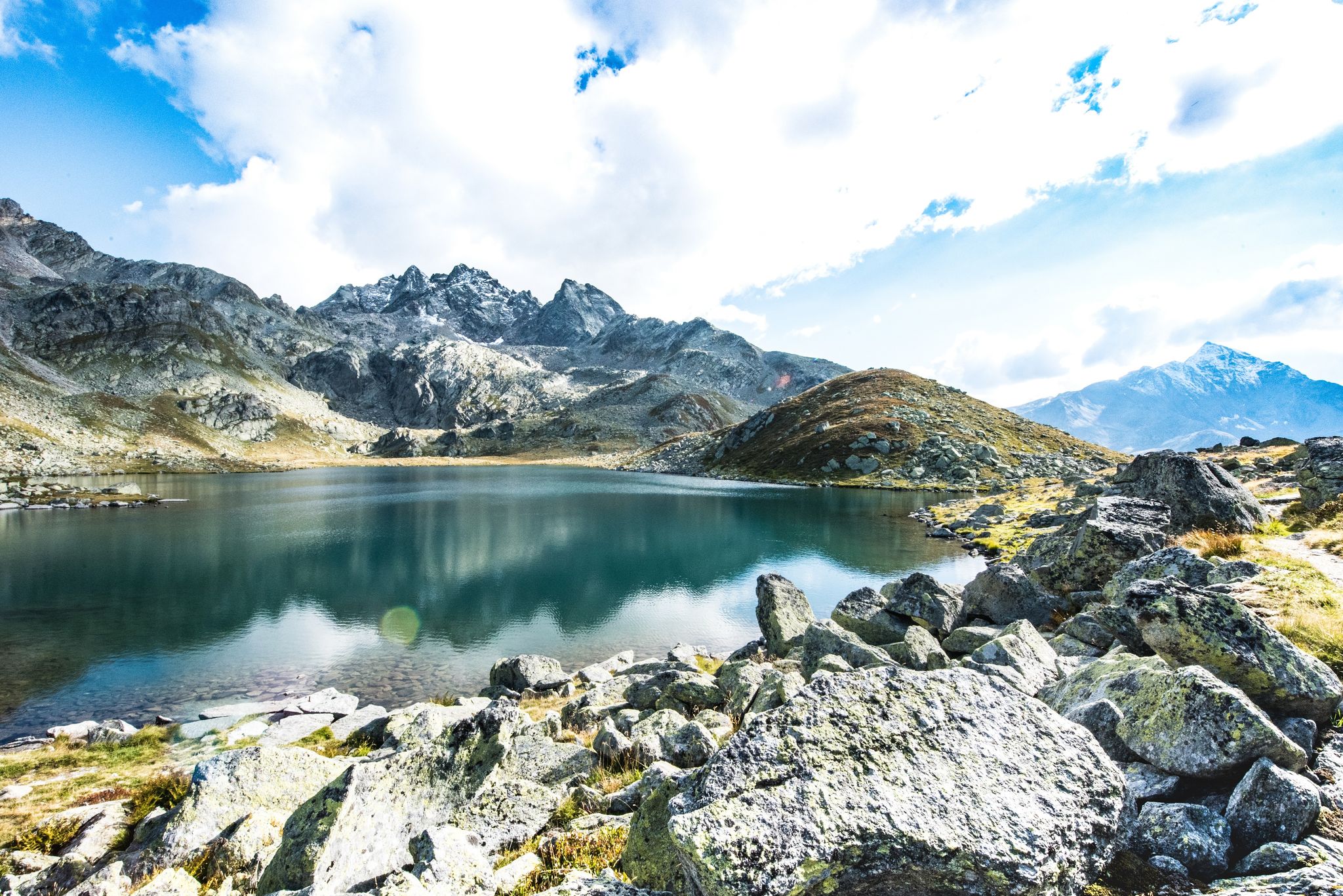
Viamala – a hiking paradise in the heart of the Grisons in Switzerland
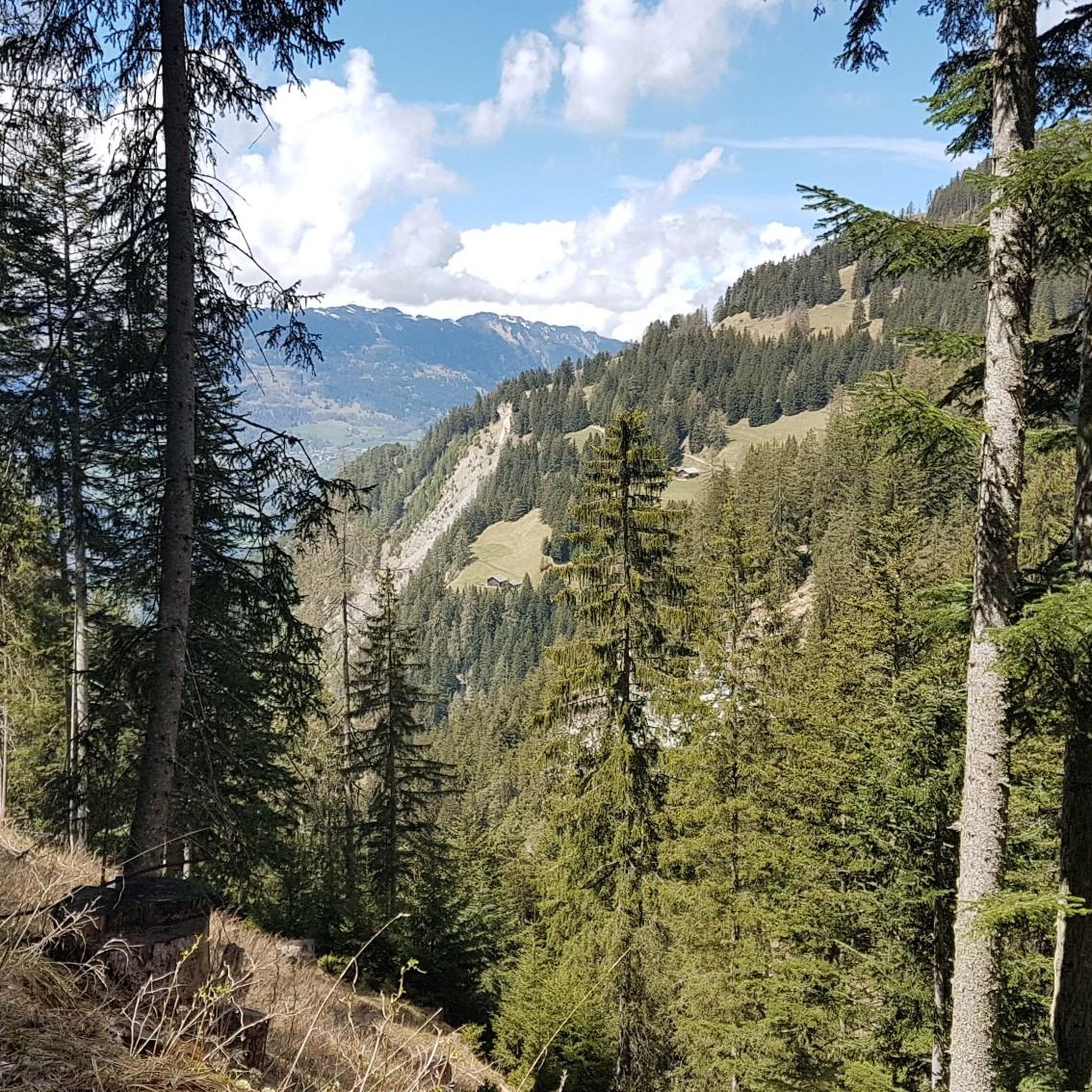
Cycling around Scharans
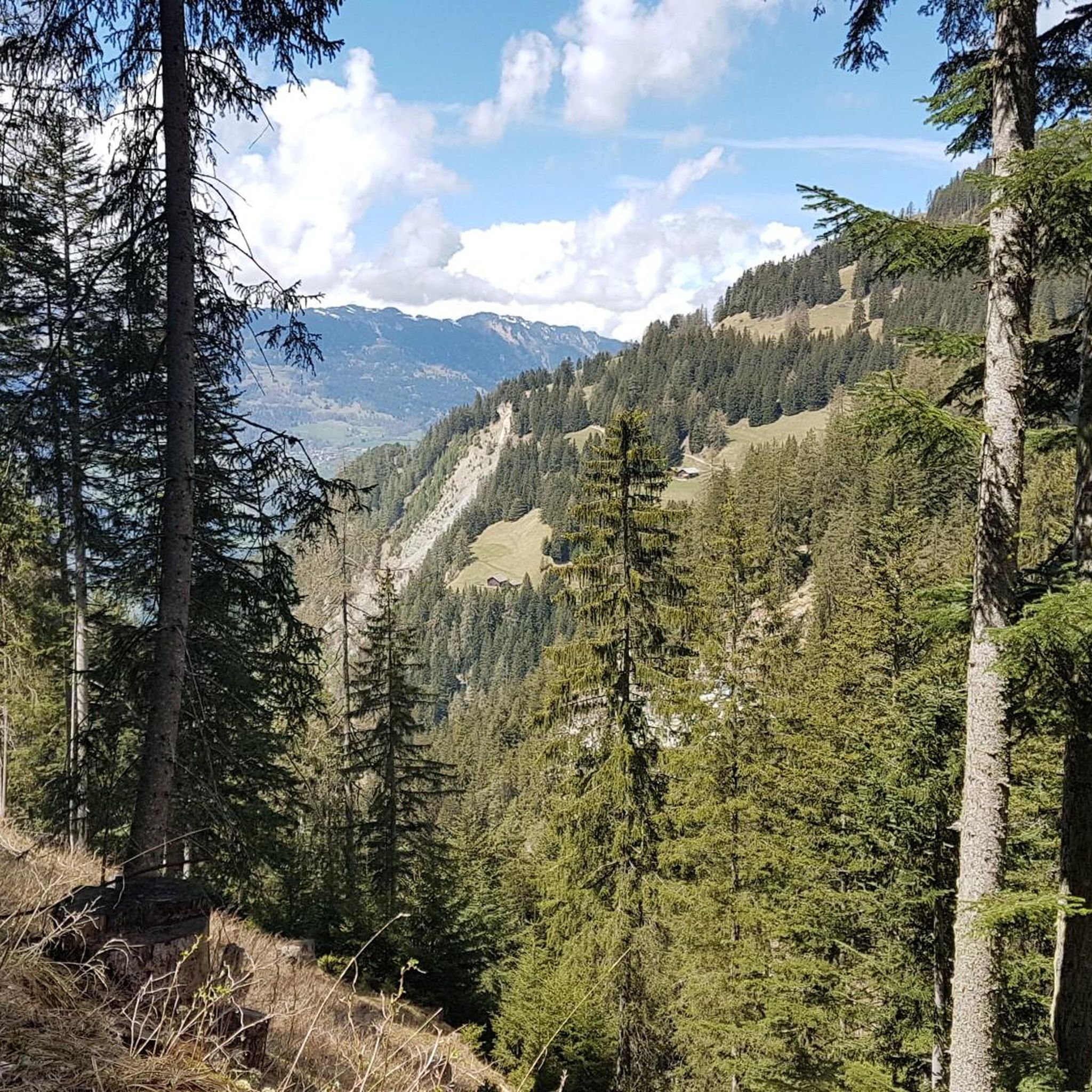
MTB Trails around Scharans
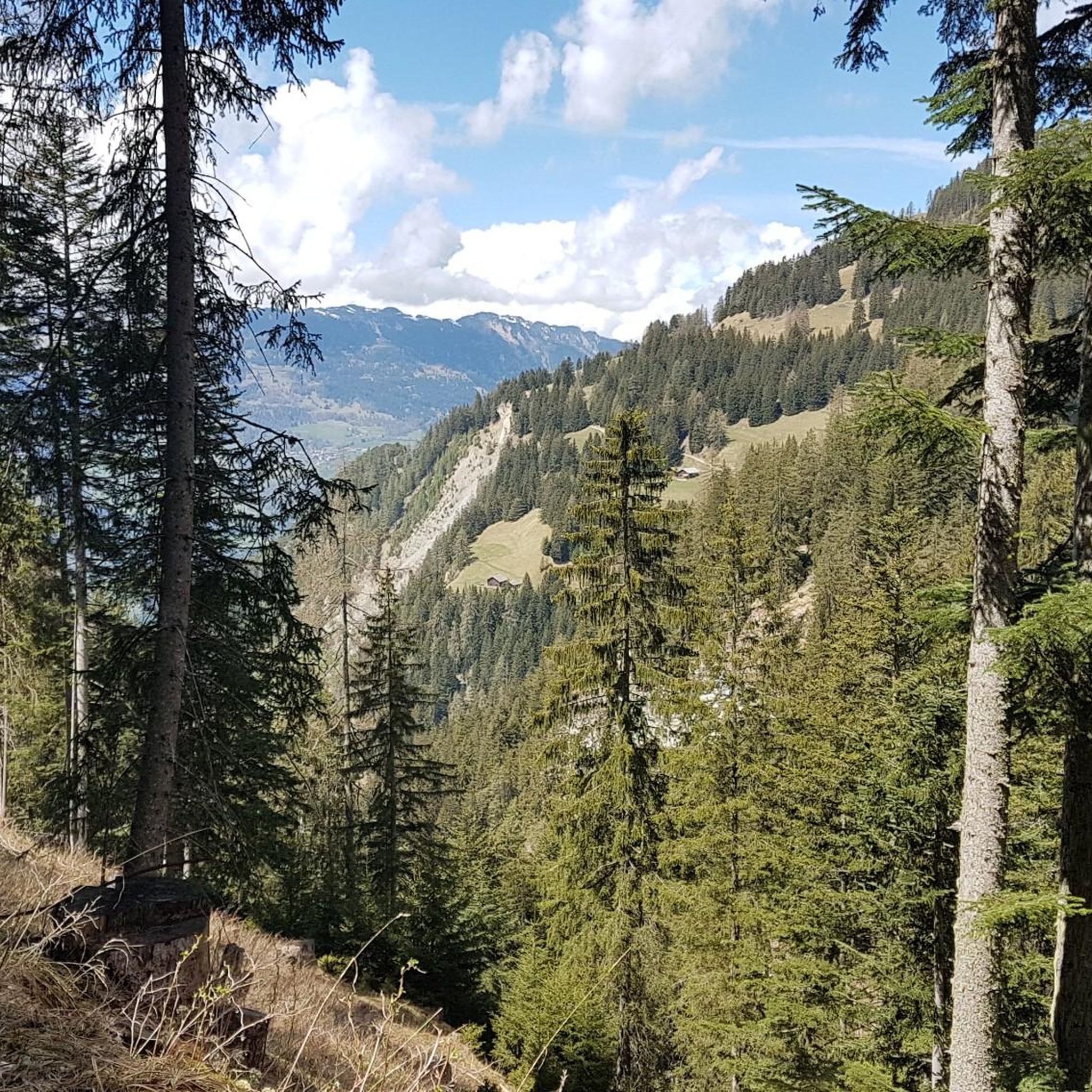
Road Cycling Routes around Scharans
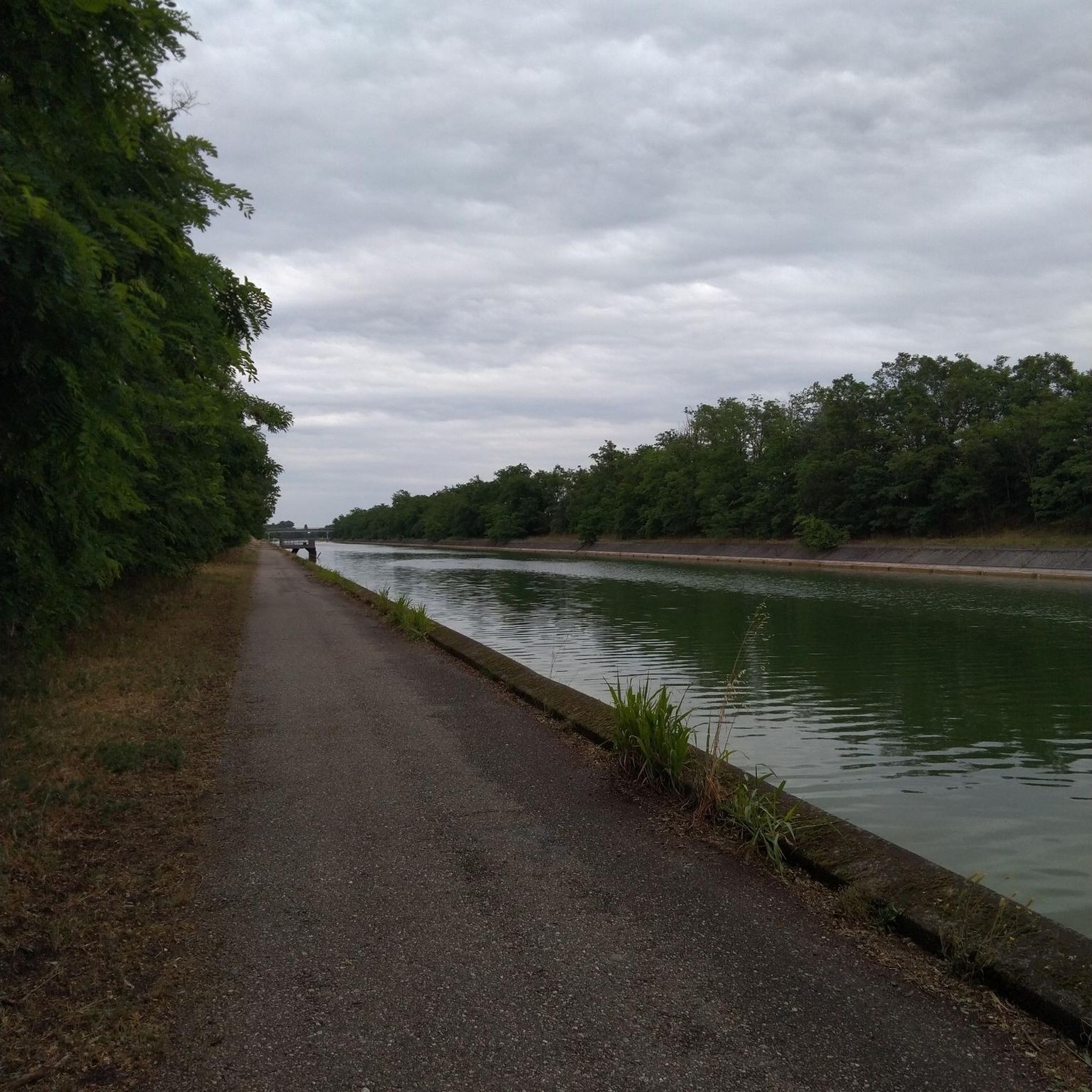
Gravel biking around Scharans
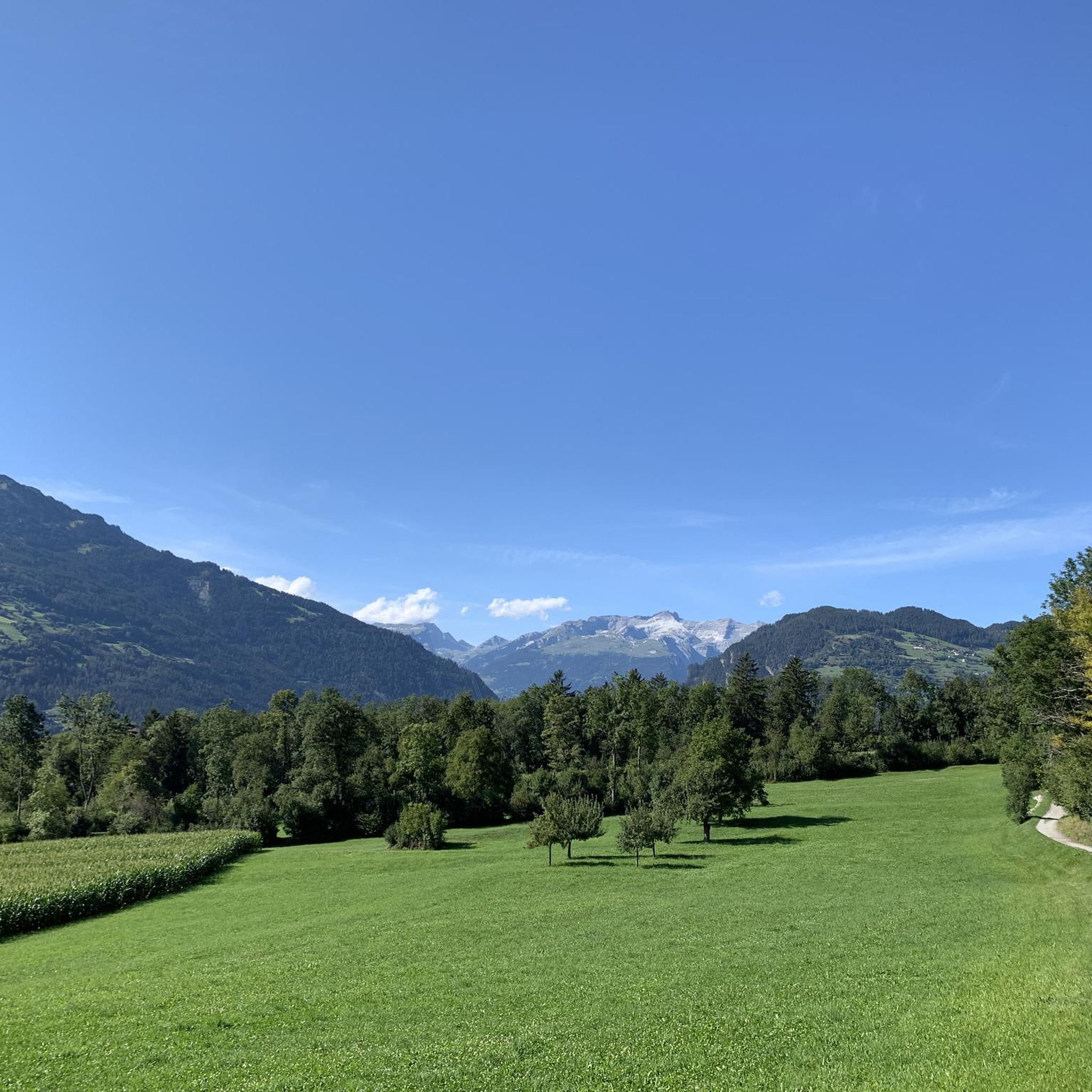
Running Trails around Scharans
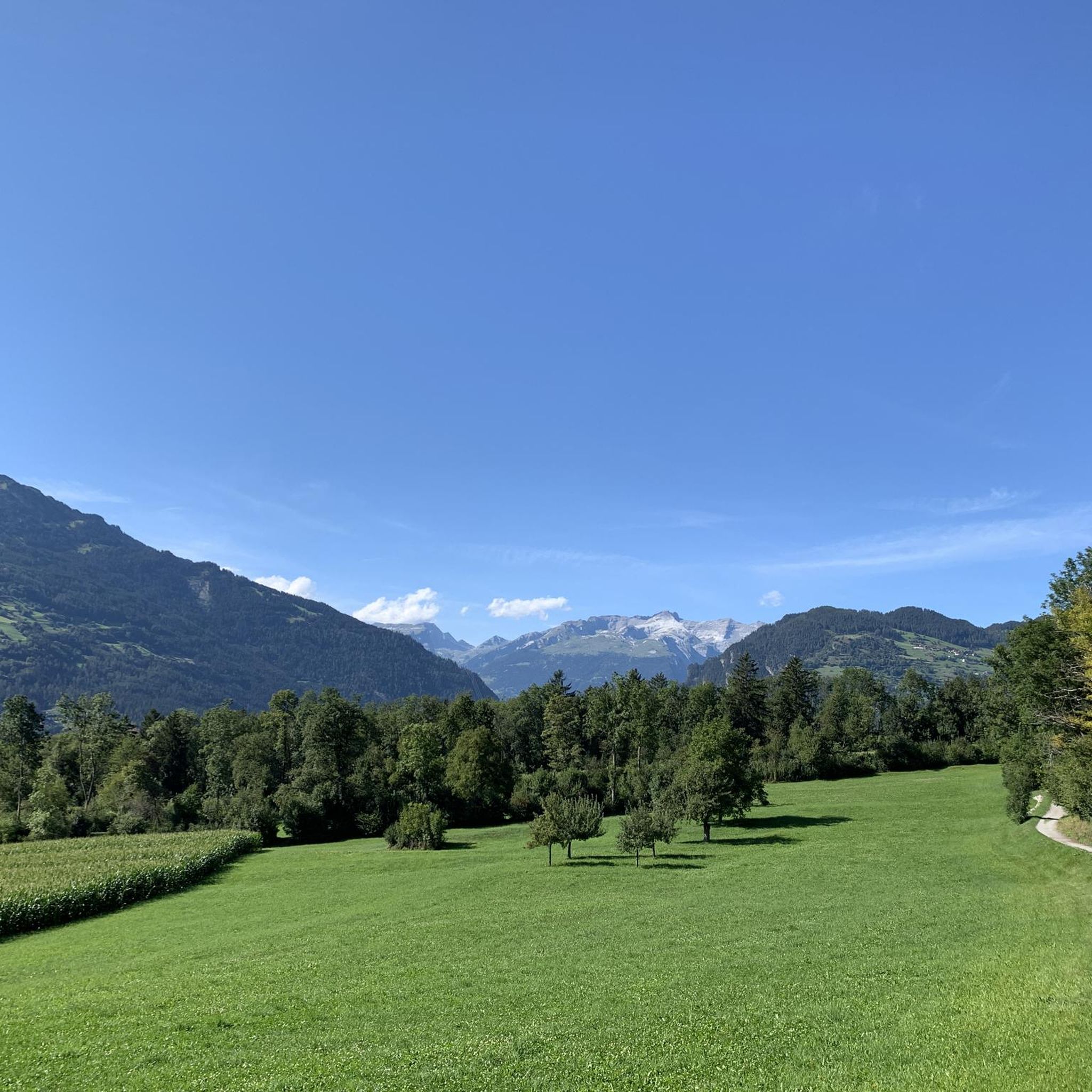
Hiking around Scharans
Other adventures around Scharans


Tips from the Community

Beautifully rounded summit, often crowded, wide panoramic view
0
0

Mathon is located in the beautiful Viamala region and has around 50 inhabitants today. In addition to the pretty village center with its listed church, the ruins of the old St. Anthony's Church below the village are also fascinating to see.
0
0

If this place leaves you indifferent, you are not alive.
4
0

The view from the Glaser Grat into the mountains and the two valleys, on the left into the Safiental and on the right into the Domleschg and Val Schons, is fantastic and overwhelming.
11
0
Driftwood ball reminds us of the destructive power. Reto Hänny, writer from Tschappina: Text excerpt from “Chiaroscuro” [p. 162 – 163] (1994): When the rumble rolled down the ravine? Can you remember the dull rumbling, the shaking under your feet; or do you only know all of this from your grandfather’s stories? [...] Pieces of land, hills, then the whole slope, begin to slide, to sag, slowly, barely visible at first, barely a tremor in the branches, then, if you look a moment later, suddenly more quickly, they begin to rise up, to fall over, alders and firs, wedging themselves together, are thrown together like Mikado sticks, stones, splintering wood, fences and broken trunks, whose bare roots protrude from the blue-black mush, clawing in vain for support in the rain-shaded air, dancing over the ditch and down on the mudslide [...]" Trees, rocks, houses, nothing on the Heinzenberg was safe from the raging mountain stream Nolla. The Nolla is a stream with extraordinary power, which shaped the landscape over a wide area and taught the inhabitants of Heinzenberg and Domleschg to fear. When the water level was high, the Nolla carried so much debris, such as rubble or driftwood, down from the Heinzenberg that it literally piled up to form a dam in front of the valley floor, until the force of the water swept these walls away again, triggering a strong flood wave.
11
1
In 1910, the end of the Lüschersee was sealed on the Heinzenberg. The lake basin was drained. The end of the Lüschersee is, however, only part of the exciting story of the landslides on the Heinzenberg. Large-scale forest clearance and a destructive torrent caused landslides. Only a large-scale project with complex countermeasures and sometimes massive interventions in nature and the landscape provided a remedy. The adventure trail on the Heinzenberg tells all this and much more. At over a dozen information points, young and old are given a lot of exciting background information. The free hiking guide with lots of additional information is available free of charge at the Glaspass and Obergmeind access portals. There is a well-equipped barbecue area at the Lüschersee, and firewood is available.
11
0

Beautiful (artificial) mountain lake on the Heinzenberg. Read the information boards on the wooden footbridge about the exciting background.
1
0

A very photogenic lake with a rest area and fire pit.
9
0
Frequently Asked Questions
How many mountaineering routes are available around Scharans?
The Scharans region offers a selection of mountaineering routes, with several distinct tours available for exploration. These routes cater to various skill levels, from moderate ascents to more challenging alpine expeditions.
Are there any beginner-friendly mountaineering routes in Scharans?
Yes, for those seeking a less strenuous introduction to mountaineering in the area, consider the Driftwood Hut on Heinzenberg – Glaser Ridge loop from Glaspass. This easy route covers about 5.6 km and typically takes under two hours to complete, offering a gentle experience amidst the mountain scenery.
What are some of the more challenging mountaineering routes in the region?
Scharans is known for its demanding alpine terrain. For experienced mountaineers, the Cliffside Ladder loop from Muntogna da Schons presents a significant challenge. This difficult route spans approximately 7.2 km with considerable elevation gain, requiring good physical condition and alpine experience.
Are there any circular mountaineering routes around Scharans?
Many of the mountaineering routes in Scharans are designed as loops, allowing you to start and finish at the same point. An example is the Glaspass loop from Glaspass, a moderate 3.7 km trail that guides you through mountain passes and offers scenic views.
What natural features or landmarks can I expect to see along the routes?
The region around Scharans is rich in dramatic natural features. You can encounter the awe-inspiring Viamala Gorge with its steep rock walls, or experience the thrill of crossing the Traversinersteg Suspension Bridge. The area also boasts impressive mountain peaks like Piz Scalottas and Piz Danis, and various canyons and waterfalls, such as the Nolla Waterfall.
What do other mountaineers say about the routes in Scharans?
The mountaineering routes in Scharans are highly regarded by the komoot community, holding an average rating of 5.0 stars from 3 reviews. Over 50 mountaineers have explored this varied terrain, often praising the challenging ascents, expansive views, and the unique alpine experience offered by the region's prominent peaks and dramatic gorges.
Is public transport available to access mountaineering trailheads near Scharans?
Scharans, located in Graubünden, Switzerland, benefits from Switzerland's excellent public transport network. While specific trailhead access points vary, it's generally possible to reach many starting points for mountain tours via bus or train connections, often with a short walk to the actual trailhead. We recommend checking local transport schedules for the most precise information regarding your chosen route.
Are there any waterfalls to discover on or near the mountaineering routes?
Yes, the region around Scharans features several beautiful waterfalls. While not always directly on a mountaineering route, highlights like the Nolla Waterfall and the Small Waterfall and Cliff Pathway are notable natural attractions that can be explored in the wider area, often accessible via scenic hikes.
What is the best time of year for mountaineering in Scharans?
The ideal time for mountaineering in Scharans is typically during the warmer months, from late spring to early autumn (roughly June to September), when trails are generally free of snow and weather conditions are more stable. However, conditions can change rapidly in the mountains, so always check local forecasts and trail conditions before heading out.
Are there options for longer, more strenuous mountaineering expeditions?
Absolutely. For those seeking longer and more strenuous expeditions, the region offers routes that demand significant endurance and time. For instance, the Cliffside Ladder loop from Donat is a difficult route spanning over 13 km and can take more than 7 hours to complete, featuring substantial elevation gain through alpine terrain.
Can I find places to eat or stay near the mountaineering trails?
The region around Scharans, including nearby areas like Lenzerheide and Viamala, offers various amenities. You'll find mountain restaurants, cafes, and accommodation options that cater to outdoor enthusiasts. These facilities can provide a welcome break or a comfortable stay before or after your mountaineering adventures.
What kind of elevation changes should I expect on these routes?
Mountaineering routes around Scharans are characterized by significant elevation changes, reflecting the alpine nature of the region. Even moderate routes can involve hundreds of meters of ascent and descent, while difficult routes like the Piz Beverin – Glaspass loop from Glaspass can feature over 1,100 meters of elevation gain, providing a true test of endurance.
Most popular routes around Scharans
Most popular attractions around Scharans

Get inspired with the komoot mobile app


Explore more
Browse the best Mountain Hikes & Routes in other regions.
