Attractions and Places To See around Druyes-Les-Belles-Fontaines - Top 20
Best attractions and places to see around Druyes-Les-Belles-Fontaines include historical sites and natural features in this picturesque Burgundy village. The area is characterized by its medieval architecture, such as the Château de Druyes, and its natural springs, which gave the village its name. Visitors can explore a landscape of rolling hills and forests, offering a variety of points of interest.
Best attractions and places to see around Druyes-Les-Belles-Fontaines
- The most popular attractions is Historic centre of Clamecy, a historical…
Last updated: July 15, 2026
Historic centre of Clamecy
Highlight • Historical Site
Translated by Google •
Tip by

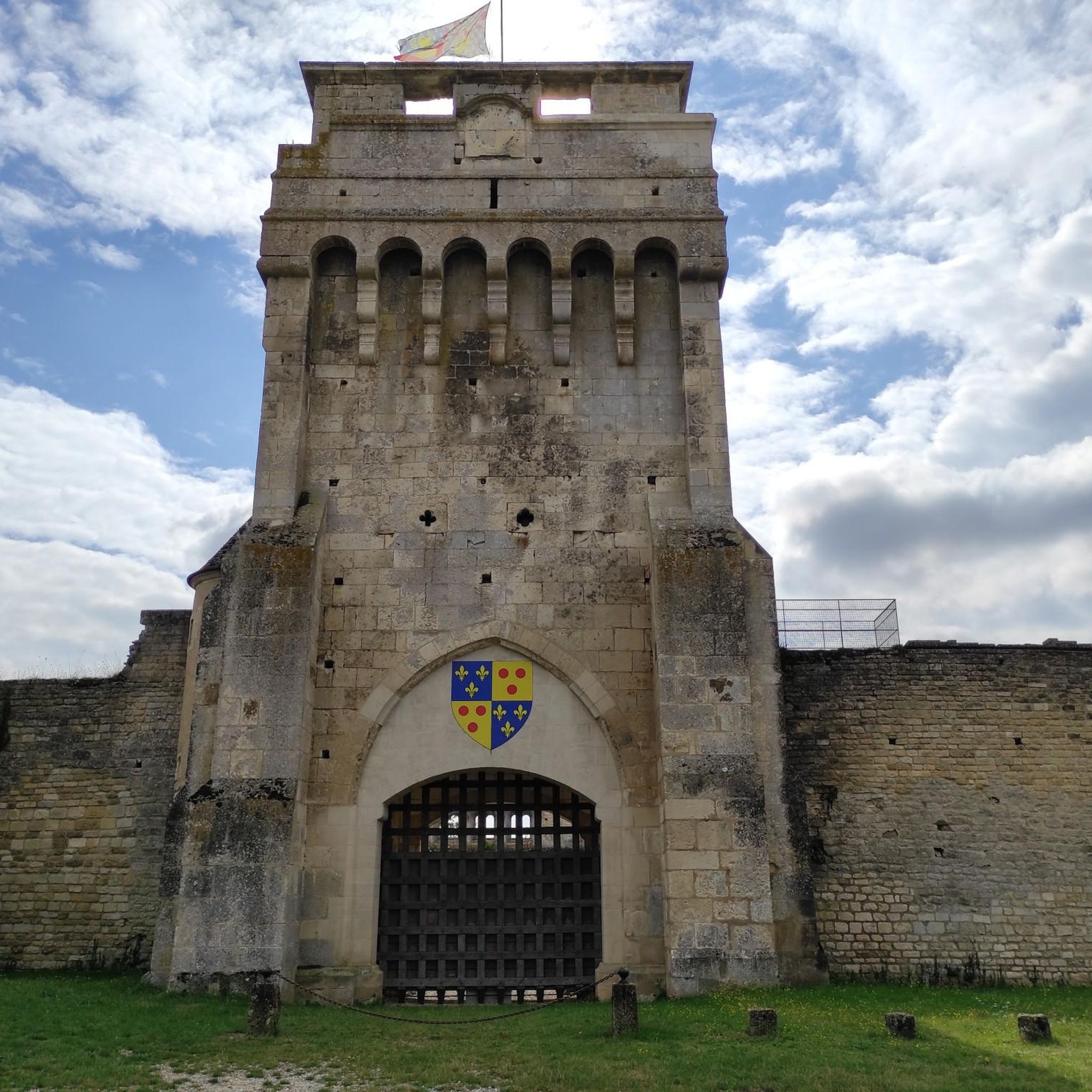
Fortified Gate of Druyes-les-Belles-Fontaines
Highlight • Monument
This gate is part of the enclosure of the lower courtyard of the castle which crowned the rock overlooking the valley and …
Translated by Google •
Tip by

Sign up now to discover places like this
Get recommendations on the best single tracks, peaks, & plenty of other exciting outdoor places.
Sign up for free
Château de Druyes
Highlight • Castle
Entrance costs 5 euros (as of 2021).
Out of season the castle is only open on weekends.
There is even a circular hiking trail where the castle is almost always visible.
chateau-de-druyes.com
Translated by Google •
Tip by
Bridge Over the Druyes
Highlight • Bridge
Translated by Google •
Tip by
Saint-Romain Church
Highlight • Other
12th century: current Romanesque church: very pure plan, three-bay nave with apses …
Translated by Google •
Tip by
Sign up for free to discover even more attractions around Druyes-Les-Belles-Fontaines.
Sign up for free
Already have an account?
Start today with a free account
Your next adventure awaits.
Login or Signup


Tips from the Community

Beautiful little town with many medieval buildings. Definitely worth a visit
2
0

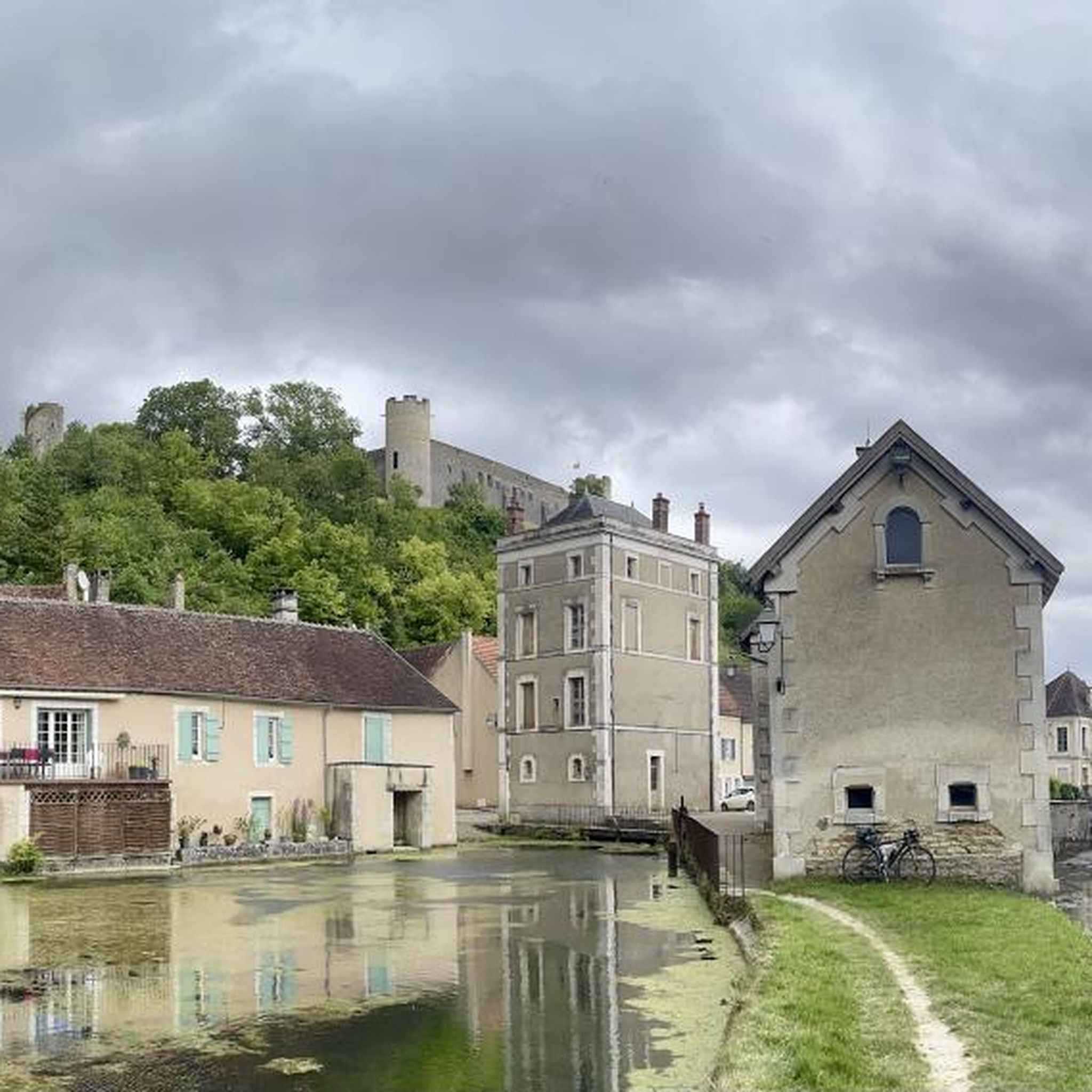
City of character which deserves to be among the most beautiful villages in France with a little more development. To have : 1 - the castle and the small surrounding village after a beautiful climb from the village. 2 - the pond hidden behind the houses in the center. A quiet corner with a beautiful overview of the village. There you will understand where the name Belles Fontaines comes from.
0
0
It was only at the end of the 12th century that the current castle of Druyes appears in the texts. Previously, during the 11th century, a first wooden castle would have been built on the site of the said castle. Druyes is part of the first generation of castles from the time of King Philippe Auguste. It is built on a square plan of 52.3 meters per side. It is an imposing building which is one of the most important specimens of military architecture from the Romanesque period in Burgundy. Private property, the castle is open to visitors. It is reached by crossing the postern which is the gateway to the fortified village, where absolute calm seems to reign. The castle dominates the town of character of Druyes Les Belles Fontaines, which deserves to be listed among the most beautiful villages in France, if it were a little better highlighted. Note a beautiful climb to climb from the village to the castle
1
0

Fortified Gate - classified as a historic monument. This gate is part of the enclosure of the lower courtyard of the castle which crowned the rock overlooking the valley and dominating the only possible crossing of the river. A second gate existed on the current rue de la Rampe. The enclosure dates from the 12th century. It was protected, to the east, by four still visible towers, one of which has just been restored. On the west coast, the enclosure appears as a very large wall, 2 m thick and 4 m high. It is incorporated into gardens and houses, but still visible. It was lined with a dry ditch. The postern did not include a drawbridge. It was closed by a heavy double door, the stone pivot cups of which can still be seen in the lower part. The machicolations made it possible to throw stones at the attackers. They probably date from the 14th century. This door has been classified as a historic monument since May 9, 1888.
7
0
6th century: primitive church built by Saint-Romain, destroyed by a fire at the end of the 11th century. 12th century: current Romanesque church: very pure plan, three-bay nave with apses in the extension. Flat transsept. 14th century: construction of the Notre-Dame de la Pitié chapel on the lower north side. 15th century: construction of the defense tower enclosing the staircase, raising of the transept with the incorporation of Gothic glass roofs. 19th century: construction of the sacristy, installation of stained glass windows, transfer of the cemetery surrounding the church. Decoration in the portal and capitals, borrows from Arab and Roman styles. Bell installed in 1881 "Constance", diameter: 1.215 m, weight: 1066 kg replaces "Perette", dating from 1642. The church was classified as a historic monument on May 9, 1888.
6
0
Beautiful 12th century castle visible from afar. Entrance costs 5 euros (as of 2021). Out of season the castle is only open on weekends. There is even a circular hiking trail where the castle is almost always visible. www.chateau-de-druyes.com
7
0
Bridge built at the time of the fortified castle and the church (12th century). It replaced a wooden bridge established over a ford by Saint Romain in the 6th century. In the Middle Ages, bridge and castle went hand in hand because any river crossing gave rise to a toll. In 1859, the bridge, which was 5.50 m wide, was widened by 2.50 m to adapt it to the transformation of the main roads into secondary roads. During 2004, it was completely renovated.
6
0

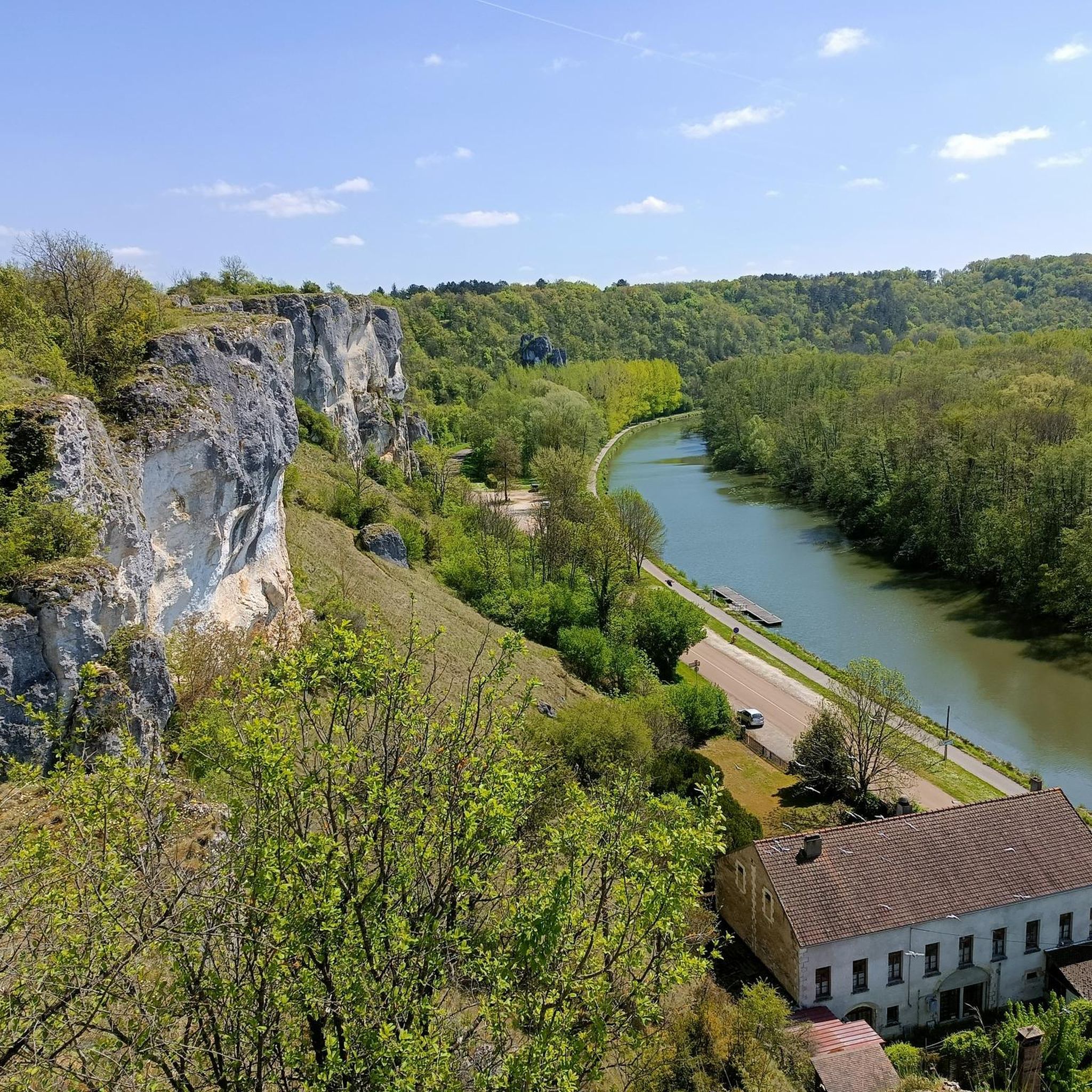
The town of Clamecy has some old medieval buildings, walks along the Yonne and a museum retracing the epic tale of log floating. You will find some nice restaurants at the foot of the collegiate church and in the city center. The cathedral is superb and deserves some time.
7
0
Frequently Asked Questions
What historical sites can I explore in Druyes-les-Belles-Fontaines?
Druyes-les-Belles-Fontaines is rich in history. You can visit the impressive 12th-century Château de Druyes, a prime example of medieval military architecture. Don't miss the Fortified Gate of Druyes-les-Belles-Fontaines, a remarkable medieval vestige that served as the main entrance to the upper town. The Saint-Romain Church, a 12th to 13th-century Romanesque church, is also a significant historical site.
Are there natural attractions or features to see in the area?
Yes, the village's name, 'Beautiful Springs,' comes from its natural features. You can visit the Springs of Druyes, crystal-clear water sources emerging from limestone caves, forming a picturesque basin with a pond and lawns. The surrounding landscape of rolling hills and forests also offers ample opportunities to enjoy nature.
What outdoor activities are available around Druyes-les-Belles-Fontaines?
The area is ideal for various outdoor activities. You can find numerous walking trails, including a popular 10.3-kilometer circuit that takes hikers through varied landscapes. For more structured routes, explore the Running Trails around Druyes-Les-Belles-Fontaines or discover MTB Trails around Druyes-Les-Belles-Fontaines.
Is the Château de Druyes open to visitors?
Yes, the Château de Druyes is open to visitors. It is a private property that offers free and guided tours, exhibitions, and events. An application called 'LEGENDR' provides an augmented reality experience to explore its history. During the off-season, the castle is typically open on weekends.
What is the significance of the Fortified Gate?
The Fortified Gate of Druyes-les-Belles-Fontaines is a classified historic monument that served as the main entrance to the upper town. It features machicolations and a heavy double door, with its stone pivot cups still visible. Segments of the original two-meter-thick and four-meter-high surrounding wall are also visible, integrated into gardens and houses.
Can I find family-friendly activities in the area?
Yes, Druyes-les-Belles-Fontaines offers family-friendly options. The Springs of Druyes site includes a pond, lawns, and a children's play area. Exploring the medieval village itself, with its old houses and stone bridge, can also be an engaging activity for families. The Historic centre of Clamecy is also noted as family-friendly.
Are there good hiking trails near Druyes-les-Belles-Fontaines?
Absolutely. The area is known for its walking trails. A popular 10.3-kilometer circuit takes hikers through varied landscapes, including limestone cliffs, wooded areas, and medieval ruins. Another trail, 'Les sources - The springs,' passes by eight fountains and six wash-houses. You can find more options in the Running Trails around Druyes-Les-Belles-Fontaines guide, which includes routes suitable for walking.
What is the best time of year to visit Druyes-les-Belles-Fontaines?
The village hosts various cultural events and festivals throughout the year, with a notable medieval festival in the summer. The natural springs and surrounding landscapes are particularly beautiful during warmer months, making spring and summer ideal for outdoor activities and enjoying the picturesque environment.
Where can I see examples of Romanesque architecture?
The Saint-Romain Church is a true gem of Romanesque architecture, dating from the 12th to 13th centuries. It is distinguished by its frescoes and detailed sculptures, offering a peaceful ambiance for those interested in sacred art and history. The Château de Druyes also showcases impressive Romanesque military architecture.
What makes the Springs of Druyes special?
The Springs of Druyes are the natural springs from which the village derives its name, 'Beautiful Springs.' These crystal-clear water sources emerge from limestone caves, forming a picturesque basin that has been central to village life for centuries. They contribute to the local rivers and streams, creating a green and fertile environment perfect for nature walks.
Can I go cycling around Druyes-les-Belles-Fontaines?
Yes, the region offers excellent opportunities for cycling. You can explore various routes that take you through the scenic Yonne department. For detailed cycling paths, refer to the Cycling around Druyes-Les-Belles-Fontaines guide, which includes routes like the 'Historic centre of Clamecy – Châtel-Censoir loop'.
What is the Bridge Over the Druyes, and what is its history?
The Bridge Over the Druyes was built in the 12th century, replacing an earlier wooden bridge established by Saint Romain in the 6th century. In the Middle Ages, such bridges were crucial for river crossings and often involved tolls. It was widened in 1859 and completely renovated in 2004, connecting the village's history with its natural landscape.
Are there any unique cultural sites or points of interest in the village?
Beyond the main historical sites, the medieval village itself is a cultural treasure, recognized as a Major Tourist Site in 1992. You'll find traditional stone houses lining narrow streets, a stone bridge from the Middle Ages, and the historic Wash House built between 1830 and 1832. The Grotte de Saint-Romain (Cave aux Fées) is another captivating natural and historical site.
Most popular routes around Druyes-Les-Belles-Fontaines

Get inspired with the komoot mobile app


Explore more
Still not found the Highlight you’re looking for? See guides of the top attractions in other regions:
