Top 5 Castles around Fontaine-Raoul
Best castles near Fontaine-Raoul, France, are found within the rural Loir-et-Cher department, an area primarily agricultural. While Fontaine-Raoul itself does not host prominent castles, the surrounding region offers historical sites. These include medieval ruins and Renaissance-style buildings, providing insights into French history and architecture. The landscape is characterized by its rural charm and proximity to the Loir river.
Best castles around Fontaine-Raoul
- The most popular castles is View of Montigny-le-Gannelon Castle, a castle that offers a beautiful viewpoint below…
Last updated: July 15, 2026
Château de Montigny-le-Gannelon
Highlight • Castle
Montigny-le-Gannelon Castle dates from the Renaissance period; it was redesigned …
Translated by Google •
Tip by

Feudal Castle of Fréteval
Highlight • Castle
Translated by Google •
Tip by

Sign up now to discover places like this
Get recommendations on the best single tracks, peaks, & plenty of other exciting outdoor places.
Sign up for free
La Gaudinière Castle (ruins)
Highlight • Castle
Translated by Google •
Tip by

Tour de Grisset
Highlight • Historical Site
Translated by Google •
Tip by
Tertre Manor
Highlight • Castle
Translated by Google •
Tip by
Start today with a free account
Your next adventure awaits.
Login or Signup



Tips from the Community

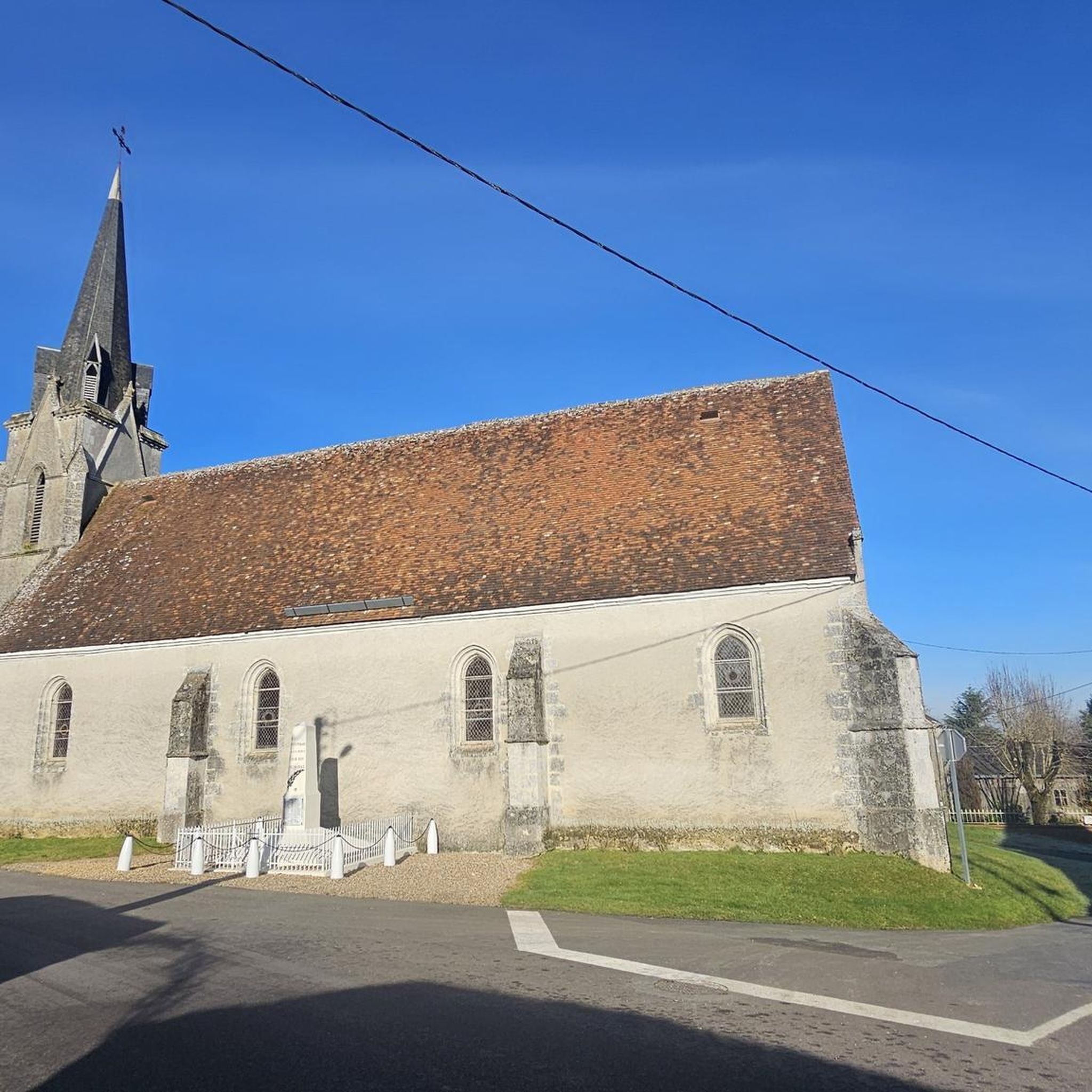
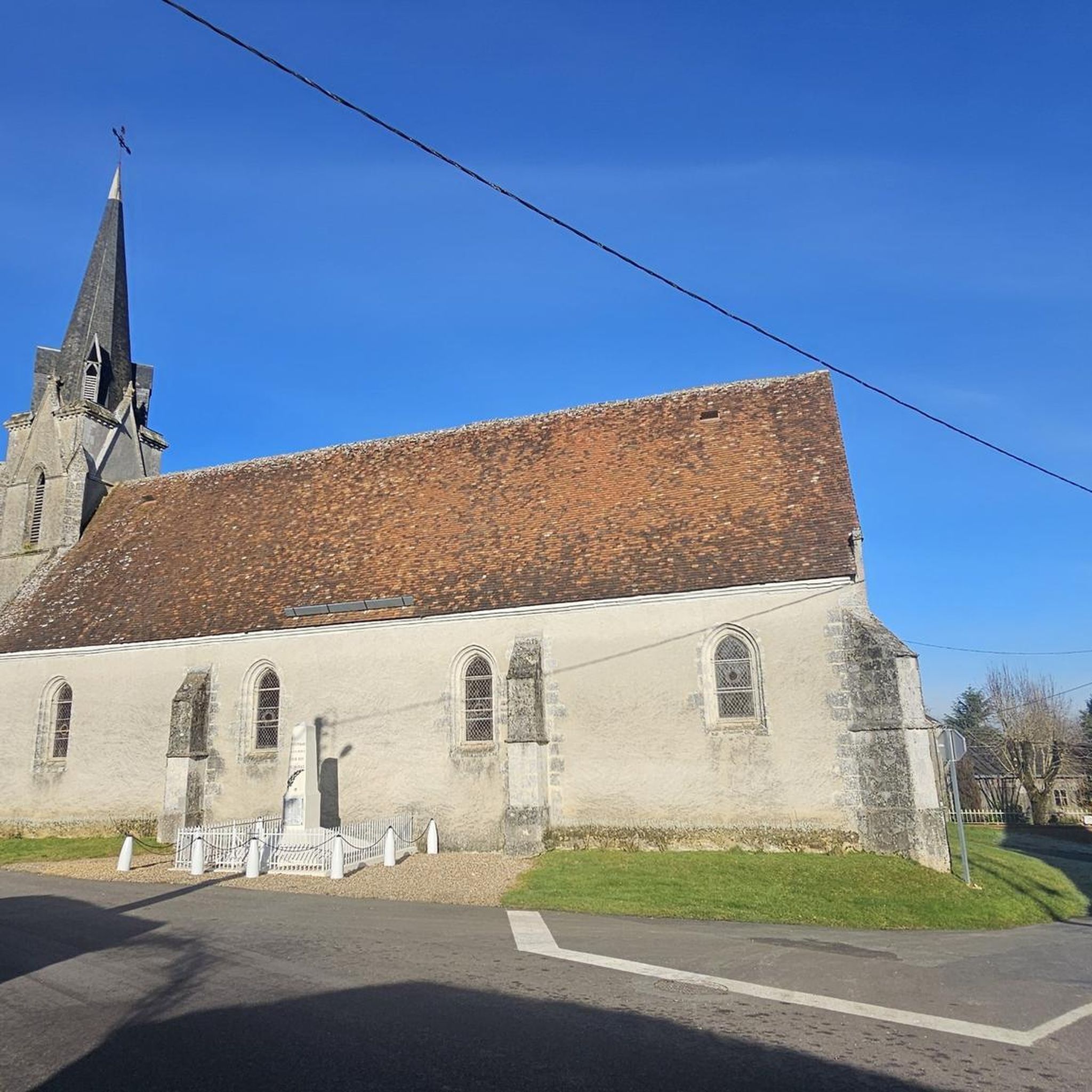
Before the 13th century there were two parishes, Saint-Sauveur and Saint-Gilles, in 1300 the bishop of Chartres united them into one by a charter of Berchères, because of the smallness of the two parishes. The church dates from the beginning of the 17th century. Rebuilt on the foundations of an old Romanesque church, its originality comes from its bell tower with saddle roof, its caquetoire and its paneled vault redone in 2003. At the initiative of the Prince Duke of Montmorency-Laval, it has contained the reliquary of Sainte-Félicité since 1838. Saint Félicité, whose relics are in Montigny-le-Gannelon, is a martyr whose life is unknown, whose body was taken from the sacred cemeteries of Rome. We have his body, the skull, the bones of his arms, fingers and feet. They were removed from the Saint-Cyriaque cemetery in 1828 and placed in their respective places on a body artistically modeled in wax and measuring more than 1.40 meters in length. A magnificent chase, of the shape and size of an altar tomb, all furnished with glazing and embellished with gilding received this precious deposit. Pope Leo XII donated it to the Duke of Laval, then Charles X's ambassador to Rome. On his death, he bequeathed it by will to the church of Montigny-le-Gannelon where the old historic castle of Laval-Montmorency is located. The venerated hunt is now placed under the main altar of which it forms the tomb.
0
0

The feudal castle of Fréteval is a castle which dates from the 11th century. You can explore the ruins of the fortress, which covers 4.5 hectares and has three lines of defense. You will also be able to see the keep, one of the oldest circular stone towers in France, built of flint. The castle was a strategic location in the conflicts between the Plantagenet kings and the kings of France. The information panels will allow you to learn more about its history. The feudal castle of Fréteval is a remarkable place that will transport you to the Middle Ages.
2
0
The Grisset Tower is an astonishing vestige of the Gallo-Roman era. This ancient tower was part of a temple dedicated to Mercury, the god of travelers and commerce. You can marvel at the impressive masonry and vaulted ceiling that have survived almost two thousand years. The tower is located on a hill overlooking the Loir, and you can enjoy panoramic views of the green valley and charming villages.
2
0
If you are interested in 15th century history and architecture, you should visit the Manoir du Tertre in Lignières, a manor which was once a feudal stronghold of the canons of Vendôme. You can walk around the mansion and admire the courtyards, towers, chapel and chimneys that have been preserved from the original construction. You will also be able to discover the families who owned the manor over the centuries, such as the Illiers des Radrets and the Plessis-d'Échelles. You can book a guided tour with one of the current owners, who will tell you more about the history and legends of this place. You will need to book in advance, as the manor is not open to the public all year round.
2
0
The Feudal Castle of Fréteval is a castle which dates from the 11th century. You can explore the ruins of the fortress, which covers 4.5 hectares and has three lines of defense. You will also be able to see the keep, one of the oldest circular stone towers in France, built in flint. The castle was a strategic location in the conflicts between the Plantagenet kings and the kings of France, and you can learn more about its history from the information panels. The feudal castle of Fréteval is a remarkable place that will transport you to the Middle Ages.
3
0
The Grisset Tower is an astonishing vestige of the Gallo-Roman era. This ancient tower was once part of a temple dedicated to Mercury, the god of travelers and commerce. You can marvel at the impressive stonework and vaulted ceiling, which have survived almost two thousand years. The tower is located on a hill overlooking the Loir, and you can enjoy panoramic views of the green valley and charming villages. The hike is easy and pleasant, but be sure to wear good shoes and bring water and snacks. You can also explore the ruins of a bath complex and other buildings that belonged to a small Roman town. The Tour de Grisset is a hidden gem that will take you back in time and bring you closer to nature.
3
1

The remains of the castle of Fréteval date from the 11th century. Its dungeon would be one of the first in a circular shape in France. As such, it is registered on the list of historical monuments. On site, you can picnic by sitting at one of the tables provided for this purpose near the site.
1
0

Frequently Asked Questions
What are the most popular castles and historical sites near Fontaine-Raoul?
Visitors frequently enjoy the View of Montigny-le-Gannelon Castle, known for its beautiful Renaissance-style facades visible from the Loir bridge. Another popular spot is the Feudal Castle of Fréteval, an 11th-century ruin with one of France's oldest circular stone keeps. The Tour de Grisset, a Gallo-Roman vestige that was once part of a temple to Mercury, also offers impressive stonework and panoramic views.
Are there any castles with significant historical figures associated with them?
Yes, the nearby Château de Freschines, located in Villefrancœur within the Loir-et-Cher department, was owned by Antoine-Laurent de Lavoisier, the 'father of modern chemistry,' from 1778. He conducted agronomic experiments on its extensive lands. This 16th-century château, largely rebuilt in the 18th century, offers a rich historical experience for those interested in the Enlightenment era and scientific history.
Can I visit the Château de Freschines?
The Château de Freschines has been restored and is sometimes available for stays, offering a unique opportunity to experience a historic French property. It is not typically open for general public visits like a museum, so direct inquiries for visits or stays would be necessary.
Are there family-friendly castles to visit in the region?
The Feudal Castle of Fréteval is considered family-friendly. Its extensive ruins, covering 4.5 hectares with three lines of defense and an ancient circular keep, provide an engaging historical exploration for all ages. You can also picnic near the site.
What kind of outdoor activities can I do near these castles?
The region around Fontaine-Raoul offers various outdoor activities. You can find numerous routes for gravel biking, road cycling, and mountain biking. For example, there are moderate gravel biking routes like the 'Étang de Saint-Lubin – Feudal Castle of Fréteval loop' and easy road cycling routes such as the 'Montigny Castle – Saint-Marc Church loop'. You can explore more options on the Gravel biking around Fontaine-Raoul, Road Cycling Routes around Fontaine-Raoul, and MTB Trails around Fontaine-Raoul guide pages.
Are there hiking or walking trails around the castles?
While specific hiking trails directly at every castle are not detailed, the area offers various cycling routes that can also be enjoyed for walking, especially around the Feudal Castle of Fréteval. The Tour de Grisset is located on a hill overlooking the Loir, offering pleasant walks with panoramic views of the valley.
What is the history behind La Gaudinière Castle?
The La Gaudinière Castle was a magnificent structure built in the mid-19th century by the Duke of La Rochefoucauld. It later served as a reception center for Armenian orphans in the 1920s. Unfortunately, the castle was severely damaged by fire in 1934 and subsequently demolished, with its ruins dispersed and looted. Today, only remnants of its past remain.
Can I visit the Tertre Manor?
The Tertre Manor in Lignières, a 15th-century feudal stronghold, can be visited by booking a guided tour with its current owners. It is not open to the public all year round, so advance booking is essential to explore its courtyards, towers, chapel, and learn about its history.
What is the best time of year to visit the castles in this region?
The Loir-et-Cher department, where these castles are located, generally experiences pleasant weather from spring to early autumn (April to October). This period offers comfortable temperatures for exploring outdoor ruins and enjoying the surrounding rural landscape. Summers can be warm, while spring and autumn provide milder conditions and beautiful scenery.
Are there any hidden gem castles or lesser-known historical sites?
While not a 'hidden gem' in the sense of being unknown, the Tour de Grisset is a unique Gallo-Roman vestige that might be less commonly visited than larger châteaux. It offers a fascinating glimpse into ancient history and impressive views, making it a worthwhile stop for those seeking something different.
What kind of architecture can I expect to see among the castles?
The castles in the region showcase a range of architectural styles. You can see Renaissance-style buildings like the Montigny-le-Gannelon Castle, medieval ruins from the 11th century at the Feudal Castle of Fréteval, and even Gallo-Roman stonework at the Tour de Grisset. The Tertre Manor represents 15th-century feudal architecture.
Most popular attractions around Fontaine-Raoul

Get inspired with the komoot mobile app


Explore more
Looking for the best castles somewhere else? Discover other guides around Fontaine-Raoul:
