The best walks and hikes in the Amargosa Range
4.7
(208)
3,000
hikers
34
hikes
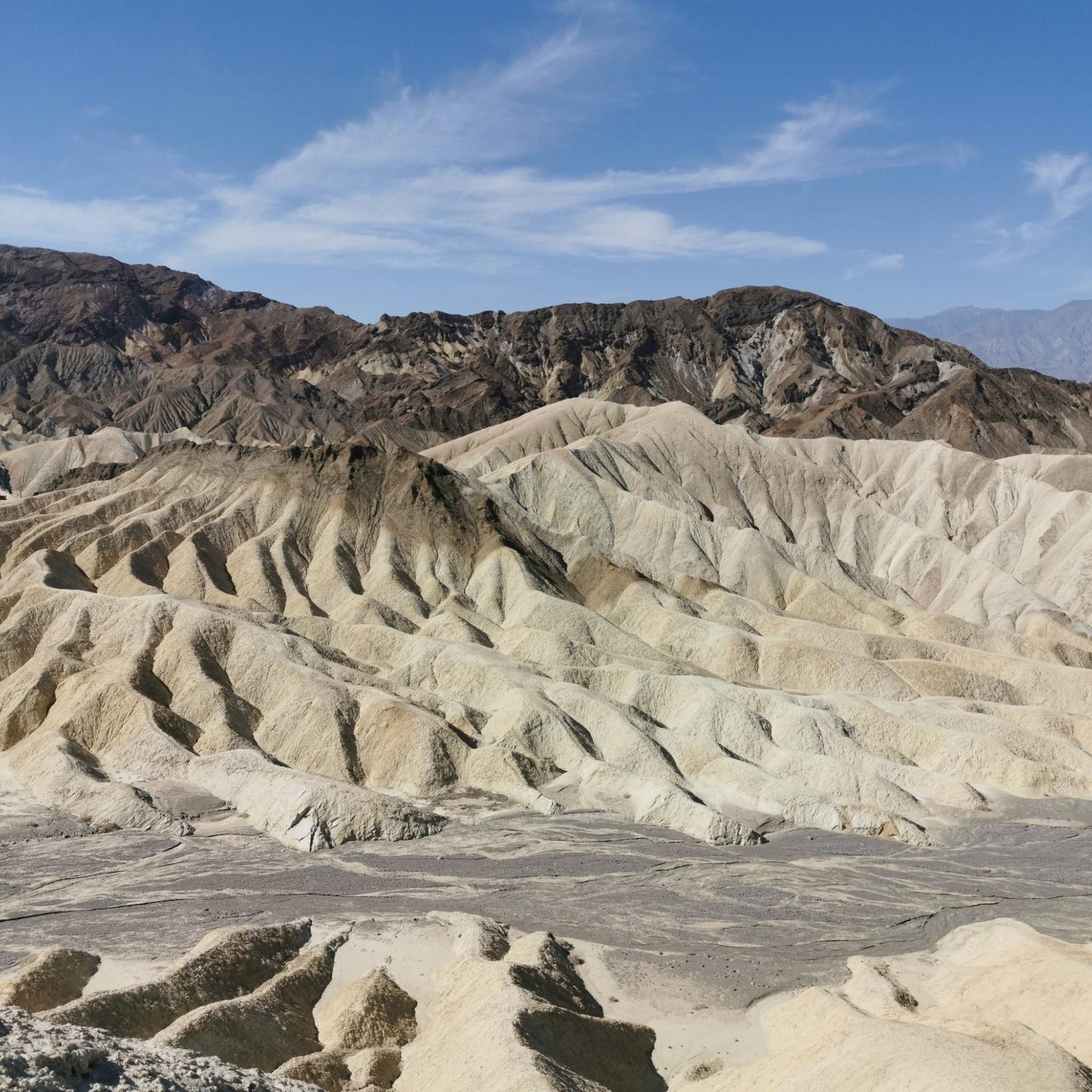
Hikes in the Amargosa Range explore a fault-block mountain range on the eastern edge of Death Valley National Park. The region is characterized by rugged, arid terrain, deep canyons, and colorful badlands shaped by erosion. The geology of the Amargosa Range includes exposed rock layers and notable formations, with trails often following wash beds and winding through narrow gulches.
Best hiking trails in the Amargosa Range
- The most popular hiking route is Golden Canyon Trail to Red Cathedral via Gower Gulch Loop — Death Valley National Park, a 5.1 mile (8.2 km) trail that takes about 2 hours 25 minutes to complete. The route combines two canyons, passing through the golden-hued badlands of Golden Canyon and the eroded hills of Gower Gulch.
- Another top favourite among local hiking enthusiasts is Badwater Basin Salt Flats — Death Valley National Park, an easy 1.9 mile (3.1 km) path. The terrain is exceptionally flat, leading out onto the expansive salt flats at the lowest point in North America.
- Local hiking enthusiasts also love the Natural Bridge & Dry Falls — Death Valley National Park, a 1.5 mile (2.4 km) trail leading through a water-sculpted canyon, often completed in about 50 minutes.
- Hiking in the Amargosa Range is defined by colorful badlands, narrow canyons, and vast salt flats. The network of trails provides options for different ability levels, from short, flat walks to more moderate canyon loops with some elevation gain.
- The routes in Amargosa Range are highly rated by the komoot community with an average score of 4.7 stars from over 120 reviews. More than 2,000 hikers have used komoot to explore Amargosa Range's varied terrain.
Last updated: May 12, 2026
4.5
(11)
82
hikers
3.36km
00:59
110m
70m
Easy hike. Great for any fitness level. Easily-accessible paths. Suitable for all skill levels.
5.0
(42)
337
hikers
8.19km
02:26
240m
250m
Moderate hike. Good fitness required. Easily-accessible paths. Suitable for all skill levels.

Sign up for free
2
hikers
7.08km
02:14
300m
240m
Moderate hike. Good fitness required. Easily-accessible paths. Suitable for all skill levels.
1
hikers
3.53km
01:08
210m
40m
Easy hike. Great for any fitness level. Easily-accessible paths. Suitable for all skill levels.
1
hikers
679m
00:13
50m
0m
Easy hike. Great for any fitness level. Easily-accessible paths. Suitable for all skill levels.
1
hikers
817m
00:15
0m
80m
Easy hike. Great for any fitness level. Easily-accessible paths. Suitable for all skill levels.
2.05km
00:32
0m
20m
Easy hike. Great for any fitness level. Easily-accessible paths. Suitable for all skill levels.
5.0
(5)
181
hikers
3.10km
00:47
0m
0m
Easy hike. Great for any fitness level. Easily-accessible paths. Suitable for all skill levels.
5.0
(3)
99
hikers
2.35km
00:52
160m
160m
Easy hike. Great for any fitness level. Easily-accessible paths. Suitable for all skill levels.
4.8
(4)
57
hikers
14.1km
04:16
480m
480m
Moderate hike. Good fitness required. Easily-accessible paths. Suitable for all skill levels.
Get access to more routes and recommendations from other explorers.
Sign up for free
Already have an account?
Our route recommendations are based on thousands of hikes, rides, and runs completed by other people on komoot.
Start today with a free account
Your next adventure awaits.
Login or Signup
Popular around Amargosa Range
Tips from the Community

Water and sunglasses are essential!
1
0

The heat should not be underestimated… Despite the short distance
1
0


Badwater Basin is the lowest point in North America, at 280 feet (86 meters) below sea level. The salt flats here cover nearly 200 square miles (518 square kilometers) and are composed primarily of sodium chloride (table salt), along with calcite, gypsum, and borax. Stories suggest that Badwater Basin got its name when an early surveyor’s mule refused to drink from the spring-fed pool near the current boardwalk. The water here isn’t really “bad,” just very salty. Despite the high salt content, many organisms not only survive here, but thrive. The pool is home to an endemic snail that is native only to this location, and the rim is dotted with salt-tolerant plants, including samphire. Badwater Basin was once the site of the large, ancient inland lake Manly, which evaporated tens of thousands of years before the arrival of the man in 1849 for whom it is named. The lake had no outlet, so over time sediment and salt accumulated. When the lake eventually evaporated, it left behind concentrated salt layers. Today, fascinating geometric salt flats form on the plains as groundwater rises through these layers and evaporates.
4
1
This is one of the famous viewpoints of the park. It is surrounded by wild, sandy, barren mountains.
4
1

This is the lowest point of the continental USA. Badwater is about 282 feet (85.5 meters) below sea level. It is also one of the hottest places in the world with temperatures around 50 degrees Celsius in the summer months. A short walk across the salt desert is still worthwhile in any heat.
3
1

Zabriskie Point is a lookout point in the Amargosa Range in Death Valley National Park, known for its bizarre erosion landscapes around the former Lake Manly. It was named at the beginning of the 20th century after Christian Brevoort Zabriskie from Wyoming, the vice president and general manager of the Pacific Coast Borax Company, which was commissioned to mine borax in the area.
3
0
Frequently Asked Questions
What is the best time of year to hike in the Amargosa Range?
The best time to hike in the Amargosa Range and surrounding Death Valley is during the cooler months, from late fall to early spring (typically November through March). Summer temperatures are extremely high and can be dangerous for hiking. Spring can also be a beautiful time to visit, with the potential for wildflower blooms after a wet winter.
Are there any easy, family-friendly hikes in the area?
Yes, there are several great options for families. The Badwater Basin Salt Flats trail is an exceptionally flat and easy 1.9-mile (3.1 km) walk onto the vast salt flats, which is a unique experience for all ages. Another excellent choice is the trail to Natural Bridge & Dry Falls, a short 1.5-mile (2.4 km) walk through a canyon to a large, impressive rock bridge.
What are the trail conditions generally like in the Amargosa Range?
Most trails in the Amargosa Range follow wash beds and traverse rugged, arid terrain. You can expect surfaces to range from hard-packed gravel to loose rock and sand. Trails are often exposed with little to no shade, so it's crucial to be prepared for sun exposure. Always carry more water than you think you'll need, and wear sturdy footwear.
Are there any circular hikes or loop trails?
The region offers some fantastic loop hikes. A highly regarded option is the Golden Canyon Trail to Red Cathedral via Gower Gulch Loop. This 5.1-mile (8.2 km) moderate hike takes you through the colorful badlands of two distinct canyons, offering a comprehensive experience of the area's geology.
Can I see any waterfalls while hiking in the Amargosa Range?
While the area is very arid, you can find a waterfall near China Ranch. Trails starting from the ranch lead into the Amargosa Canyon, where the Amargosa River creates a rare desert oasis. Following the trails can lead you to a small but beautiful waterfall, a surprising sight in the Mojave Desert.
What makes the geology of this area special for hikers?
The Amargosa Range is a geologist's dream. The trails, such as the Desolation Canyon Trail, cut through layers of colorful, eroded badlands, showcasing millions of years of geological history. You'll hike through dramatic canyons, past unique rock formations, and see the powerful effects of erosion that have shaped this stark and beautiful landscape.
Are dogs allowed on the hiking trails?
In general, pets are not allowed on hiking trails within Death Valley National Park, which includes many of the trails in the Amargosa Range. They are typically permitted only in developed areas like campgrounds and along roads. It is essential to check the specific regulations for the area you plan to visit, such as on the official National Park Service website, before bringing your dog.
How many hiking trails are available in the Amargosa Range?
There are over 30 designated hiking routes in and around the Amargosa Range available on komoot. These trails range from very easy, flat walks to more challenging moderate hikes with significant elevation gain, offering plenty of options for different fitness levels and interests.
Are there any hikes with good views?
For spectacular panoramic views, the Dante's View & Mount Perry trail is an excellent choice. This moderate hike offers breathtaking overlooks of the Badwater Basin salt flats and the Panamint Range from one of the highest points in the area.
What do other hikers say about the Amargosa Range?
The hikes in the Amargosa Range are highly rated by the komoot community, with an average score of 4.7 out of 5 stars. Reviewers frequently praise the stunning, colorful geology of the canyons and the unique experience of hiking in such a dramatic and otherworldly landscape. The solitude and stark beauty are often highlighted as major attractions.
Where can I find hikes near the China Ranch Date Farm?
China Ranch is a popular starting point for several trails. From the farm, you can access the China Ranch Trail system, which leads into the scenic Amargosa Canyon. This area features a lush riparian habitat along the Amargosa River and offers trails to points of interest like a slot canyon and a waterfall. It's a great place to experience a different side of the desert ecosystem.
Are there any particularly long or challenging hikes for experienced trekkers?
For those seeking a more strenuous outing, the Saddle Peak Hills Trail offers a good challenge. This moderate 4.2-mile (6.7 km) hike involves over 1,100 feet (350 m) of elevation gain, rewarding hikers with expansive views across the rugged terrain. Another longer option is the trail to Willow Canyon, a moderate 4.3-mile (6.9 km) route that explores a more remote canyon.
Most popular routes in the Amargosa Range
Most popular attractions in the Amargosa Range

Get inspired with the komoot mobile app


Explore more
Browse the best Hikes in other regions.
