The best cycling routes around Villesèquelande
4.4
(676)
6,008
riders
119
rides
Best touring bike trails Villesèquelande are primarily characterized by the flat, accessible paths alongside the Canal du Midi, a UNESCO World Heritage site. The region's terrain is generally low-lying, offering smooth cycling experiences with minimal elevation changes. While most routes follow waterways, some trails venture into gently rolling countryside, providing varied landscapes for touring cyclists.
Best touring cycling routes around Villesèquelande
- The most popular touring cycling route is Béteille lock – Canal du Midi loop from Villesèquelande, a 25.8 miles (41.6 km) trail that takes 3 hours 35 minutes to complete. This route follows the historic Canal du Midi, passing several locks.
- Another top favourite among local touring cyclists is View of La Cité de Carcassonne – Canal du Midi loop from Pezens, an easy 15.5 miles (24.9 km) path. This route offers views of La Cité de Carcassonne while traversing the canal banks.
- Local touring cyclists also love the Canal du Midi – Criminal lock loop from Carcassonne, a 17.2 miles (27.7 km) trail leading through the scenic Canal du Midi corridor, often completed in about 1 hour 54 minutes.
- Touring cycling around Villesèquelande is defined by tranquil canal paths, historic locks, and views of the surrounding agricultural landscape. The network offers options for easy, moderate, and difficult routes, catering to various ability levels.
- The routes in Villesèquelande are highly rated by the komoot community with an average score of 4.5 stars from over 600 reviews. More than 5,900 touring cyclists have used komoot to explore Villesèquelande's varied terrain.
Last updated: July 18, 2026
4.2
(51)
374
riders
40.6km
03:24
110m
110m
Moderate bike ride. Good fitness required. Mostly paved surfaces. Suitable for all skill levels.
3.9
(21)
131
riders
Easy bike ride. Great for any fitness level. Mostly paved surfaces. Suitable for all skill levels.

Sign up for free
4.3
(4)
33
riders
Hard bike ride. Very good fitness required. Mostly paved surfaces. Suitable for all skill levels.
5.0
(2)
22
riders
23.9km
01:47
50m
50m
Easy bike ride. Great for any fitness level. Mostly paved surfaces. Suitable for all skill levels.
4.0
(2)
12
riders
35.2km
02:20
540m
540m
Hard bike ride. Very good fitness required. Mostly paved surfaces. Suitable for all skill levels.
Get access to more routes and recommendations from other explorers.
Sign up for free
Already have an account?
Our route recommendations are based on thousands of hikes, rides, and runs completed by other people on komoot.
Start today with a free account
Your next adventure awaits.
Login or Signup

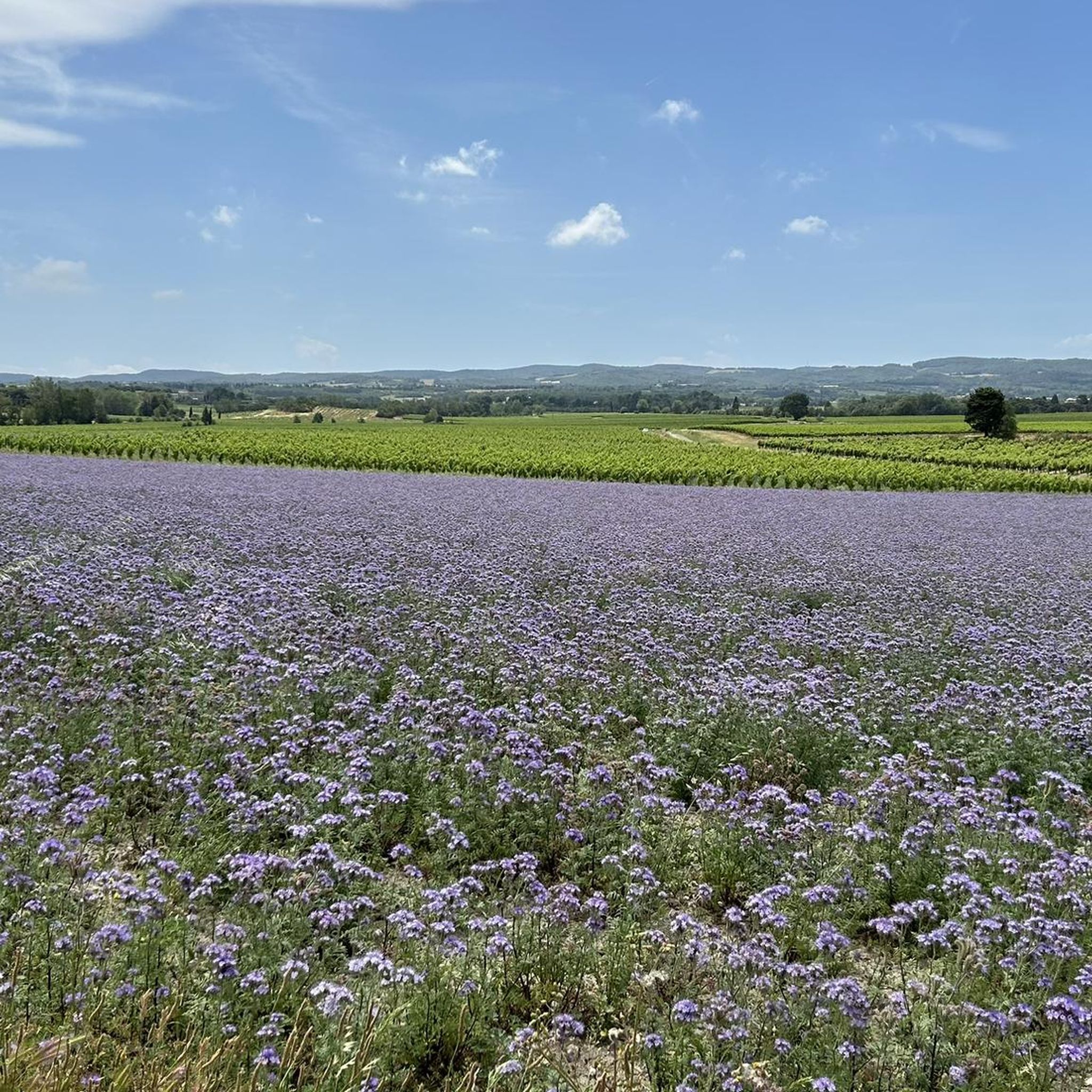
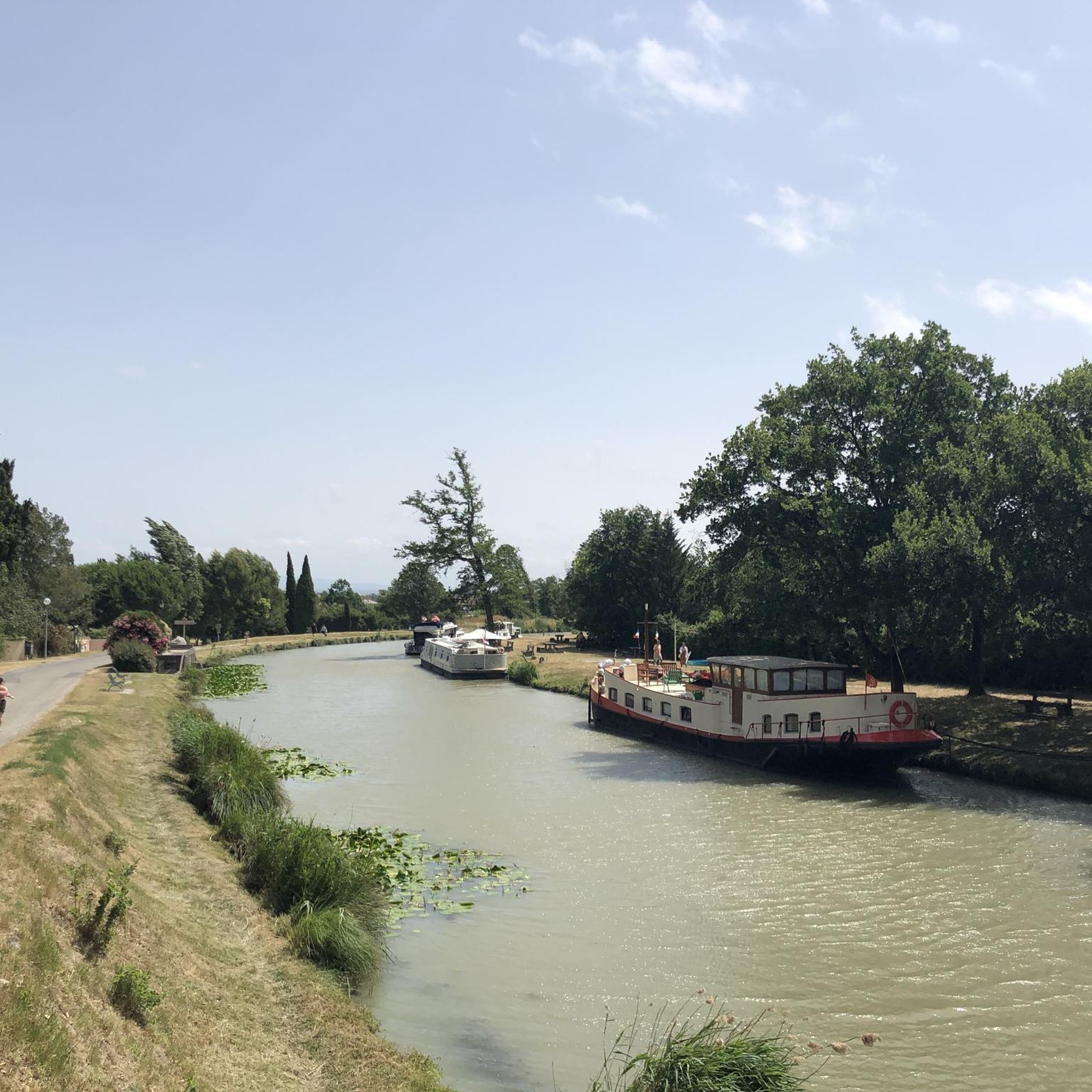
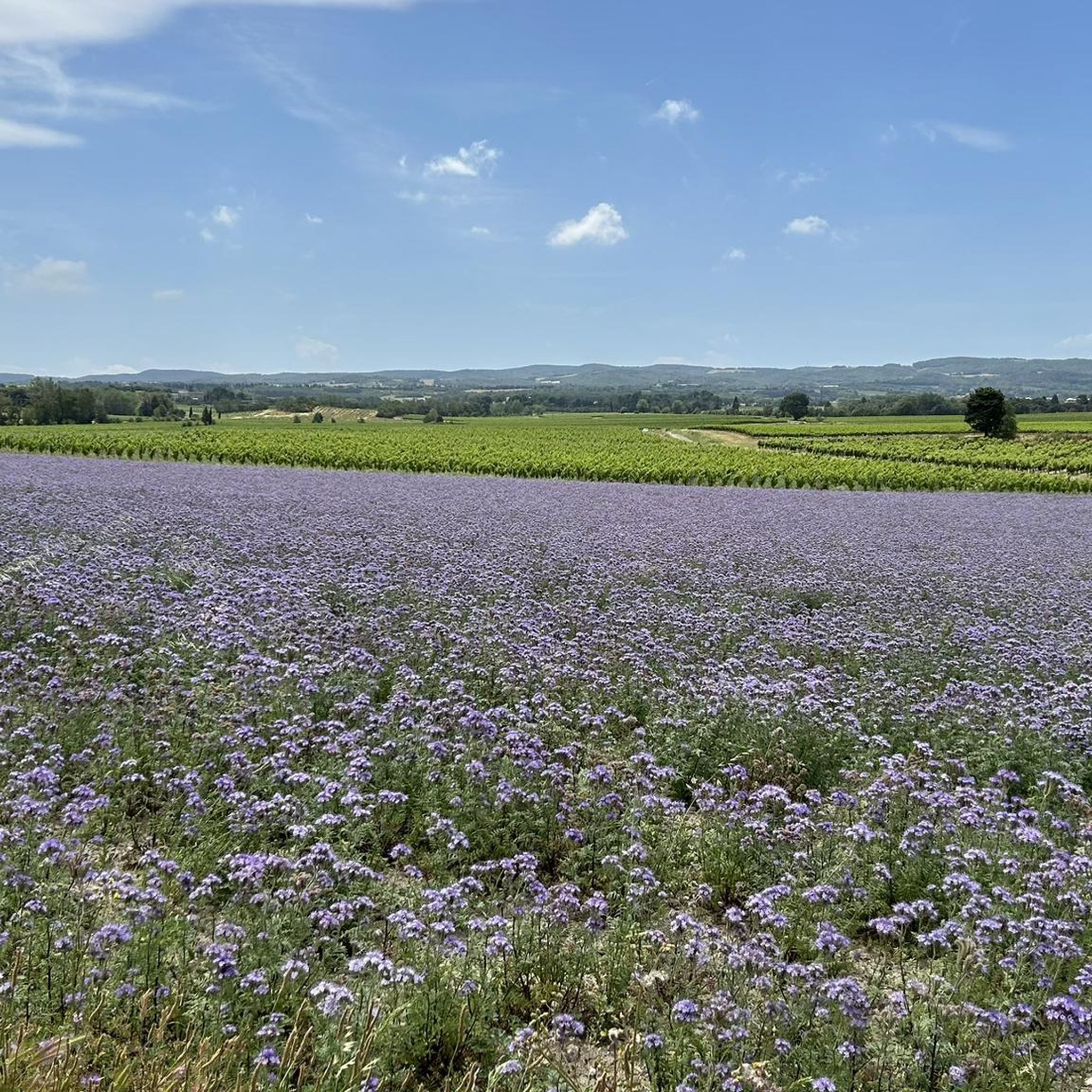
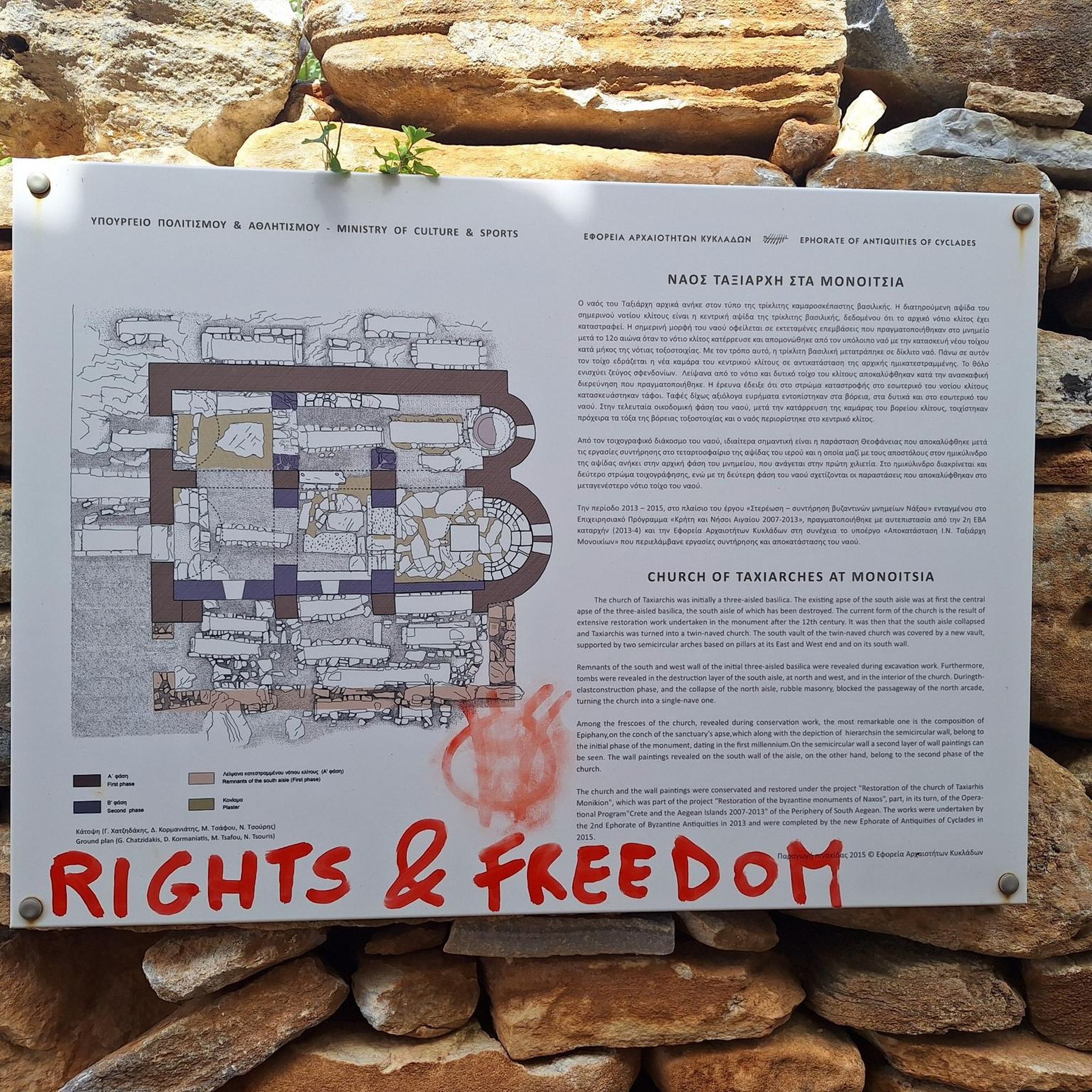
Tips from the Community


The historic city of Carcassonne, unlike the rest, is definitely worth a visit. The best thing to do is to walk around on foot to see everything!
1
0

"Carcassonne, located in the south of France between Montpellier and Toulouse, was founded in the 6th century BC by Iberian Celts. The Romans turned the hill into a castle by building a protective wall. In the 5th century, the Visigoths conquered the city, and in the 8th century the Arabs, who drove them out in 759. In the 12th century, Count Trencavel built a count's castle on the highest point of the hill on parts of the Roman city wall. Carcassonne became a central element in the defense system on France's border with Aragon. In the middle of the 13th century, the dilapidated wall was protected by a second outer city wall." With these words, the website for the television series "Treasures of the World - Heritage of Humanity" describes the city that is a UNESCO World Heritage Site. The 15-minute film is available – but only in German – in the ARD media library under the following link => https://www.ardmediathek.de/video/schaetze-der-welt/carcassonne-frankreich-folge-125/swr/Y3JpZDovL3N3ci5kZS83MTc1NzUw
0
0
A "chemin de halage", in German "treidelpfad", which runs alongside the waterway right next to the bed of the river or canal, was an indispensable part of the transport infrastructure in earlier times. Before ships could move using motor power, horses ran along the bank and pulled the ship against the current. This was called "treideln", and this is how the "treidelpfads" got their name, which has been passed down to this day. Where these paths directly on the bank have been preserved, they are often used by hikers and cyclists.
0
0

On the other side of the canal from the stele, there is a nice rest area. One of those on the long route from Castelnaudry to Carcassonne.
0
0


quiet shaded site possibility of restoring
0
0

Source Wikipedia: The name of the municipality is probably derived from the Latin Eburomagus, a settlement founded by the Romans around 60 BC, of which it is not known whether it only spread out in the surrounding valleys or also extended onto the hill itself. Various small finds from the Gallo-Roman period (4th - 6th centuries) have also been made in the area around the town. In the 12th century, the new Bram was built on a hill with a completely regular circular structure (circulade) consisting of three streets with adjacent houses and a central square in the middle, on which the town's church was soon built. There was only one city gate in the east; the whole complex therefore had a clear defensive character. During this time, most of Bram's residents converted to the Cathar faith; This brought the town to the attention of the crusaders of the Albigensian Crusade (1209-1229), and in 1210 it was taken by Simon de Montfort's troops after a three-day siege. While most of the residents returned to the bosom of the Roman Church and went unpunished, he had the noses and upper lips of 100 stubborn heretics cut off and their eyes gouged out (not entirely correct in Wiki, the residents were blinded); he left one eye so that he could escort the others to Lastours, a good 30 kilometers away, the crusaders' next target. Nothing is known about the time of the Hundred Years' War (1347-1463) and the religious unrest of the 16th century. In any case, the town experienced its economic heyday in the 17th century - the Canal du Midi was built nearby and new houses were now also built outside the city walls.
0
0
Frequently Asked Questions
How many touring cycling routes are available around Villesèquelande?
There are over 120 touring cycling routes around Villesèquelande, offering a wide range of options for different skill levels and preferences. You'll find everything from easy, flat canal paths to more challenging routes with gentle climbs into the surrounding countryside.
Are there family-friendly touring cycling routes in Villesèquelande?
Yes, Villesèquelande is excellent for family cycling, especially along the Canal du Midi. The towpaths are generally flat, well-maintained, and traffic-free, making them safe for children. Routes like the View of La Cité de Carcassonne – Canal du Midi loop from Pezens are easy and offer scenic views without significant elevation changes.
What kind of terrain can I expect on touring bike trails near Villesèquelande?
The terrain around Villesèquelande is predominantly flat, especially along the historic Canal du Midi, which is a UNESCO World Heritage site. These routes offer smooth cycling with minimal elevation. Some trails, however, venture into the gently rolling countryside, providing a bit more variety and occasional gentle climbs, such as the Col de la Malpère loop from Lavalette.
Are there any circular touring cycling routes in the Villesèquelande area?
Yes, many touring cycling routes around Villesèquelande are designed as loops, allowing you to start and finish in the same location. Examples include the popular Béteille lock – Canal du Midi loop from Villesèquelande and the Canal du Midi – Criminal lock loop from Carcassonne.
What are the best times of year for touring cycling in Villesèquelande?
The best times for touring cycling in Villesèquelande are generally spring (April to June) and early autumn (September to October). During these months, the weather is pleasantly mild, and the natural scenery along the Canal du Midi is particularly beautiful. Summers can be hot, making early mornings or late afternoons preferable for rides, while winters are typically mild but can be damp.
What attractions or landmarks can I see along the touring cycling routes?
The routes often follow the Canal du Midi, offering views of its historic locks and charming waterside villages. You can also explore significant landmarks nearby. For instance, the View of La Cité de Carcassonne – Canal du Midi loop from Pezens provides glimpses of the magnificent Carcassonne Citadel. Other notable sights include the Old Bridge of Carcassonne and the Aude Gate.
Are touring cycling routes in Villesèquelande suitable for beginners?
Absolutely. Many routes, particularly those along the Canal du Midi, are very suitable for beginners due to their flat profile and well-maintained surfaces. The Canal du Midi – Béteille lock loop from Sainte-Eulalie is an excellent easy option for those new to touring cycling.
What do other touring cyclists enjoy most about cycling in Villesèquelande?
The area is highly rated by the komoot community, with an average score of 4.5 stars from over 600 reviews. Cyclists frequently praise the tranquil canal paths, the historical charm of the locks, and the picturesque views of the surrounding agricultural landscape. The accessibility and variety of routes, catering to all abilities, are also highly appreciated.
Is public transport available to access touring cycling routes in Villesèquelande?
While Villesèquelande itself is a smaller village, the nearby city of Carcassonne is well-connected by regional trains (TER) that often allow bicycles, though it's advisable to check specific train line policies and peak hour restrictions. From Carcassonne, you can easily access various points along the Canal du Midi by bike, which then connects to routes around Villesèquelande.
Are dogs allowed on the touring cycling routes around Villesèquelande?
Yes, dogs are generally welcome on the touring cycling routes around Villesèquelande, especially on the Canal du Midi towpaths, provided they are kept on a leash and under control. It's always a good idea to bring water for your dog, especially during warmer months, as shade can be limited in some sections.
Where can I find parking for touring cycling routes in Villesèquelande?
Parking is typically available in Villesèquelande village itself, often near the Canal du Midi or local amenities. For routes starting from nearby towns like Carcassonne or Pezens, you'll find designated parking areas, particularly close to canal access points or train stations. Always check local signage for any parking restrictions.
Most popular routes around Villesèquelande
Most popular attractions around Villesèquelande

Get inspired with the komoot mobile app


Explore more
Browse the best Cycling routes in other regions.
