Attractions and Places To See around Navarrenx - Top 13
Best attractions and places to see around Navarrenx include a fortified town and historical religious sites. Navarrenx, a bastide from the 14th century, features impressive 16th-century ramparts built a century before Vauban. The region offers a variety of historical and cultural points of interest, making it a destination for those interested in history and architecture. Many family friendly attractions Navarrenx are available for exploration.
Best attractions and places to see around Navarrenx
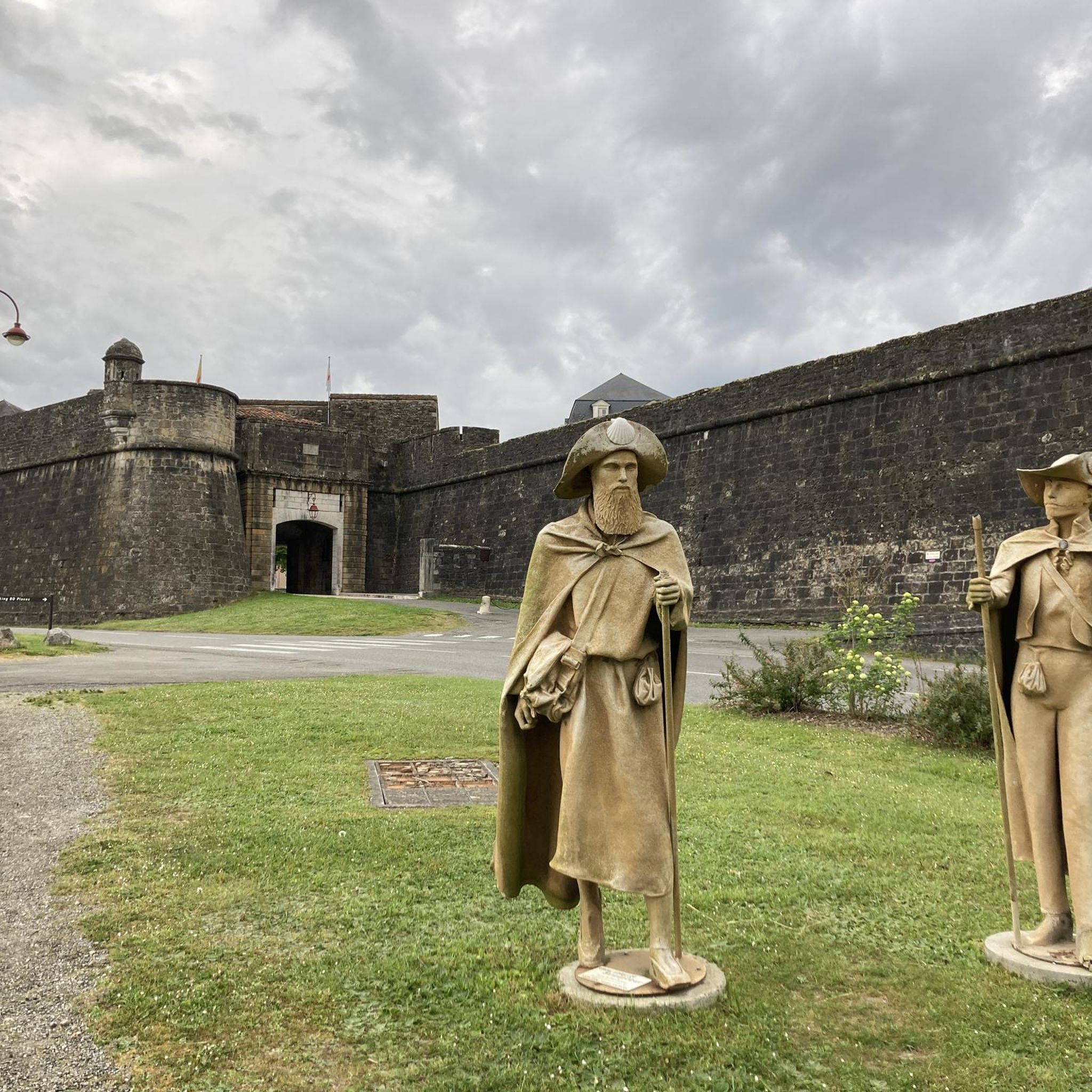
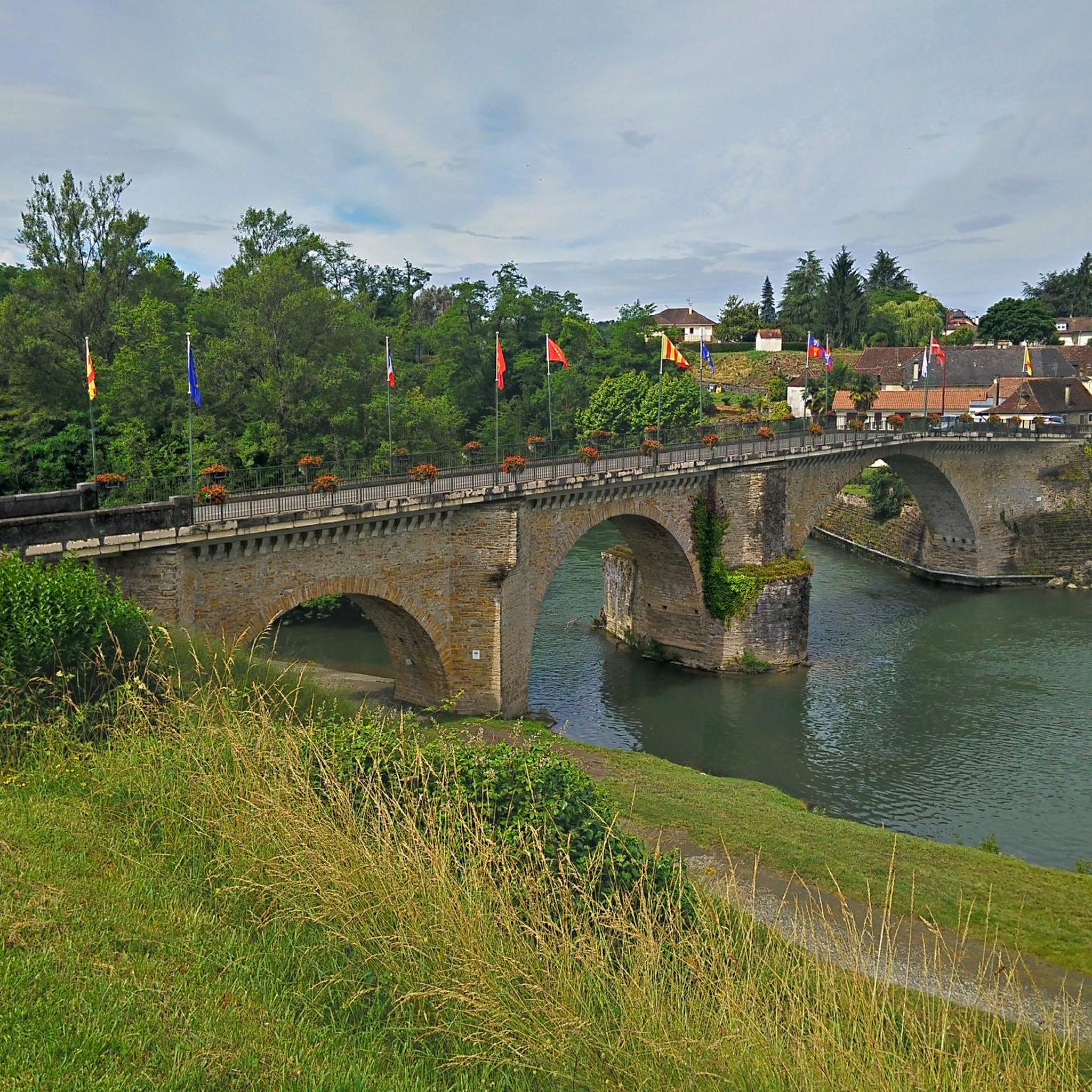
- The most popular attractions is Navarrenx, a historic town that was converted into a bastide in the 14th century. Its 16th-century ramparts, bridge Porte St-Antoine, and powder tower are notable features.
- Another must-see spot is Sauvelade Abbey, a religious building founded by Benedictines in 1127. This Cistercian abbey, known for its simple architecture, has a connection to the Way of St. James.
- Visitors also love Church of L'Hôpital-Saint-Blaise, an ancient hospital foundation dating back to the 12th century. This religious building is located on the Pyrenean foothills of the Way of Saint James.
- Navarrenx is known for its historical sites, fortified architecture, and religious buildings. The area provides a range of attractions to see and explore, reflecting its rich past.
- The attractions around Navarrenx are appreciated by the komoot community, with more than 60 upvotes and over 60 photos shared.
Last updated: July 2, 2026
Navarrenx
Highlight • Other
The wall wall, the bridge Porte St-Antoine, the powder tower and the central square are impressive.
Translated by Google •
Tip by

Sauvelade Abbey
Highlight • Religious Site
fr.wikipedia.org/wiki/Sauvelade
The monastery church is very simple, which can be attributed to the Cistercians. The Cistercians wanted to live exclusively from the work of their own hands. There was nothing left for magnificent stucco work and expensive architecture.
This abbey was ravaged by the fearsome troops of Montgommery. However, the Cistercians were finally driven out in the French Revolution.
Translated by Google •
Tip by
Sign up now to discover places like this
Get recommendations on the best single tracks, peaks, & plenty of other exciting outdoor places.
Sign up for free
Église paroissiale Saint-Jean-Baptiste
Highlight • Other
John is the son of Zechariah and Elizabeth, who was visited by the Blessed Virgin Mary when she learned from the Archangel Gabriel that she herself would give birth to Jesus Christ, and her—until then childless—relative was still pregnant in old age.
The feast day of Saint John the Baptist in the calendar of saints is June 24.
Translated by Google •
Tip by

Navarrenx
Highlight • Settlement
Showing Translation
Tip by

Saint-Germain-d'Auxerre Church
Highlight • Religious Site
Translated by Google •
Tip by

Sign up for free to discover even more attractions around Navarrenx.
Sign up for free
Already have an account?
Start today with a free account
Your next adventure awaits.
Login or Signup



Tips from the Community

With the patronage of "John the Baptist," this parish has chosen a saint who is considered a forerunner of Jesus Christ. In Christian theology, he is the voice of one crying in the wilderness prophesied in the Old Testament book of Isaiah: "A voice calls out: 'In the wilderness, prepare the way of the Lord; make straight in the desert a highway for our God!'" (Lutheran Bible). John is the son of Zechariah and Elizabeth, who was visited by the Blessed Virgin Mary when she learned from the Archangel Gabriel that she herself would give birth to Jesus Christ, and her—until then childless—relative was still pregnant in old age. The feast day of Saint John the Baptist in the calendar of saints is June 24.
6
0

The beautiful, large church, restored in the early 1990s, was built in the mid-16th century. It once served as a Protestant temple until it regained its Catholic vocation in the first half of the 17th century.
5
0

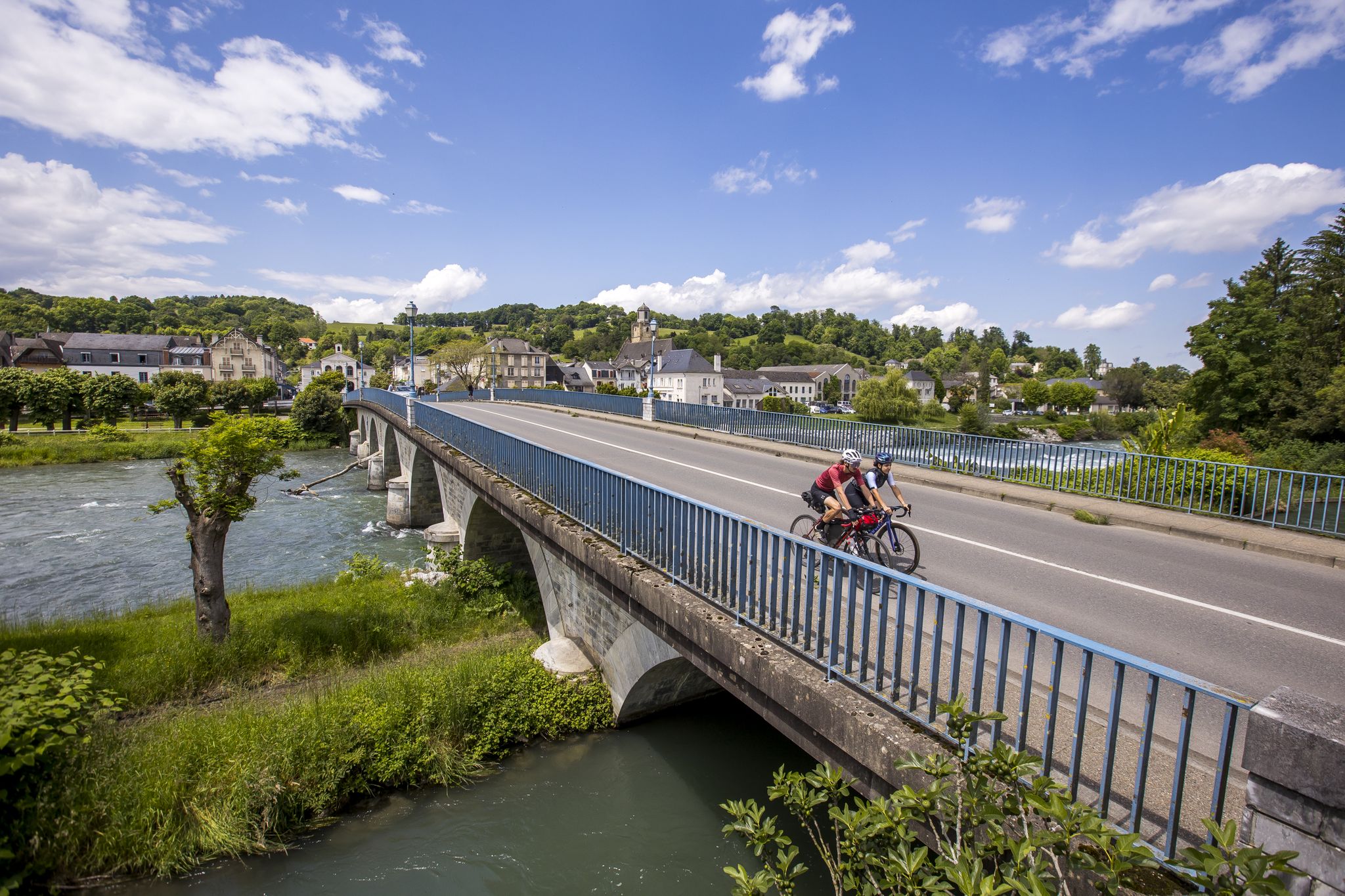
Classed among the Most Beautiful Villages in France, Navarrenx reveals remarkable heritage. This medieval fortified town has the distinction of being one of the first fortified towns in France. It has an austere and military side and features classical-style buildings.
2
0

Due to the connection to the Way of St. James, a good infrastructure for hiking.
0
0

Once again we have reached a milestone on the "Via Podiensis", our pilgrimage route to St. James (Chemin de Saint Jacques) through France; and here too, in the village of Navarrenx, our small group of pilgrims is charmed by the beautiful atmosphere of the place. But we still have to move on the next morning ... still the (comparatively short) way to Saint-Jean Pied-de-Port, and then - after crossing the Pyrenees - further on the "Camino Frances" through the north of Spain to the Tomb of the Apostle in Santiago de Compostela, Galicia.
4
0

Navarrenx is very worth seeing. At the beginning of the 14th century, Navarrenx was converted into a bastide. In the 16th century it was redesigned by the King of Navarre based on the model of the Tuscan city of Lucca. The floor plan is in the shape of a turtle. The wall wall, the bridge Porte St-Antoine, the powder tower and the central square are impressive.
10
0
Sauvelade Abbey was founded by Benedictines in 1127 and later taken over by the Cistercian order. In 1385 there were 17 households there. https://fr.wikipedia.org/wiki/Sauvelade The monastery church is very simple, which can be attributed to the Cistercians. The Cistercians wanted to live exclusively from the work of their own hands. There was nothing left for magnificent stucco work and expensive architecture. This abbey was ravaged by the fearsome troops of Montgommery. However, the Cistercians were finally driven out in the French Revolution.
6
0
Frequently Asked Questions
What historical sites can I visit in the Navarrenx region?
The region is rich in history. You can explore the fortified town of Navarrenx itself, known for its 16th-century ramparts built a century before Vauban. Other significant historical religious sites include Sauvelade Abbey, a Cistercian abbey founded in 1127, and the Church of L'Hôpital-Saint-Blaise, an ancient 12th-century hospital foundation on the Way of Saint James.
Are there family-friendly attractions around Navarrenx?
Yes, several attractions are suitable for families. Both Sauvelade Abbey and the Church of L'Hôpital-Saint-Blaise are categorized as family-friendly historical sites, offering an educational and engaging experience for all ages.
What outdoor activities can I do near Navarrenx?
The Navarrenx area offers various outdoor activities. You can find numerous hiking trails, running routes, and mountain biking trails. The region's diverse landscape provides options for different skill levels and preferences.
Are there easy hiking trails suitable for beginners or families around Navarrenx?
Yes, there are easy hiking options. For instance, the 'Navarrenx – Bastion of Echoes loop from Navarrenx' is an easy 3.4 km hike, and the 'Sauvelade Abbey – View of Landresse loop from Sauvelade' is another easy 6 km option. You can find more details and routes on the Hiking around Navarrenx guide.
What makes Navarrenx unique as a historical town?
Navarrenx is unique for its impressive 16th-century ramparts, which were built a century before the famous military architect Vauban. Originally a 14th-century bastide, its floor plan is notably in the shape of a turtle, and it features the historic Porte St-Antoine bridge and a powder tower.
Can I find mountain biking trails near Navarrenx?
Absolutely. The area around Navarrenx has several mountain biking trails. Options include a 35.3 km 'Mountainbike loop from Navarrenx' and a 41.5 km 'Fast and Playful Singletrack – Château d'Aren loop from Geüs-d'Oloron'. Explore more routes on the MTB Trails around Navarrenx guide.
What is the significance of Sauvelade Abbey?
Sauvelade Abbey, founded by Benedictines in 1127 and later taken over by the Cistercian order, is significant for its simple, unadorned architecture, reflecting the Cistercian commitment to living from their own labor. It also holds a historical connection to the Way of St. James.
Are there any running routes available in the Navarrenx area?
Yes, there are several running routes. You can find moderate difficulty loops such as the 'Bastion of Echoes loop from Navarrenx' (13.5 km) or a shorter 'Navarrenx loop from Jasses' (5.5 km). For more options, check the Running Trails around Navarrenx guide.
What is the best time to visit Navarrenx for outdoor activities?
The region generally experiences mild weather, making spring and autumn ideal for outdoor activities like hiking and cycling. These seasons offer comfortable temperatures and beautiful natural scenery. Summer can also be pleasant, especially in the mornings and evenings, though it can get warmer.
What are some lesser-known religious buildings to visit near Navarrenx?
Beyond the more prominent sites, you can visit the Église paroissiale Saint-Jean-Baptiste, dedicated to John the Baptist, or the Saint-Germain-d'Auxerre Church, a beautiful large church from the mid-16th century that once served as a Protestant temple.
What kind of architecture can I expect to see in Navarrenx?
In Navarrenx, you'll primarily see impressive fortified architecture, including its renowned 16th-century ramparts. The town's layout as a bastide from the 14th century also showcases a distinct urban planning style. Religious buildings like Sauvelade Abbey feature simpler Cistercian architecture.

Get inspired with the komoot mobile app


Explore more
Still not found the Highlight you’re looking for? See guides of the top attractions in other regions:
