The best road cycling routes around Manou
4.5
(34)
359
riders
124
rides
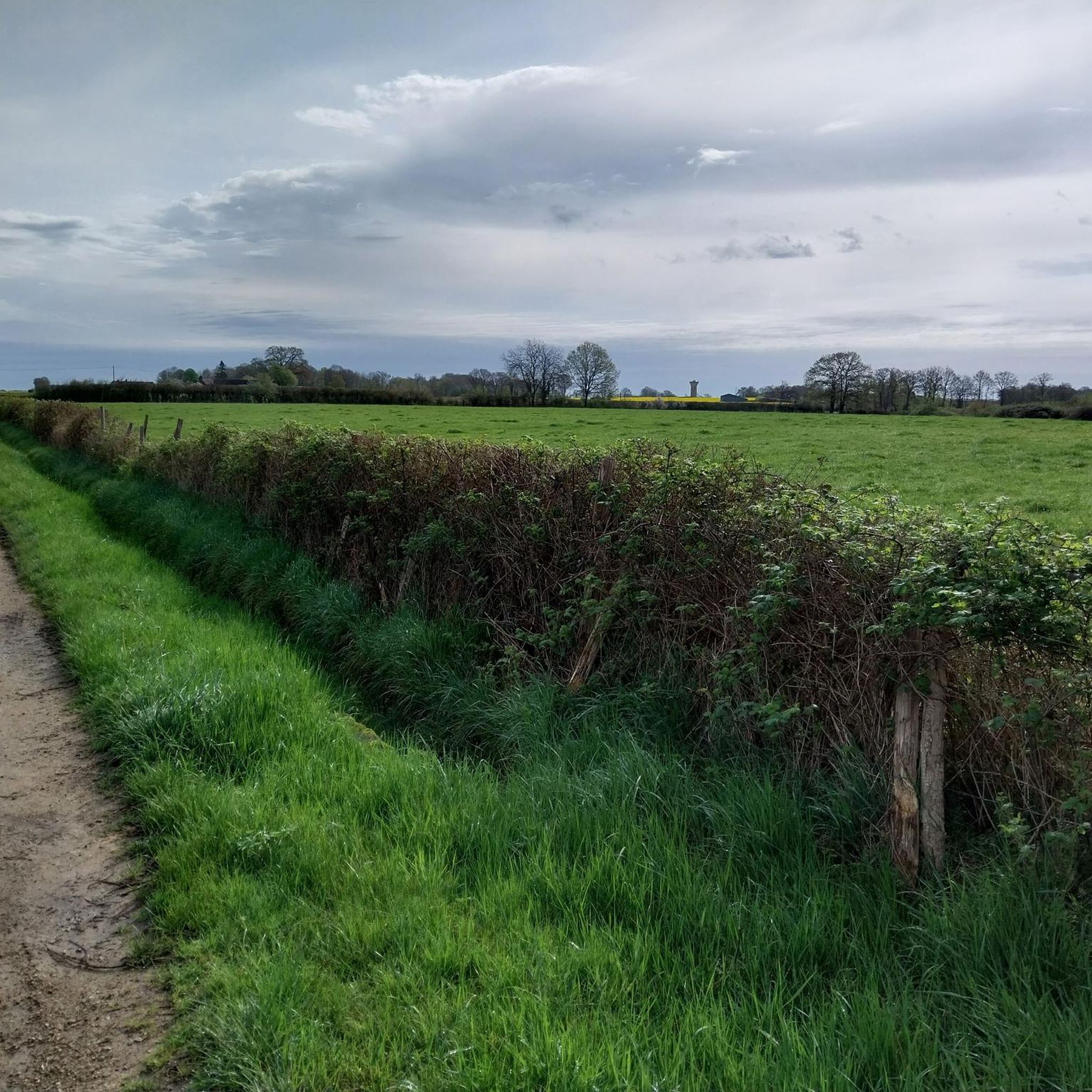
Road cycling routes around Manou, located in the Eure-et-Loir department of France, traverse a rural landscape characterized by country roads, fields, and water features such as ponds and rivers. The terrain includes areas of the Senonches State Forest, featuring beech and oak trees, and is part of the tranquil Perche Natural Regional Park. The region offers varied elevation changes suitable for road cycling, with routes winding through charming villages and natural settings.
Best road cycling routes around Manou
- The most…
Last updated: July 15, 2026
5.0
(1)
10
riders
22.4km
00:58
130m
130m
Moderate road ride. Great for any fitness level. Some segments of this route may be unpaved and difficult to ride.
8
riders
Easy road ride. Great for any fitness level. Mostly well-paved surfaces and easy to ride.

Sign up for free
5
riders
Moderate road ride. Good fitness required. Mostly well-paved surfaces and easy to ride.
5
riders
36.0km
01:31
170m
170m
Moderate road ride. Great for any fitness level. Some segments of this route may be unpaved and difficult to ride.
4
riders
53.3km
02:25
480m
480m
Moderate road ride. Good fitness required. Mostly well-paved surfaces and easy to ride.
Get access to more routes and recommendations from other explorers.
Sign up for free
Already have an account?
Our route recommendations are based on thousands of hikes, rides, and runs completed by other people on komoot.
Start today with a free account
Your next adventure awaits.
Login or Signup

Tips from the Community

very good craft beers, friendly welcome and beautiful setting
0
0

The original Marian shrine "La Salette," which is referred to in this patronal feast, is located in the French Alps (Grenoble district) and is an important Marian shrine, even if it has not achieved the same level of fame as other pilgrimage sites honoring the Mother of God—such as Lourdes in the French Pyrenees or Fatima in Portugal. The hiking highlight "La Salette" can be found on komoot at the following link =>> https://www.komoot.com/de-de/highlight/1861054
0
0

Like several churches in the parish of Sainte-Anne, the church of L'Hôme-Chamondot has Saint Martin, Bishop of Tours in the 4th century, as its patron saint. The building is of Romanesque origin, first remodeled in the 16th century, with the creation of ramparts on the west facade and the addition of decorative elements at each corner of its roof. It underwent extensive renovations in the 19th century, with the construction of the brick bell tower-porch, which was completed in 1892. The choir was rebuilt around 1838 with the creation of a sacristy behind the chevet, and all the bays we see today were opened between 1838 and 1842. It contains beautiful interior furnishings: A high altar dated 1841 made of inlaid wood, flanked by two 17th-century statues (IMH) representing a Virgin and Child and Saint Martin. A wooden Christ on the cross, attached to the beam of glory, with the La Vove coat of arms at its base. A beautiful 18th-century wooden lectern with an eagle (CMH). Thirty choir stalls and their misericords carved in the 18th century (IMH). 18th-century panels adorn the altar of the Virgin on the left side of the nave, some of which are believed to have come from the former Carthusian monastery of Val Dieu. The six stained-glass windows depicting the four evangelists, a Virgin and Child, and Saint Martin were installed by Louis Barillet, a renowned 20th-century master glassmaker, in 1934.
0
0


The church was built in 1865 by Father Migorel, who supposedly had three visions of a church to be built on a hilltop at the junction of three roads. It was consecrated in 1867 and opened for worship. The octagonal tower, erected in 1871, is decorated with polychrome bricks and topped with four turrets housing statues of archangels.
0
0
The church of Rohaire, in Eure et Loir, in the Centre-Val de Loire, is attached to the parish of Saint Laumer du Perche, of the Doyenné des Forêts, in the diocese of Chartres. The church is placed under the protection of Saint Martin.
0
0
It was heavily remodeled in the 19th century. The bell tower, previously in the center of the roof, was rebuilt as a gable in the 19th century. At that time, the eleven windows were enlarged. Near the Meuvette, to the northeast of the town, are the ruins of an old fortified castle destroyed in 1793.
0
0
Frequently Asked Questions
How many road cycling routes are available around Manou?
There are over 120 road cycling routes available around Manou, offering a wide range of options for different skill levels and preferences. This includes 40 easy routes, 79 moderate routes, and 10 more challenging options.
What kind of terrain and landscapes can I expect when road cycling near Manou?
Road cycling around Manou primarily features jolie routes de campagne (pretty country roads) that wind through a tranquil rural landscape. You'll encounter fields, ponds, rivers, and sections through the serene Senonches State Forest, characterized by beech and oak trees. The region is part of the picturesque Perche Natural Regional Park, offering varied elevation changes and charming villages.
Are there easy road cycling routes suitable for beginners in Manou?
Yes, Manou offers 40 easy road cycling routes perfect for beginners or those seeking a relaxed ride. An example is the Château de Saint-Simon 🏰✨⚜️ – Ferté-Vidame Castle loop from Neuilly-sur-Eure, which is 45 km long with moderate elevation gain, making it a pleasant option.
Can I find longer, more challenging road cycling routes in the Manou area?
Absolutely. For those looking for a greater challenge, there are 10 difficult routes available. Additionally, several moderate routes offer significant distances and elevation, such as the Church of Manou – Mairie la Lande sur Eure loop from Ancienne halte de La Ferrière, which spans over 90 km with substantial climbs.
What are some notable landmarks or attractions I can see while cycling around Manou?
While cycling, you can discover several interesting landmarks. You might pass by the historic Château de Senonches, or the impressive Ferté-Vidame Castle and its ruins. The region also features charming churches, such as the Saint Nicholas Church in La Ferté-Vidame, often built with local 'pierre de grison'.
Are there any circular road cycling routes in Manou?
Many of the road cycling routes around Manou are designed as loops, allowing you to start and end at the same point. For instance, the Saint-Denis Church – Saint Eliph Church loop from Ancienne halte de La Ferrière is a popular 75 km circular route connecting several local churches.
What do other cyclists say about road cycling in Manou?
The road cycling routes in Manou are highly rated by the komoot community, with an average score of 4.5 stars from over 30 reviews. Cyclists often praise the tranquil country roads, the beauty of the Senonches State Forest, and the charming rural villages encountered along the way.
Are there family-friendly road cycling options around Manou?
Yes, the region offers several easy routes that are suitable for families. The generally flat sections through the Senonches State Forest, like parts of the 'Wolf hunters' path', provide a safe and enjoyable environment for all ages to cycle and appreciate the natural surroundings.
What is the best time of year to go road cycling in Manou?
The spring and autumn months typically offer the most pleasant conditions for road cycling in Manou, with mild temperatures and beautiful scenery. Summer can also be enjoyable, especially in the shaded forest areas, but it's advisable to cycle earlier in the day to avoid the midday heat.
Are there any routes that pass through unique natural features?
Yes, some routes in the Manou area will bring you close to unique natural features. The region is known for its forests and water elements, including the Senonches State Forest. You might also find routes that skirt the edges of the
tourbière des Froux (peat bog of Les Froux)
, a special site to observe sphagnum mosses and royal ferns.Where can I find parking for road cycling routes near Manou?
Many routes around Manou start from villages or towns that offer public parking facilities. For example, routes often begin near places like Ancienne halte de La Ferrière or Senonches, where you can typically find convenient spots to park your vehicle before starting your ride.
Are there any routes that offer views of castles?
Yes, several routes provide opportunities to see historical castles. The Senonches Castle – Château de Senonches loop from Senonches specifically offers views of the Château de Senonches. Another route, the Château de Saint-Simon 🏰✨⚜️ – Ferté-Vidame Castle loop from Ancienne halte de La Ferrière, passes by the Ferté-Vidame Castle.
Most popular attractions around Manou

Get inspired with the komoot mobile app


Explore more
Browse the best Road cycling routes in other regions.
