The best walks and hikes around Binarville
4.3
(99)
272
hikers
29
hikes
Hiking around Binarville offers access to the diverse landscapes of the Argonne Forest in northeastern France. The region is characterized by its "gaize" geology, featuring wooded ridges, small hills under 200 meters in elevation, and deep valleys. Hikers can expect dense woodlands primarily composed of oak, chestnut, and pine trees, with a lush undergrowth of ferns. This area provides a blend of natural beauty and historical significance, with remnants of World War I integrated into the forest environment.
Best hiking…
Last updated: October 22, 2026
3.8
(5)
9
hikers
11.7km
03:08
130m
130m
Moderate hike. Good fitness required. Easily walkable paths.
4.8
(4)
8
hikers
13.1km
03:25
100m
100m
Moderate hike. Good fitness required. Easily walkable paths.

4.0
(4)
12
hikers
6.91km
01:46
30m
30m
Easy hike. Easily walkable paths.
4.0
(4)
6
hikers
11.5km
03:09
170m
170m
Moderate hike. Good fitness required. Easily walkable paths.
5.0
(1)
6
hikers
11.9km
03:12
140m
140m
Moderate hike. Good fitness required. Easily walkable paths.
Get access to more routes and recommendations from other explorers.
Already have an account?
Our route recommendations are based on thousands of hikes, rides, and runs completed by other people on komoot.
Start today with a free account
Your next adventure awaits.


Tips from the Community

In his address on Remembrance Day in 2015, then-President Joachim Gauck expressed some thoughts that I would like to offer visitors to this war cemetery/military cemetery for reflection: "This... is our shared hope: that the memory of the suffering of war will not breed revenge, but will lead more and more people and nations to seek a way out in peaceful coexistence. Just as European integration succeeded in becoming the great peace project of our continent. (...) That military cemeteries, as Albert Schweitzer once said, may finally become the great preachers of peace. Then, as we have experienced, reconciliation over the graves will be possible. Then peace can be lasting. We all share this responsibility."
2
0

This serene cemetery contains 1,111 individual graves of German soldiers who died in the Argonne Forest during the First World War. Created in November 1915, it is the only German cemetery in the region that has been largely preserved in its original state. Of particular note is the gravestone of Commander Baron von Müllenheim-Rechberg, who died in 1916, and the monument to the 27th Landwehr Regiment. Since 2023, the site has been part of the UNESCO World Heritage as part of the World War I Memorial Sites.
9
0
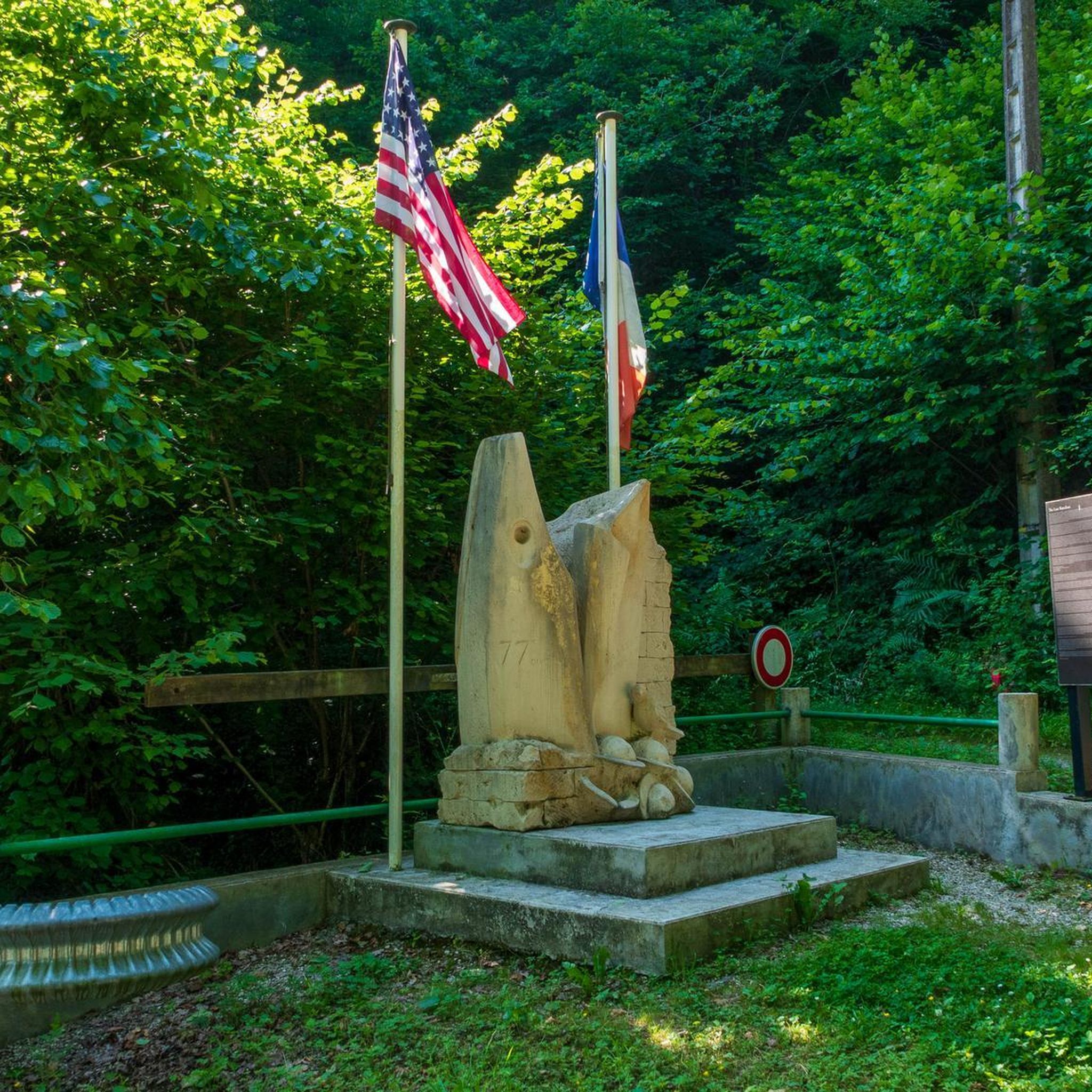
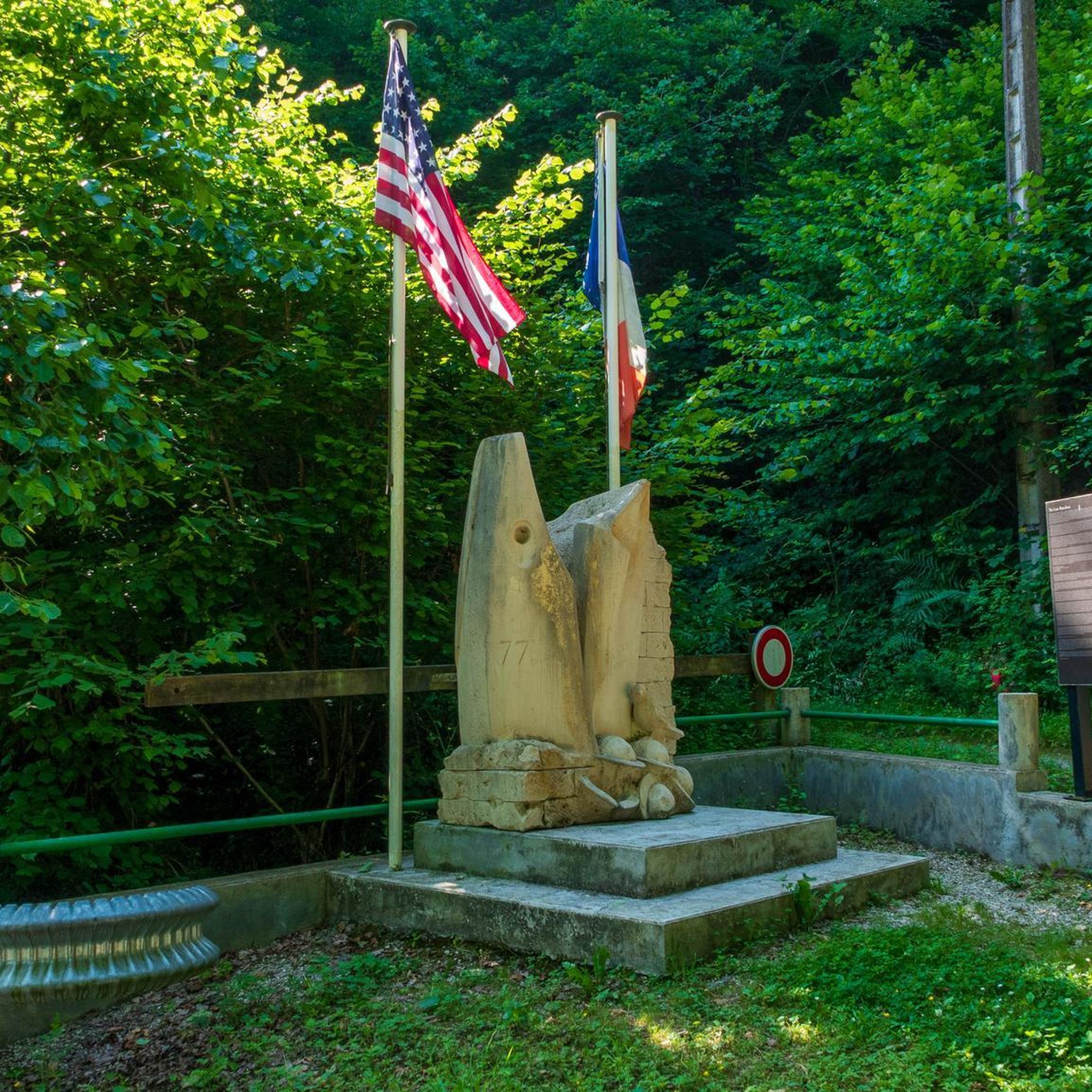
The Lost Battalion Memorial is located in the Charlevaux Ravine near Binarville, on the D66, and commemorates the heroic struggle of some 554 American soldiers of the 77th Infantry Division who were surrounded by German troops during the Meuse-Argonne Offensive in October 1918. Led by Major Charles Whittlesey, these men held out for six days, cut off from supplies and communications, with only carrier pigeons as a means of contact. The most famous of these, Cher Ami, saved the battalion by delivering a crucial message despite being wounded, which stopped friendly fire.
8
0


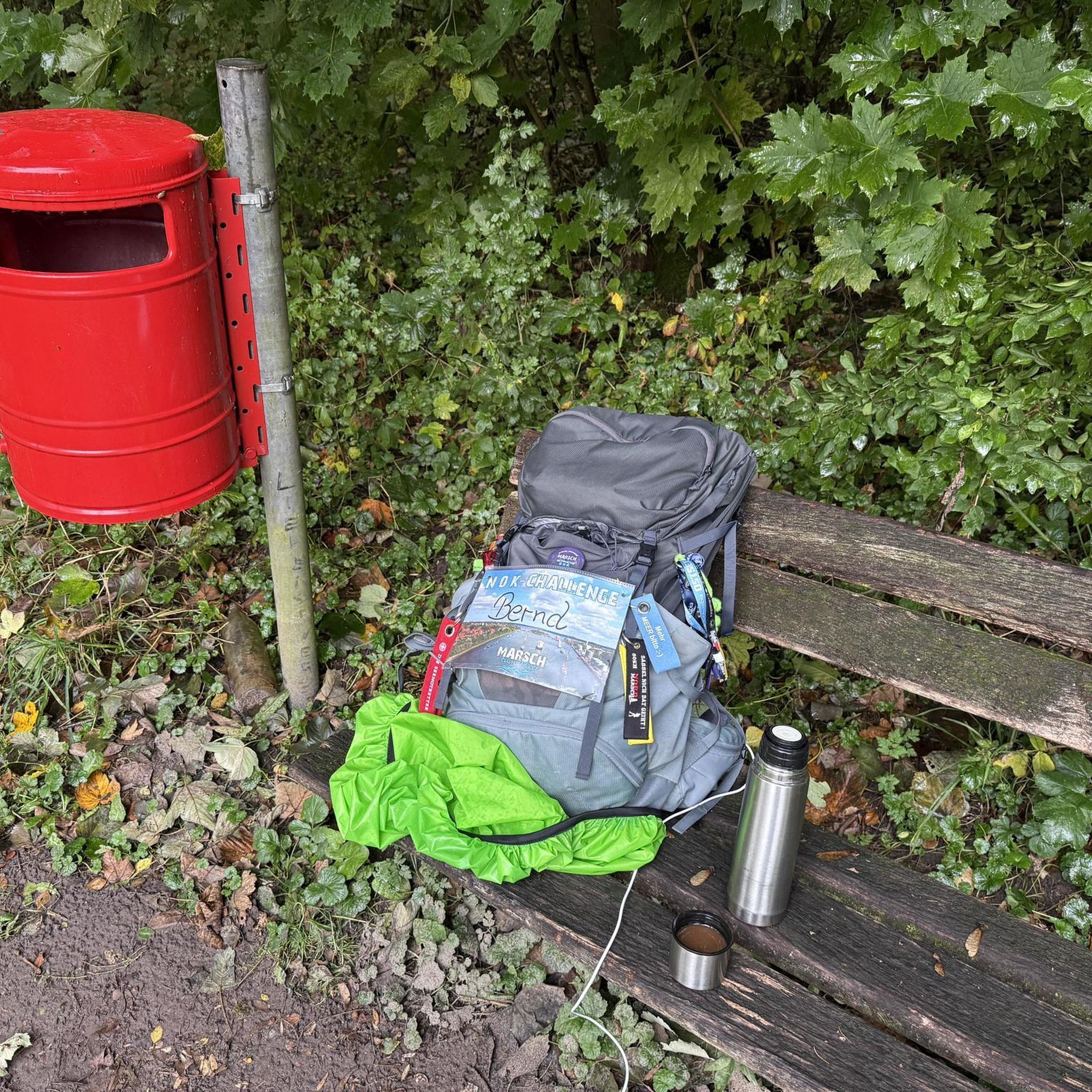
The GR14 . also runs along this gravel path
0
0

The King Karl Spring in the Argonne. Karl Friedrich Alexander von Württemberg was from 1864 to 1891 as Charles the Third King of Württemberg. There were innumerable forest camps in the Argonne during the World War. Initially little more than a leaf colony, large camps emerged over the course of the war, often terraced into the steep slopes and gorges of the Argonne Forest. Equipped with a light rail connection, canteens, libraries and much more, they benefited from the abundance of water in the forest. Graf-Häseler-Quelle, Kronprinzen-Quelle and König-Karl-Quelle are just a few names. The König-Karl-Quelle is the only well-known, preserved enclosed spring in the Argonnerwald. Very close to two large forest camps - Totermann camp and Totental camp, the troops will have supplied themselves with fresh water here. The 19th Reserve Division mentioned on the edging of the spring stayed in the Argonne in the summer of 1916 after the Battle of Verdun. The Reserve Infantry Regiment 73 writes about the breakneck journeys in the open wagon of the Argonne Railway to the Totermann camp. Contributing Author By M.P. Post date April 26, 2015 https://www.verdun14-18.de/die-koenig-karl-quelle-in-den-argonnen/
1
1
Frequently Asked Questions
How many hiking trails are available around Binarville?
There are 27 hiking trails around Binarville, offering a variety of options for exploring the Argonne Forest. These routes range from easy walks to more moderate hikes.
What kind of terrain will I encounter on hikes in Binarville?
The terrain around Binarville is characterized by the unique 'gaize' geology of the Argonne Forest, featuring wooded ridges, small hills, and deep valleys. You'll primarily traverse dense woodlands of oak, chestnut, and pine, with a lush undergrowth of ferns. The elevation rarely exceeds 200 meters, making for varied but generally accessible paths.
Are there historical sites to explore along the hiking trails?
Yes, the Argonne Forest holds significant historical importance from World War I. Many trails pass through landscapes still bearing the 'scars of the Great War,' including preserved trenches and craters. A notable route is the König-Karl Spring – Lost Battalion Monument loop from Binarville, which commemorates a significant event during the Meuse-Argonne Offensive. You can also find highlights like the World War I memorial and the Sergeant York trail.
Are there any family-friendly hiking options in Binarville?
Yes, Binarville offers 8 easy hiking routes that are suitable for families. These trails provide a gentle introduction to the natural beauty of the Argonne Forest without significant challenges. The Argonne Discovery Park nearby also offers dedicated nature trails and educational activities for all ages.
Can I bring my dog on the hiking trails around Binarville?
The trails in the Argonne Forest are generally dog-friendly, allowing you to enjoy the natural surroundings with your canine companion. However, it's always recommended to keep dogs on a leash, especially given the presence of wildlife like wild boar and deer, and to respect local regulations.
What natural features or wildlife might I see while hiking?
The Argonne Forest is a haven for wildlife. You might spot wild boar, red deer, roe deer, hares, rabbits, foxes, and even wildcats. The region also features numerous ponds, which are important refuges for deer and migratory birds. The View of the Countryside – Wild Animals loop from Chatel-Chéhéry is a good option for wildlife observation.
Are there circular hiking routes available?
Yes, many of the trails around Binarville are circular routes, allowing you to start and end your hike in the same location. Examples include the Étang Harazée – Guyard shelters loop from Saint-Thomas-en-Argonne and the Deutscher Soldatenfriedhof loop from Apremont.
What is the best time of year to go hiking in Binarville?
The Argonne Forest offers beautiful hiking experiences throughout the year. Spring brings lush greenery and blooming undergrowth, while autumn showcases vibrant fall foliage. Summer is ideal for long days on the trails, and even winter can offer serene, snow-dusted landscapes. Consider checking local weather conditions before your visit.
What do other hikers enjoy most about the trails in Binarville?
The hiking trails around Binarville are highly rated by the komoot community, with an average score of 4.3 stars from over 70 reviews. Hikers often praise the blend of natural beauty, the serene dense woodlands, and the unique historical significance of the World War I sites integrated into the landscape.
Are there any other attractions or points of interest near Binarville?
Beyond the hiking trails, the Argonne Discovery Park near Binarville is a major attraction, offering dedicated nature trails and focusing on local wildlife, including wolf packs and raccoons. It also features unique activities like the 'Bonds Hammock.' Other nearby highlights include Grandpré and the Château de Grandpré.
How challenging are the hikes around Binarville?
The hikes around Binarville cater to various fitness levels. There are 8 easy routes perfect for casual walkers or families, and 19 moderate routes for those seeking a bit more challenge. The terrain includes small hills and valleys, but the elevations are generally manageable, rarely exceeding 200 meters.
Is public transport available to reach the trailheads?
While Binarville is nestled within the Argonne Forest, public transport options directly to specific trailheads might be limited. It is generally recommended to travel by car to access the various starting points for hikes in this region, ensuring flexibility for your outdoor adventures.
Most popular routes around Binarville
Most popular attractions around Binarville

Get inspired with the komoot mobile app


Explore more
Browse the best Hikes in other regions.
