Attractions and Places To See around Peyrusse - Top 15
Best attractions and places to see around Peyrusse include a rich tapestry of historical sites and natural beauty. This medieval village in the Aveyron department of France is nestled in an idyllic valley with the Audierne River winding through it. Its remnants provide a journey back in time, offering insights into its past as a thriving mining town. The preserved natural site also features marked trails and scenic views.
Best attractions and places to see around Peyrusse
- The most popular…
Last updated: July 7, 2026
Cascade des Veyrines
Highlight • Waterfall
It's an ideal place to take a …
Translated by Google •
Tip by

GTMC; road to Col de Fortunier
Highlight • Other
Translated by Google •
Tip by

Sign up now to discover places like this
Get recommendations on the best single tracks, peaks, & plenty of other exciting outdoor places.
Sign up for free
Col de la Vazèze
Highlight • Other
Translated by Google •
Tip by

Fortunier Pass
Highlight • Other
Translated by Google •
Tip by
Lake du Pêcher
Highlight • Lake
Translated by Google •
Tip by

Sign up for free to discover even more attractions around Peyrusse.
Sign up for free
Already have an account?
Start today with a free account
Your next adventure awaits.
Login or Signup


Tips from the Community

The view is magnificent and the path is smooth.
0
0

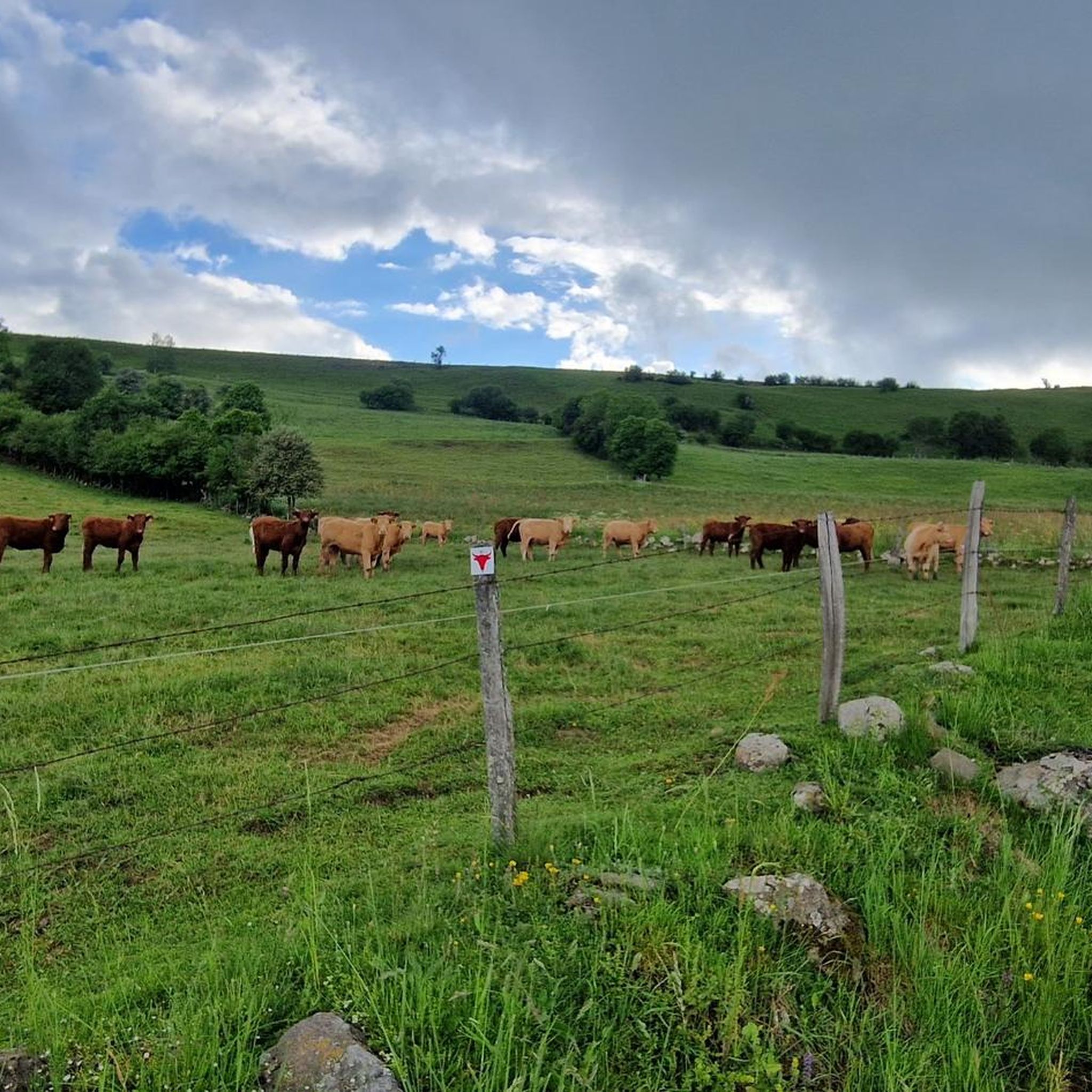
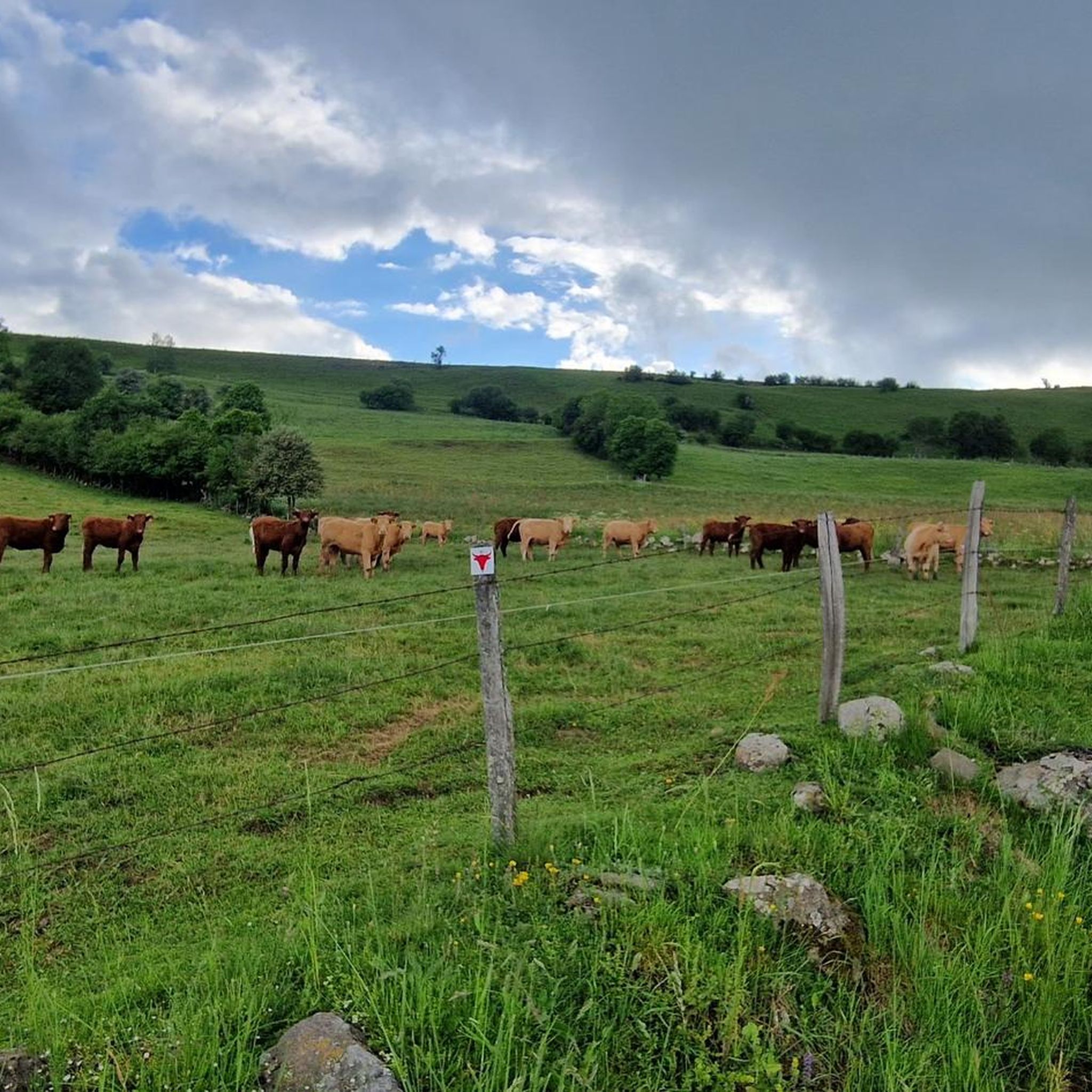
Rather rolling gravel track (there is a small part of bitumen in the middle) which offers a magnificent panorama of the summer pastures with the Monts du Cantal on the horizon. A postcard !
0
0

Magnificent gravel track facing the Cantal mountains!
0
0

This beautiful waterfall breaks the uniformity of the Cézallier plateaus. Nestled in a small, protective cirque, the waterfall is accessible via wooden stairs. It's an ideal place to take a break. Not far away, on the neighboring plateau, an archaeological dig has uncovered a Gallo-Roman sanctuary dating from between 52 BC and 746 AD. An explanatory panel is available to provide full details of the history and interpretation of the discovery.
1
0

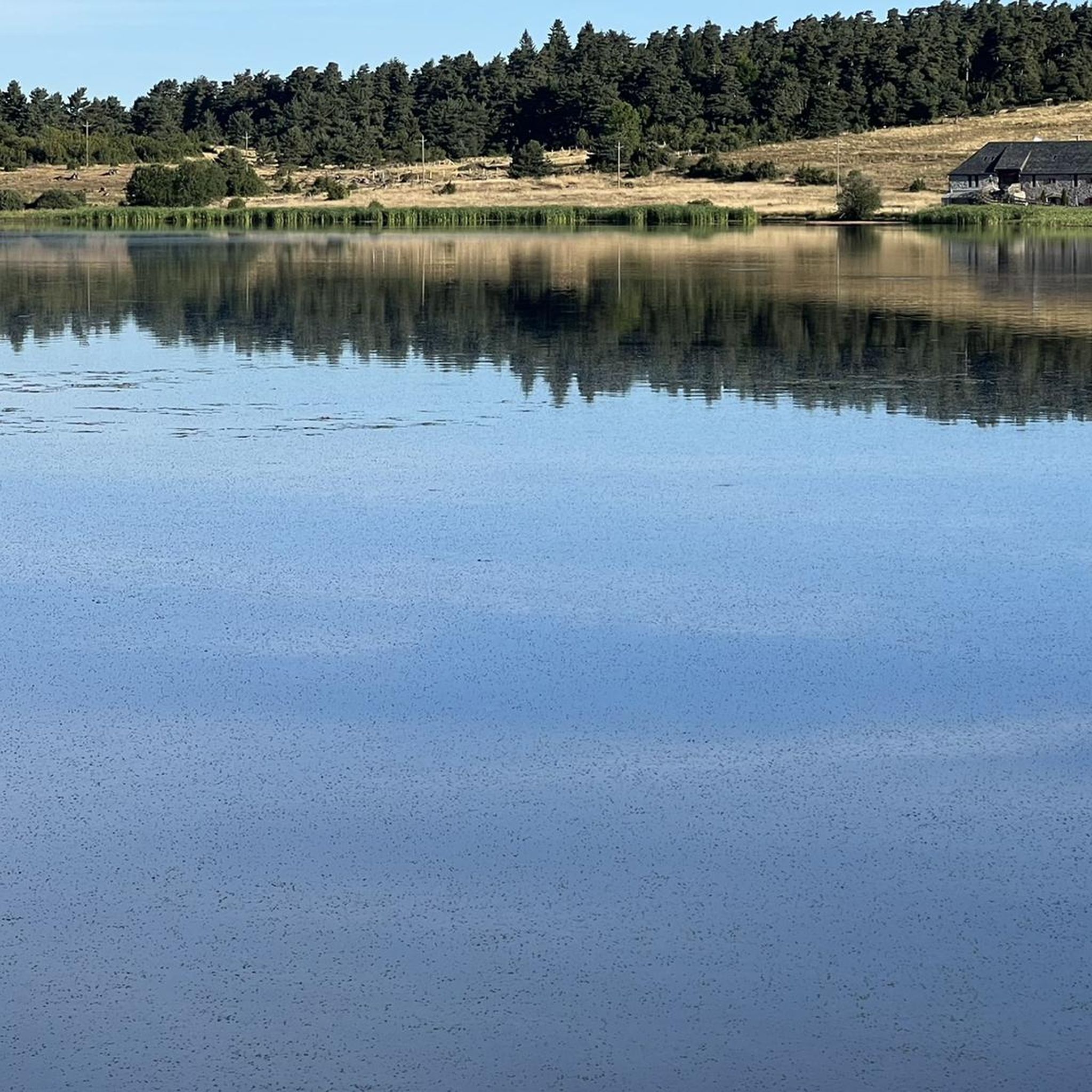
The Lac du Pêcher is an artificial body of water at altitude (1142m), even if it itself comes from a peat bog. Its history is therefore rich. The place would have been cleared by the Templars and its name "Fishing" would have medieval origins which designates a body of water for fish farming. It is part of a classified natural area.
2
0

This climb is 2.3 kilometers long, for an elevation gain of 120 meters. Col de la Vazèze from Vins Haut has an average gradient of 5.2%; This climb is 5 kilometers long, for an elevation gain of 79 meters. From Les Souches has an average gradient of 1.6%. The highest point is 1295 meters above sea level.
1
0
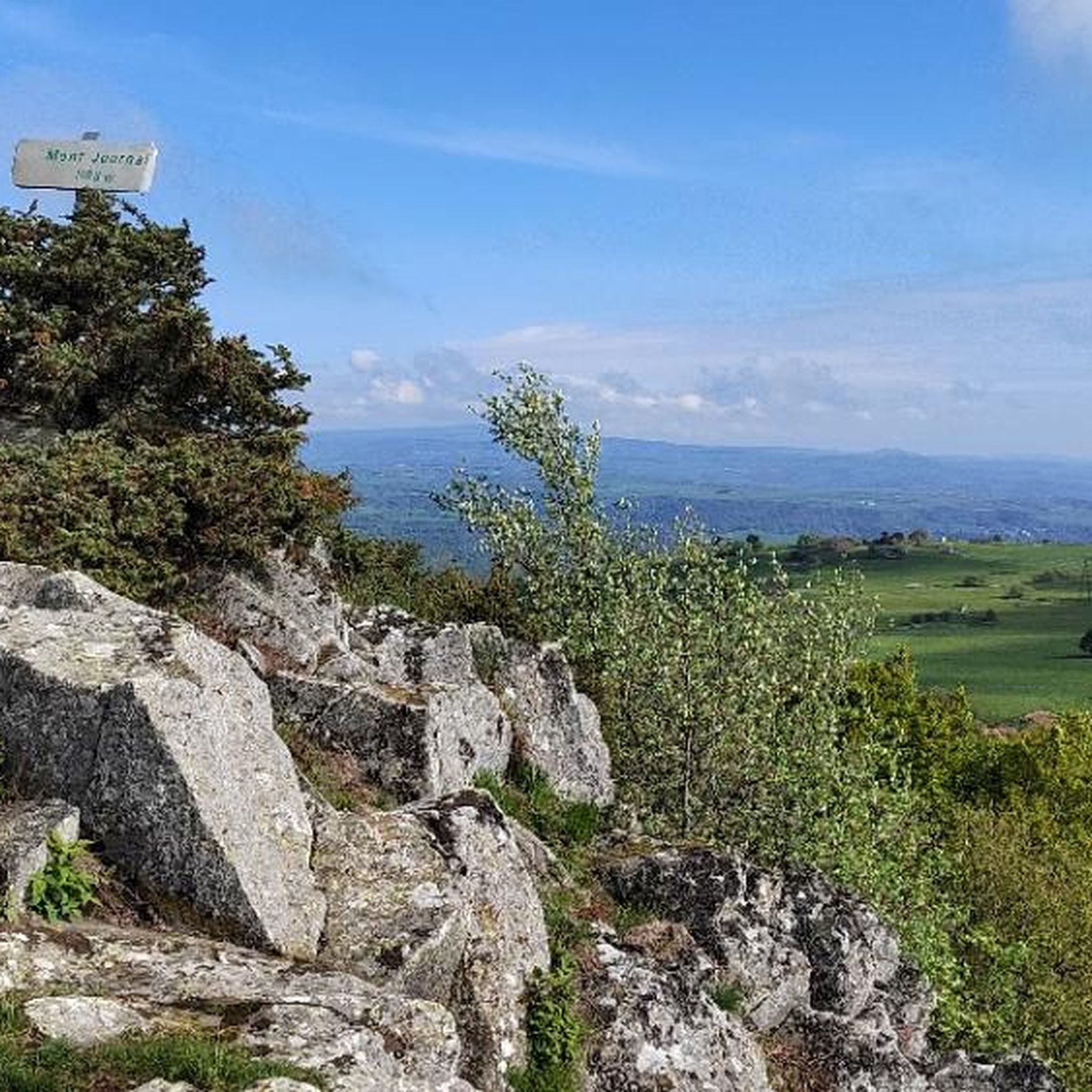
The Col de Fortunier from Allanche via Pradiers has an average slope of 4.9%, the top of the pass offers us a very beautiful view of the Cantal mountains. A path allows access to the Cop TASA (place where the cows of the mountain festival arrive on Sunday morning during the Montade at the end of May).
2
0

After many kilometers over gravel, stones, grass and earth, you can look forward to a piece of asphalt here.
0
0
Frequently Asked Questions
What historical sites can I explore in Peyrusse-le-Roc?
Peyrusse-le-Roc is rich in history, offering a journey back to its medieval past. You can explore the impressive ancient stone towers of Roc del Thaluc and the Château Inférieur, the 13th-century Barbican Gate, and the ruins of the Gothic Notre-Dame de Laval Church. Don't miss the Parayre Romanesque Bridge, the enigmatic Tomb of the King, and the remains of the Château du Roy. The village also features traditional half-timbered houses and the stone arcades of the Old Covered Market.
Are there any natural attractions or scenic viewpoints near Peyrusse?
Yes, the area around Peyrusse offers beautiful natural features and scenic viewpoints. The village is nestled in an idyllic valley with the Audierne River winding through it. You can find the Cascade des Veyrines, a beautiful waterfall accessible via wooden stairs, and the artificial Lake du Pêcher, which is part of a classified natural area. For panoramic views, head to the Roc del Thaluc and the Château Inférieur, or the Fortunier Pass and Col de la Vazèze, which offer stunning vistas of the Cantal mountains.
What kind of outdoor activities can I do around Peyrusse?
The natural landscapes around Peyrusse are ideal for outdoor enthusiasts. You can enjoy hiking and cycling on marked trails that span 10 hectares of preserved natural sites. The area is particularly popular for gravel biking, with routes like the GTMC; road to Col de Fortunier offering magnificent panoramas. There are also opportunities for running, and the commune features open spaces, a fishing pond, and woods for nature lovers. For more detailed routes, explore the gravel biking, hiking, and running trails guides.
Are there family-friendly activities or places to visit in Peyrusse-le-Roc?
While specific family-focused attractions aren't highlighted, the village's historical sites and natural trails can be engaging for families. Exploring the medieval ruins, such as the Barbican Gate and the towers, can be an adventure. The marked walking trails offer a chance to enjoy nature together, though some paths involve steep staircases and elevation changes, so consider the fitness level of younger children. The fishing pond and open spaces also provide opportunities for relaxed family time outdoors.
Where can I find good hiking trails around Peyrusse?
Peyrusse-le-Roc offers a network of marked walking trails that lead to various historical monuments and viewpoints. These paths cover a preserved natural site of 10 hectares. For specific routes, you can find options like the 'Allanche loop' or 'Église loop' in the hiking guide for Peyrusse. Remember to wear appropriate walking shoes due to the rough paths and potential 150m elevation changes.
Is there a specific time of year that is best to visit Peyrusse-le-Roc?
The region offers different experiences throughout the year. For outdoor activities like hiking and cycling, spring and summer provide pleasant weather. In September, nature enthusiasts might enjoy visiting to witness the 'Brame du cerf' (deer rut), when the forests around Peyrusse are filled with the calls of deer. The historical sites are accessible year-round, but the natural beauty is particularly vibrant in warmer months.
What do visitors particularly enjoy about the attractions around Peyrusse?
Visitors frequently praise the magnificent panoramas, especially from spots like the GTMC; road to Col de Fortunier, which offers views of the Cantal mountains and summer pastures. The Cascade des Veyrines is noted as a beautiful and sublime place for rest and contemplation. The historical depth of Peyrusse-le-Roc, often described as a 'life-size history book,' also captivates visitors who appreciate stepping back in time.
What are the 'Synagogue' and 'English' Hospital in Peyrusse-le-Roc?
These are two significant historical monuments in Peyrusse-le-Roc. The 'Synagogue' is a five-story tower believed to have served as a refuge and place of worship for the Jewish population, inscribed as a historical monument in 1992. The 'English' Hospital is a historic institution that welcomed the sick and pilgrims on their way to Santiago de Compostela, also recognized as a historical monument.
Are there opportunities for gravel biking near Peyrusse?
Yes, the area around Peyrusse is excellent for gravel biking. Routes like the GTMC; road to Col de Fortunier offer a mix of gravel, stones, grass, and some asphalt, providing varied terrain and magnificent views of the Cantal mountains. You can find several gravel biking routes, including challenging loops around Fortunier Pass and Lac du Pêcher, in the Gravel biking around Peyrusse guide.
What should I wear for exploring the trails around Peyrusse-le-Roc?
Given the rough paths and potential 150m elevation changes on the walking trails, it is highly recommended to wear sturdy walking shoes or hiking boots. Layered clothing is also advisable to adapt to changing weather conditions, especially if you plan to spend a full day exploring the historical sites and natural areas.
Can I observe any specific natural phenomena in the region?
Yes, a notable natural phenomenon in the region is the 'Brame du cerf' (deer rut). In September, the forests surrounding Peyrusse-le-Roc come alive with the calls of deer during their rutting season, offering a unique spectacle for nature enthusiasts.
What are some unique architectural features to look out for in the village?
Beyond the major historical sites, Peyrusse-le-Roc boasts several unique architectural elements. Look for the 13th-century Barbican Gate, the 20-meter Belfry (also known as the 'old bell tower'), and the stone arcades of the Old Covered Market. The road through the village center is also lined with traditional half-timbered houses, adding to its medieval charm.
Most popular routes around Peyrusse

Get inspired with the komoot mobile app


Explore more
Still not found the Highlight you’re looking for? See guides of the top attractions in other regions:
