Attractions and Places To See around Prunet-Et-Belpuig - Top 20
Best attractions and places to see around Prunet-Et-Belpuig, a commune in the Pyrénées-Orientales department of France, include a mix of historical sites and natural landscapes. The area is characterized by its location in the Aspres region, with stony soils and drainage by the Boulès and Ample rivers. Visitors can explore historical monuments, picturesque villages, and prominent natural features within its vicinity.
Best attractions and places to see around Prunet-Et-Belpuig
- The most popular attractions is Reynès Iron Bridge, a bridge…
Last updated: July 20, 2026
Reynès Iron Bridge
Highlight • Bridge
Translated by Google •
Tip by

Castelnou
Highlight • Other
Translated by Google •
Tip by

Sign up now to discover places like this
Get recommendations on the best single tracks, peaks, & plenty of other exciting outdoor places.
Sign up for free
Devil's bridge
Highlight • Bridge
Translated by Google •
Tip by

Guilléra Gorges and Rodès Canal
Highlight (Segment) • Gorge
Tour to the highlight: komoot.de/tour/340848344?ref=itd
Translated by Google •
Tip by

Sant Martí de la Roca
Highlight • Religious Site
Translated by Google •
Tip by

Sign up for free to discover even more attractions around Prunet-Et-Belpuig.
Sign up for free
Already have an account?
Start today with a free account
Your next adventure awaits.
Login or Signup
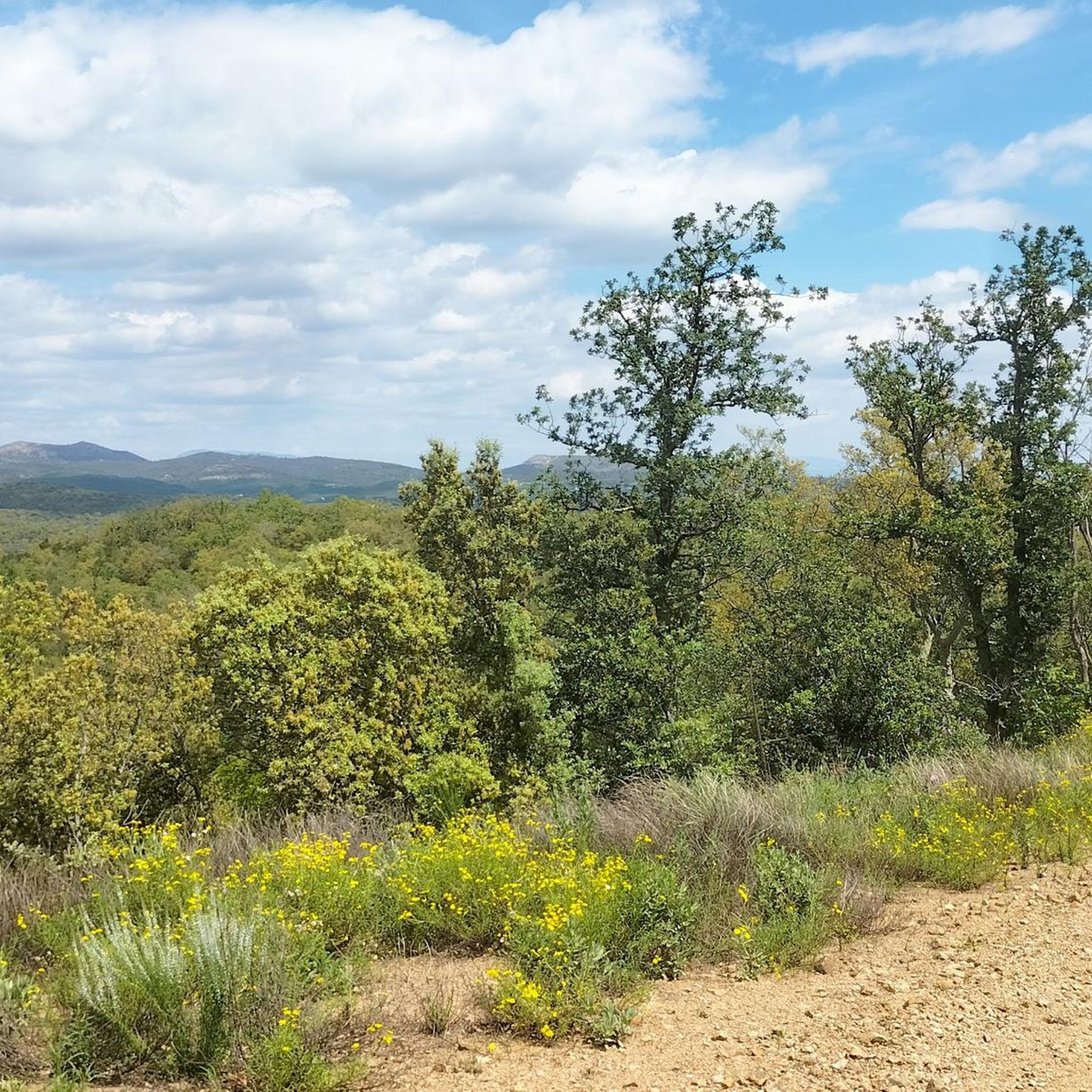
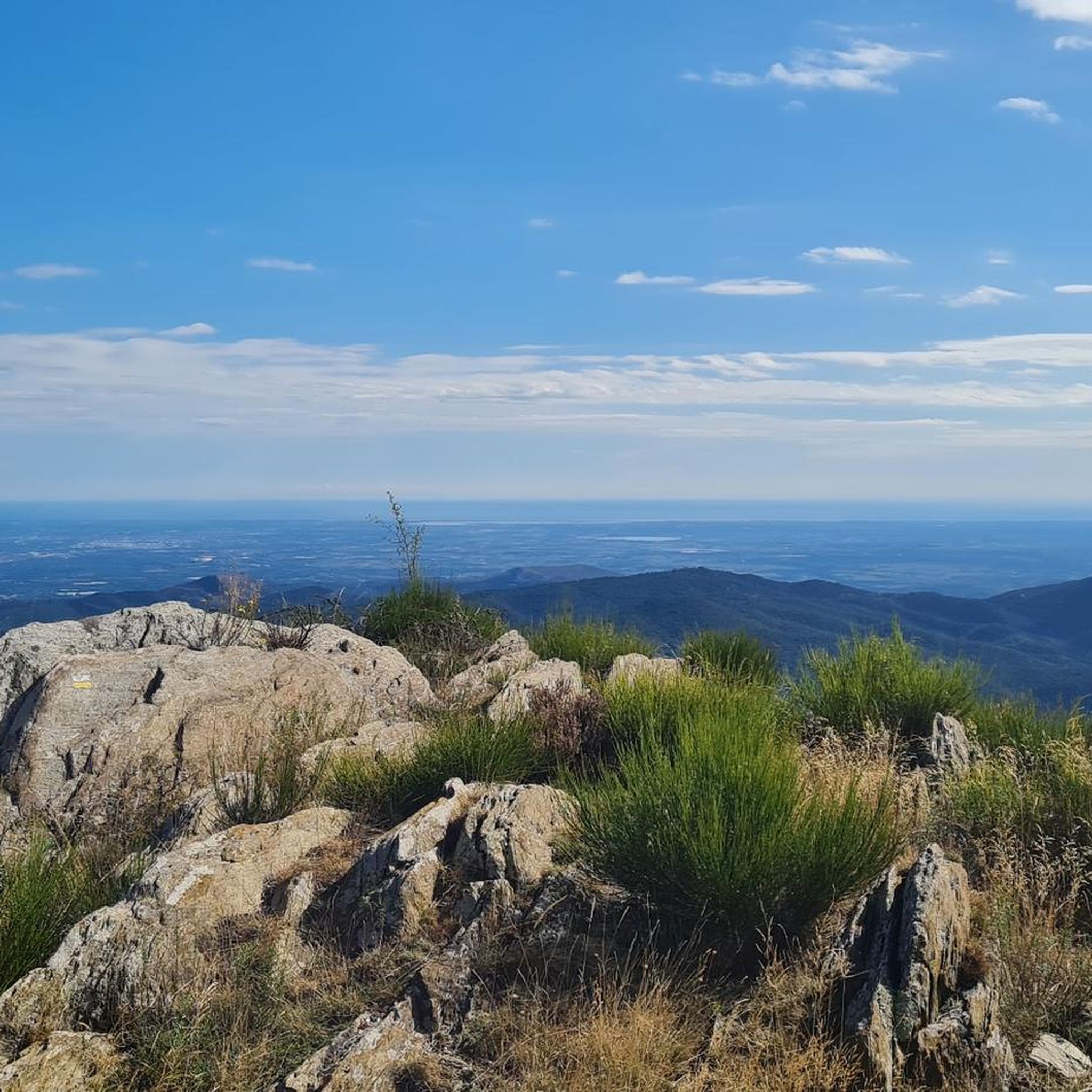
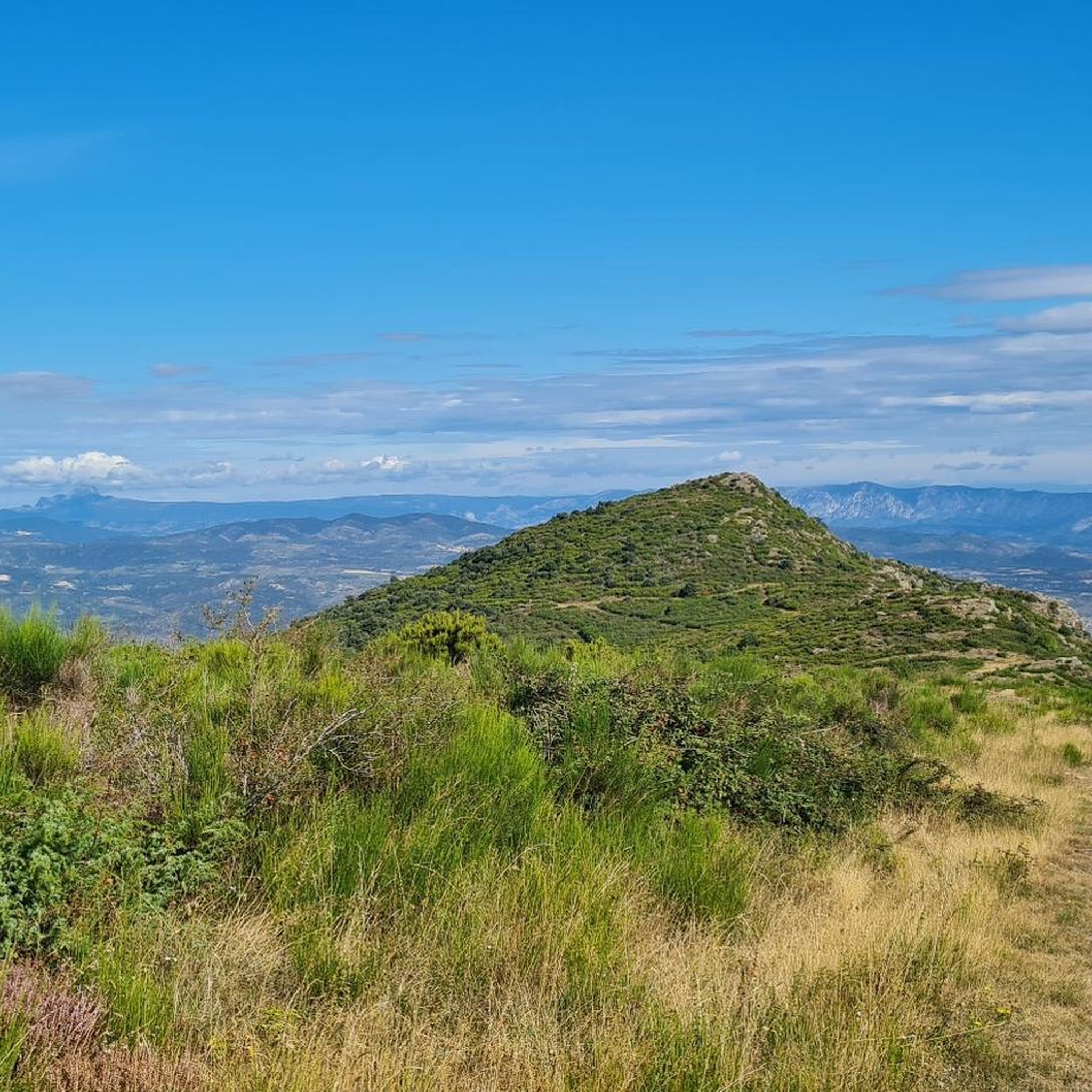
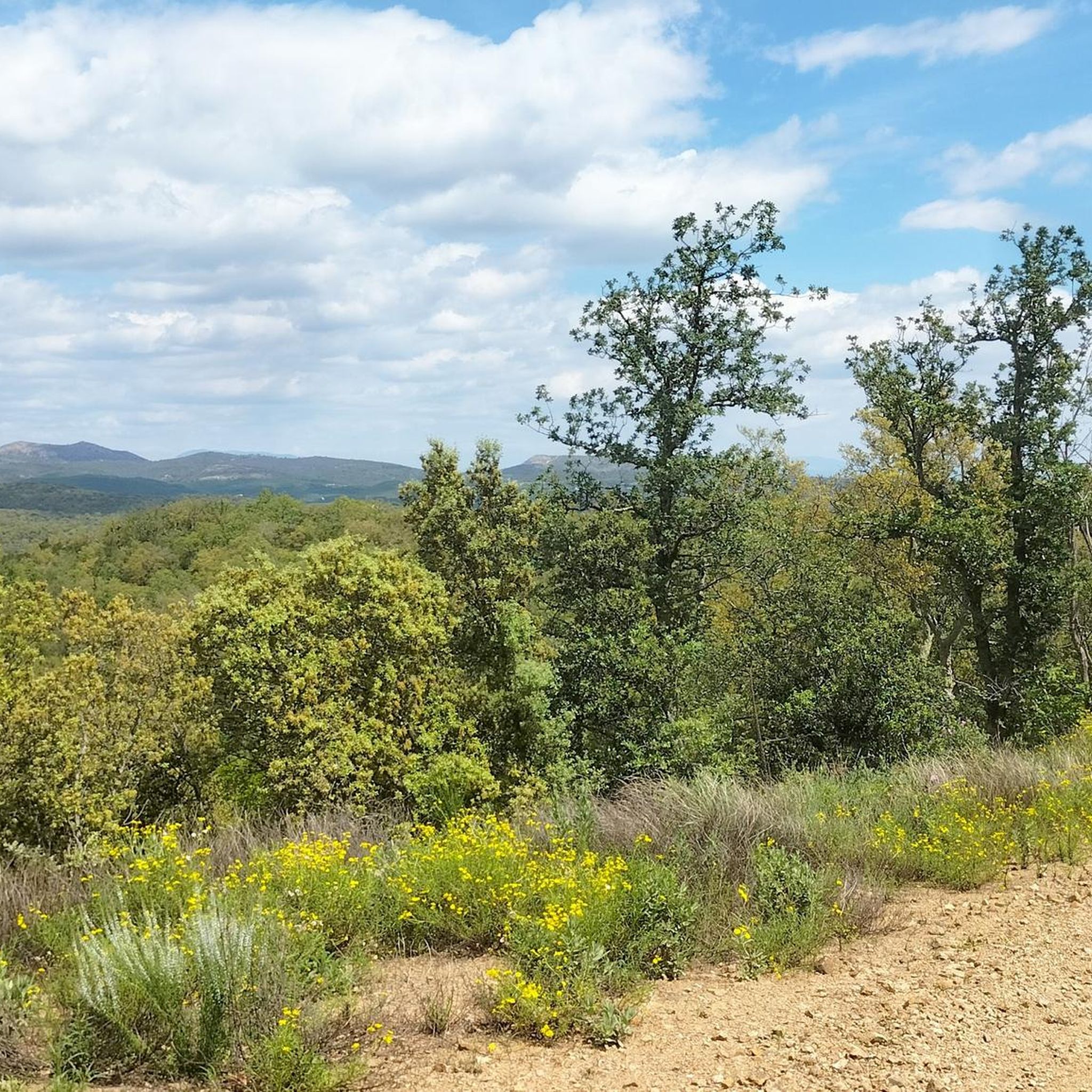

Tips from the Community

Great village! I enjoyed the visit and, of course, the restaurant.
1
0


The linguistic proximity of the "Pont Eiffel", which spans the valley here, and the low mountain range "Eifel" in the far west of Germany is no coincidence: The family of the designer - whose world-famous Tower of Paris (named after its builder) is probably known to everyone - has German roots. The ancestors of the Eiffel Tower builder Gustave EIFFEL come from the Eifel town of Marmagen (in the Euskirchen district, North Rhine-Westphalia). The village square there - if you are interested, see the following hiking highlight https://www.komoot.com/de-de/highlight/1830307 - is named after him.
0
0

Easy access and very beautiful route
0
0

It is a typical example of the Catalan Romanesque style, with its simple but robust stone structure, characterised by a bell tower and a semicircular apse. Although it is small, its construction on top of a rock gives it a special character. Inside, although austere, the calm and spiritual atmosphere typical of Romanesque churches stands out.
0
0
It is a charming Romanesque hermitage situated in the hills above the village of Camélas in the Pyrénées-Orientales. Built in the 11th century, this church is nestled in a rocky outcrop, hence its name "de la Roca", giving it a picturesque and unique appearance in the region. It is a popular destination for hikers and history lovers due to its natural surroundings and its historical and architectural value.
0
0
The Tech River rises in the Canigou massif in the Pyrénées-Orientales, France, at an altitude of around 2,500 metres. It runs for approximately 84 km through the Vallespir and Roussillon, passing through towns such as Prats-de-Mollo, Céret and Le Boulou, before flowing into the Mediterranean Sea near Argelès-sur-Mer. The Tech is a Mediterranean river, with irregular flows that depend on seasonal rainfall and snowmelt. It is essential for agricultural irrigation and the ecosystem of the region.
1
0
It spans the Tech River and has become a symbol of both the city and medieval engineering. It was built in the early 14th century, between 1321 and 1341, and is one of the finest examples of medieval architecture in the region. In its time, it was considered a masterpiece of engineering.
1
0
Frequently Asked Questions
What historical and cultural sites can I explore around Prunet-Et-Belpuig?
The area offers a rich historical tapestry. You can visit the 11th-century Chapel of La Trinité in Belpuig, which houses a 12th-century Romanesque Christ. The ruins of Château de Belpuig, built around the 14th century, also offer expansive views. Additionally, the Église Saint-Étienne de Prunet is another significant Romanesque church.
Are there any picturesque villages worth visiting near Prunet-Et-Belpuig?
Yes, several charming villages are nearby. Castelnou, approximately 9 km away, is a 10th-century village surrounded by orchards and vineyards, and was ranked among France's favorite villages in 2015. Eus, about 16 km distant, features charming steep streets, and Villefranche-de-Conflent, around 22 km away, is a fascinating fortified ancient village with Vauban fortifications.
What natural landmarks offer impressive views in the Prunet-Et-Belpuig area?
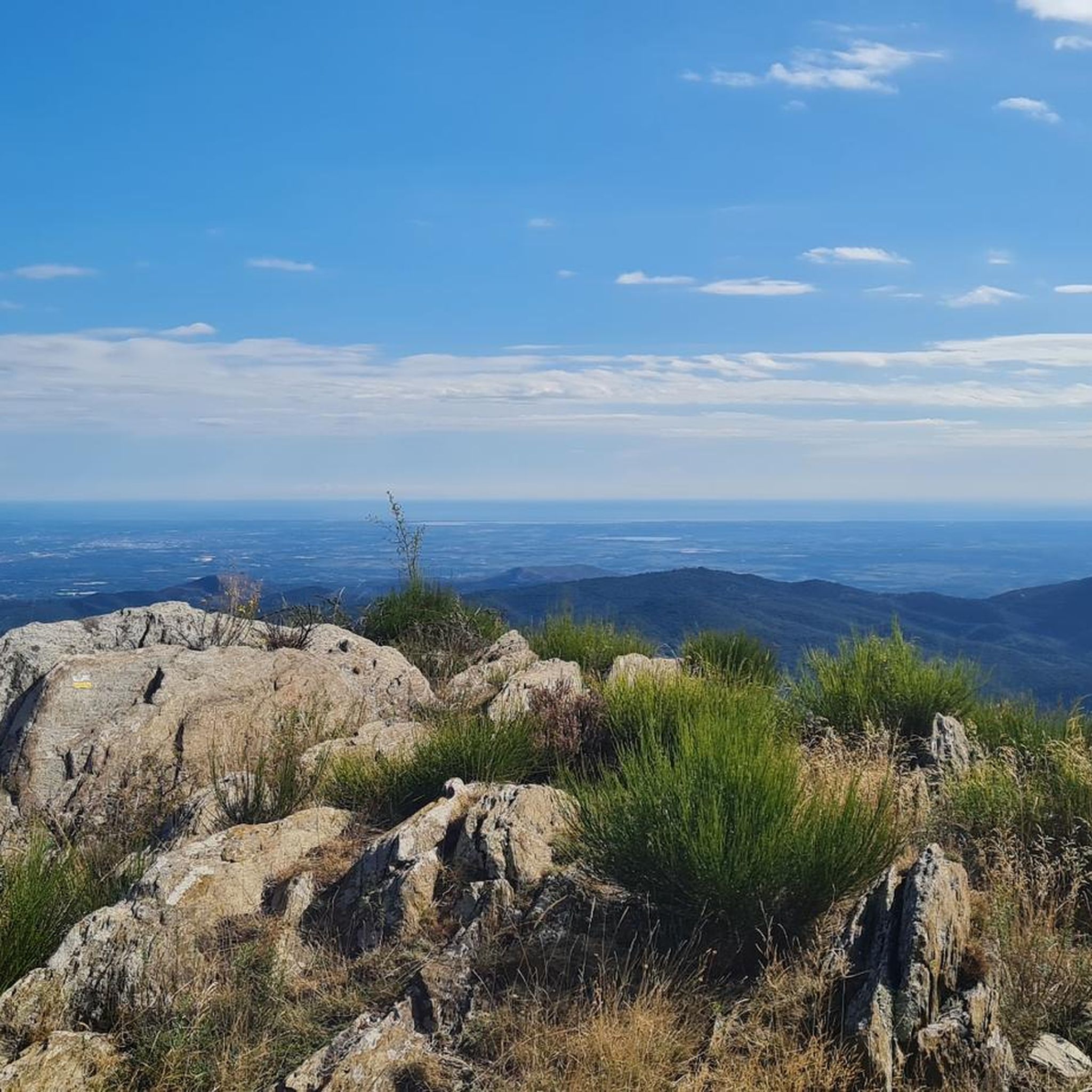
For breathtaking panoramas, head to Roc de Mallorca, which provides magnificent 360-degree views of the Corbières, the Roussillon plain, and the Pyrenees, including the iconic Mont Canigou on clear days. Another excellent viewpoint is Sant Martí de la Roca, offering an unforgettable panorama after a short, sharp ascent.
Where can I find unique geological formations near Prunet-Et-Belpuig?
The Orgues d'Ille-sur-Tet, located approximately 12 km from Prunet-Et-Belpuig, are remarkable rock formations that resemble giant organ pipes, sculpted by erosion over millennia.
What outdoor activities, like hiking or cycling, are available around Prunet-Et-Belpuig?
The region is excellent for outdoor enthusiasts. You can find numerous routes for hiking and cycling. For hiking, consider trails around the Prieuré de Serrabone or explore routes up Mont Helena. For more options, check out the dedicated guides for Hiking around Prunet-Et-Belpuig and Cycling around Prunet-Et-Belpuig.
Are there family-friendly attractions or activities in the region?
Yes, several attractions are suitable for families. The Reynès Iron Bridge is a historical site that can be interesting for all ages, with its unique two-story construction. Exploring the picturesque village of Castelnou also offers a pleasant outing for families.
What are some notable religious monuments in the vicinity of Prunet-Et-Belpuig?
Beyond the local chapels and churches, the Prieuré de Serrabone, about 5 km away, is a significant religious monument. Other notable sites include Chapelle de Casenoves (Ille-sur-Tet), Église de Sainte Marie de Marcevol (Arboussols), Abbaye Saint Michel de Cuixa (Codalet), and Abbaye Saint Martin du Canigou (Casteil).
When is the best time of year to visit Prunet-Et-Belpuig for outdoor activities?
The Pyrénées-Orientales region generally enjoys a Mediterranean climate. Spring (April to June) and early autumn (September to October) are often ideal for outdoor activities like hiking and cycling, offering pleasant temperatures and less crowded trails. Summers can be hot, especially in July and August.
Can I find local markets near Prunet-Et-Belpuig?
While Prunet-Et-Belpuig itself is rural, nearby towns host various markets throughout the week. You can find local produce and experience the regional culture in towns like Amélie-les-Bains-Palalda, Céret, and Perpignan.
What do visitors enjoy the most about the attractions around Prunet-Et-Belpuig?
Visitors particularly appreciate the stunning panoramic views from spots like Sant Martí de la Roca and Roc de Mallorca. The historical significance and picturesque setting of villages like Castelnou are also highly rated, along with the unique engineering of the Devil's bridge.
Are there any challenging hikes or viewpoints for experienced trekkers?
Yes, experienced trekkers can find challenging routes. The ascent to Sant Martí de la Roca is described as a 'short, sharp and stony ascent/descent' rewarding with a wonderful 360-degree panorama. Similarly, reaching Roc de Mallorca involves a climb but offers extensive views of the Pyrenees and surrounding valleys.
What kind of wildlife might I spot around Prunet-Et-Belpuig?
The region's natural areas, including the protected 'Masquerell' and other ecological zones, support diverse wildlife. While specific sightings vary, you might encounter various bird species, small mammals, and local flora typical of the Mediterranean and Pyrenean foothills.
Most popular routes around Prunet-Et-Belpuig
Most popular attractions around Prunet-Et-Belpuig

Get inspired with the komoot mobile app


Explore more
Still not found the Highlight you’re looking for? See guides of the top attractions in other regions:
