Attractions and Places To See around Corbère-Les-Cabanes - Top 20
Best attractions and places to see around Corbère-Les-Cabanes include a blend of historical sites, cultural experiences, and natural landscapes. Located in the Pyrénées-Orientales department of France, the area features ancient architectural heritage and significant prehistoric sites. It provides opportunities to explore the village's history and the surrounding natural beauty, including unique geological formations.
Best attractions and places to see around Corbère-Les-Cabanes
- The most popular attractions is Guilléra Gorges and Rodès Canal, a gorge that features a river and a…
Last updated: July 7, 2026
The Organ Pipes of Ille-sur-Têt
Highlight • Gorge
Translated by Google •
Tip by

Castelnou
Highlight • Other
Translated by Google •
Tip by

Sign up now to discover places like this
Get recommendations on the best single tracks, peaks, & plenty of other exciting outdoor places.
Sign up for free
Guilléra Gorges and Rodès Canal
Highlight (Segment) • Gorge
Tour to the highlight: komoot.de/tour/340848344?ref=itd
Translated by Google •
Tip by

Sant Martí de la Roca
Highlight • Religious Site
Translated by Google •
Tip by

Roc de Mallorca
Highlight • Summit
Translated by Google •
Tip by

Sign up for free to discover even more attractions around Corbère-Les-Cabanes.
Sign up for free
Already have an account?
Start today with a free account
Your next adventure awaits.
Login or Signup
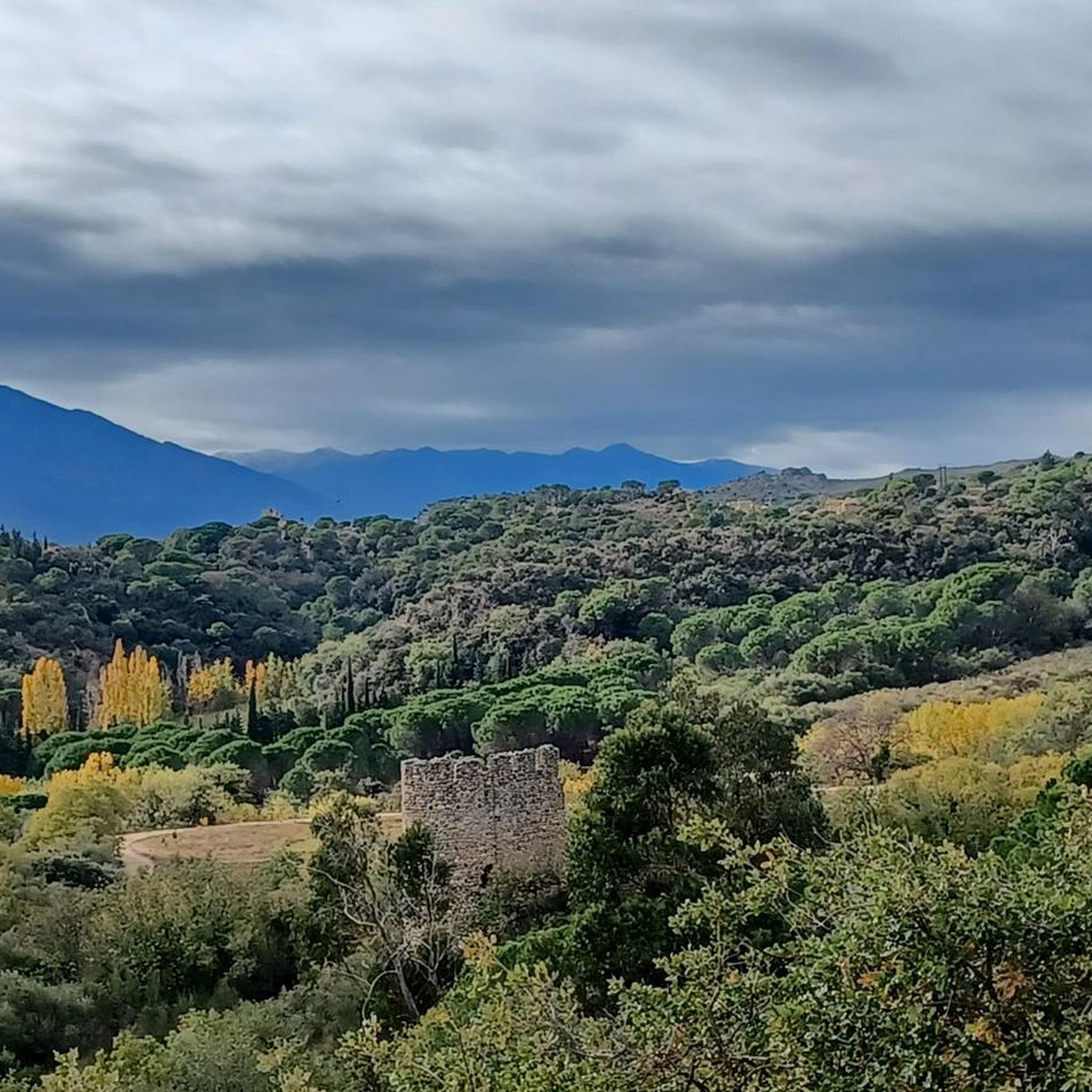
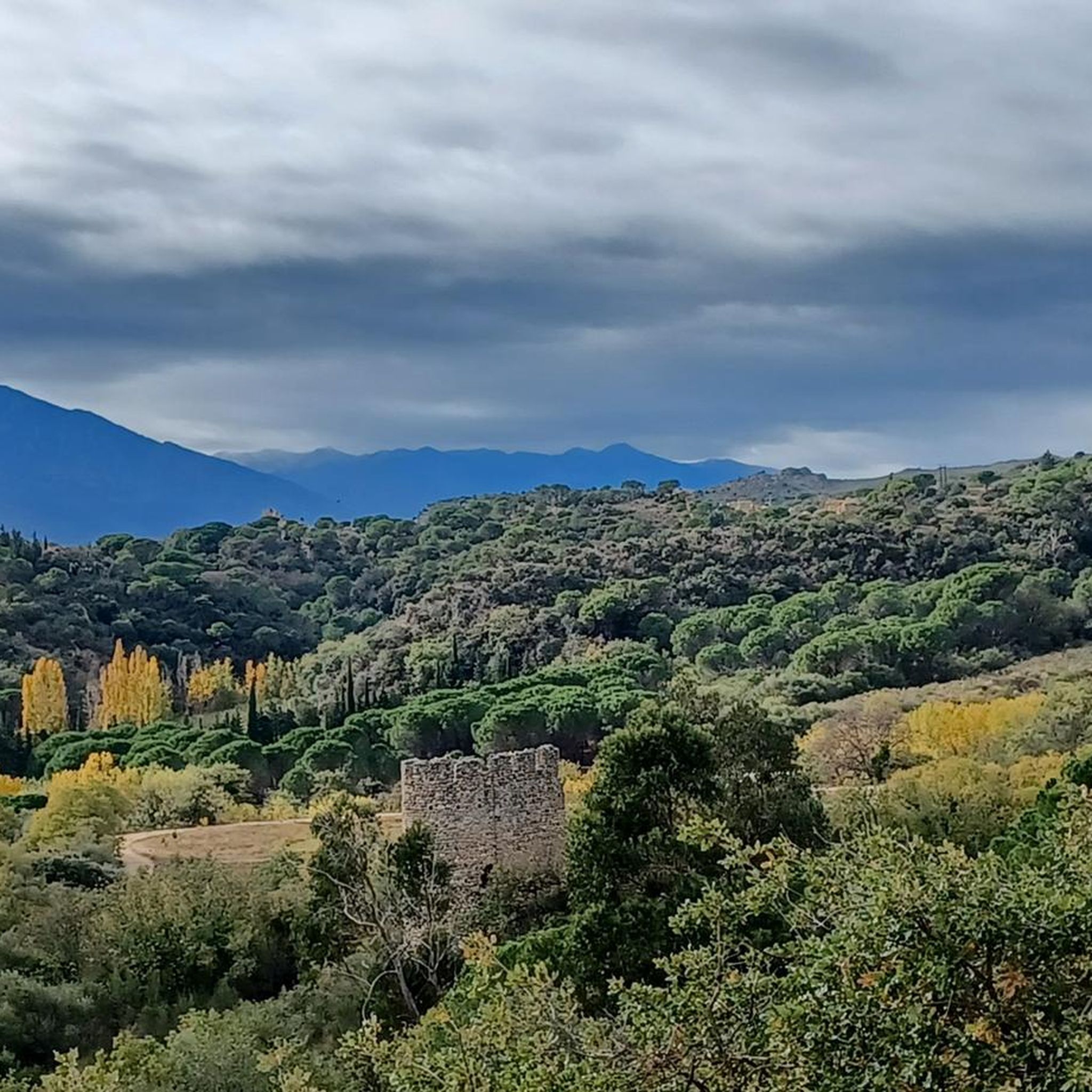
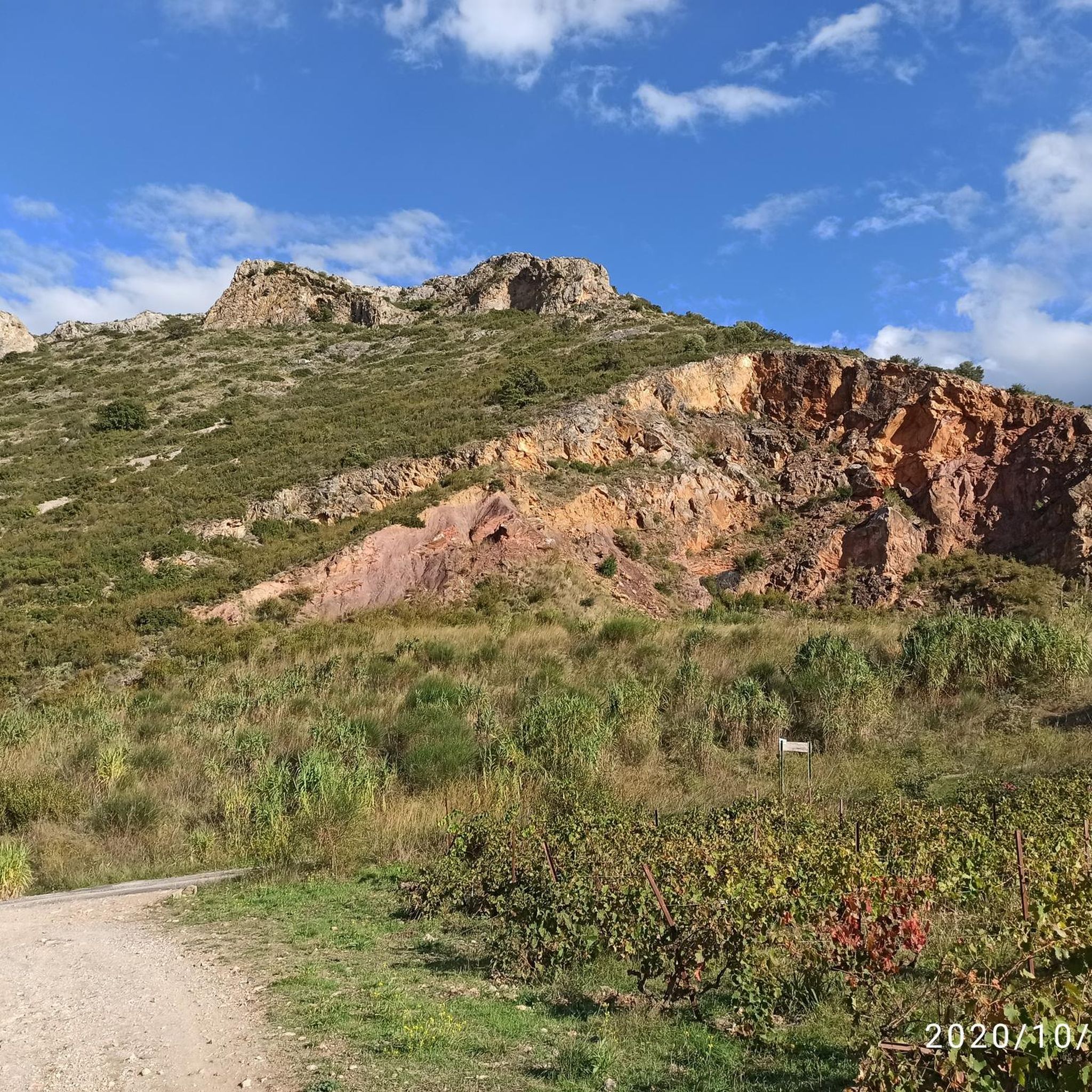
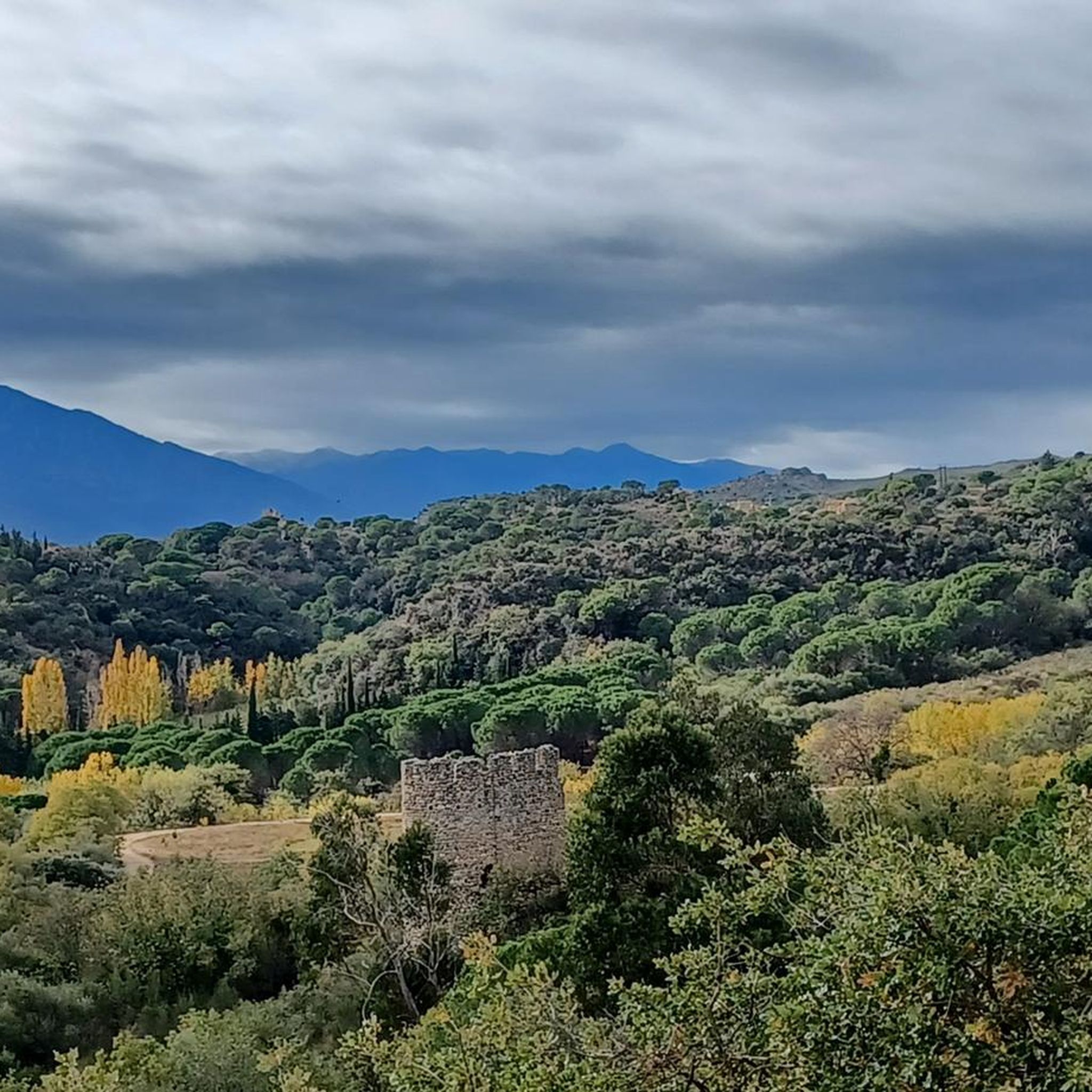

Tips from the Community

Great village! I enjoyed the visit and, of course, the restaurant.
1
0

There is much to read about this landscape, formed by erosion over 50 million years, but you simply have to see it for yourself, it is so beautiful and unique.
7
0
A unique place in France, a landscape of fairy chimneys with a fragile, ephemeral beauty. It shows the cliffs of sand and clay, patiently chiseled by the rain. Erosion has worked like an artist
9
0
Orgues offers a view of these astonishing natural structures known as "fairy chimneys." It's a unique landscape with colorful reliefs that water has sculpted in clay and sand, torn from the Pyrenees and deposited in the Tet Valley over the course of 5 million years.
9
0

The Roc de Majorque (444 m high) preserves the remains of a large Roman square tower. A magnificent 360° panorama of the Corbières, the Roussillon plain, the Pyrenees, and their foothills is available. An orientation table is available there.
0
0

Frequently Asked Questions
What unique natural features can I explore around Corbère-Les-Cabanes?
The region is home to several remarkable natural formations. Don't miss The Organ Pipes of Ille-sur-Têt, often called 'fairy chimneys,' which are colorful reliefs sculpted by water over millions of years. You can also discover the scenic Guilléra Gorges and Rodès Canal, offering picturesque walks along the Têt river and through tunnels.
Where can I find the best panoramic views in the area?
For breathtaking vistas, head to Roc de Mallorca, where you can see the Eastern Pyrenees and, on clear days, even the iconic Canigó. Another excellent spot is Sant Martí de la Roca, which offers a rewarding 360-degree panoramic view after a short ascent. The site of Força Réal also provides magnificent views across the Têt Valley.
What historical sites are worth visiting in Corbère-Les-Cabanes and its surroundings?
Beyond the village's own architectural heritage, the nearby 10th-century village of Castelnou is a must-see, recognized for its picturesque setting. You can also explore Sant Martí de la Roca, a historical religious building with stunning views. Within Corbère-Les-Cabanes, discover the Romanesque bell tower, Gothic church, and the well-preserved Lime Kiln, an edifice reflecting local industry.
Are there any charming villages to visit near Corbère-Les-Cabanes?
Absolutely! Castelnou, located about 5 km away, is a designated 'Most Beautiful Village' with a castle overlooking its charming streets. Another 'Most Beautiful Village,' Eus, is about 18 km away and also offers lovely steep streets to explore.
Are there hiking opportunities around Corbère-Les-Cabanes?
Yes, the area is excellent for hiking. You'll find numerous routes for various skill levels. For detailed trails, including moderate options like the 'Chapelle de St Julia – Corbère Castle loop from Ille-sur-Têt' or the 'Ermitage Saint-Maurice – Corbère Castle loop from Ille-sur-Têt', check out the dedicated Hiking around Corbère-Les-Cabanes guide.
What cycling routes are available near Corbère-Les-Cabanes?
The region offers diverse cycling experiences. For mountain biking, explore routes like the 'Corbère Castle – Corbère Castle loop from Corbère-les-Cabanes' or the 'Hermitage of Saint Maurice – Corbère Castle loop from Corbère' in the MTB Trails around Corbère-Les-Cabanes guide. If you prefer gravel biking, you can find routes such as the 'Bélesta Village – View of Canigou loop from Ille-sur-Têt' in the Gravel biking around Corbère-Les-Cabanes guide.
Are there family-friendly attractions suitable for children?
Yes, The Organ Pipes of Ille-sur-Têt are considered family-friendly. Children will be fascinated by the unique 'fairy chimney' formations and the colorful, sculpted landscape. It's an engaging natural wonder for all ages.
What is the best time of year to visit Corbère-Les-Cabanes for outdoor activities?
Given its Mediterranean climate, the spring (April to June) and autumn (September to October) months are generally ideal for outdoor activities. The weather is typically pleasant, with comfortable temperatures for hiking, cycling, and exploring the natural and historical sites without the intense heat of summer.
What kind of architectural heritage can I discover in Corbère-Les-Cabanes itself?
Within the village, you can admire a Romanesque bell tower and portal, a Gothic church with its tribune and portalade, and a pre-Baroque altarpiece dedicated to Sainte Eulalie. The elegant 18th-century Catalan bourgeois residence that now serves as the Town Hall (Mairie) is also a notable architectural highlight.
Are there any significant prehistoric sites in the area?
Yes, the Grotte de Montou, also known as 'Hollow Mountain,' is a significant prehistoric site. It shows evidence of occupation as early as the Paleolithic period (60,000 to 40,000 years ago), with remains of ancient animals discovered there. A later occupation around 950 BC also revealed a field of funerary urns.
What cultural experiences can I find in the towns surrounding Corbère-Les-Cabanes?
The nearby town of Thuir offers several cultural sites, including the Musée Nature et Chasse, showcasing the fauna of the Pyrénées Orientales, and the Musée des Arts et Traditions Casa Del Aspre. Thuir is also famous for the Byrrh Caves, home to the world's largest oak vat. In Ille-sur-Têt, L'Hospici d'Illa is an exceptional monument that provides insights into Catalan heritage and its role for medieval pilgrims.
Most popular routes around Corbère-Les-Cabanes
Most popular attractions around Corbère-Les-Cabanes

Get inspired with the komoot mobile app


Explore more
Still not found the Highlight you’re looking for? See guides of the top attractions in other regions:
