The best cycling routes around Magnac-Lavalette-Villars
4.5
(13)
133
riders
49
rides
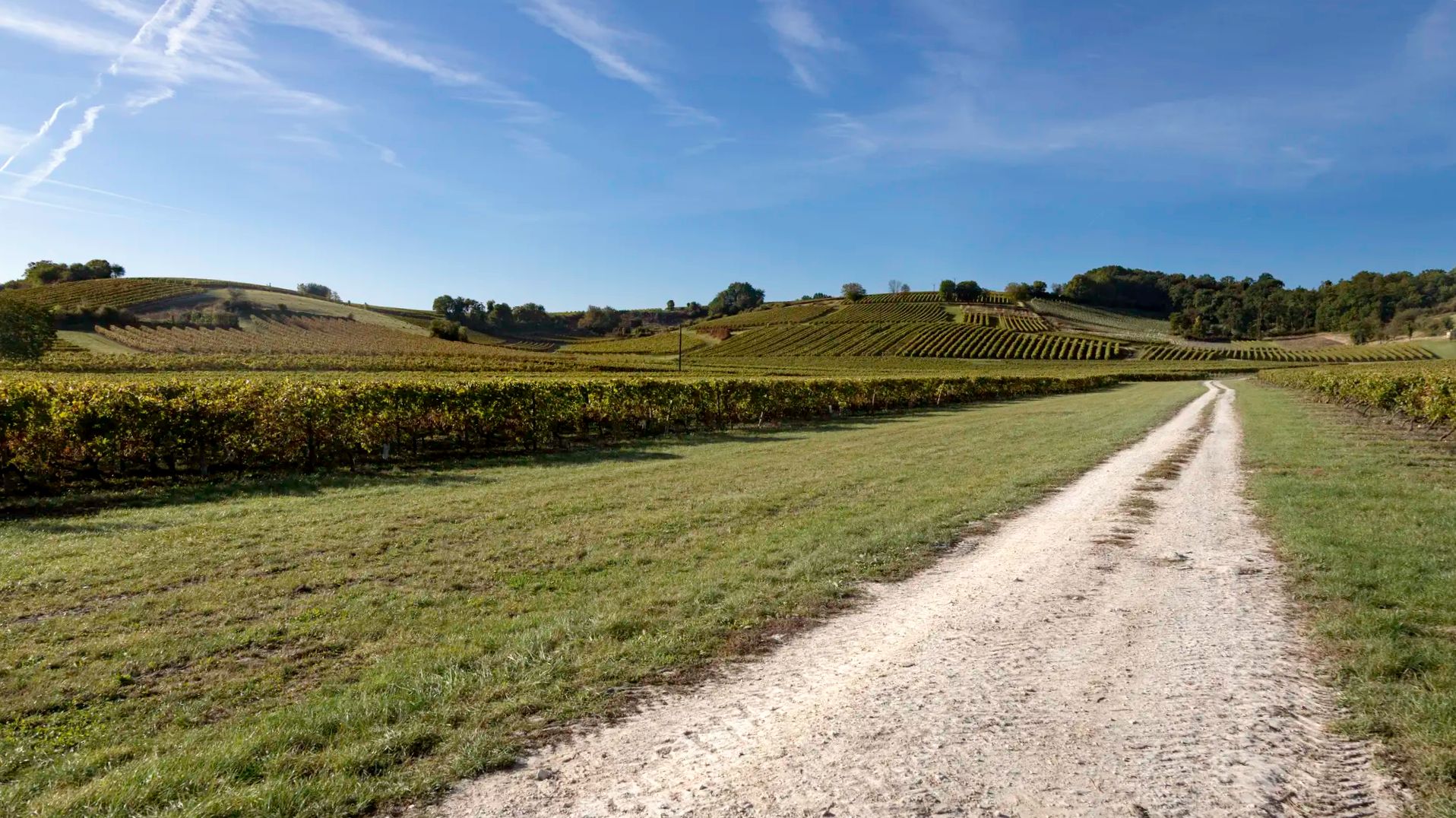
Touring cycling around Magnac-Lavalette-Villars offers routes through picturesque countryside and historical landscapes. The region is characterized by green settings, woodlands, and the Nizonne valley, providing varied terrain for cyclists. Numerous châteaux and historical sites are integrated into the routes, adding cultural interest to the natural features. This area in the Charente department is well-suited for exploration by bike.
Best touring cycling routes around Magnac-Lavalette-Villars
- The most popular touring cycling route is Château de Villebois-Lavalette depuis Villebois loop, a 25.8…
Last updated: July 15, 2026
1
riders
41.5km
02:35
420m
430m
Moderate bike ride. Good fitness required. Mostly paved surfaces. Suitable for all skill levels.
2
riders
33.6km
02:11
310m
310m
Moderate bike ride. Good fitness required. Mostly paved surfaces. Suitable for all skill levels.

Sign up for free
5.0
(1)
4
riders
Hard bike ride. Very good fitness required. You may need to push your bike for some segments of this route.
4
riders
Moderate bike ride. Good fitness required. Mostly paved surfaces. Suitable for all skill levels.
4
riders
36.9km
02:50
470m
470m
Hard bike ride. Very good fitness required. Mostly paved surfaces. Suitable for all skill levels.
Get access to more routes and recommendations from other explorers.
Sign up for free
Already have an account?
Our route recommendations are based on thousands of hikes, rides, and runs completed by other people on komoot.
Start today with a free account
Your next adventure awaits.
Login or Signup

Other adventures around Magnac-Lavalette-Villars

Tips from the Community

This is a wayside cross located on the Route des Menots, at the southern exit of Fouquebrune,
0
0
Romanesque church fortified in the 14th century during the Hundred Years' War. The bell tower is imposing, and the oldest parts are located at the base of the side walls, the semicircular apse, and the façade. The rectangular bell tower is pierced by two lintel openings on each side. Powerful buttresses surround the building; one of the two on the façade is higher because it supports the bell tower staircase. The three-bay nave is lit by narrow, ribbed-vaulted windows. https://chateauruine.fr/16-eglise-fortifiee-fouquebrune.html
0
0
The Tower is difficult to visualize; you must stay in the castle, which offers guest rooms, to access it.
0
0
The parish church of Saint-Saturnin was built in the 12th century. Its nave was re-vaulted in bricks in 1856, then in 2005. The bell tower, victim of lightning, was reassembled in 1874 https://monumentum.fr/monument-historique/pa00104270/chadurie-eglise-saint-saturnin https://fr.wikipedia.org/wiki/Chadurie
1
0
Church located near the cemetery. It is a Romanesque church, pierced by an ogival door on important corner buttresses. Rebuilt in the 15th century, it was restored from 1656 to 1668, then in 1830. Two side chapels were added, and an arcade bell tower on the facade. https://fr.wikipedia.org/wiki/Juillaguet
0
0
The Notre-Dame de Charmant church dates from the end of the 11th century. It is Romanesque and has a remarkable bell tower, in an octagonal pyramid. This bell tower, destroyed by a storm, was rebuilt in 1843. Inside, some beautiful murals remain, including one of the Assumption. Two crosses pattées sculpted on its facade to the left of the portal may suggest that it was a Templar possession in the 13th century. https://fr.wikipedia.org/wiki/%C3%89glise_Notre-Dame_de_Charmant https://monumentum.fr/monument-historique/pa00104282/boisne-la-tude-eglise-notre-dame
0
0
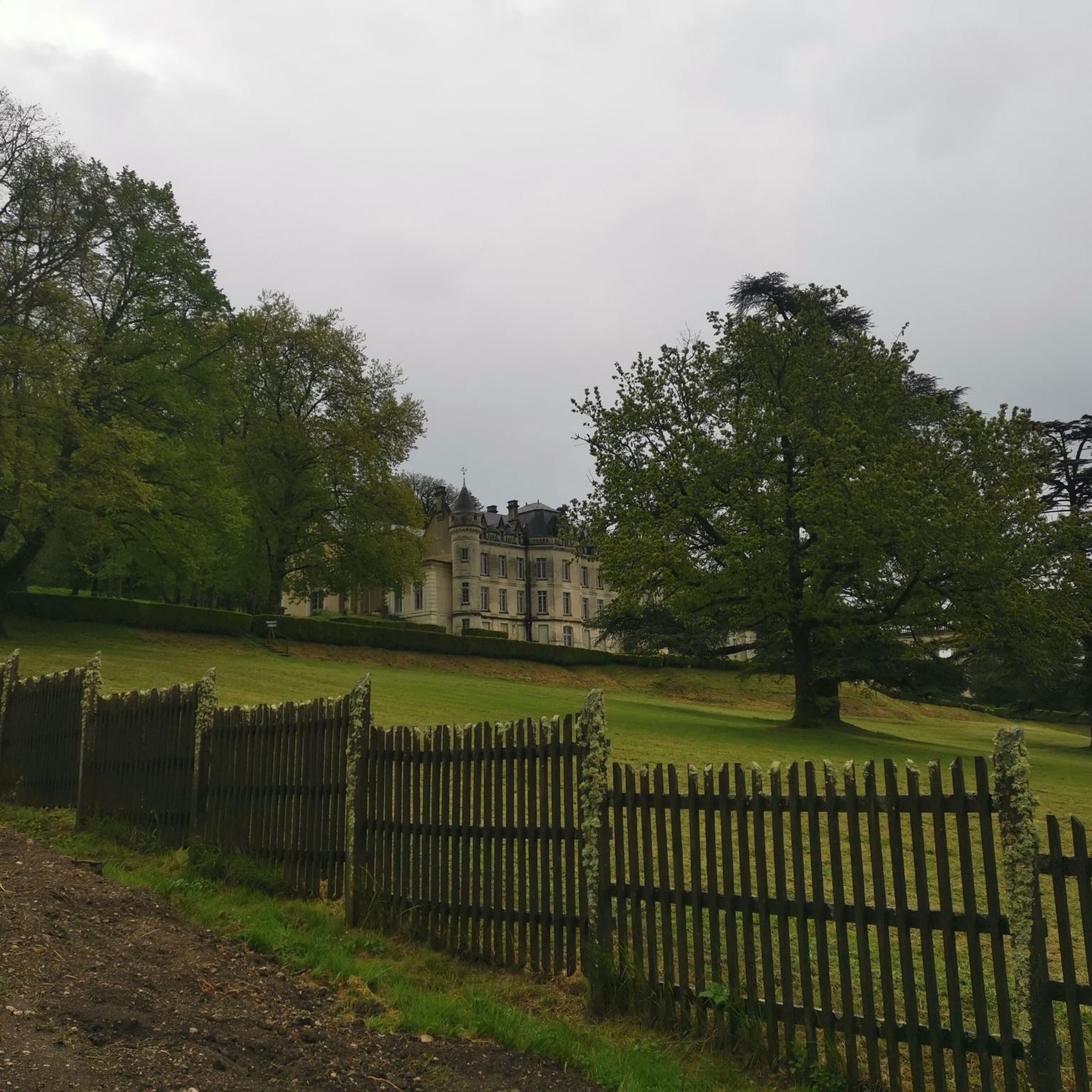
The title suggests an unusual village; it is not. It is an isolated village composed of old houses without any particular style. In my eyes, the only points of interest are the church (which you can't walk around and which doesn't offer much in terms of its exterior facade), the chapel near the cemetery (very basic, you just walk around it without leaving more cultured) and the castle which offers accommodation as a bed and breakfast. The village as a whole is not essential, like the town hall building: bland, aged with a poorly preserved authenticity.
0
0

Magnificent little Charentais village, with a small church and its garden
0
0
Frequently Asked Questions
How many touring cycling routes are available around Magnac-Lavalette-Villars?
There are over 40 touring cycling routes available around Magnac-Lavalette-Villars, offering a wide range of options for exploring the picturesque countryside and historical landscapes of the Charente department.
What is the best time of year for touring cycling in Magnac-Lavalette-Villars?
The region is generally pleasant for cycling from spring through autumn. The lush green settings and woodlands are particularly vibrant in spring and early summer, while autumn offers comfortable temperatures and beautiful foliage. Always check local weather forecasts before heading out.
Are there touring cycling routes suitable for beginners or less experienced cyclists?
While many routes are classified as moderate, the region offers paths that can be enjoyed by less experienced cyclists. For example, the Voie Verte du Haut Limousin, a greenway linking Magnac-Laval to Le Dorat, provides a safe and immersive natural route suitable for various forms of soft mobility, including cycling.
Are there challenging touring cycling routes for experienced riders?
Yes, for experienced riders seeking more challenge, there are several difficult routes. The Château de Villebois-Lavalette – Villebois-Lavalette Castle loop from Torsac is a 28.5-mile (45.8 km) trail with significant elevation changes, often completed in about 3 hours 23 minutes. Another challenging option is the Fouquebrune roadside cross loop from Fouquebrune, covering 36.9 km with notable ascents.
What historical landmarks or châteaux can I see on a touring cycling route?
The region is rich in historical sites. Many routes pass by impressive castles such as the medieval Château de Villebois-Lavalette and the grand Château de la Mercerie, often called the 'Little Versailles of Charente'. You might also encounter the Saint-Martin Church of Argentine, an 11th-century Romanesque church.
Are there any natural features or scenic viewpoints along the cycling routes?
Absolutely. The routes often traverse diverse landscapes including green settings, woodlands, and the scenic Nizonne valley. You can also explore unique geological wonders like The Cluzeaux of Argentine, intriguing man-made shelters carved into rock above the Nizonne valley.
Are the touring cycling routes family-friendly?
Many routes in the area are suitable for families, especially those looking for a leisurely ride through the countryside. The greenways, like the Voie Verte du Haut Limousin, are particularly well-suited for families due to their safe and traffic-free environment. Always check the route's difficulty and length to ensure it matches your family's capabilities.
Can I bring my dog on the touring cycling routes?
While many outdoor areas in France are dog-friendly, it's always best to check specific regulations for each route or protected natural area. Generally, dogs on a leash are welcome on public paths, but ensure they are comfortable with cycling speeds and distances. Always carry water for your pet.
Where can I find parking for touring cycling routes?
Parking is generally available in the towns and villages that serve as starting points for many routes. For instance, routes often begin from locations like Villebois-Lavalette, Boisné-la-Tude, Torsac, or Dignac, where you can typically find public parking facilities. Look for designated parking areas near trailheads.
What do other touring cyclists say about the routes in Magnac-Lavalette-Villars?
The touring cycling routes around Magnac-Lavalette-Villars are highly rated by the komoot community, with an average score of 4.6 stars from over 10 reviews. Cyclists often praise the picturesque countryside, the integration of historical châteaux into the routes, and the varied terrain that offers options for different skill levels.
Are there any circular touring cycling routes in the area?
Yes, many of the touring cycling routes in Magnac-Lavalette-Villars are designed as loops, allowing you to start and finish at the same point. Examples include the Château de Villebois-Lavalette depuis Villebois loop and The Haberdashery – Château de la Mercerie loop from Boisné-la-Tude, which offer convenient circular journeys through the region's highlights.
What are the typical lengths and durations of touring cycling routes here?
The touring cycling routes in this area vary in length and duration to suit different preferences. You'll find routes ranging from approximately 25 km to over 45 km. A moderate route like the The Breuil Tower – Château de la Tour du Breuil loop from Dignac, at 26.8 km, typically takes around 2 hours 20 minutes to complete, while longer routes can take over 3 hours.
Most popular routes around Magnac-Lavalette-Villars
Most popular attractions around Magnac-Lavalette-Villars

Get inspired with the komoot mobile app


Explore more
Browse the best Cycling routes in other regions.
