Attractions and Places To See around Champagne-Vigny - Top 17
Best attractions and places to see around Champagne-Vigny, a commune in the Charente department of France, offers a combination of historical sites and natural landscapes. The area provides opportunities to explore cultural landmarks and engage with the local environment. Visitors can discover sites of historical significance and natural beauty in Champagne-Vigny and its immediate surroundings.
Best attractions and places to see around Champagne-Vigny
- The most popular attractions is Claix Millstone Quarries, a historical and geological site that offers insight…
Last updated: May 10, 2026
Sireuil Bridge
Highlight • Bridge
Possibility of filling the cans …
Translated by Google •
Tip by

Château de la Rochandry
Highlight • Castle
Translated by Google •
Tip by
Sign up now to discover places like this
Get recommendations on the best single tracks, peaks, & plenty of other exciting outdoor places.
Sign up for free
Claix Millstone Quarries
Highlight (Segment) • Other
Translated by Google •
Tip by

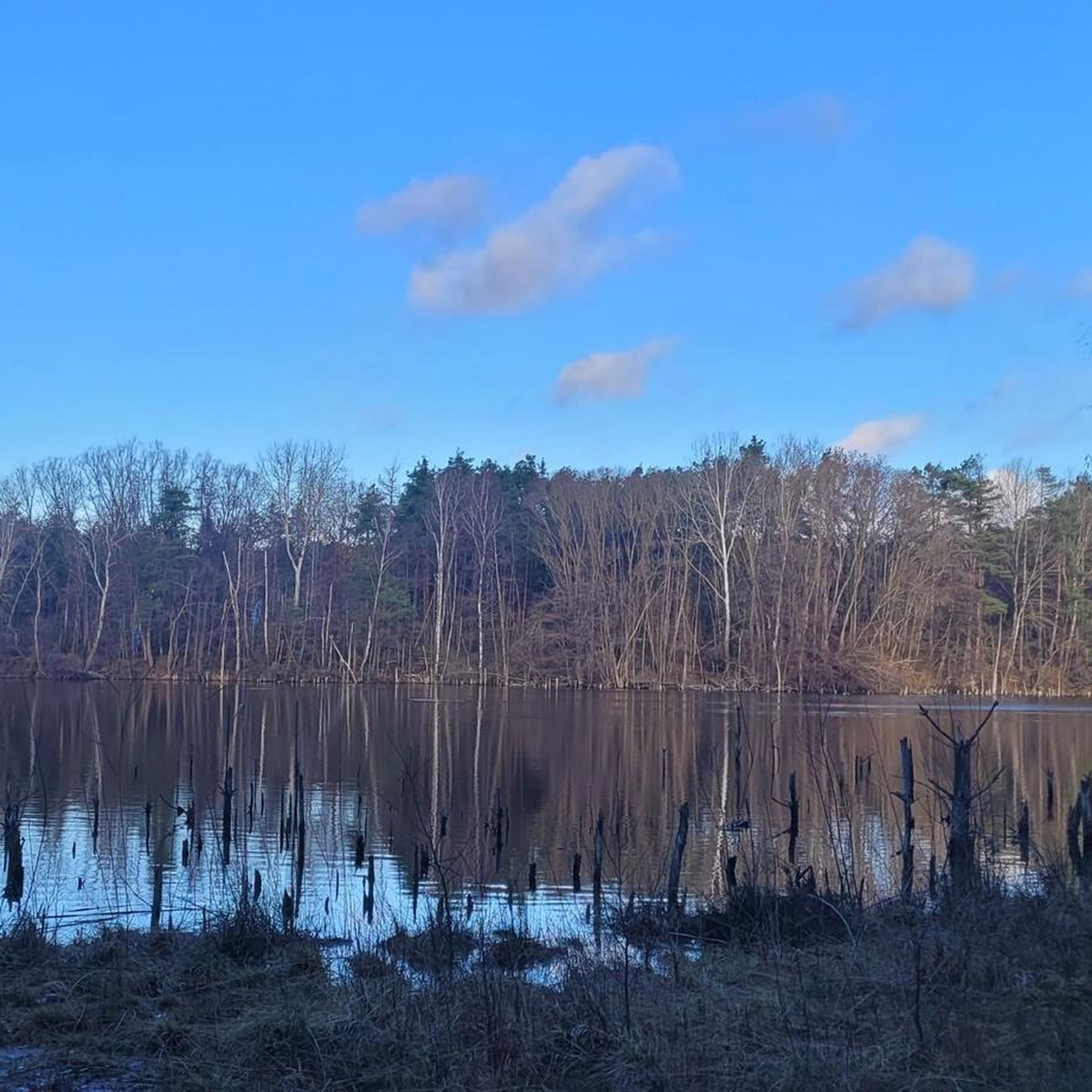
Burnt Wood
Highlight • Other
The map is not …
Translated by Google •
Tip by

Saint-Estèphe Church
Highlight • Other
Translated by Google •
Tip by
Sign up for free to discover even more attractions around Champagne-Vigny.
Sign up for free
Already have an account?
Start today with a free account
Your next adventure awaits.
Login or Signup

Tips from the Community


Beautiful view from the bridge over the Charente, the quays and the pier.
0
0
Listed as a Historic Monument in 1840, the church has been particularly well highlighted since the restorations undertaken in 2017. The original church was to consist of two bays without side aisles and a choir. It was to be covered with a simple exposed framework. Modifications in the 12th century. A bay carrying a bell tower was added to this building and covered, under it, with an octagonal dome on a squinch. Ending the church to the east, the rectangular choir is covered with a 13th century Angevin vault. Following the wall of the nave comes a staircase turret going up to the bell tower. https://www.angouleme-tourisme.com/patrimoine-culturel/eglise-saint-estephe/
0
0

Why visit the Meulières de Claix in Périgord? For the historical heritage: The site is a fascinating example of the importance of millstones in the agricultural economy of centuries past. For the natural setting: Located in a quiet forest environment, the Meulières de Claix offer an ideal opportunity to walk and discover the Périgord nature while learning about the local past. For the geological aspect: Geology enthusiasts will appreciate the study of millstone rock, its unique characteristics and its ingenious exploitation. The Meulières de Claix in Périgord are an essential destination for history buffs and nature lovers, offering a perfect combination of industrial heritage and geological discovery.
2
0
Remains of the quarries: Today, the old quarries of Claix are still visible, offering a unique insight into the industrial exploitation and extraction techniques of the time. A natural and historical site: Walks and discoveries: The millstone site is accessible on foot via paths that cross the surrounding forest. It is a perfect place for a walk in the heart of nature while discovering a part of local history. Preserved landscapes: The millstones are nestled in a preserved natural environment, where you can also observe the fauna and flora of the Périgord. Memory of the craft activity: Visible traces: Traces of old extractions can still be observed on the site, such as cut or abandoned stone blocks, and cavities that bear witness to the intense past craft activity. Economic importance: The production of millstones greatly contributed to the prosperity of the region for several centuries, due to the importance of the mills for agriculture and flour production.
1
0
The Meulières de Claix en Périgord, located in the Dordogne department in Nouvelle-Aquitaine, are a site of historical and heritage importance. These millstone quarries, once used to make millstones, are a valuable testimony to mineral exploitation in Périgord. Points of interest in the Meulières de Claix en Périgord: Exploitation of millstones: Millstone manufacturing: The stones extracted from the millstones were used to make millstones, which were used to grind grain in mills. This industry was essential to the local economy, particularly during the Middle Ages and up until the 19th century. Quality stone: The millstone rock of Claix was particularly prized for its hardness and durability, which made it a material of choice for the region's millers. Geological heritage: Characteristics of millstone: Millstone is a porous siliceous rock that has an ideal texture for grinding. Its resistance to wear made it possible to manufacture high-quality millstones, used in water or wind mills.
2
0

It would be Chanderic, Lord of Saintes at war against the Count of Angoulême, who would have built a fortress, around the 9th century, on the rock where the current castle is located. During the Hundred Years War this castle was disputed between the French and the English. In 1387 Louis de Sancerre, Marshal of France, drove them out. The English took over the castle and were driven out again in 1416 by the Sire de Barbazan, captain of Charles VII who had it demolished. Rebuilt in Gothic style in the 15th century by Jean de La Rochandry, the castle passed by marriage to the Saint-Gelais in 1445, then to the Tison d'Argence and, around 1580, to the Forgues de Lavedan who had it modified and enlarged around 1613 and he gave a Renaissance look. The castle was sold in 1681 to Etienne Chérade, Count of Montbron. In the 18th century, as it threatened to ruin, the Lady of Rouffiac had part of the walls knocked down. In 1850 the banker Servant, from Angoulême, bought what remained of the castle of La Rochandry, had it rebuilt in 1852 as it is today and was ruined in this operation.
1
0

It can be seen from afar and signifies the arrival in South Angoulême. I recommend going through this charming church to avoid the busy roads and reach (or exit) Angoulême.
1
0
Frequently Asked Questions
What historical sites can I explore around Champagne-Vigny?
You can delve into history at the Château de la Rochandry, a superb castle with roots dating back to the 9th century, visible from the GR4 hiking trail. Another significant historical site is the Claix Millstone Quarries, which offers insight into the historical exploitation of millstones from the Middle Ages until the 19th century. Additionally, the Maine-Giraud Manor House in Champagne-Vigny, once owned by poet Alfred de Vigny, now houses a museum dedicated to him and is recognized as a "House of the Illustrious."
Are there opportunities for walking or hiking in the natural environment near Champagne-Vigny?
Yes, the area offers several natural settings for walks. The Claix Millstone Quarries provide a preserved natural environment for walks, allowing you to observe local fauna and flora. The Charente Countryside surrounding Champagne-Vigny also offers numerous opportunities for hikes. For specific routes, you can explore the hiking guide around Champagne-Vigny, which includes loops like the "Meulières de claix loop from Claix" and "Logis du Maine-Giraud loop from Champagne-Vigny."
What kind of outdoor activities can I do near the attractions?
Beyond walking, you can enjoy various outdoor activities. The Sireuil Bridge area is excellent for exploring the river, with pleasure boats available for rent. For cycling enthusiasts, there are dedicated guides for MTB trails and road cycling routes around Champagne-Vigny, featuring routes like the "Des Meulières descent loop" for MTB or the "View of Saint-Simeux – Sireuil Bridge loop" for road cycling.
Are there any viewpoints or scenic spots in the area?
Absolutely. The Sireuil Bridge is noted as a point of interest and a viewpoint, especially for observing the Charente River. The Château de la Rochandry is visible from the heights of Moutiers sur Boëme, offering scenic views of the castle and surrounding landscape. Additionally, the limestone plateau of the Claix Millstone Quarries provides a breathtaking view of the surrounding countryside.
What is there to see for those interested in local architecture or religious sites?
The Saint-Estèphe Church is a notable architectural and religious site, listed as a Historic Monument since 1840. It features 12th-century modifications, a 13th-century Angevin vault, and a staircase turret. Its distinct appearance signifies the arrival in South Angoulême and is worth a visit.
Are there any places to relax or enjoy nature near Angoulême but still close to Champagne-Vigny?
Yes, the Burnt Wood offers a refreshing escape among the trees near Angoulême. While not a dramatic landscape, it's a great place to get fresh air, with numerous dirt paths suitable for walks and covering several kilometers without leaving the woods.
What do visitors particularly enjoy about the Sireuil Bridge area?
Visitors appreciate the Sireuil Bridge area for its tranquil atmosphere and amenities. It's a well-deserved rest area, with a water point for refilling bottles. In summer, the "Cabanon" offers a pleasant spot to eat. The opportunity to rent pleasure boats for a trip or an overnight stay on the Charente River is also a highlight, allowing for unique river exploration.
Can I find information about the history of the Château de la Rochandry?
Yes, the Château de la Rochandry has a rich history. Originally a fortress built around the 9th century, it was disputed during the Hundred Years' War. It was rebuilt in Gothic style in the 15th century and later modified in the Renaissance style around 1613. Despite periods of ruin, it was rebuilt to its current form in 1852, reflecting centuries of architectural evolution.
What makes the Claix Millstone Quarries historically significant?
The Claix Millstone Quarries are historically significant because they were a primary source for millstones, essential for grinding grain from the Middle Ages until the 19th century. The millstone rock from Claix was highly valued for its hardness and durability, making it a material of choice for millers. The site provides a fascinating glimpse into the region's industrial heritage and the importance of these quarries to the local economy.
Are there any specific hiking trails that explore the historical or natural sites?
Yes, for those interested in combining hiking with historical or natural exploration, the hiking guide around Champagne-Vigny features routes like the "Meulières de claix loop from Claix," which takes you through the historic millstone quarries. Another option is the "Logis du Maine-Giraud loop from Champagne-Vigny," which explores the area around the significant manor house.
What is the best way to experience the Charente River near Champagne-Vigny?
The best way to experience the Charente River is by renting one of the pleasure boats available along the shore near the Sireuil Bridge. This allows you to explore the river at your own pace, enjoy the peaceful surroundings, and even find secluded spots. Many visitors enjoy seeing the boats scattered along the river in the early morning, offering a unique perspective of local life.
Most popular routes around Champagne-Vigny

Get inspired with the komoot mobile app


Explore more
Still not found the Highlight you’re looking for? See guides of the top attractions in other regions:
