The best walks and hikes around Étriac
4.6
(135)
480
hikers
51
hikes
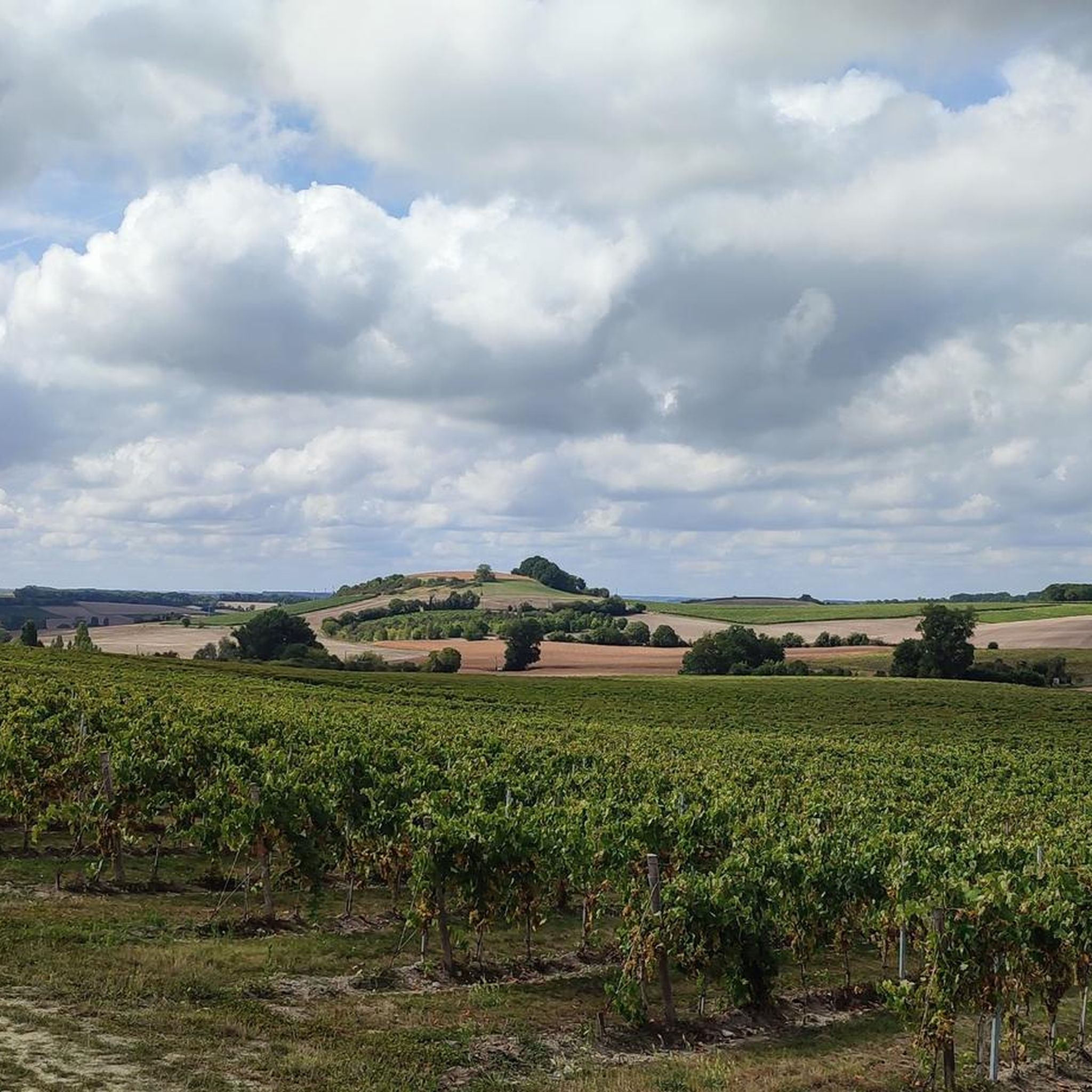
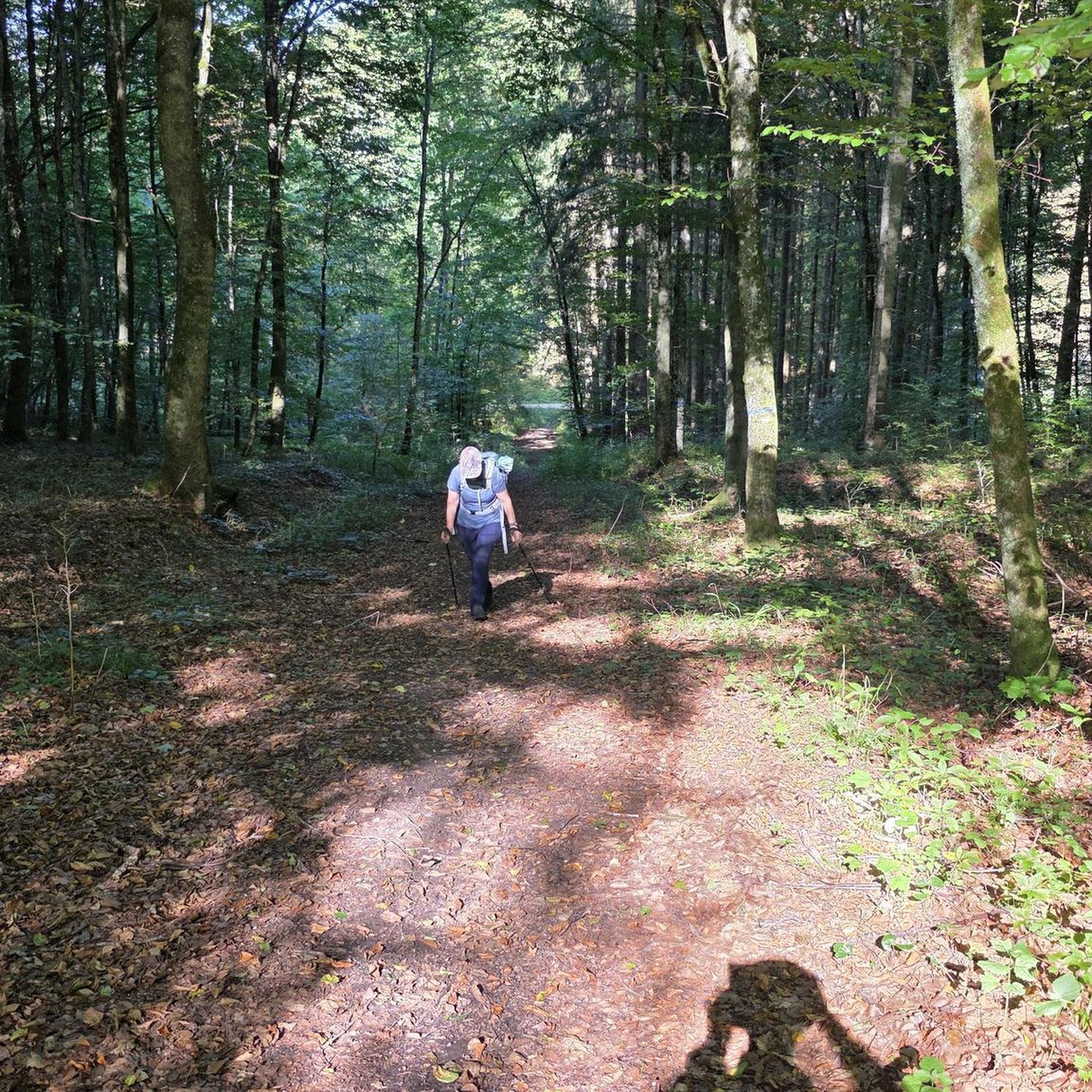
Hiking around Étriac offers diverse landscapes, characterized by rocky limestone plateaus, dense forests, and expansive vineyards. The region features several river valleys, including the Charente, Né, and Anguienne, which contribute to varied terrain. Cultivated plains and areas recognized for rich flora and fauna, such as the Natura 2000 classified Né valley, are also present. This blend provides a range of natural environments for outdoor activities.
Best hiking trails around Étriac
- The most popular hiking route is Meulières de claix loop…
Last updated: June 29, 2026
5.0
(2)
25
hikers
14.3km
03:51
180m
180m
Moderate hike. Good fitness required. Easily-accessible paths. Suitable for all skill levels.
5.0
(5)
12
hikers
9.28km
02:30
110m
110m
Moderate hike. Good fitness required. Easily-accessible paths. Suitable for all skill levels.

Sign up for free
3.0
(1)
3
hikers
8.90km
02:24
110m
110m
Moderate hike. Good fitness required. Easily-accessible paths. Suitable for all skill levels.
6
hikers
11.4km
03:02
120m
120m
Moderate hike. Good fitness required. Easily-accessible paths. Suitable for all skill levels.
5.0
(1)
3
hikers
10.7km
02:57
180m
180m
Moderate hike. Good fitness required. Easily-accessible paths. Suitable for all skill levels.
Get access to more routes and recommendations from other explorers.
Sign up for free
Already have an account?
Our route recommendations are based on thousands of hikes, rides, and runs completed by other people on komoot.
Start today with a free account
Your next adventure awaits.
Login or Signup



Tips from the Community

The Saint-Cybard Church of Plassac-Rouffiac is located in the village of Plassac-Rouffiac, in Charente. Built in the Romanesque style, it was listed as a historic monument in 1862. At the intersection of an ancient Roman road connecting Périgueux and Saintes, known as the "Boisné Road," and a road south of Angoulême, this small church boasts several assets: refined sculpted decoration, harmonious proportions, and a façade enlivened by arcades. The façade is divided horizontally into four levels by cornices: the ground floor with a central portal flanked by blind arcades, the second and third levels occupied by semicircular arches, and the top level topped with a triangular pediment. The single nave is covered with a pointed barrel vault. The false square, topped by a dome on pendentives, supports an elegant bell tower with a stone tortoiseshell spire. https://mairie.plassac-rouffiac.fr/eglises/ https://www.angouleme-tourisme.com/patrimoine-culturel/eglise-saint-cybard-4/ https://fr.wikipedia.org/wiki/%C3%89glise_Saint-Cybard_de_Plassac
0
0

Why visit the Meulières de Claix in Périgord? For the historical heritage: The site is a fascinating example of the importance of millstones in the agricultural economy of centuries past. For the natural setting: Located in a quiet forest environment, the Meulières de Claix offer an ideal opportunity to walk and discover the Périgord nature while learning about the local past. For the geological aspect: Geology enthusiasts will appreciate the study of millstone rock, its unique characteristics and its ingenious exploitation. The Meulières de Claix in Périgord are an essential destination for history buffs and nature lovers, offering a perfect combination of industrial heritage and geological discovery.
2
0
Remains of the quarries: Today, the old quarries of Claix are still visible, offering a unique insight into the industrial exploitation and extraction techniques of the time. A natural and historical site: Walks and discoveries: The millstone site is accessible on foot via paths that cross the surrounding forest. It is a perfect place for a walk in the heart of nature while discovering a part of local history. Preserved landscapes: The millstones are nestled in a preserved natural environment, where you can also observe the fauna and flora of the Périgord. Memory of the craft activity: Visible traces: Traces of old extractions can still be observed on the site, such as cut or abandoned stone blocks, and cavities that bear witness to the intense past craft activity. Economic importance: The production of millstones greatly contributed to the prosperity of the region for several centuries, due to the importance of the mills for agriculture and flour production.
1
0
The Meulières de Claix en Périgord, located in the Dordogne department in Nouvelle-Aquitaine, are a site of historical and heritage importance. These millstone quarries, once used to make millstones, are a valuable testimony to mineral exploitation in Périgord. Points of interest in the Meulières de Claix en Périgord: Exploitation of millstones: Millstone manufacturing: The stones extracted from the millstones were used to make millstones, which were used to grind grain in mills. This industry was essential to the local economy, particularly during the Middle Ages and up until the 19th century. Quality stone: The millstone rock of Claix was particularly prized for its hardness and durability, which made it a material of choice for the region's millers. Geological heritage: Characteristics of millstone: Millstone is a porous siliceous rock that has an ideal texture for grinding. Its resistance to wear made it possible to manufacture high-quality millstones, used in water or wind mills.
2
0

The church of Saint-Cybard de Plassac was classified as a historic monument in 1862. It was built in Romanesque style.
1
0

This limestone plateau, formerly used as a millstone quarry, has once again become a natural site. This arid landscape, maintained by sheep, is worth a look and the relief of the site offers a breathtaking view of the surrounding countryside. Be careful with the accesses: due to the herds, the site is fenced and the crossings (doors or ladders) are more or less easy.
1
0
This limestone plateau, formerly used as a quarry for the manufacture of millstones, is now vegetated. The vegetation is atypical and the relief offers a breathtaking view of the surrounding countryside. The site is maintained by sheep (so watch out for dogs). Barriers, with more or less easy crossings, provide access.
0
0
Frequently Asked Questions
How many hiking trails are available around Étriac?
There are over 50 hiking routes around Étriac, offering a wide range of experiences. These include both easy strolls and more moderate challenges, ensuring options for various fitness levels.
What kind of terrain can I expect on hikes in Étriac?
The terrain around Étriac is quite diverse. You'll encounter rocky limestone plateaus, dense forests, expansive vineyards, and cultivated plains. Many trails also follow picturesque river valleys, such as the Charente, Né, and Anguienne, providing varied scenery throughout your hike.
Are there easy hiking options for beginners in Étriac?
Yes, Étriac offers several easy hiking options suitable for beginners or those looking for a relaxed walk. For example, the Claix Millstone Quarries loop from Roullet-Saint-Estèphe is an easy 6.5 km trail that allows you to explore the distinctive landscapes without significant difficulty.
What do other hikers say about the trails in Étriac?
The hiking routes in Étriac are highly regarded by the komoot community, holding an average rating of 4.6 stars from over 120 reviews. Hikers often praise the varied landscapes, the blend of natural beauty with historical elements, and the well-maintained paths.
Are there any notable natural features or viewpoints to discover while hiking?
Absolutely. The region is known for its limestone plateaus, such as the Meulières de Claix, which offer unique rocky landscapes. You can also find protected natural areas like the Natura 2000 classified Né valley, rich in flora and fauna. Many trails lead to elevated points providing panoramic views of the river valleys.
Can I find historical sites or cultural landmarks along the hiking routes?
Yes, many hiking paths in Étriac weave through areas rich in rural heritage. You can discover ancient springs, wash houses, and architectural landmarks from the 13th century, including churches and châteaux. The Château de la Rochandry is one such historical site you might encounter.
Are there any riverside walks in the Étriac area?
Riverside walks are a popular feature in Étriac. Trails often follow the banks of the Charente River, offering tranquil routes and opportunities to spot wildlife like herons. The Charente Riverside Path at La Meure is a great example of a scenic waterside route.
Are the hiking trails around Étriac suitable for families with children?
Yes, many trails in Étriac are suitable for families. The region offers a good selection of easy routes that are less strenuous, allowing children to enjoy the diverse landscapes, from forests to vineyards. Interpretive trails, like those found in La Magdeleine, can also be engaging for younger hikers.
Can I bring my dog on the hiking trails in Étriac?
Generally, dogs are welcome on many hiking trails in the Étriac area, especially on public footpaths through forests and vineyards. However, it's always advisable to keep them on a leash, particularly in protected natural areas like the Né valley, to protect local wildlife and ensure a pleasant experience for all hikers.
Are there circular hiking routes available in Étriac?
Yes, circular routes are very common in Étriac, allowing you to start and end your hike at the same point. Popular examples include the Hiking loop from Plassac-Rouffiac, which takes you through forests and vineyards, or the Forêt de la Grande Allée loop from Roullet-Saint-Estèphe.
What is the best time of year to go hiking in Étriac?
The diverse landscapes of Étriac make it appealing for hiking throughout much of the year. Spring and autumn offer pleasant temperatures and beautiful scenery, with blooming wildflowers or vibrant fall foliage. Summer is also popular, especially for riverside walks, though it can be warmer. Winter hiking is possible, but some paths might be less accessible.
Where can I find parking for hiking trails in Étriac?
Many trailheads in and around Étriac, especially those starting from villages like Claix or Roullet-Saint-Estèphe, offer designated parking areas. It's common to find parking near churches, town halls, or specific points of interest that serve as starting points for popular loops.
Most popular attractions around Étriac

Get inspired with the komoot mobile app


Explore more
Browse the best Hikes in other regions.
