Attractions and Places To See around Nantheuil - Top 14
Attractions and places to see around Nantheuil are located in the Dordogne department of Nouvelle-Aquitaine, France, within the Périgord-Limousin Regional Natural Park. This region offers a landscape of rivers, forests, and meadows. Visitors can explore historical sites, charming villages, and natural points of interest. The area provides a blend of cultural heritage and outdoor exploration opportunities.
Best attractions and places to see around Nantheuil
- The most popular attractions is Jumilhac Castle, a castle situated about 13 km northeast of…
Last updated: July 7, 2026
Saint-Jean-de-Côle
Highlight • Historical Site
Translated by Google •
Tip by

Thiviers Old Town
Highlight • Settlement
Translated by Google •
Tip by

Sign up now to discover places like this
Get recommendations on the best single tracks, peaks, & plenty of other exciting outdoor places.
Sign up for free
Jumilhac Castle
Highlight • Castle
Translated by Google •
Tip by

Old Bridge
Highlight • Other
Translated by Google •
Tip by

Castle
Highlight • Castle
Translated by Google •
Tip by
Sign up for free to discover even more attractions around Nantheuil.
Sign up for free
Already have an account?
Start today with a free account
Your next adventure awaits.
Login or Signup

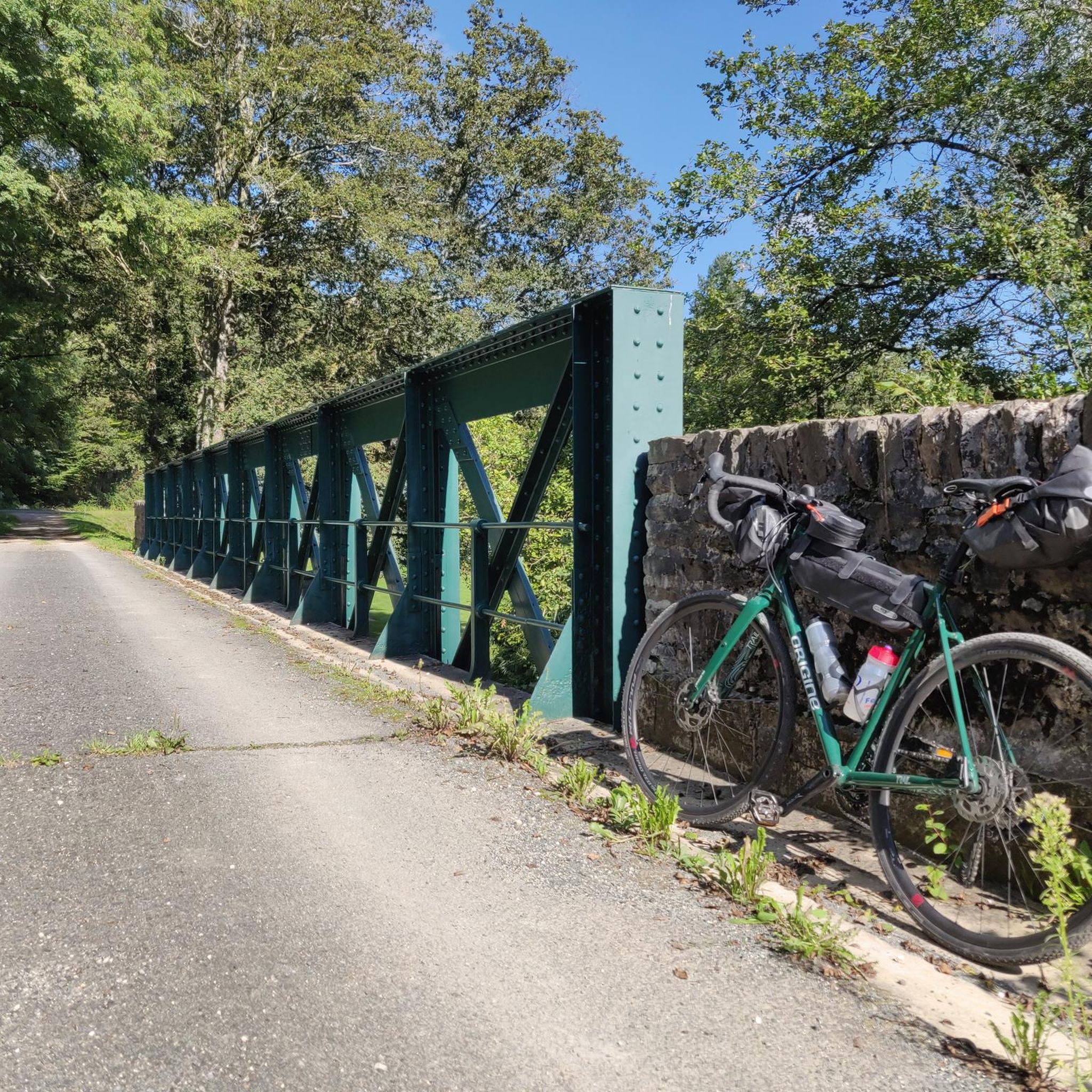
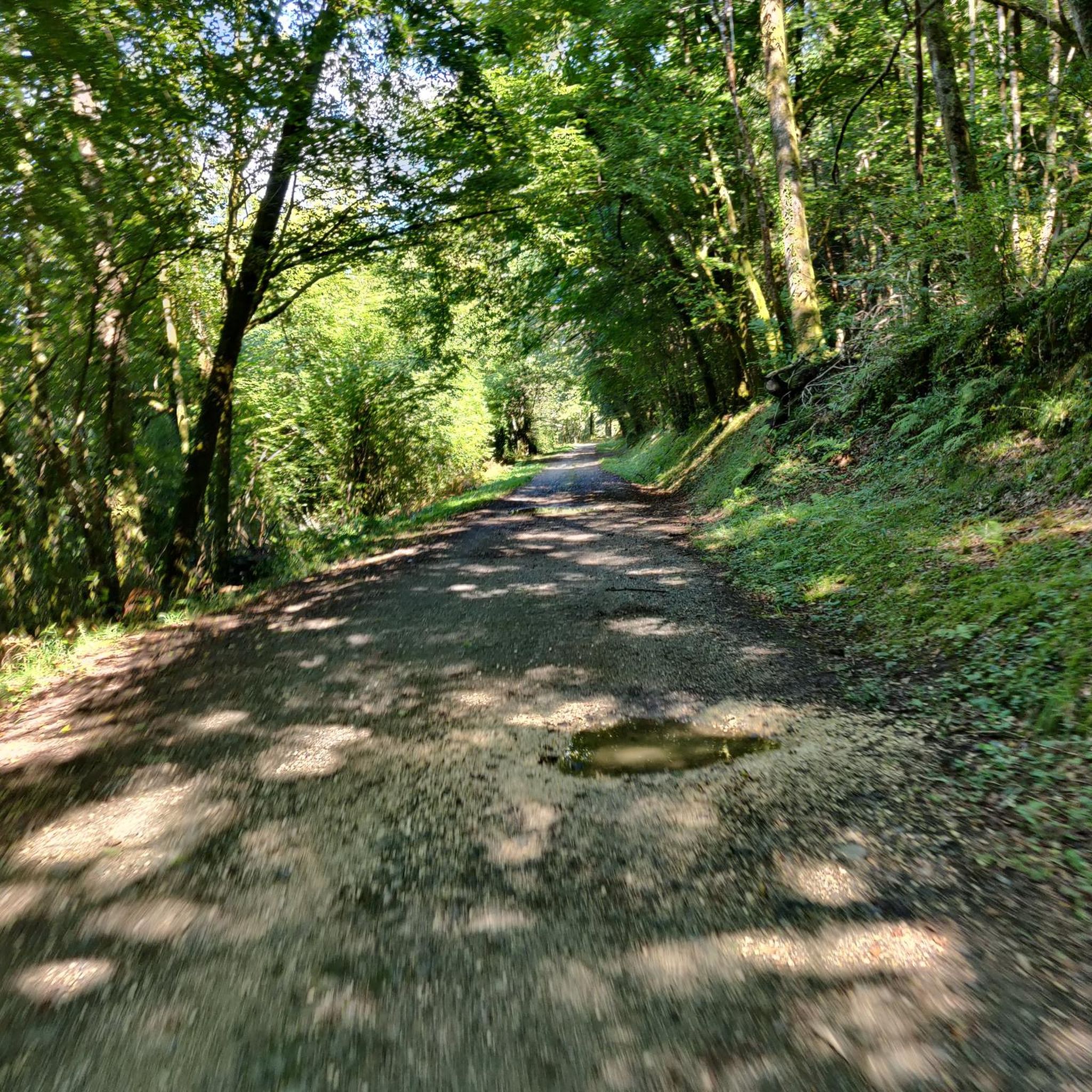



Tips from the Community

Why Visit Thiviers? For its gastronomy: Thiviers is a paradise for gourmets. With its fat markets, truffles and local products, the city offers an authentic and unique culinary experience. For its historical heritage: Between its Gothic church and its museums, Thiviers allows you to delve into the history of Périgord and discover the Périgord way of life. For the surrounding nature: Located in the Périgord Vert, the city is an excellent starting point for exploring the surrounding countryside, whether through hikes or bike rides. Thiviers is an ideal destination for those looking to discover the gastronomic and natural heritage of Périgord, while enjoying the charm of an authentic and welcoming small town.
1
0
Nature and hiking: Green environment: Surrounded by hills and forests, Thiviers is the ideal starting point for hikes in the Périgord Vert. Nature lovers can take advantage of the marked trails to discover the local flora and fauna. The Thiviers-Saint-Pardoux greenway: This old railway line transformed into a cycle path allows you to explore the surrounding countryside in complete tranquility, whether on foot or by bike. Market and local traditions: Weekly market: The Thiviers market is a meeting place for locals and visitors. You can find local products, fruits, vegetables, cheeses, and of course, Périgord specialties such as foie gras and duck confit. Festivals and festivals: Thiviers regularly organizes cultural and gastronomic events, such as the Foire du Gras, which celebrates local products, or even music and traditional arts festivals. Vaucocour Castle: 18th century building: Located not far from the city, this castle, surrounded by a magnificent park, is a beautiful example of 18th century architecture. It is possible to visit its gardens and learn more about local history.
1
0
Thiviers, located in the Dordogne, is a charming little town in the Périgord Vert, renowned for its rich historical and gastronomic heritage. Nicknamed the "capital of foie gras and truffles", Thiviers is a destination of choice for lovers of good food and history buffs. Surrounded by green landscapes, this town offers a beautiful immersion in the culture and traditions of the Périgord. Points of Interest in Thiviers: Historical Heritage: Notre-Dame-de-l'Assomption Church: This Gothic church, dating from the 13th century, is one of the most important monuments in Thiviers. It impresses with its sober and elegant architecture, with its square bell tower and colorful stained glass windows. Museum of earthenware and tableware: Located in a private mansion, this museum houses a beautiful collection of old earthenware and tableware objects, testifying to the importance of culinary traditions in Périgord. Local gastronomy: Capital of foie gras: Thiviers is world-renowned for its foie gras production. Every year, foie gras markets attract many visitors, and the city regularly organizes gastronomic events showcasing this emblematic product. Périgord truffles: In addition to foie gras, Thiviers is also famous for its truffles, these precious mushrooms that make the region famous. The truffle market in winter is an unmissable event for gourmets.
1
0
The natural setting: Bordered by the Côle: Saint-Jean-de-Côle is surrounded by nature, with the small Côle river running through the village, offering bucolic and green landscapes. Hiking and walks: The surroundings of the village are full of trails for hiking enthusiasts. These paths allow you to explore the countryside of the Périgord Vert, its forests, and its meadows, while enjoying the calm and beauty of nature. Events and Crafts: Medieval festivals: The village regularly organizes events such as medieval festivals that recreate the atmosphere of the Middle Ages with costumes, shows and craft markets. Local crafts: Saint-Jean-de-Côle is also home to several local artisans and artists who offer their works and creations, whether pottery, textiles or gastronomic products. Why Visit Saint-Jean-de-Côle? For its medieval charm: Ranked among the most beautiful villages in France, Saint-Jean-de-Côle offers a unique setting with its historic buildings, cobbled streets and authentic atmosphere. For history: The Romanesque church, the Château de la Marthonie, and the bridge bear witness to several centuries of history, transporting visitors to another era. For the surrounding nature: In addition to its heritage, the village is an ideal starting point for exploring the countryside of the Périgord Vert, between walks and discoveries of the local fauna and flora. Saint-Jean-de-Côle is therefore an essential destination for those who wish to combine historical and natural heritage, while enjoying the calm and beauty of a Périgord village.
1
0
Saint-Jean-de-Côle, located in the Dordogne, is one of the most beautiful villages in France. Nestled in the heart of the Périgord Vert, this small medieval village seduces with its picturesque architecture and peaceful atmosphere. It is a true jewel of the Périgord heritage, offering visitors an enchanting setting to walk and discover local history. Points of Interest in Saint-Jean-de-Côle: Saint-Jean-Baptiste Church: Romanesque Church: The Saint-Jean-Baptiste Church, built between the 11th and 12th centuries, is a magnificent example of Périgord Romanesque architecture. It is distinguished by its dome-shaped bell tower and its imposing porch. Interior decoration: The interior is sober but impressive with its restored frescoes and its dome, offering an atmosphere imbued with spirituality and history. The Château de la Marthonie: Renaissance Castle: This castle stands proudly on the main square of the village. Built from the 12th century and remodeled during the Renaissance, it once served as a residence for the lords of the region. With its towers and elegant facades, it dominates the village and reinforces its medieval charm. Defensive architecture: The castle retains elements of fortification, recalling the time when it served as a defense against invasions. The Roman Bridge: A little historical gem: This stone bridge, which crosses the Côle River, is a vestige of the village's medieval past. It is lined with small picturesque houses that give the impression that time has stood still. Place for a walk: The bridge and its surroundings are perfect for a leisurely stroll, offering magnificent views of the village and the surrounding countryside. Half-timbered houses: Traditional architecture: Strolling through the cobbled streets, visitors discover charming half-timbered houses with tiled roofs, typical of the rural architecture of the Périgord. These well-preserved houses bear witness to the centuries-old history of the village. Timeless atmosphere: Every street corner invites discovery, with flower-filled houses and small shaded squares.
1
0

Don't miss this village, the most beautiful village in France At the foot of the drip wall of the choir of the church of Saint-Jean-de-Côle lie four respite graves. These are anthropomorphic sarcophagi the size of a newborn. In the Middle Ages, when infant mortality was high, stillborn or young children were often unable to be baptized. They could therefore not be buried in the cemetery, consecrated ground. Installed in respite boxes, they received directly from the roof of the church the dripping rainwater considered blessed. Baptism became effective after a few months and the children could finally be buried in the cemetery.
0
0

The Floralies of Saint-Jean de Côle. The village is entirely decorated with flowers.
1
0

an iconic medieval structure. Featuring characteristic stone architecture, it gracefully crosses the Côle River, adding to the picturesque charm of the village and providing a historic crossing point for locals and visitors.
1
0
Frequently Asked Questions
What historical and cultural sites are there to explore around Nantheuil?
The region offers a rich historical tapestry. You can visit the 16th-century Eglise Saint-Étienne in Nantheuil itself, or the nearby Thiviers Old Town, known for its 13th-century Notre-Dame-de-l'Assomption Church and historical half-timbered houses. Don't miss Saint-Jean-de-Côle, one of France's "Most Beautiful Villages," featuring a 12th-century church and the Château de la Marthonie. Further afield, explore the impressive Jumilhac Castle, the UNESCO-recognized Château de Puyguilhem, or the Cistercian Abbaye de Boschaud.
Are there any castles to visit near Nantheuil?
Yes, several magnificent castles are within easy reach. The restored Jumilhac Castle, located about 13 km northeast, is a notable highlight within the Périgord-Limousin Regional Natural Park. You can also visit the Château de Puyguilhem, a UNESCO World Heritage site about 16 km west, and the imposing Château de Hautefort, situated 23 km southeast, which is surrounded by extensive gardens.
What natural attractions can I find in the Nantheuil area?
Nantheuil is nestled within the Périgord-Limousin Regional Natural Park, offering a landscape of rivers, forests, and meadows ideal for nature lovers. You can enjoy the fresh air and observe local flora and fauna. Nantheuil Lake is a popular spot for paddling during summer. Additionally, the Jardins du château de Hautefort and the Jardin du Bouquet, with its 50 different clipped gardens, provide beautiful natural settings to explore.
What outdoor activities are available near Nantheuil?
The area around Nantheuil is excellent for outdoor pursuits. You can find numerous routes for running, road cycling, and gravel biking. For example, there are several running loops around Nantheuil itself, and road cycling routes like the "Thiviers Old Town – Jumilhac Castle loop." Gravel biking options include routes around the "Start of the Thiviers Greenway." You can find detailed routes and guides for these activities on komoot, such as the Running Trails around Nantheuil, Road Cycling Routes around Nantheuil, and Gravel biking around Nantheuil guides.
Are there any family-friendly attractions or activities around Nantheuil?
Yes, several attractions are suitable for families. Saint-Jean-de-Côle, with its picturesque village and historical buildings, is a charming place for families to explore. Thiviers Old Town also offers a pleasant environment with cafes. During summer, Nantheuil Lake provides opportunities for paddling, which can be a fun activity for children. The natural parks and gardens in the region also offer space for family walks and outdoor enjoyment.
Where can I experience local gastronomy and markets near Nantheuil?
For local gastronomy, head to Thiviers Old Town, just 2 km away, which is renowned as the "capital of foie gras and truffles." You can find foie gras markets and gastronomic events there. The village of Sorges, 13 km southwest, is famous for its truffles and even has a dedicated truffle museum. Excideuil, about 12 km southeast, hosts a lively market every Thursday, perfect for discovering local produce and specialties.
What is Saint-Jean-de-Côle known for?
Saint-Jean-de-Côle is celebrated as one of France's "Most Beautiful Villages." It's known for its well-preserved historical buildings, including a 12th-century church, the Château de la Marthonie, and the 12th-century Côle Bridge. The village also features half-timbered houses, creating a picturesque and charming atmosphere that visitors highly appreciate.
What do visitors enjoy most about the attractions around Nantheuil?
Visitors particularly enjoy the historical charm and natural beauty of the area. Highlights like Saint-Jean-de-Côle are praised for their very nice area and amazing churches. Jumilhac Castle is admired for its beautiful restoration and the scenic routes leading to it. The overall blend of cultural heritage and opportunities for outdoor exploration, set within the Périgord-Limousin Regional Natural Park, is highly valued by the komoot community.
Are there any unique viewpoints or scenic routes in the area?
The region, being part of the Périgord-Limousin Regional Natural Park, naturally offers many scenic routes, especially for cycling and hiking. While specific viewpoints are not detailed, the routes leading to Jumilhac Castle are noted for their beauty, and the general landscape of rivers, forests, and meadows provides ample opportunities for picturesque views. Exploring the charming villages like Saint-Jean-de-Côle also offers unique architectural and natural vistas.
What is the significance of Thiviers near Nantheuil?
Thiviers Old Town, just 2 km from Nantheuil, is a significant market town in the Dordogne. It's known for its rich historical and gastronomic heritage, particularly as the "capital of foie gras and truffles." The town features the 13th-century Notre-Dame-de-l'Assomption Church, which was a stop on the Camino de Santiago pilgrimage route, and several half-timbered houses from the 16th century.
Can I find any abbeys or religious buildings to visit?
Yes, the area has several notable religious sites. In Nantheuil, you can visit the Eglise Saint-Étienne. Nearby, Thiviers Old Town features the 13th-century Notre-Dame-de-l'Assomption Church. Saint-Jean-de-Côle boasts a 12th-century church and the Augustinian priory. Further out, the Cistercian Abbaye de Boschaud in Villars, about 15 km away, is another historical religious site worth exploring.
Are there any gardens or parks to visit for a relaxing stroll?
Absolutely. The Jardins du château de Hautefort, located around the Château de Hautefort (23 km southeast), are remarkable and offer a beautiful setting for a stroll. Additionally, Le Bouquet, about 13 km southwest, features a large park with 50 different clipped gardens, providing a unique and tranquil experience. The Périgord-Limousin Regional Natural Park itself offers vast natural spaces for leisurely walks.
Most popular routes around Nantheuil
Most popular attractions around Nantheuil

Get inspired with the komoot mobile app


Explore more
Still not found the Highlight you’re looking for? See guides of the top attractions in other regions:
