Attractions and Places To See around Champseru - Top 20
Best attractions and places to see around Champseru include its rural landscape and proximity to historical sites in the Eure-et-Loir department. This small commune offers a glimpse into traditional French village life, characterized by its local heritage. Champseru serves as a base for exploring the wider region, which features cultural sites and natural features like the Vallée aux Loups. The area provides opportunities to experience both tranquil village settings and the rich history of nearby towns.
Best attractions and places…
Last updated: July 7, 2026
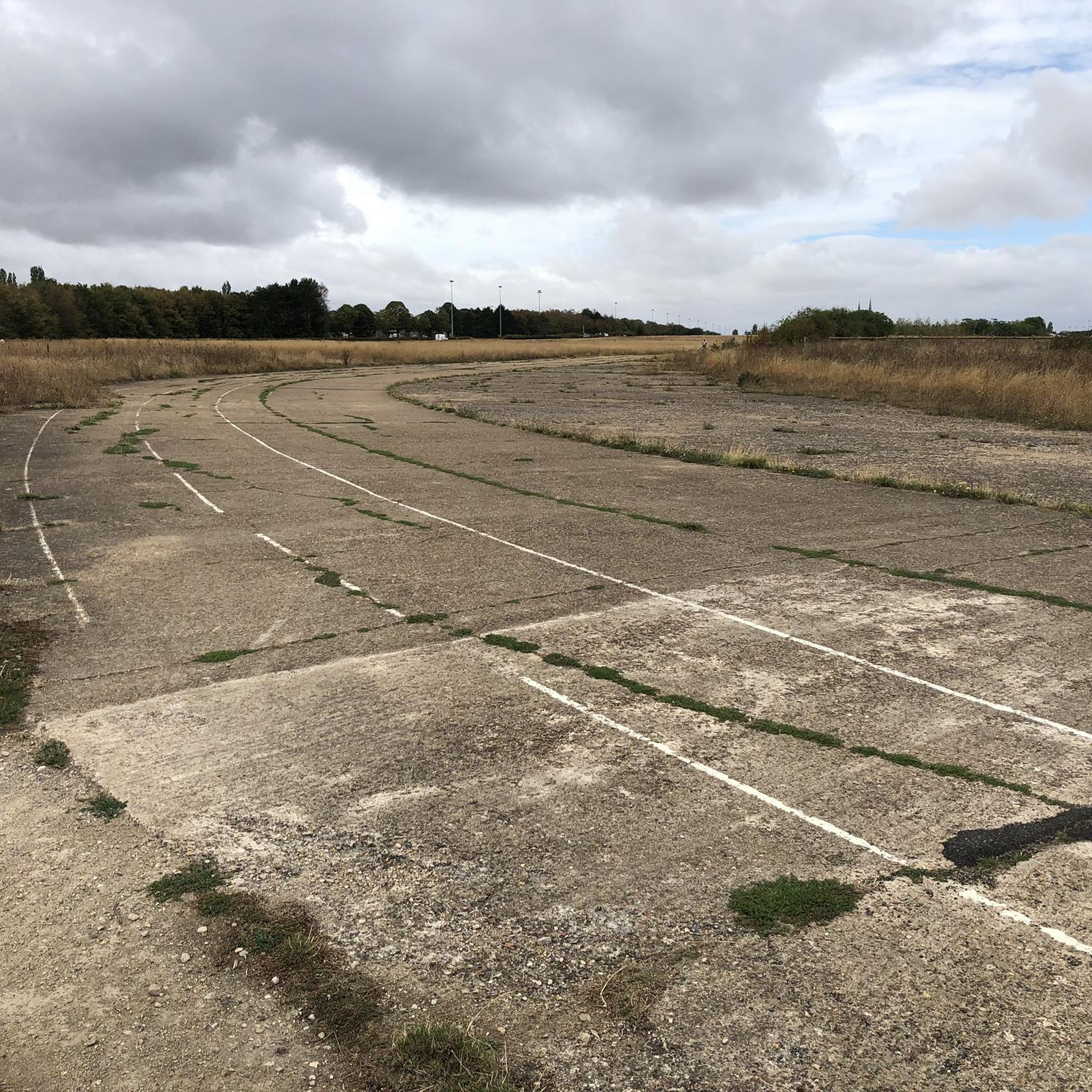
The finish line in Chartres
Highlight (Segment) • Other
Translated by Google •
Tip by

Chartres
Highlight • Settlement
Translated by Google •
Tip by

Sign up now to discover places like this
Get recommendations on the best single tracks, peaks, & plenty of other exciting outdoor places.
Sign up for free
the Guillaume Gate
Highlight • Other
Translated by Google •
Tip by
Pont Rouge on the Louis XIV Canal
Highlight • Bridge
Translated by Google •
Tip by
Saint-Piat Mill
Highlight • Monument
Translated by Google •
Tip by

Sign up for free to discover even more attractions around Champseru.
Sign up for free
Already have an account?
Start today with a free account
Your next adventure awaits.
Login or Signup



Tips from the Community

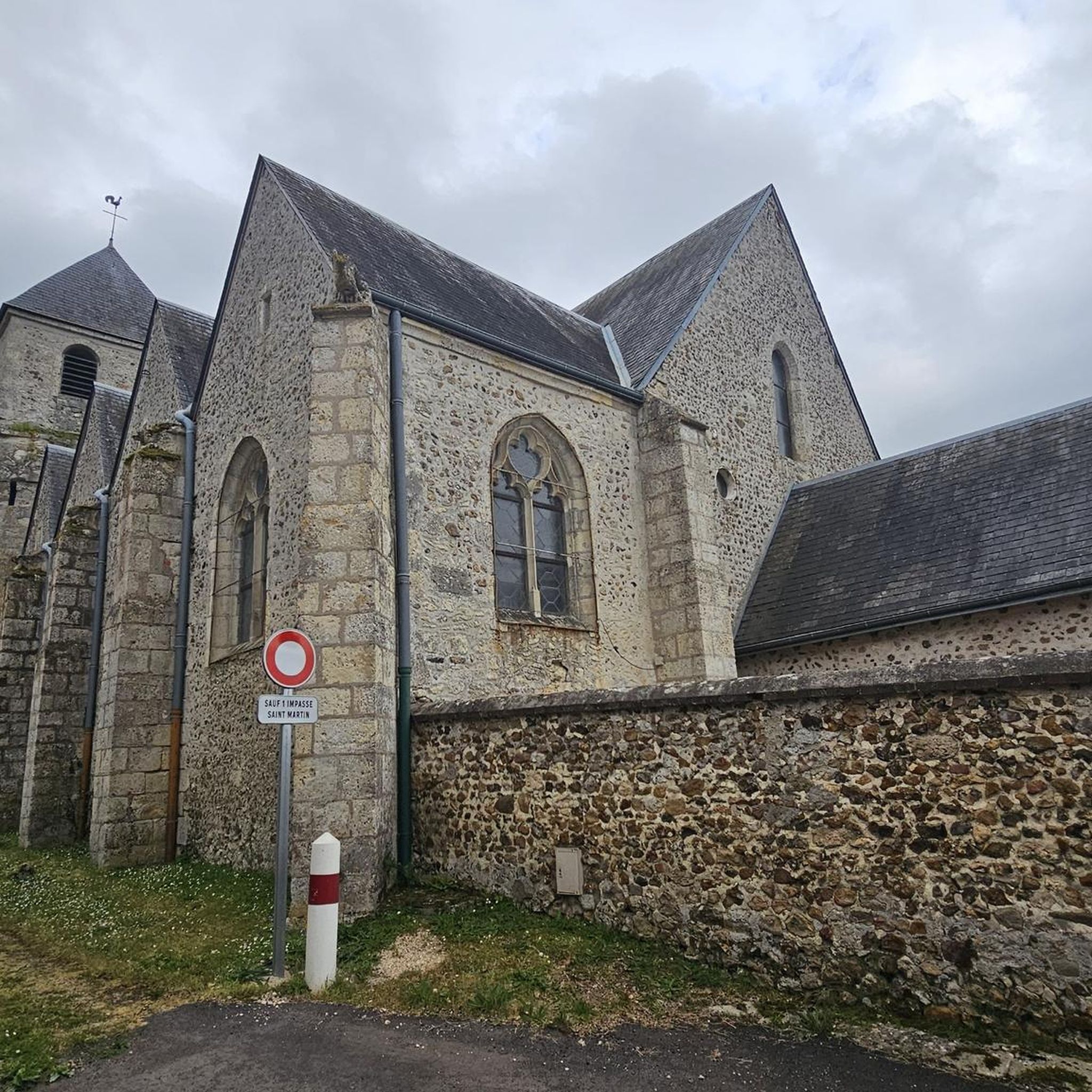
According to tradition, the church choir covers the remains of an older building, possibly dating back to the 6th century, which was built to house the saint's body. According to current knowledge, the commune of Saint-Piat (Sanctus Piatus in Latin) officially appeared in 1087, mentioned in a charter of the Nottonville Priory (Eure-et-Loir), on which it depended. The current building was rebuilt during the time of Francis I, as suggested by the date 1535 engraved on two buttresses of the apse and the date 1542 engraved on a piece of wood from the vault. This is according to a study by the SAEL (Eure-et-Loir Archaeological Society). The three-sided apses, the dripstone towers (horizontal members projecting from a wall), and the sculpted roof structures are a testament to the importance of the reconstructions carried out in the department during the 16th century. The church of Saint-Piat is one of them. While the church has not been officially recognized, it nevertheless contains objects that have attracted attention both for their antiquity and quality, but not always for good reason. Their artistic value, far from attracting only religious or aesthetic interest, has also aroused a covetousness that, unfortunately, remains for some of them. Fortunately, those still in place are carefully cared for and offer the curious a story to discover, a beauty to slowly ponder as they progress toward the choir.
0
0

The current remains are those of the 15th-century gate and its barbican or artillery boulevard. The earliest remains on the site date back to the 1st century, with the remains of an ancient domus, a street, and its wooden gutter. The first Guillaume Gate was built around 1185; a wall can still be seen a little further along Rue de la Porte Guillaume. Source: https://journals.openedition.org/cem/14214?lang=en
0
0

A medieval building has shaped the city's skyline for centuries: the cathedral's two towers reaching towards the sky can be seen from a long way away. This early example of Gothic architecture not only shaped Chartres itself, but was also a model for many other church buildings for a long time, not only in France, but also spread beyond its borders to other countries.
2
0

Too bad it is never indicated the type of bike recommended.
0
0

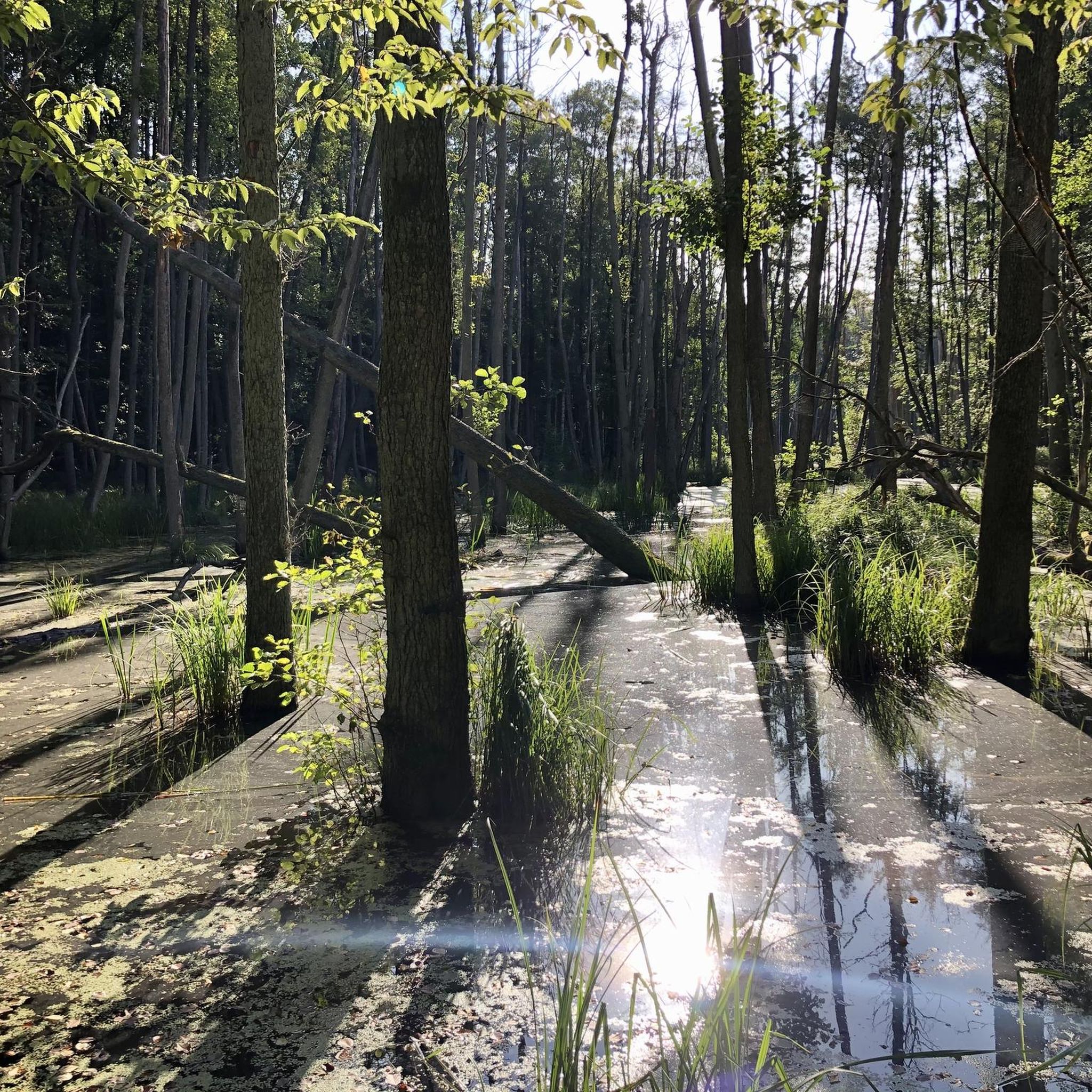
Pleasant 🤗 Nature 🌳🌿 🏞️and especially no 🚗
0
1

The Moulin de Saint-Piat is a water mill located on the Eure and dating from the 11th century where it was once used for the production of flour and the extraction of oil. You can admire the architecture of the mill, which was extended in 1865, and enjoy the view of the river and the nearby church. The mill is also a good place for birdwatching, as you may be able to see herons, kingfishers and ducks along the water.
4
0

Porte Guillaume is an old city gate that was located in the Eure in Chartres. It was destroyed in August 1944 by the retreating German army.
1
0

Pretty mill to contemplate for a refreshing break along the Eure. Its construction is estimated at the 11th century, but its existence is attested only at the end of the 15th century.
1
0
Frequently Asked Questions
What historical landmarks can I visit in Champseru itself?
Within Champseru, the primary historical landmark is the Saint-Martin Church. This edifice dates back to the 12th century, with additions made in the 16th century, and houses a stained-glass window dedicated to Father Jacques-Désiré Laval.
What are some notable historical sites near Champseru?
Champseru serves as a base for exploring the rich history of the wider Eure-et-Loir department. Nearby, you can visit Chartres, home to the famous Chartres Cathedral. Other historical points of interest include the Guillaume Gate in Chartres, dating back to the 15th century, the 17th-century Pont Rouge on the Louis XIV Canal, and the 11th-century Saint-Piat Mill.
Are there family-friendly attractions around Champseru?
Yes, several attractions near Champseru are suitable for families. The Pont Rouge on the Louis XIV Canal is a historical bridge that offers a pleasant setting. The Saint-Piat Mill, an 11th-century water mill, provides an interesting historical stop with views of the river and opportunities for birdwatching.
What kind of outdoor activities can I do near Champseru?
The rural surroundings of Champseru and the Eure-et-Loir department offer various outdoor activities. You can enjoy cycling, mountain biking, and horse riding. The region is also drained by the Vallée aux Loups and other small watercourses, providing opportunities for canoeing on gentle rivers. For specific routes, explore the gravel biking, hiking, and cycling guides around Champseru.
Are there hiking trails available near Champseru?
Yes, there are several hiking trails near Champseru. You can find easy routes like the "Small Lock of the Roguenette – Charles de Gaulle Page Path loop from Gasville-Oisème" (7.3 km) or the "L'Épaule de Gallardon – Garden of ideas loop from Gallardon" (6.5 km). For more options, refer to the hiking guide around Champseru.
What is the best way to experience the natural beauty around Champseru?
To experience the natural beauty, consider exploring the rural landscape by bike or on foot. The greenway along the banks of the Eure, described as a tranquil and preserved access road near Chartres, offers a peaceful route. The area is characterized by its small watercourses and the Vallée aux Loups, providing a glimpse into the region's natural features.
What cultural experiences can I find near Champseru?
For broader cultural experiences, the nearby city of Chartres is a hub. It offers the UNESCO World Heritage Chartres Cathedral, the unique Maison Picassiette, the International Stained-Glass Centre, and the Musée des Beaux-arts. The Eure-et-Loir region is known for its rich heritage and artistic streak, with numerous museums and cultural sites.
What do visitors enjoy most about the attractions near Champseru?
Visitors appreciate the blend of historical significance and tranquil natural settings. For instance, the route known as The finish line in Chartres is praised for being a very pleasant and peaceful access road along the Eure. Chartres itself is loved for its rich history, medieval architecture, and the iconic Notre-Dame Cathedral.
Are there any castles or châteaux to visit in the vicinity of Champseru?
While Champseru itself is a small village, the wider Eure-et-Loir region features historical castles. Notable examples include the Château de Châteaudun and the Château d'Anet, which offer insights into the region's past.
What are some cycling routes available near Champseru?
There are various cycling routes around Champseru, catering to different difficulties. Easy routes include the "Saint-Piat Mill – Maintenon loop from Gallardon" (28.3 km) and the "Lavoir de Soulaires – Saint-Piat Mill loop from Gallardon" (33.2 km). For more options, check the cycling guide around Champseru.
Is Champseru well-connected by public transport to nearby attractions?
Champseru is a small rural commune. While it offers a tranquil village experience, most cultural activities and broader points of interest, such as Chartres, are found in nearby towns. Public transport options directly from Champseru to all attractions may be limited, making a car often the most convenient way to explore the wider region.
Can I find dog-friendly walks near Champseru?
The rural nature of Champseru and its surrounding areas provides opportunities for walks with dogs. Many of the local trails and paths through the countryside are suitable for dog walking. When visiting specific attractions, it's always advisable to check their individual policies regarding pets.
Most popular routes around Champseru

Get inspired with the komoot mobile app


Explore more
Still not found the Highlight you’re looking for? See guides of the top attractions in other regions:
