Attractions and Places To See around Joigny-Sur-Meuse - Top 20
Best attractions and places to see around Joigny-Sur-Meuse include a blend of natural features and historical sites. This tranquil village in the Ardennes department of France is situated along the Meuse River, offering a landscape characterized by winding valleys and dense forests. Visitors can explore prominent rock formations, significant viewpoints, and cultural landmarks within the commune and its vicinity. The region provides opportunities for outdoor activities and historical exploration.
Best attractions and places to see around Joigny-Sur-Meuse
- The most popular…
Last updated: May 9, 2026
Broken Bridge at Bohan
Highlight • Bridge
Translated by Google •
Tip by

Seven O'Clock Rock
Highlight • Other
Translated by Google •
Tip by

Sign up now to discover places like this
Get recommendations on the best single tracks, peaks, & plenty of other exciting outdoor places.
Sign up for free
Place Ducale, Charleville-Mézières
Highlight • Historical Site
Translated by Google •
Tip by

Roche Bayart
Highlight • Natural Monument
Translated by Google •
Tip by
Monument to the Four Sons of Aymon
Highlight • Other
Translated by Google •
Tip by
Sign up for free to discover even more attractions around Joigny-Sur-Meuse.
Sign up for free
Already have an account?
Start today with a free account
Your next adventure awaits.
Login or Signup
Tips from the Community


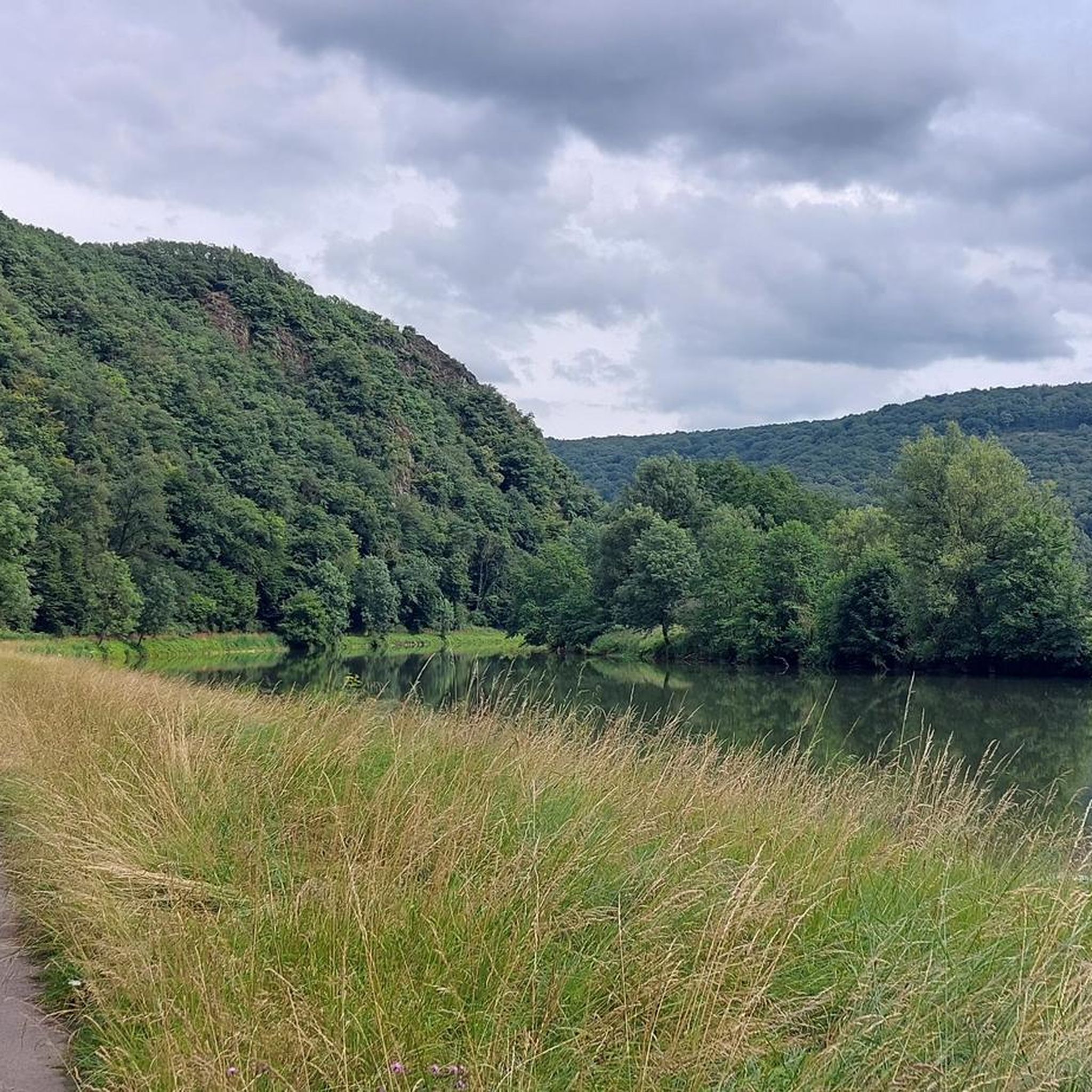
The Roche Bayart is a striking rock formation in the French Ardennes, closely linked to the legend of the Four Sons of Aymon. According to the medieval story, the magical horse Bayard, carrying the four brothers on his back, leaped over the rock, creating a cleft in the stone with a single hoofstroke. The rock is located near the monument to the Four Sons of Aymon and, together with the surrounding peaks, forms a symbolic tribute to these heroes of Carolingian epic. The area is accessible via a hiking trail that leads visitors past the rocks and through the forest, offering panoramic views of the Meuse Valley.
10
2
The legend of the Quatre Fils Aymon is deeply intertwined with the landscape and identity of Bogny-sur-Meuse, where four rocks rise majestically from the Ardennes forest—each symbolizing one of the four brothers: Renaud, Allard, Guichard, and Richard. According to the medieval chanson de geste, the story originates in the 15th century and revolves around the rebellion of Duke Aymon's four sons against Emperor Charlemagne. The conflict begins when Renaud kills Charlemagne's nephew during a game of chess. The brothers flee on their magical horse, Bayard, which can carry the four of them at once, and seek refuge in the Ardennes forests, where they build the castle Montessor—later known as Château-Regnault, a name that lives on in Bogny today. In Bogny-sur-Meuse, this legend is tangible: on the hilltop stands a monument depicting the four brothers and their horse, Bayard, overlooking the Meuse valley. The rock formations and surrounding path provide a living backdrop to this age-old story, which is still told and celebrated today.
11
1

It's very beautiful... but the second half is a lot of climbing and scrambling, quite tough.
4
0
The bright colors of the local materials can be seen on the facades that were previously painted: yellow for the natural stone from Dom-le-Mesnil, red for the bricks and purple-white for the Ardennes slate. The whole falls under monument protection.
9
0
Place Ducale is the central and historic main square of Charleville, the northern part of Charleville-Mézières. The square is a copy of the Place des Vosges, the oldest square in Paris. The only big difference is that the square in Paris was designed by Louis Métezeau and that of Charleville by Clément Métezeau, so brothers. The square is a feast for the eyes with 28 monumental buildings, built in the same Baroque style. In the center of the square there is a fountain and a classic merry-go-round. The Place Ducale became the beating heart of the city and still is. The symmetrical lines, the chessboard pattern, the arcades and the facades in red and yellow stone now regularly form the backdrop to events for which the city is known. The square was founded by its ambitious founder, the Italian prince Charles de Gonzague, who had a completely new city built in the 17th century. The square is 126 by 90 meters and the current buildings on the edge of the square all date from the 17th century.
9
0

The Pont Cassé de Bohan, emblem of the Ardennes village, spans the Semois and formerly supported a tram line. Dynamized and rebuilt during the Second World War, it was definitively destroyed by the Germans in 1944. Used for only two years, it lost its utilitarian function but remains a safe place to walk and a symbol dear to the Bohanais. This bridge is often photographed and features on many local logos.
2
0

Place Ducale in Charleville-Mézières is the nerve center of the city. Built at the beginning of the 17th century, this square has a decor similar to the Place des Vosges in Paris. In fact, it was two architect brothers, Louis and Clément Métezeau, who designed these places with their unique charms. Surrounded by pavilions and arcades, the square today brings together tourists and locals to café terraces.
3
0
Frequently Asked Questions
What natural landmarks and viewpoints can I explore in Joigny-sur-Meuse?
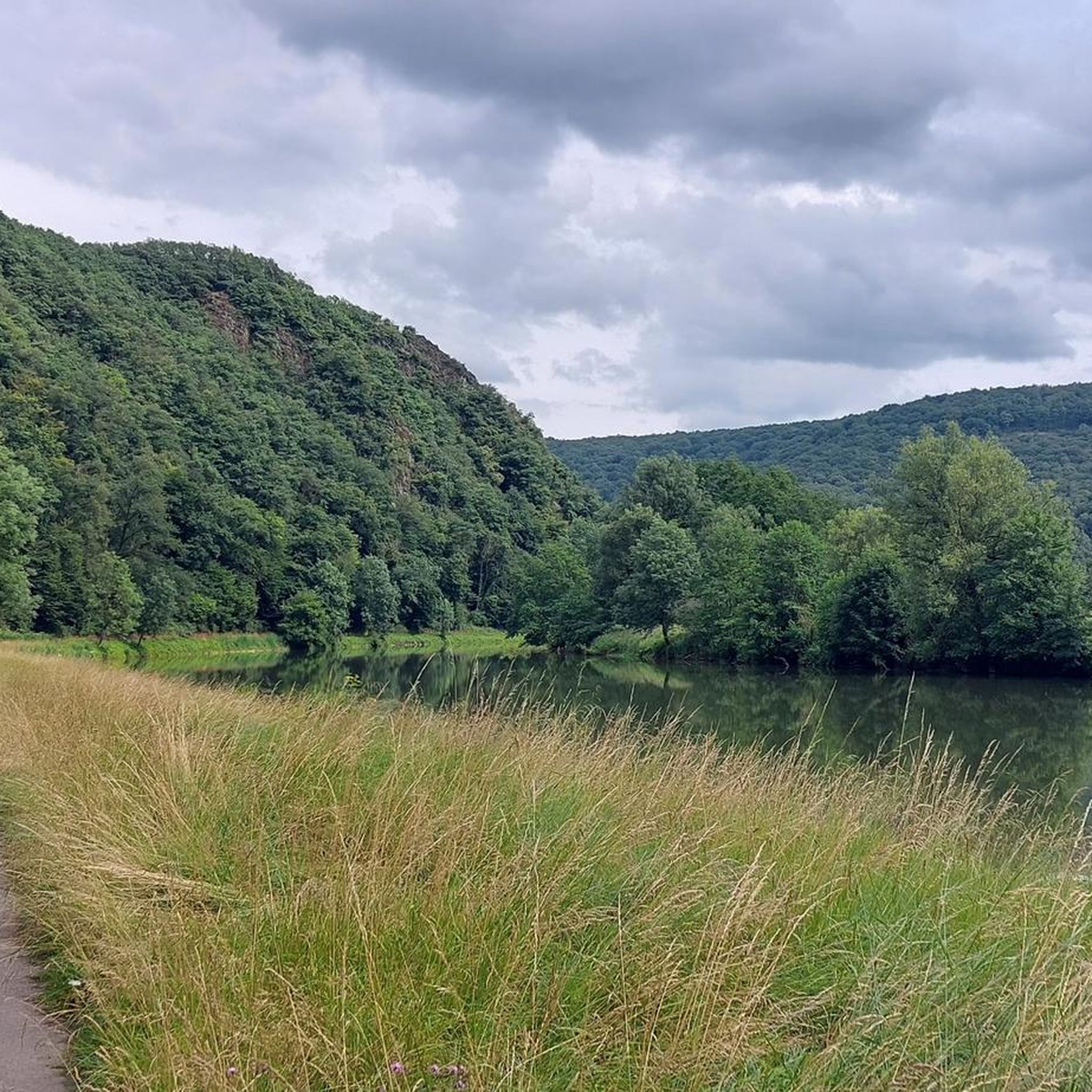
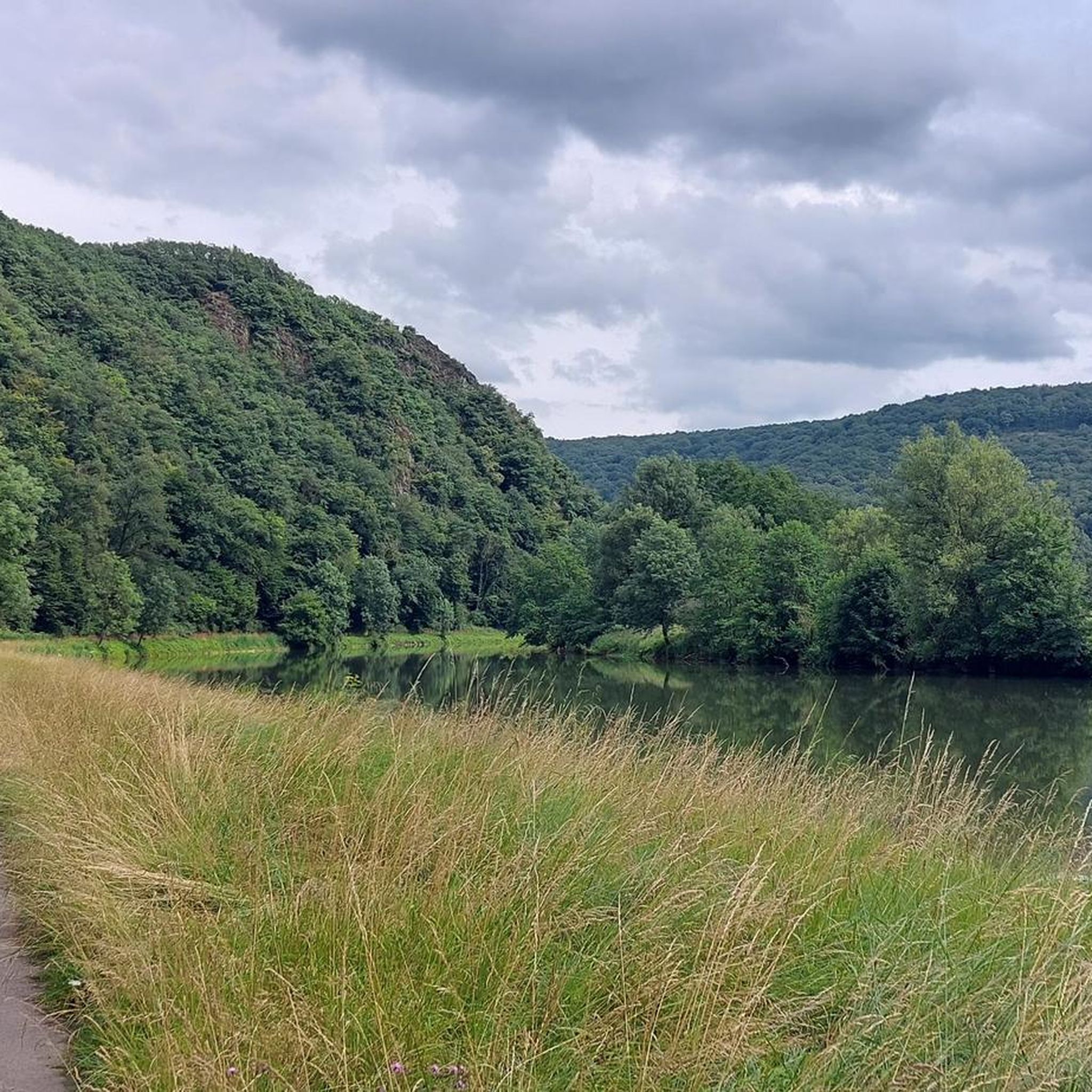
Joigny-sur-Meuse is rich in natural beauty. You can visit the dramatic Rochers des Grands Ducs, which offer exceptional panoramic views over the village and the Meuse River. Another significant natural viewpoint is Seven O'Clock Rock (La Roche à Sept Heures), known for its magnificent views of the river loop. Additionally, Roche Bayart provides impressive views of the Meuse bends and Monthermé, and is linked to local legends.
Are there any historical or cultural sites to visit in Joigny-sur-Meuse?
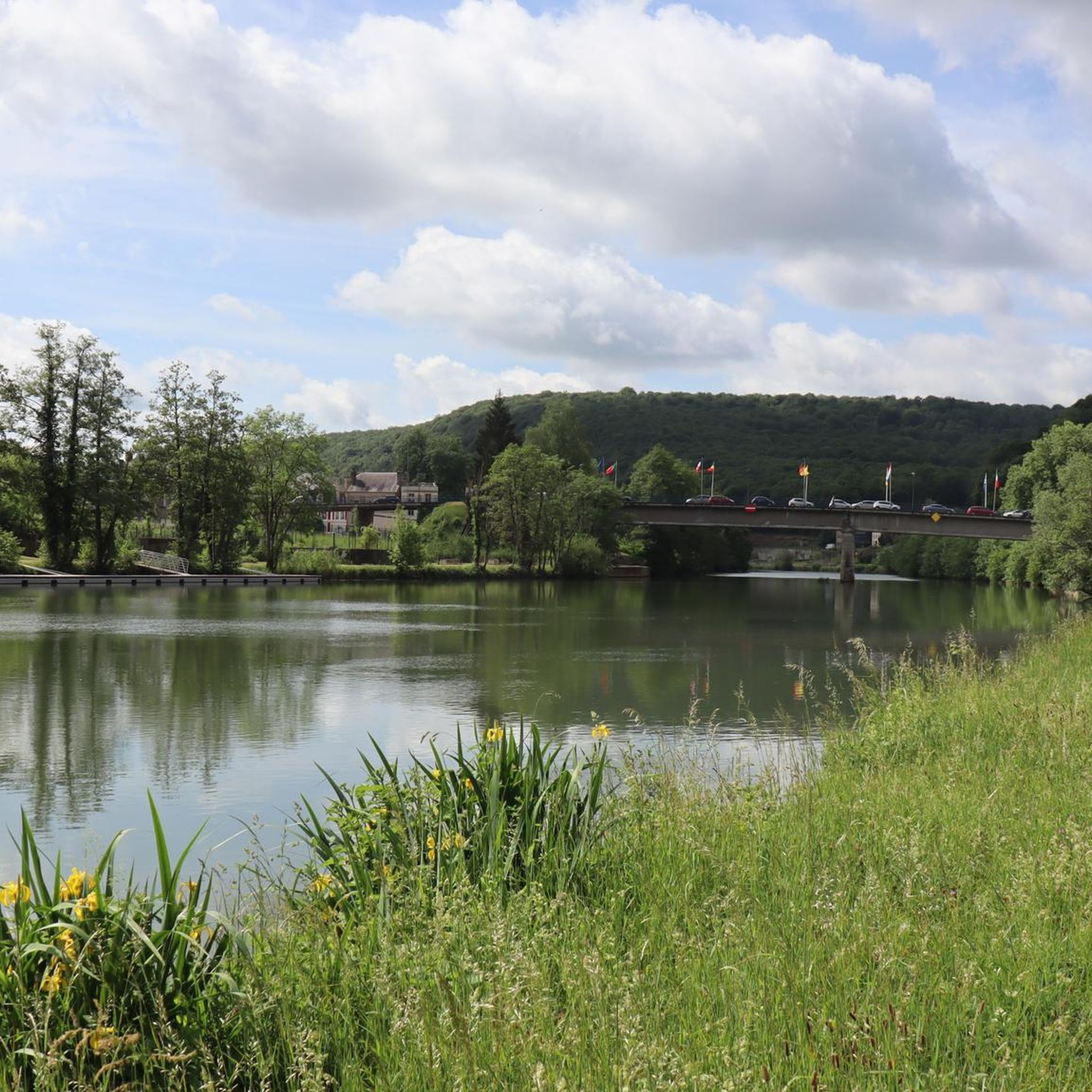
Within Joigny-sur-Meuse, you can find the Église paroissiale dédiée à sainte Anne, a notable religious site. The village also has a historical context tied to the chapter of Saint-Lambert de Liège. For those arriving by water, the Mooring Station (Halte fluviale) at the foot of the Grands Ducs site offers a glimpse into the local river life and history.
What outdoor activities are popular around Joigny-sur-Meuse?
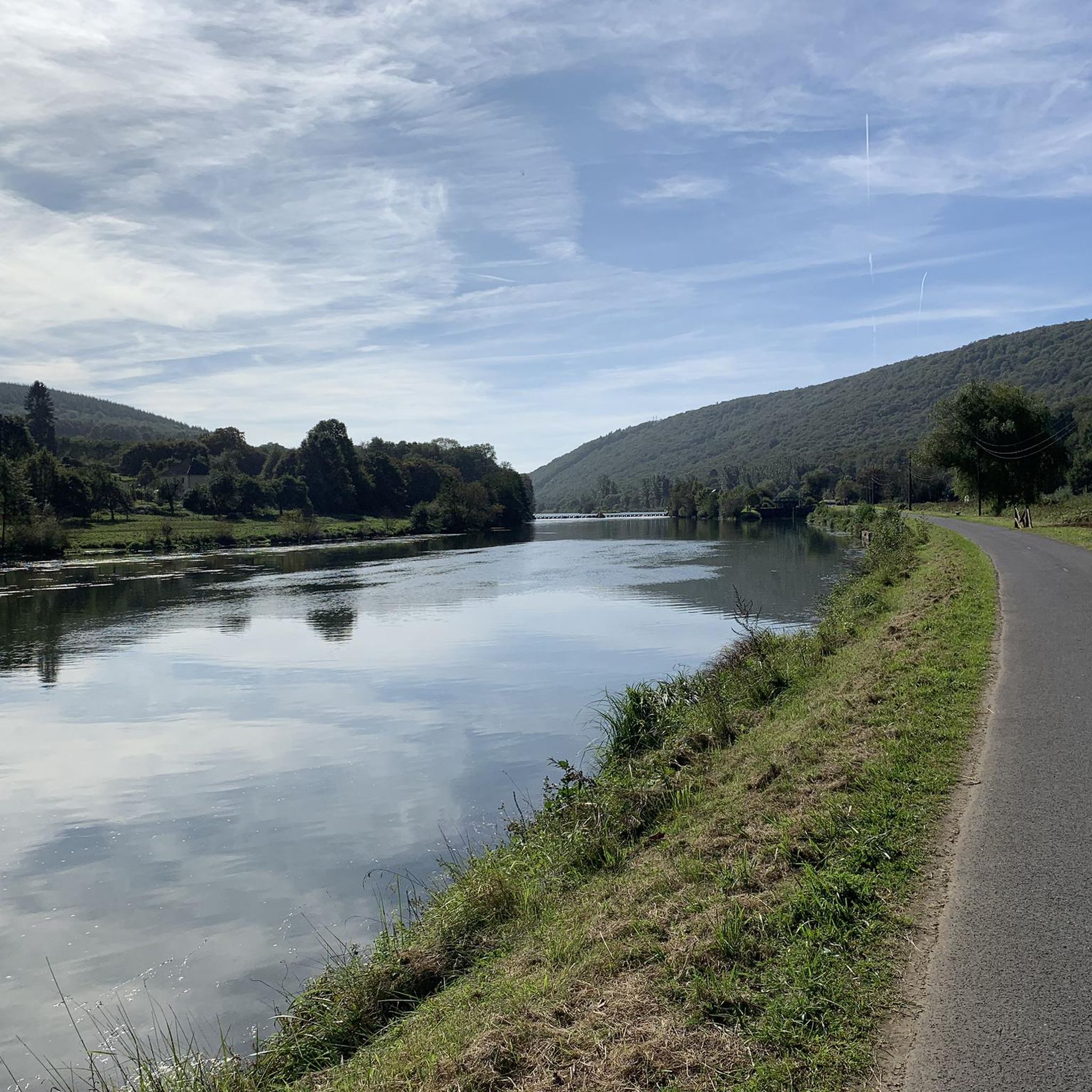
The region around Joigny-sur-Meuse is ideal for outdoor enthusiasts. You can enjoy hiking and walking through the dense forests and hilly landscapes. The Meuse River also offers pleasant fishing opportunities. For cyclists, the "Meuse by bike / EuroVelo 19" route passes through the area. You can find various cycling routes, including touring, gravel, and road cycling options, by exploring guides like Cycling around Joigny-Sur-Meuse or Gravel biking around Joigny-Sur-Meuse.
Are there family-friendly attractions or activities in the area?
Many of the natural attractions, such as the scenic viewpoints and forest walks, are suitable for families. The Broken Bridge at Bohan is also considered family-friendly, offering a safe place to walk and explore a historical site. The nearby city of Charleville-Mézières, with its Place Ducale, provides a pleasant environment for families to stroll and enjoy cafes.
What is the best time to visit Joigny-sur-Meuse for outdoor activities?
The period from April to October is generally ideal for visiting Joigny-sur-Meuse, especially for outdoor activities. During these months, the weather is typically pleasant for hiking, cycling, and enjoying the river. The Mooring Station for boats is also operational from April to October, indicating favorable conditions for water-based activities.
Can I find hiking trails with good views near Joigny-sur-Meuse?
Yes, the area offers several hiking trails with excellent views. The trails leading to the Rochers des Grands Ducs and Seven O'Clock Rock provide stunning panoramic vistas of the Meuse Valley. The hiking trail around Roche Bayart also offers impressive views of the Meuse bends and Monthermé.
What are some notable places to visit in the vicinity of Joigny-sur-Meuse?
Beyond Joigny-sur-Meuse, you can explore Charleville-Mézières, approximately 8 km away, home to the historic Place Ducale and the Musée Rimbaud. Other recommended nearby towns include Monthermé (6 km) and Rocroi (20 km). These areas offer additional attractions and cultural experiences.
Are there any markets in or near Joigny-sur-Meuse?
While Joigny-sur-Meuse itself is a tranquil village, several nearby towns host vibrant markets throughout the week. You can find markets in Charleville-Mézières (8 km), Vrigne-Aux-Bois (13 km), and Revin (14 km), offering local produce and goods.
What is the significance of the Broken Bridge at Bohan?
The Broken Bridge at Bohan is a symbolic site that spans the Semois River. It was part of an old tram line and was destroyed during the Second World War, remaining a poignant reminder of the region's history. It's a popular spot for walks and photography.
Is Joigny-sur-Meuse accessible by public transport to its attractions?
The region's natural beauty is best explored by car or bicycle, especially for reaching some of the more remote viewpoints and hiking trailheads. While specific public transport details for each attraction are not provided, the Mooring Station offers access for boaters, and the "Meuse by bike / EuroVelo 19" route provides a cycling option through the valley.
What kind of wildlife can I expect to see in the Joigny-sur-Meuse region?
The dense forests and the Meuse Valley around Joigny-sur-Meuse provide a habitat for various wildlife. While specific species are not detailed, the region's natural environment, characterized by oak, birch, and beech trees, supports a diverse ecosystem, offering opportunities for observing local flora and fauna during walks and hikes.
Where can I find information about cycling routes in the area?
Komoot offers several guides for cycling around Joigny-sur-Meuse. You can explore routes for different types of cycling, such as Touring Bicycle routes, Gravel Biking routes, and Road Cycling Routes. These guides provide details on distances and difficulty levels for various tours.
Most popular routes around Joigny-Sur-Meuse
Most popular attractions around Joigny-Sur-Meuse

Get inspired with the komoot mobile app


Explore more
Still not found the Highlight you’re looking for? See guides of the top attractions in other regions:
