The best mountain hikes around Brissago
4.8
(12)
71
hikers
10
hikes
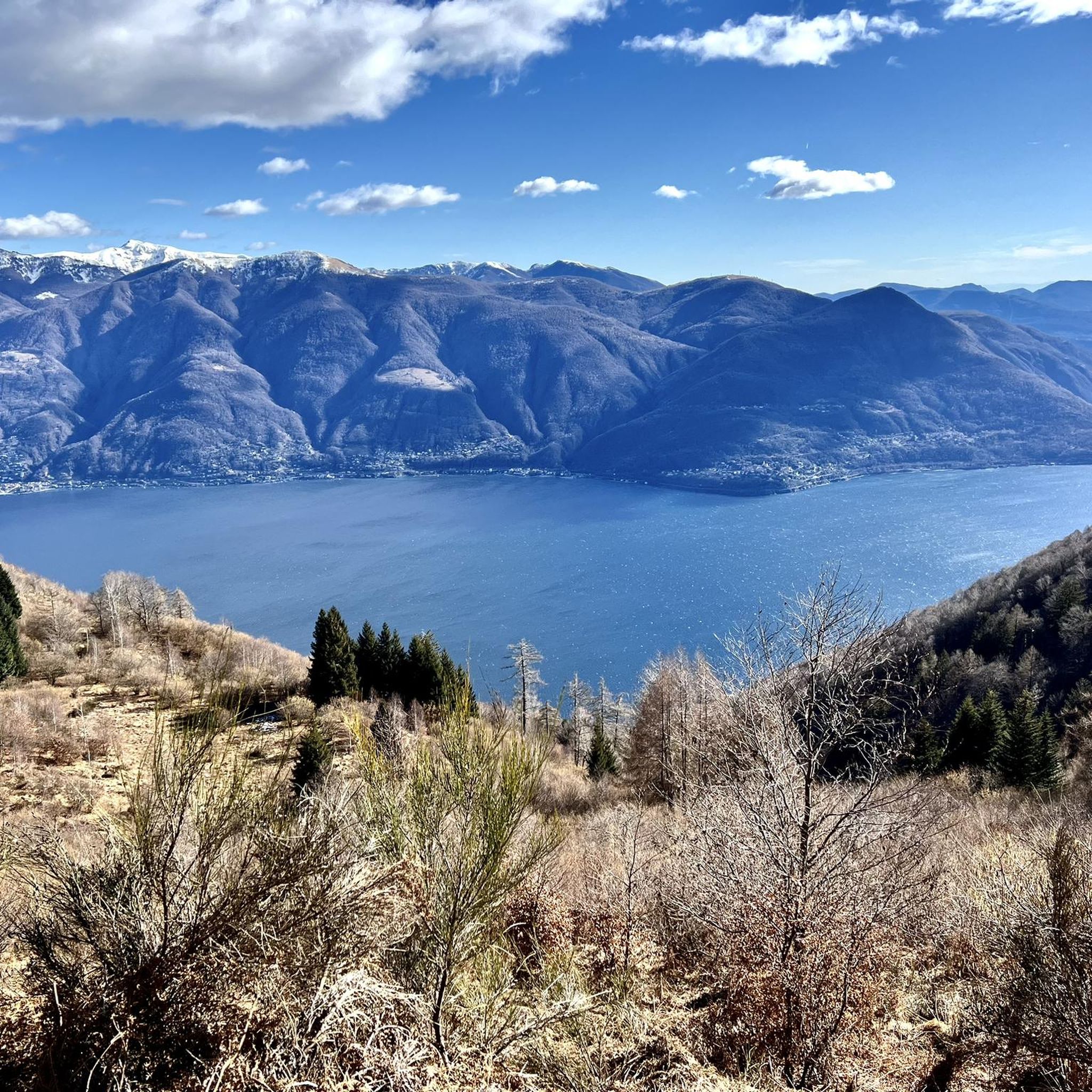
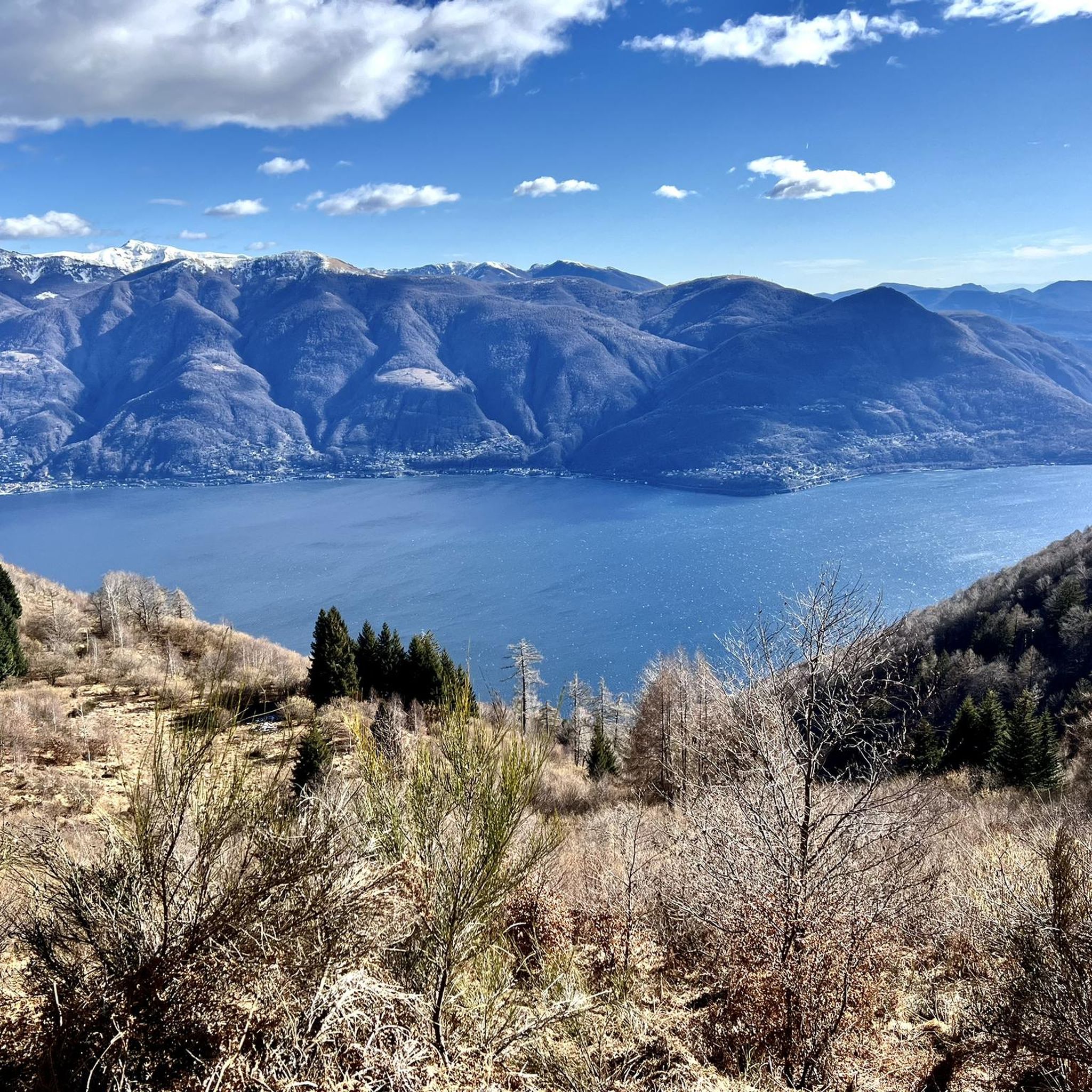
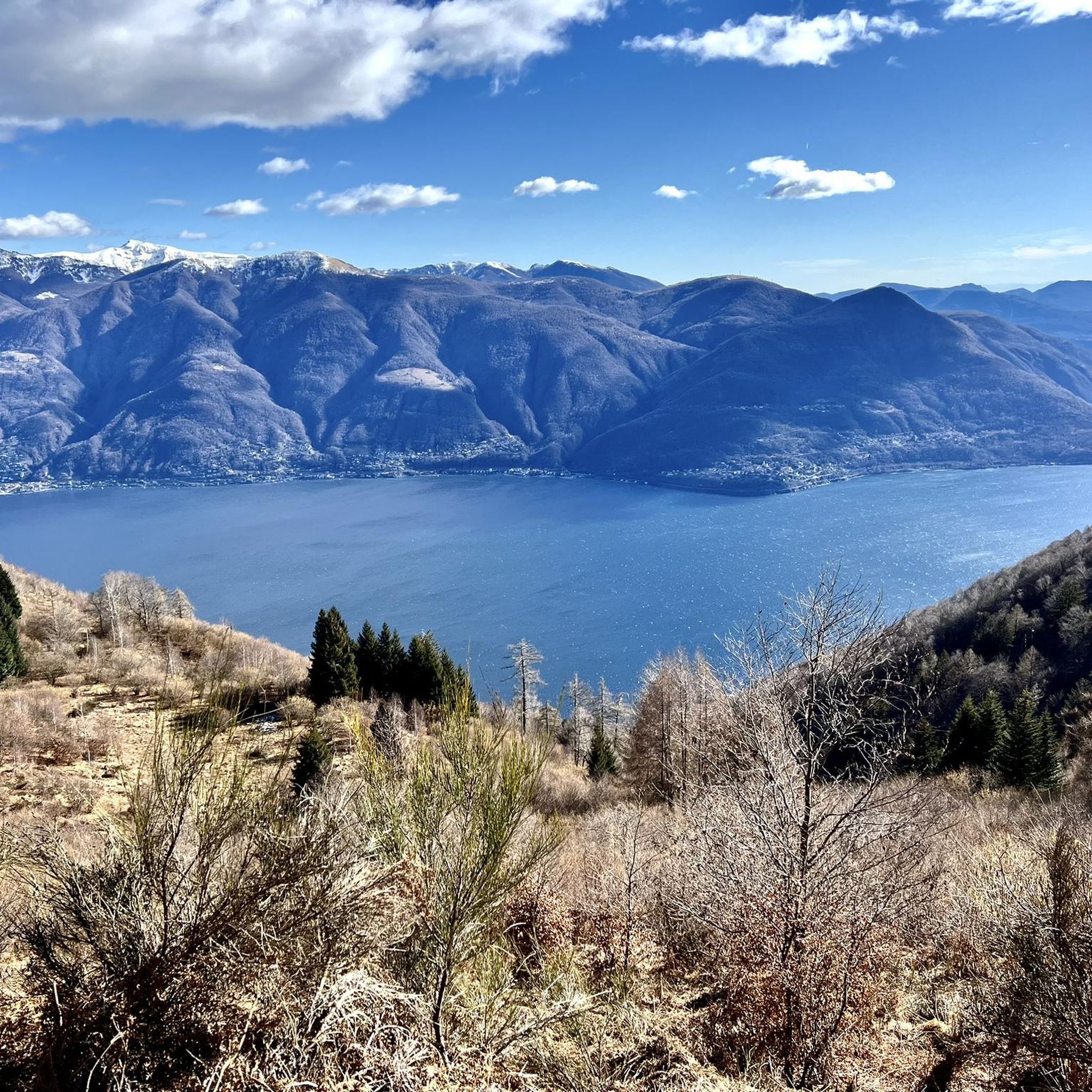
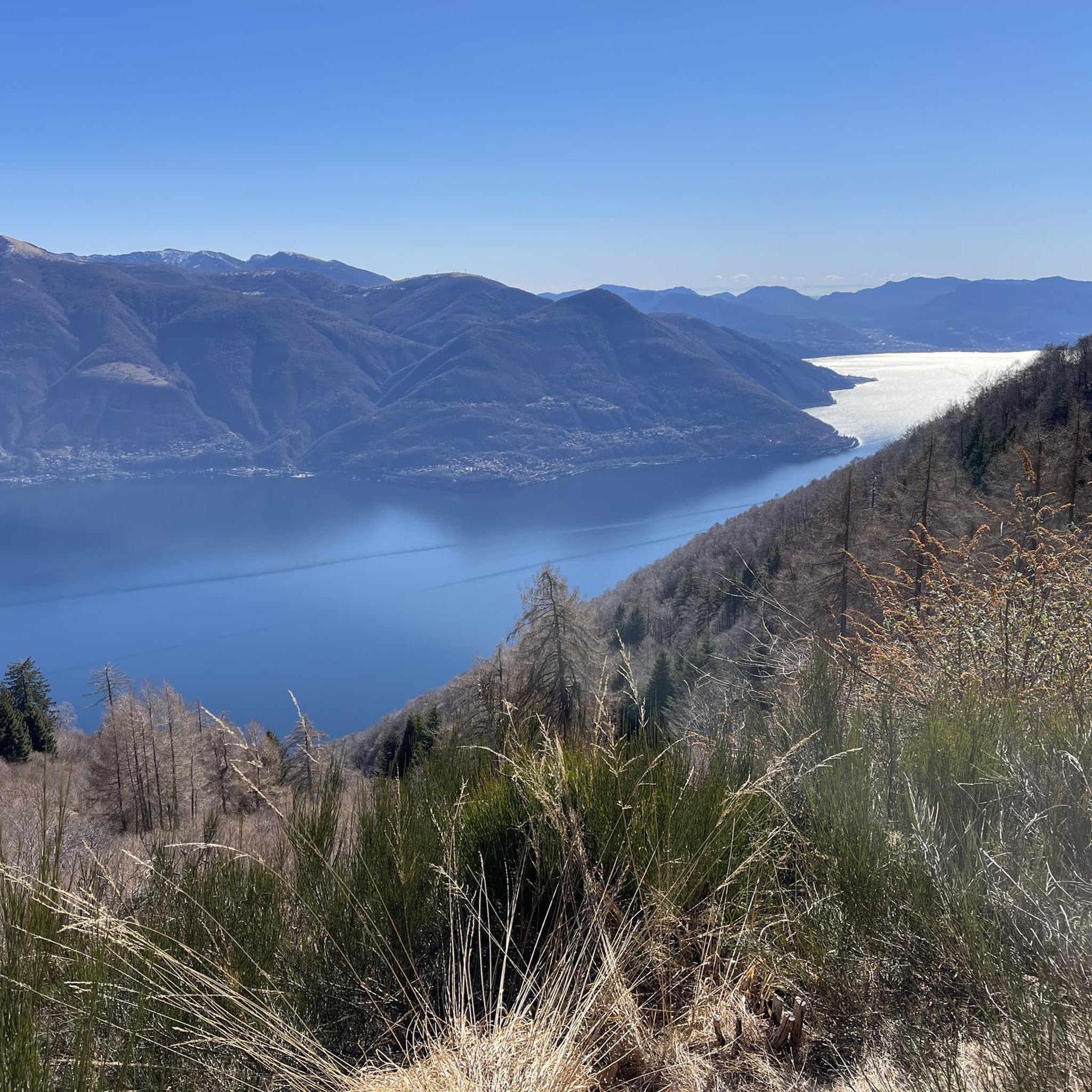
Mountaineering around Brissago, Switzerland, transitions from the mild microclimate of Lake Maggiore to rugged alpine terrain. The region features significant elevation gains from the lakeside, leading to prominent peaks and deep valleys. This landscape offers a diverse range of natural features, from lush subtropical vegetation near the water to challenging mountain environments. The area is characterized by its dramatic topography, providing varied terrain for mountaineering.
Best mountaineering routes around Brissago
- The most popular mountaineering route is Monte Limidario Summit (2,189…
Last updated: October 1, 2026
4.5
(2)
16
hikers
11.5km
06:28
1,090m
1,080m
Hard mountaineering route. Very good fitness required. Sure-footedness, sturdy shoes and alpine experience required.
4.5
(2)
16
hikers
14.9km
06:25
1,060m
1,060m
Hard mountaineering route. Very good fitness required. Sure-footedness, sturdy shoes and alpine experience required.

5.0
(2)
9
hikers
13.6km
07:17
1,220m
1,220m
Hard mountaineering route. Very good fitness required. Sure-footedness, sturdy shoes and alpine experience required.
5.0
(2)
10
hikers
12.4km
06:47
1,200m
1,200m
Hard mountaineering route. Very good fitness required. Sure-footedness, sturdy shoes and alpine experience required.
5.0
(3)
6
hikers
13.5km
07:09
1,310m
1,310m
Hard mountaineering route. Very good fitness required. Sure-footedness, sturdy shoes and alpine experience required.
Get access to more routes and recommendations from other explorers.
Already have an account?
Our route recommendations are based on thousands of hikes, rides, and runs completed by other people on komoot.
Start today with a free account
Your next adventure awaits.
Tips from the Community


Dancing Bridge by name and by nature. Very safe, however.
0
0

I hiked the route from Cannobio today. Breakfast in St. Agatha, then the church of St. Luca, Alpe Marcalone, and then up to the summit. The rocky, stepped climb is rewarded with a magnificent view. It's deeply relaxing. It's recommended to use hiking poles for support, though, as there are many loose stones and large steps. It was almost 1,100 meters in elevation, and I'm 64.
1
0

Beautiful place and nature, fantastic view on Lake Maggiore, regular and very nice uphill path to the refuge.
0
0

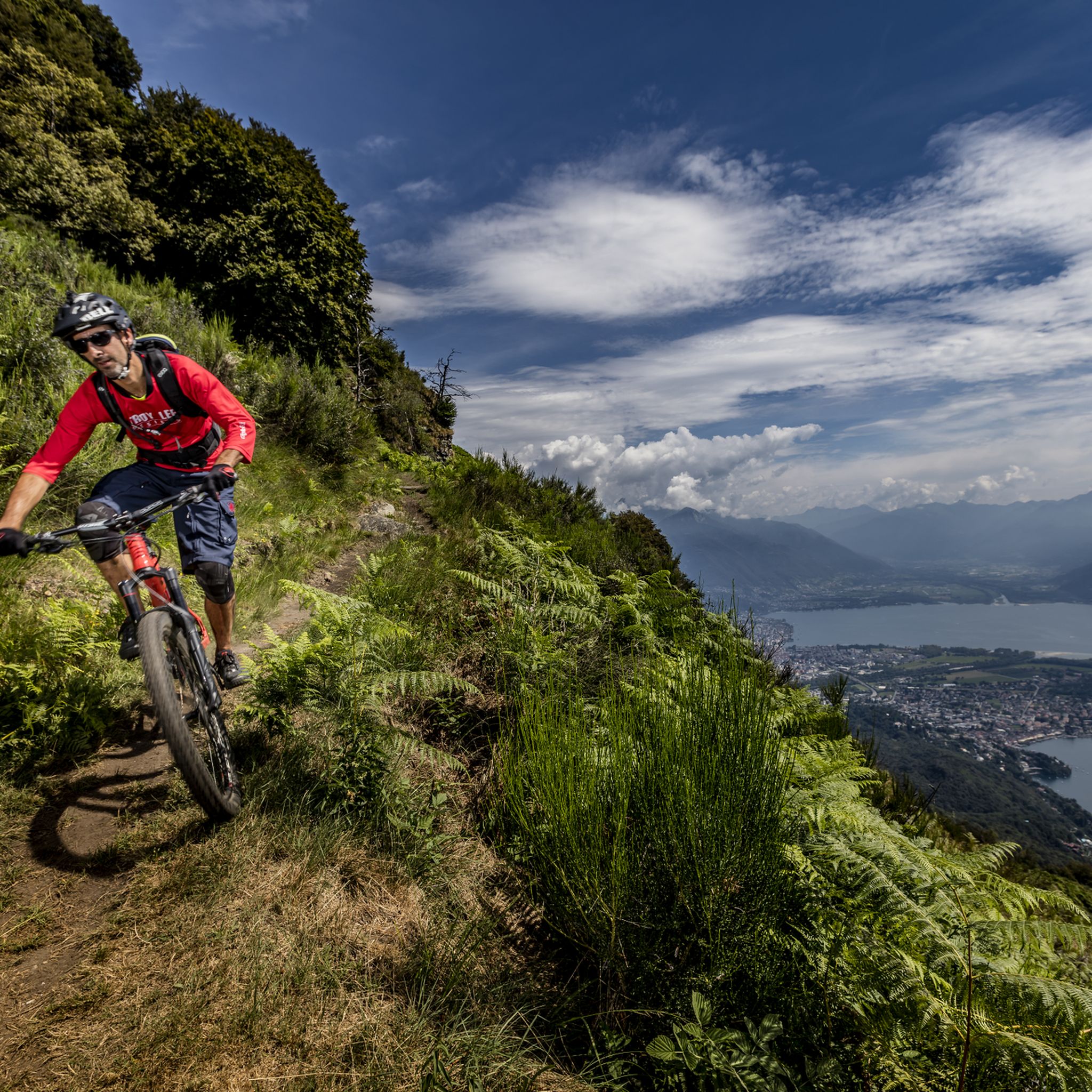
It's definitely worth stopping by. The ham and cheese platters are delicious, and then you can enjoy the magnificent view. We cycled up on our mountain bikes; with battery support, it's manageable, but without it, it's quite challenging. At the beginning of April 2025, the hut was open from 11:30 a.m. to 4:30 p.m.
0
0

Capanna Al Legn is an Alpine refuge located at 1,802 meters above sea level on the slopes of Gridone, above Brissago, in the Canton of Ticino. Inaugurated in 1995, the modern structure is spread over three floors and offers 12 beds, a kitchen equipped with wood and gas stoves, hot and cold water, toilets and a shower. The hut is accessible all year round via paths that start from the Brissago mountains, with a travel time of about two hours. From its panoramic position, you can enjoy a breathtaking view of Lake Maggiore and the Brissago Islands. The use of a sleeping bag is mandatory, available on site at a cost of CHF 7. For information and reservations, you can contact the number +41 79 823 98 07.
2
1

Nice panoramic point with access on two sides. Not easy to cycle due to the high erosion of the path that has created a single large canal
0
0

San Bartolomeo in Montibus stands alone halfway between Cinzago and Formine. If you are climbing from Cinzago towards Formine, you can take a break here: from this point on the path is all downhill. The church, with a Latin cross plan, houses precious 16th-century paintings. Due to its isolated position, surrounded by pastures and mountain pastures, it was a place of worship dedicated to the farmers and shepherds of the area. Every year, in August, the community of the nearby villages organizes the Feast of San Bartolomeo. Next to the church is a small cemetery.
0
0
Frequently Asked Questions
What types of mountaineering routes are available around Brissago?
Brissago offers a diverse range of mountaineering routes, transitioning from the mild microclimate of Lake Maggiore to rugged alpine terrain. You'll find options ranging from moderate to difficult, with significant elevation gains. For example, the Pizzo Leone loop from Ronco sopra Ascona is a moderate 5.2-mile trail through wooded areas, while the Monte Limidario Summit (2,189 m) loop from Bosco Sacro di Mergugno is a difficult 6.9-mile route ascending to a prominent summit.
Are there any circular mountaineering routes in the Brissago area?
Yes, several mountaineering routes around Brissago are circular, allowing you to start and end at the same point. A popular option is the Monte Limidario Summit (2,189 m) – View of Lake Maggiore loop from San Bartolomeo, an 8.3-mile difficult path offering panoramic views. Another is the Cruit – Al Legn Hut loop from San Bartolomeo, a challenging 7.6-mile route that passes by the Rifugio al Legn.
What are the best times of year for mountaineering in Brissago?
The region benefits from a mild Mediterranean climate near Lake Maggiore, but as you ascend into the alpine foothills, seasonal considerations become more important. Generally, late spring through early autumn (May to October) offers the most favorable conditions for high-altitude mountaineering, with less snow and more stable weather. Winter mountaineering is possible but requires specific gear and awareness of snow conditions.
Can I find family-friendly mountaineering options around Brissago?
While many routes involve significant elevation and challenging terrain, some areas offer more accessible paths that families might enjoy. The region's diverse trails include options that are less strenuous, particularly around the lower elevations and near the lake. For specific family-friendly recommendations, it's best to check individual route descriptions for difficulty and duration.
Are there any waterfalls or natural monuments to see along the routes?
Yes, the Brissago area is rich in natural beauty. You can find stunning waterfalls like the Parco dei Mulini (Mill Park) and Waterfalls of Borgnone or the Cascata di Trarego. Natural monuments include the impressive Church of Sant'Anna and Medieval Bridge, Sant'Anna Gorge. Many routes also offer views of prominent peaks like Monte Gambarogno.
What do other mountaineers enjoy most about the routes in Brissago?
The mountaineering routes in Brissago are highly rated by the komoot community, with an average score of 4.8 stars from over 10 reviews. Reviewers often praise the dramatic transition from lush lakeside vegetation to rugged alpine terrain, the significant elevation gains, and the breathtaking panoramic views of Lake Maggiore and the surrounding Alps from summits like Monte Limidario and Pizzo Leone.
Are there less crowded mountaineering routes available near Brissago?
While popular peaks like Pizzo Leone and Monte Limidario attract many, the extensive network of trails in the alpine foothills and valleys around Brissago means you can often find quieter paths. Exploring routes that venture deeper into the Verzasca and Maggia valleys, or less-traveled ascents, can offer a more secluded experience. The Mountaineering loop from Tegna is a moderate option that might offer a different perspective.
What are the public transport options for reaching trailheads in Brissago?
Brissago is well-connected, and public transport can often get you close to various trailheads. The region has bus services that connect the lakeside towns with villages higher up in the valleys, which can serve as starting points for mountaineering routes. For specific routes, it's advisable to check local bus schedules to plan your access to the desired trailhead.
Where can I find parking near mountaineering trailheads in Brissago?
Parking availability varies by trailhead. In larger villages or towns like Brissago itself, you'll find designated parking areas, often paid. For trailheads in more remote locations or smaller hamlets, parking might be limited to small, informal spots. It's recommended to research specific trailhead parking options in advance, especially during peak season, to ensure a smooth start to your mountaineering trip.
Are there any mountain huts or refuges along the mountaineering routes?
Yes, for longer or more challenging routes, you may find mountain huts. The Cruit – Al Legn Hut loop from San Bartolomeo, for instance, passes by the Rifugio al Legn. This refuge, situated at 1,802 meters on the slopes of Gridone, offers stunning 180-degree views of Lake Maggiore and can serve as a base or stopover for mountaineers.
What kind of gear is recommended for mountaineering in Brissago?
Given the transition from mild lakeside to rugged alpine terrain, appropriate gear is crucial. For moderate routes, sturdy hiking boots, layers of clothing, rain gear, and sufficient water are essential. For difficult mountaineering routes, especially those with significant elevation or technical sections, you should consider specialized mountaineering boots, trekking poles, navigation tools, and potentially a helmet, depending on the specific route's exposure and rockfall risk. Always check the weather forecast before heading out.
Are there any unique natural features to look out for in the Brissago region?
Absolutely. Brissago is known for its unique microclimate, influenced by Lake Maggiore, which allows subtropical plants to flourish. The Brissago Islands, home to a renowned botanical garden, exemplify this. As you ascend, you'll experience a dramatic shift to alpine landscapes, offering a striking contrast between lush vegetation and rugged peaks.
Most popular routes around Brissago
Most popular attractions around Brissago

Get inspired with the komoot mobile app


Explore more
Browse the best Mountain Hikes & Routes in other regions.
