Attractions and Places To See around Quarré-Les-Tombes - Top 20
Attractions and places to see around Quarré-Les-Tombes are found within the Morvan Regional Natural Park, offering a blend of historical sites and natural landscapes. The area is characterized by its forests, hills, and unique geological formations. Quarré-Les-Tombes is known for its ancient Merovingian sarcophagi and its position as a gateway to the Morvan's diverse outdoor opportunities. The region provides a setting for exploring both cultural heritage and natural features.
Best attractions and places to see around Quarré-Les-Tombes
- The most popular attractions is Lake Saint-Agnan, a lake that is one of the last dams built in the Morvan regional natural park. It offers passages for pedaling at the water's edge, where the water can display turquoise colors.
- Another must-see spot is Chevresse Dolmen, a natural granite chaos. This site, located in the national forest of Breuil Chenue, is a natural formation resulting from the erosion of surrounding rocks, despite its classification as a dolmen.
- Visitors also love Morvan Regional Park Visitor Centre, which offers a preserved setting near Étang Taureau. It provides discovery trails, a heritage orchard, and a botanical garden, serving as a stop for exploring the Morvan region.
- Quarré-Les-Tombes is known for its historical landmarks, natural rock formations, and serene lakes. The area provides a variety of attractions to see and explore, from ancient sites to visitor centers.
- The attractions around Quarré-Les-Tombes are appreciated by the komoot community, with 28 upvotes and 15 photos shared across the highlights.
Last updated: May 10, 2026
Morvan Regional Park Visitor Centre
Highlight • Other
Translated by Google •
Tip by

Chevresse Dolmen
Highlight • Other
Translated by Google •
Tip by

Sign up now to discover places like this
Get recommendations on the best single tracks, peaks, & plenty of other exciting outdoor places.
Sign up for free
La Pierre-qui-Vire Abbey
Highlight • Other
With its modern, clean lines, the abbey stands out. The community of monks who still live there make excellent cheeses. A word to the wise, gourmets.
Translated by Google •
Tip by

Moulin Cadoux
Highlight • Monument
Translated by Google •
Tip by
Crescent Dam
Highlight • Monument
The road across it is narrow and only allows passage for one vehicle. Fortunately, there is very little traffic.
Translated by Google •
Tip by

Sign up for free to discover even more attractions around Quarré-Les-Tombes.
Sign up for free
Already have an account?
Start today with a free account
Your next adventure awaits.
Login or Signup
Popular around Quarré-Les-Tombes
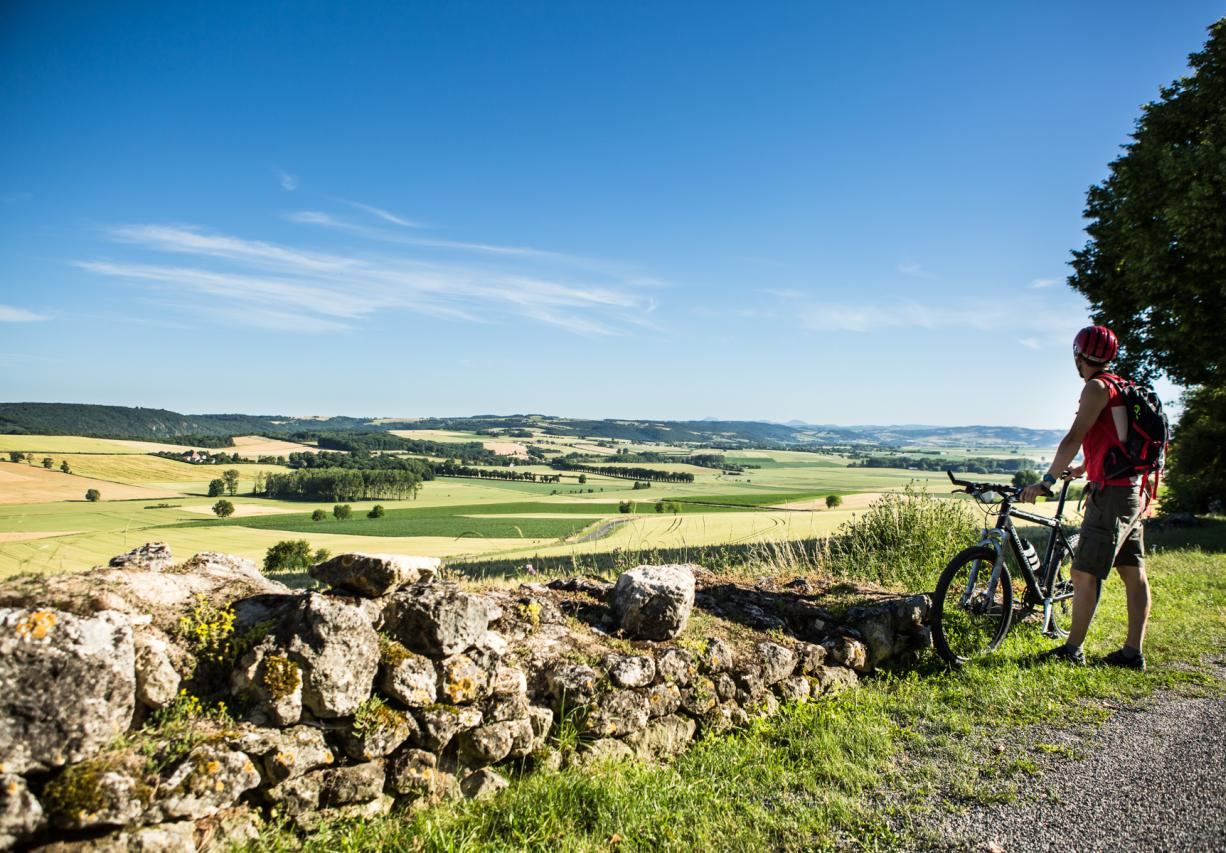
The Grande traversée du Massif Central by gravel bike
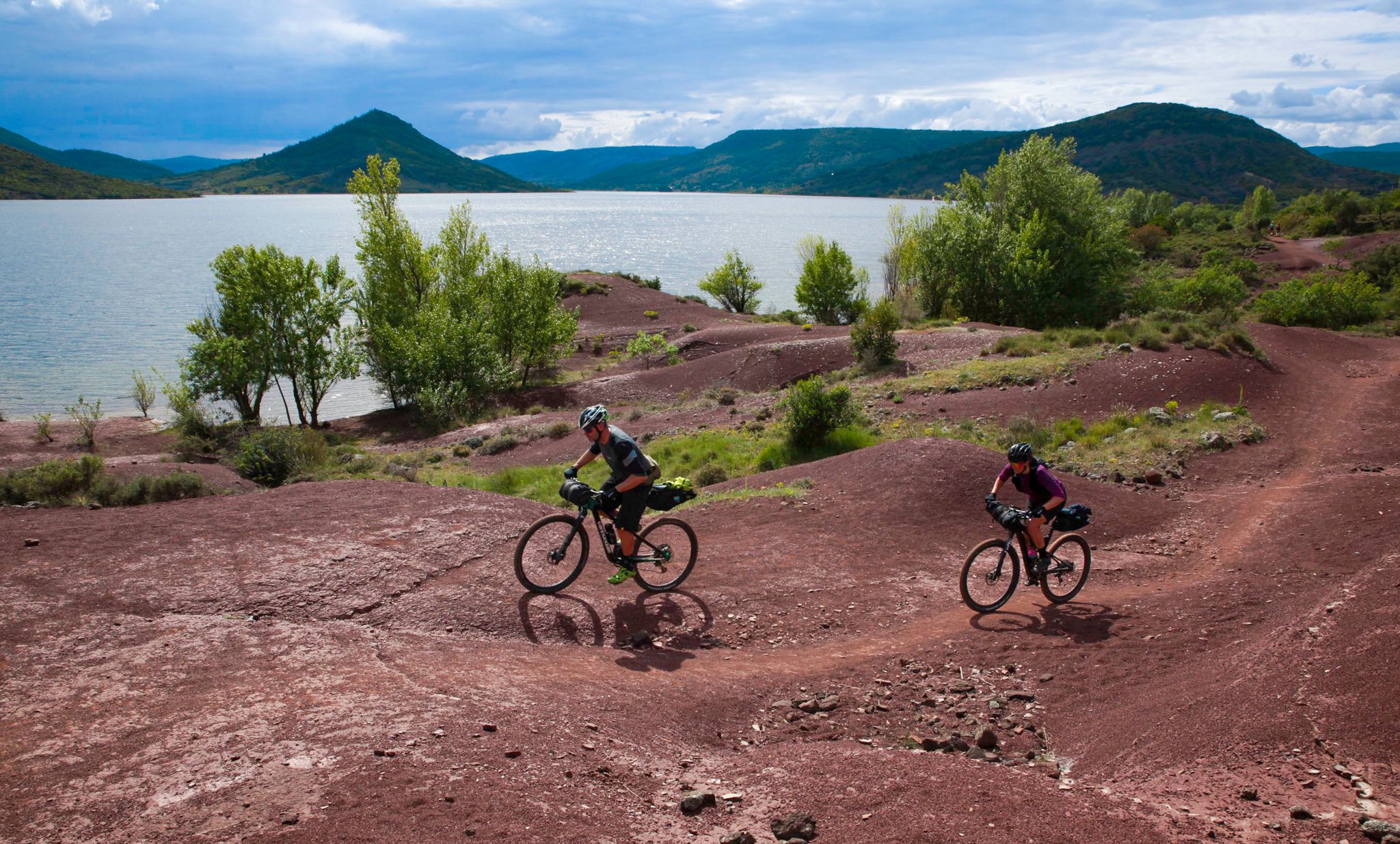
The Great Crossing of France's Massif Central by mountain bike
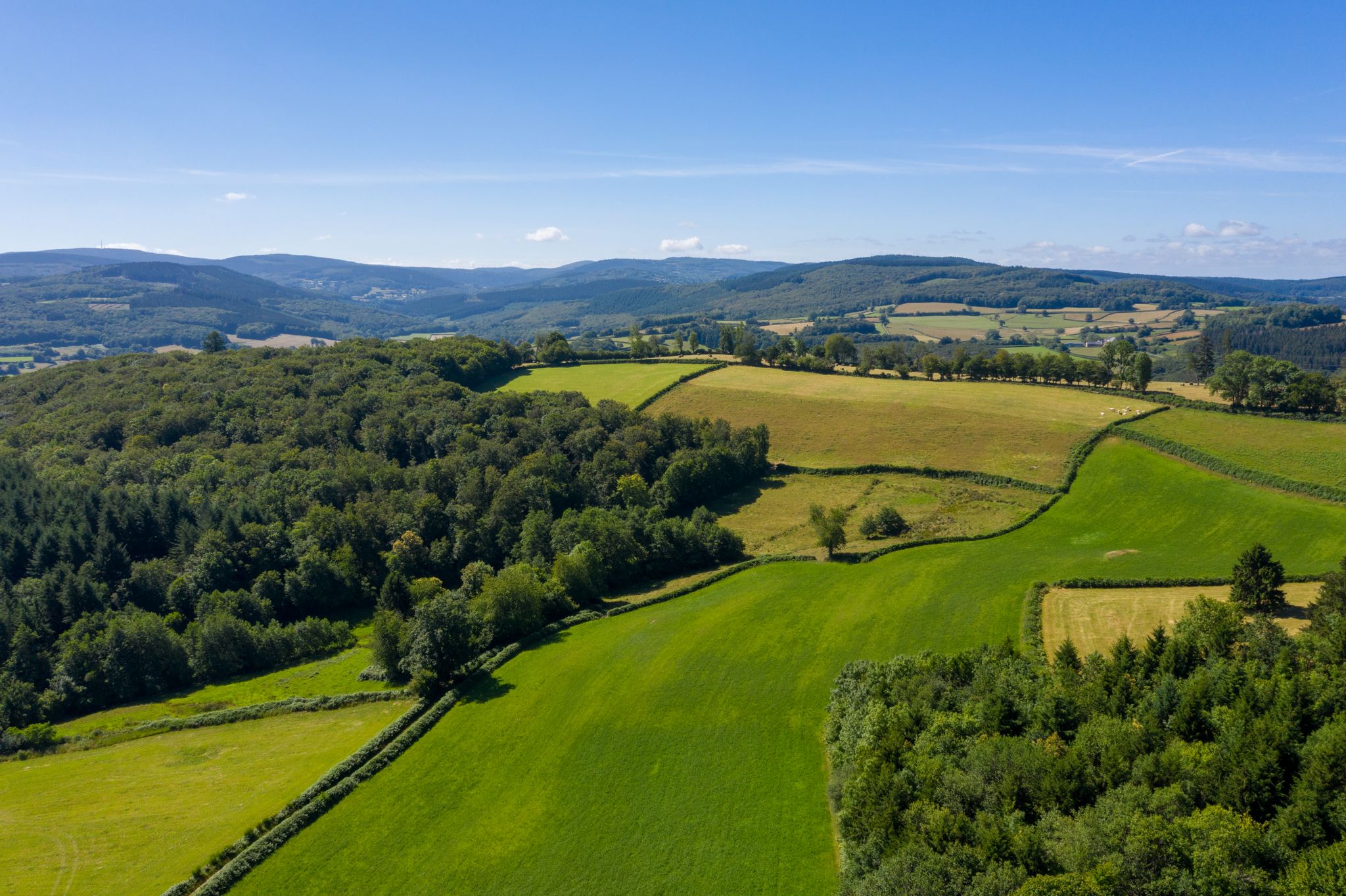
MTB fun in the Massif Central — La Grande Traversée du Morvan
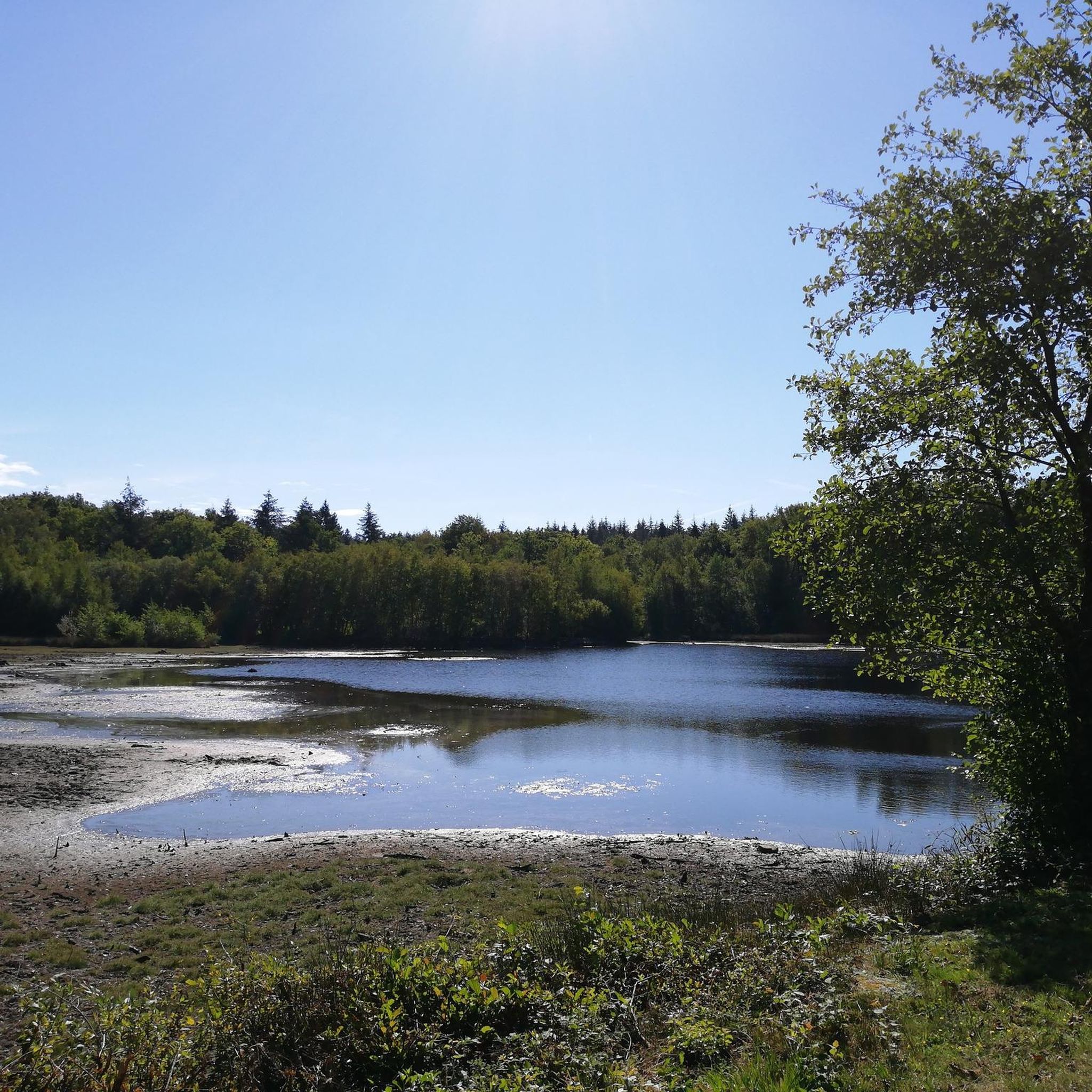
Hiking around Quarré-Les-Tombes
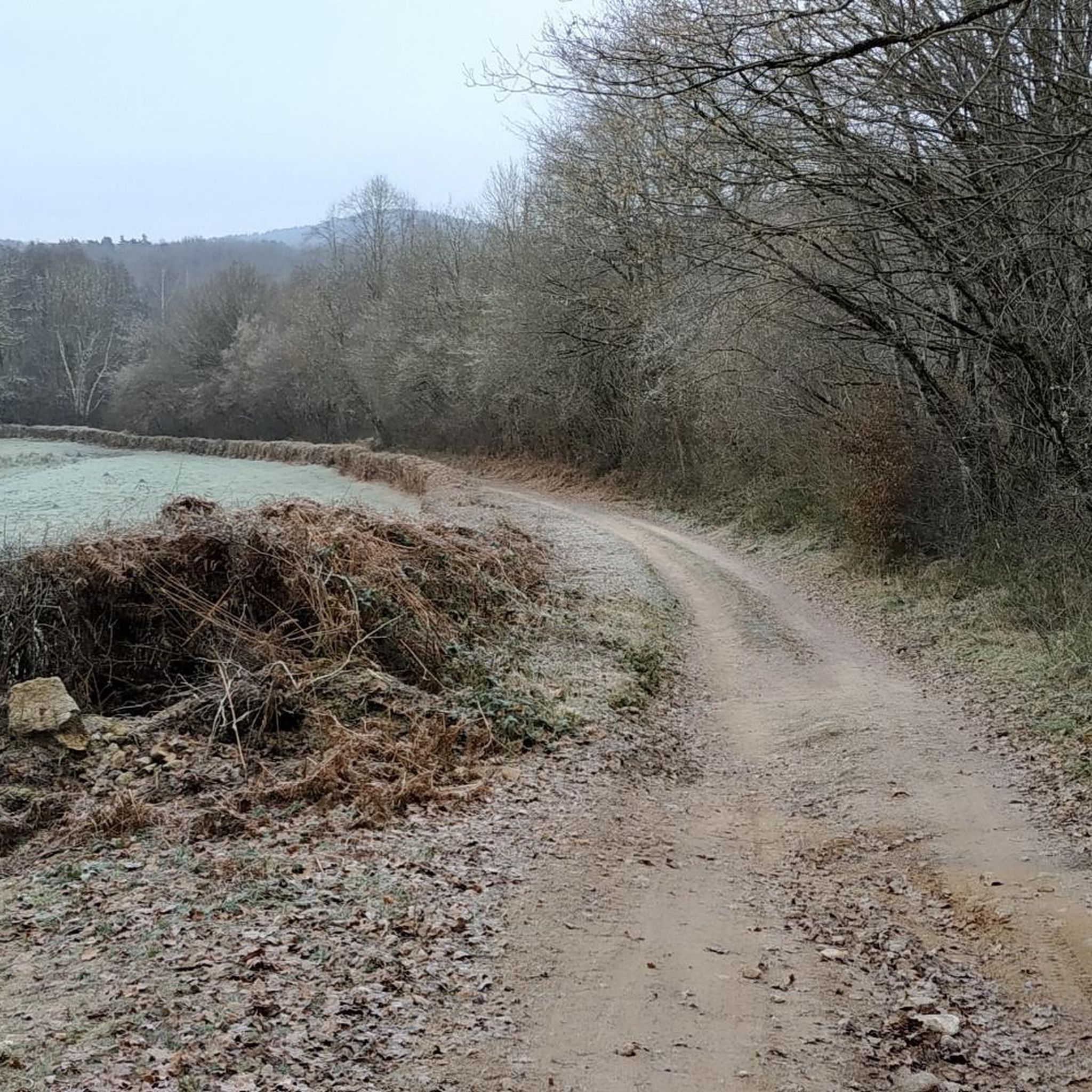
Running Trails around Quarré-Les-Tombes
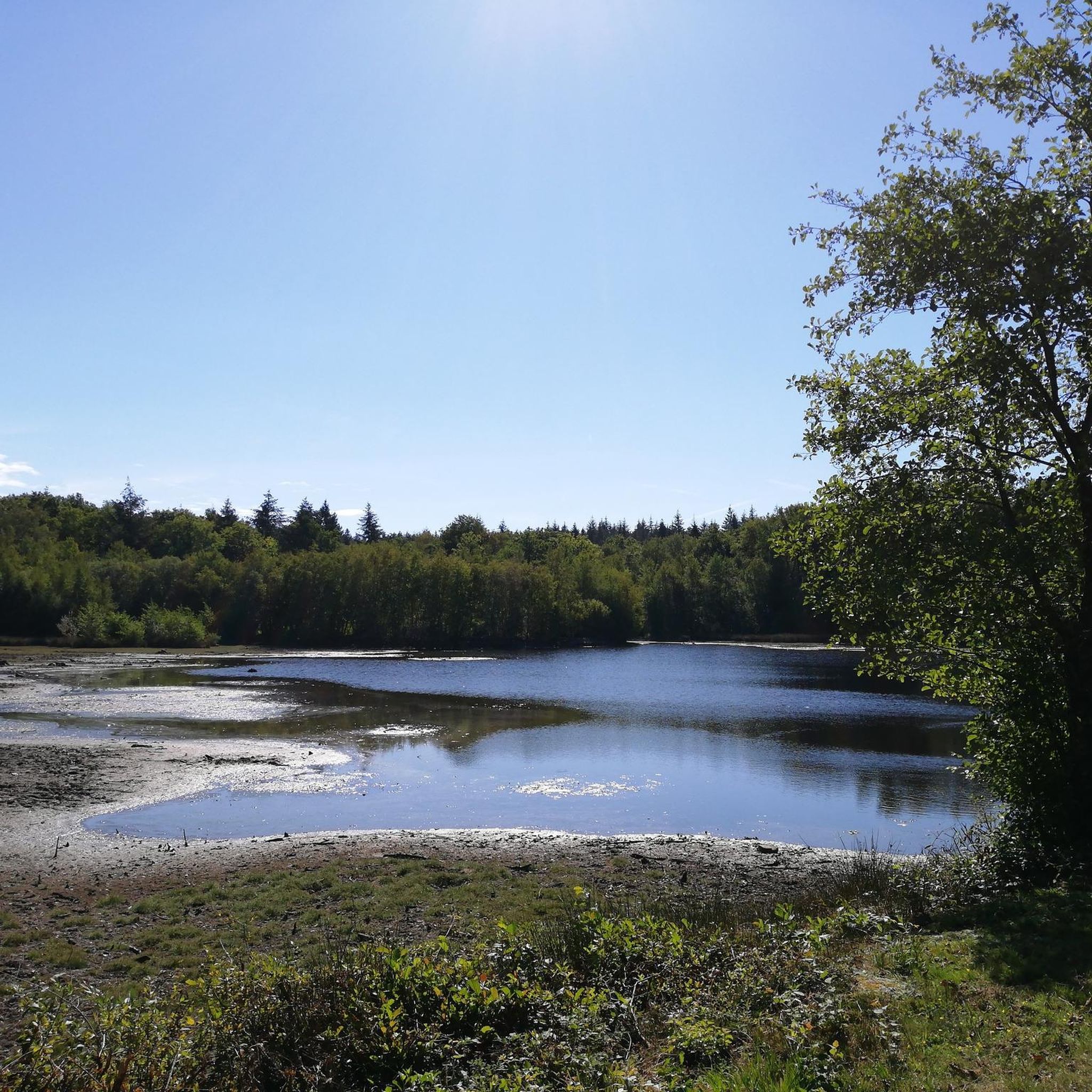
MTB Trails around Quarré-Les-Tombes
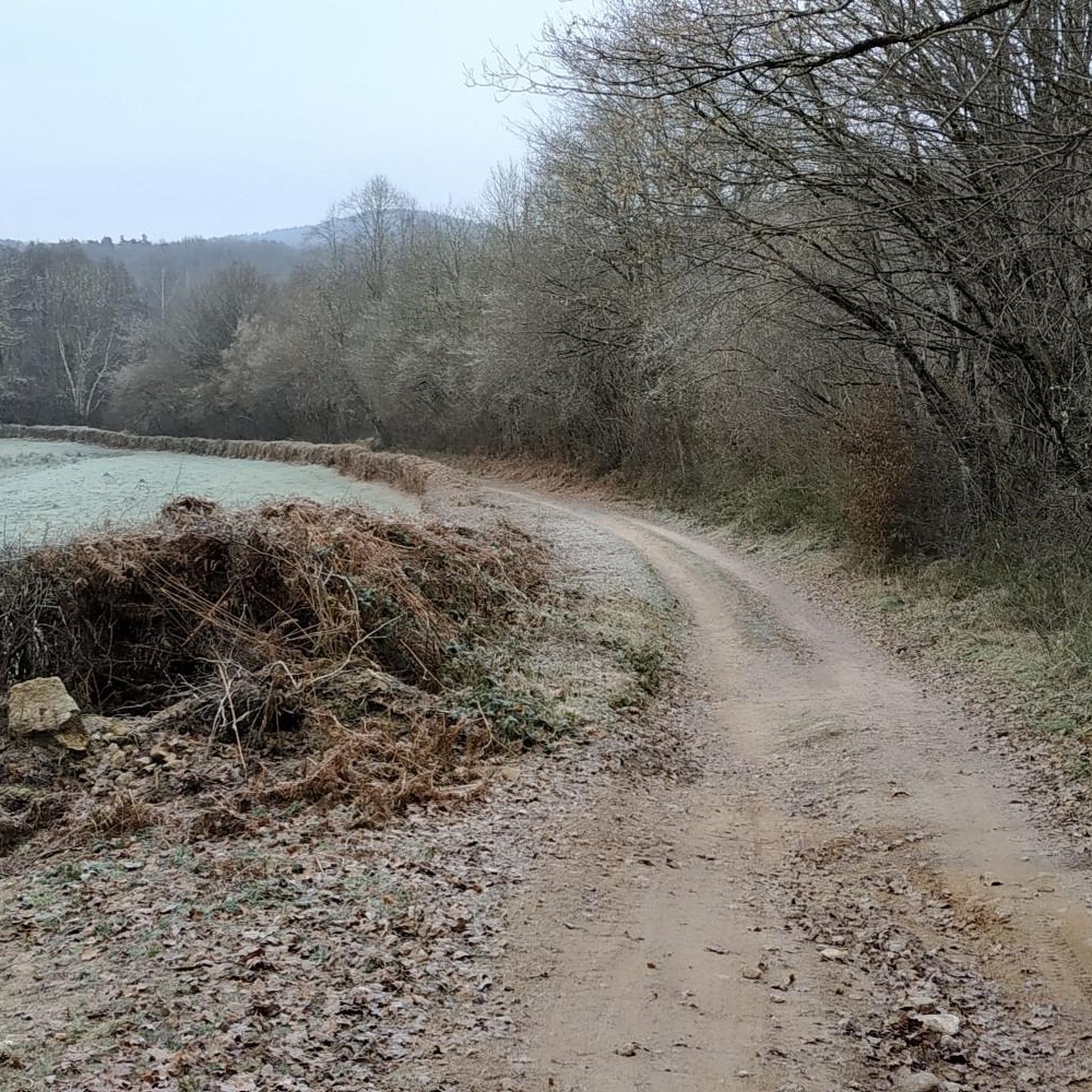
Road Cycling Routes around Quarré-Les-Tombes
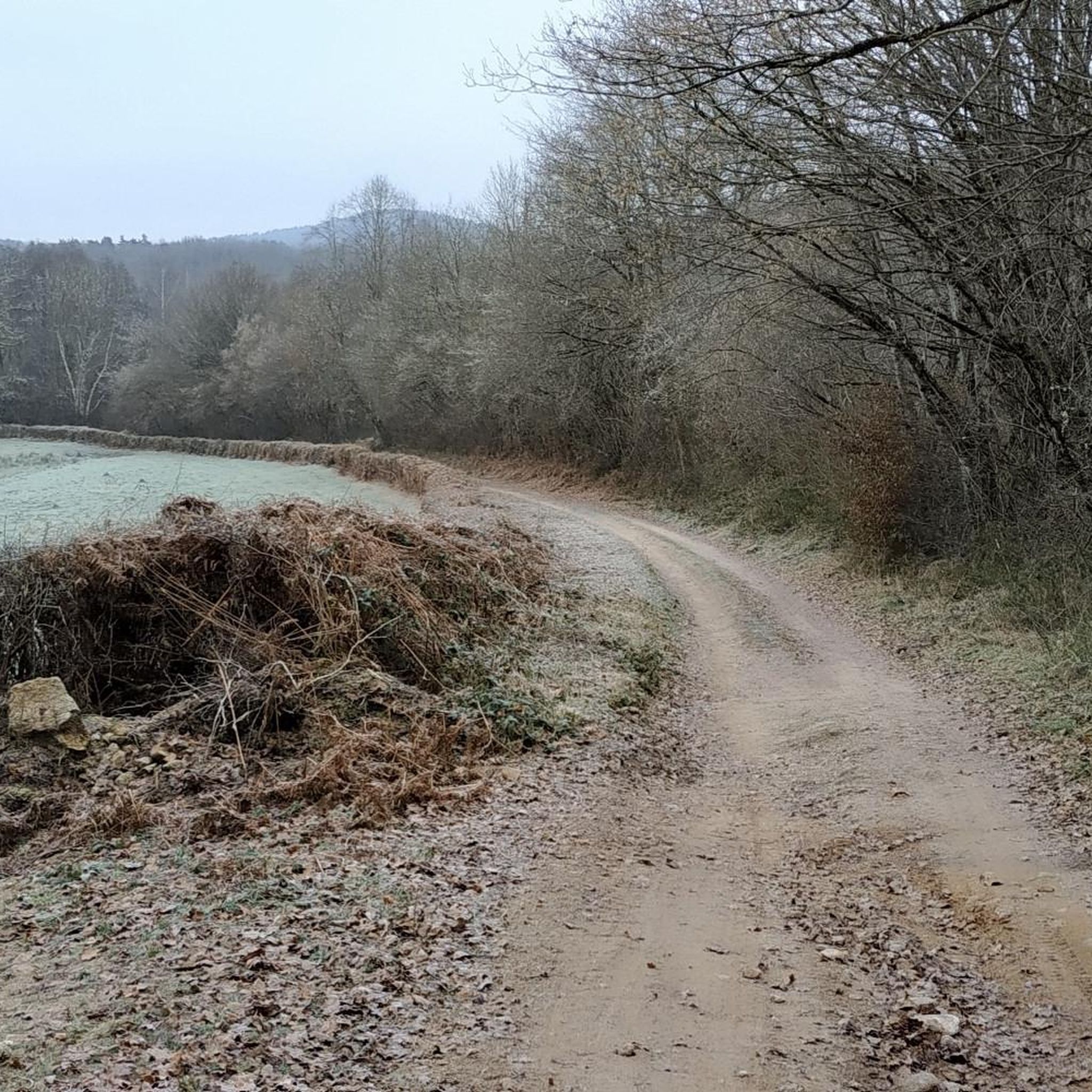
Cycling around Quarré-Les-Tombes

Gravel biking around Quarré-Les-Tombes
Other adventures around Quarré-Les-Tombes


Tips from the Community

The Maison du Parc offers a preserved setting. Located near the Étang Taureau (Taureau Pond), it's a true playground for exploration for young and old alike. Discovery trails, a heritage orchard, a botanical garden... It's an ideal stop for discovering the treasures of the Morvan region. A bistro-tea room is also available for refreshments.
0
0

Located in the heart of the Morvan forest, the Abbey of La Pierre-qui-Vire was founded in the 19th century. It owes its name to an imposing granite block "in equilibrium," an emblem of the place. An almost suspended atmosphere reigns here.
0
0

The Maison du Parc in Saint-Brisson is a complex that includes the administrative center of the Morvan Regional Natural Park, a documentation center, two museums, various educational facilities, a bistro, and the Morvan Regional Natural Park Tourist Office. This site is immersed in resplendent nature and a relaxing setting. This group of buildings was built in an original style imported by an English architect. The structure of the house consists of a rectangular block with thick walls and small windows to protect it from the harsh and contrasting climate of the Morvan. In addition to the central block, this complex consists of two symmetrical buildings for storing grain and hay and housing animals. Finally, opposite the end of each wing, there is a chapel and a hunting lodge. The complex is completed by a sheepfold and the last farmer's house, which currently serves as the administrative center of the Park. An agricultural and landscaped park, created in 1858 by the Count of Choulot, completes this group of buildings. Taureau Pond, a fishing pond located below an English-style garden, was once a reservoir for floating logs on the Vignan River, a complementary economic activity for the Morvan people of the 19th century. https://www.parcdumorvan.org/le-parc/la-maison-du-parc/un-peu-dhistoire/
0
0
The Abbey of Sainte-Marie-de-la-Pierre-qui-Vire is a Benedictine abbey founded in 1850 by Reverend Father Jean-Baptiste Muard. The community is located in the heart of nature, in a wild, wooded setting, on the banks of the Trinquelin, a small stream that flows between granite rocks. https://fr.wikipedia.org/wiki/Abbaye_Sainte-Marie_de_la_Pierre-qui-Vire
0
0


As in probably every other profession, there are a few so-called “black sheep” among the many honorable millers in the milling trade. The popular children's book author Otfried Preußler tells the following short episode in “The Flight into Egypt”: “And they didn't even get all the way to Klostergrätz that evening, but there was a mill on their way, the monastery mill - they stayed there until the next morning. At first the monastery miller was almost shocked when the k.k. Gendarmerie knocks on his door: There had been a certain dispute with a customer last week about a few sacks of milling material which had disappeared in the mill here in a completely inexplicable way […] but it could have been that he had been reported for it anyway – and now they’re coming to pick him up… then of course all the disputed milling sacks had immediately fallen from his mind, the monastery miller, just as [sergeant] Hawlitschek was now simply asking him for a place to stay for the night.”
0
0

a museum about the resistance against the German Nazis. If you know a little French, you will be well served here and will learn something in particular about the groups that were active in the Morvan.
0
0
Frequently Asked Questions
What unique historical sites can I explore in Quarré-les-Tombes?
Quarré-les-Tombes is renowned for its ancient history. You can visit the Church of Saint-Georges, which is surrounded by an impressive collection of 112 Merovingian sarcophagi dating from the 8th to 10th centuries. Another significant historical site is La Pierre-qui-Vire Abbey, a Benedictine monastery known for its modern architecture and organic farming practices.
Are there any significant natural rock formations or viewpoints to visit?
Yes, the region offers several intriguing natural features. The Chevresse Dolmen, located in the national forest of Breuil Chenue, is a natural granite chaos sculpted by erosion, despite its name. Within the Forest Au Duc, you can also find the mysterious "Roche des Fées" (Fairies' Rock) and the "Rocher de La Pérouse," which offers a scenic viewpoint overlooking the Cure ravine.
What kind of outdoor activities are available in the Morvan Regional Natural Park near Quarré-les-Tombes?
The Morvan Regional Natural Park is ideal for various outdoor activities. You can enjoy extensive hiking, mountain biking, and road cycling on numerous trails and quiet roads through forests and hills. For specific routes, explore the MTB Trails around Quarré-Les-Tombes, Road Cycling Routes around Quarré-Les-Tombes, or general Cycling around Quarré-Les-Tombes guides.
Are there any family-friendly attractions or activities in the area?
Absolutely. The Morvan Regional Park Visitor Centre near Étang Taureau is a great option for families, offering discovery trails, a heritage orchard, and a botanical garden. Lake Saint-Agnan is also considered family-friendly, providing beautiful passages for walking or cycling along the water's edge.
Where can I learn more about the Morvan Regional Natural Park?
The best place to start is the Morvan Regional Park Visitor Centre (Maison du Parc). Located near Étang Taureau, it serves as an ideal stop for discovering the region's treasures, with discovery trails, a heritage orchard, and a botanical garden. It also features a bistro-tea room for refreshments.
What are the notable lakes or ponds near Quarré-les-Tombes?
The area boasts several beautiful water bodies. Lake Saint-Agnan is one of the last dams built in the Morvan Regional Natural Park, known for its sometimes turquoise waters. The Crescent Dam, built between 1929 and 1932, created a large reservoir that regulates the Yonne and Seine rivers. Additionally, the commune features smaller ponds like Étang du Griottier Blanc and the Grand Étang.
Are there any museums or memorials related to the region's history?
Yes, the region holds significant historical memory. The Maison Vauban (Vauban Museum) in nearby Saint-Léger-Vauban pays tribute to the famous military architect. Additionally, the Mémorial de Dun-les-Places commemorates the tragic events of June 1944 in the village of Dun-les-Places, often referred to as the "Oradour of Morvan."
What do visitors enjoy most about the attractions around Quarré-les-Tombes?
Visitors particularly appreciate the blend of historical intrigue and natural beauty. The unique Merovingian sarcophagi offer a glimpse into ancient history, while the serene landscapes of the Morvan Regional Natural Park provide opportunities for relaxation and outdoor adventure. The natural rock formations like the Chevresse Dolmen and the tranquil waters of Lake Saint-Agnan are frequently highlighted for their scenic appeal.
Can I find any castles or châteaux in the vicinity?
Yes, the historic Château de Chastellux is situated in the heart of the Morvan. This castle, which began to emerge in the 11th century, is built on a rocky peak overlooking the Cure river, offering a glimpse into medieval architecture and history.
Are there any local events or festivals held in Quarré-les-Tombes?
Quarré-les-Tombes hosts a few local events throughout the year. Notably, an Irish music festival takes place on the first Saturday of June, and a chestnut festival is celebrated on the third weekend of October. These events offer a chance to experience the local culture and community spirit.
What is the best time to visit Quarré-les-Tombes for outdoor activities?
The Morvan Regional Natural Park is generally pleasant for outdoor activities from spring through autumn. Spring brings blooming nature, while summer offers warm weather for hiking and cycling. Autumn is particularly beautiful with vibrant fall foliage. Winter can be quiet, with opportunities for different types of outdoor experiences if conditions allow.
Most popular routes around Quarré-Les-Tombes
Most popular attractions around Quarré-Les-Tombes

Get inspired with the komoot mobile app


Explore more
Still not found the Highlight you’re looking for? See guides of the top attractions in other regions:
