The best running trails around Casanova
4.6
(19)
1,062
runners
60
runs
Jogging around Casanova, particularly in the Corsican region, offers a diverse landscape characterized by mountainous terrain and scenic valleys. The area features a mix of challenging trails with significant elevation gains and more moderate paths suitable for various fitness levels. Runners can expect natural scenery, including views of historical towns and surrounding peaks, providing varied experiences for trail running.
Best jogging routes around Casanova
- The most popular jogging route is Above Corte – Views on Santa Lucia di Mercurio loop…
Last updated: June 28, 2026
199
runners
17.3km
02:18
600m
600m
Hard run. Very good fitness required. Mostly paved surfaces. Suitable for all skill levels.
54
runners
8.99km
00:57
130m
130m
Moderate run. Good fitness required. Mostly paved surfaces. Suitable for all skill levels.

Sign up for free
41
runners
12.2km
01:16
100m
100m
Moderate run. Good fitness required. Mostly paved surfaces. Suitable for all skill levels.
43
runners
15.0km
03:02
1,180m
1,180m
Hard run. Very good fitness required. Sure-footedness, sturdy shoes and alpine experience required.
4.5
(2)
37
runners
11.4km
02:13
850m
850m
Hard run. Very good fitness required. Sure-footedness, sturdy shoes and alpine experience required.
Get access to more routes and recommendations from other explorers.
Sign up for free
Already have an account?
Our route recommendations are based on thousands of hikes, rides, and runs completed by other people on komoot.
Start today with a free account
Your next adventure awaits.
Login or Signup
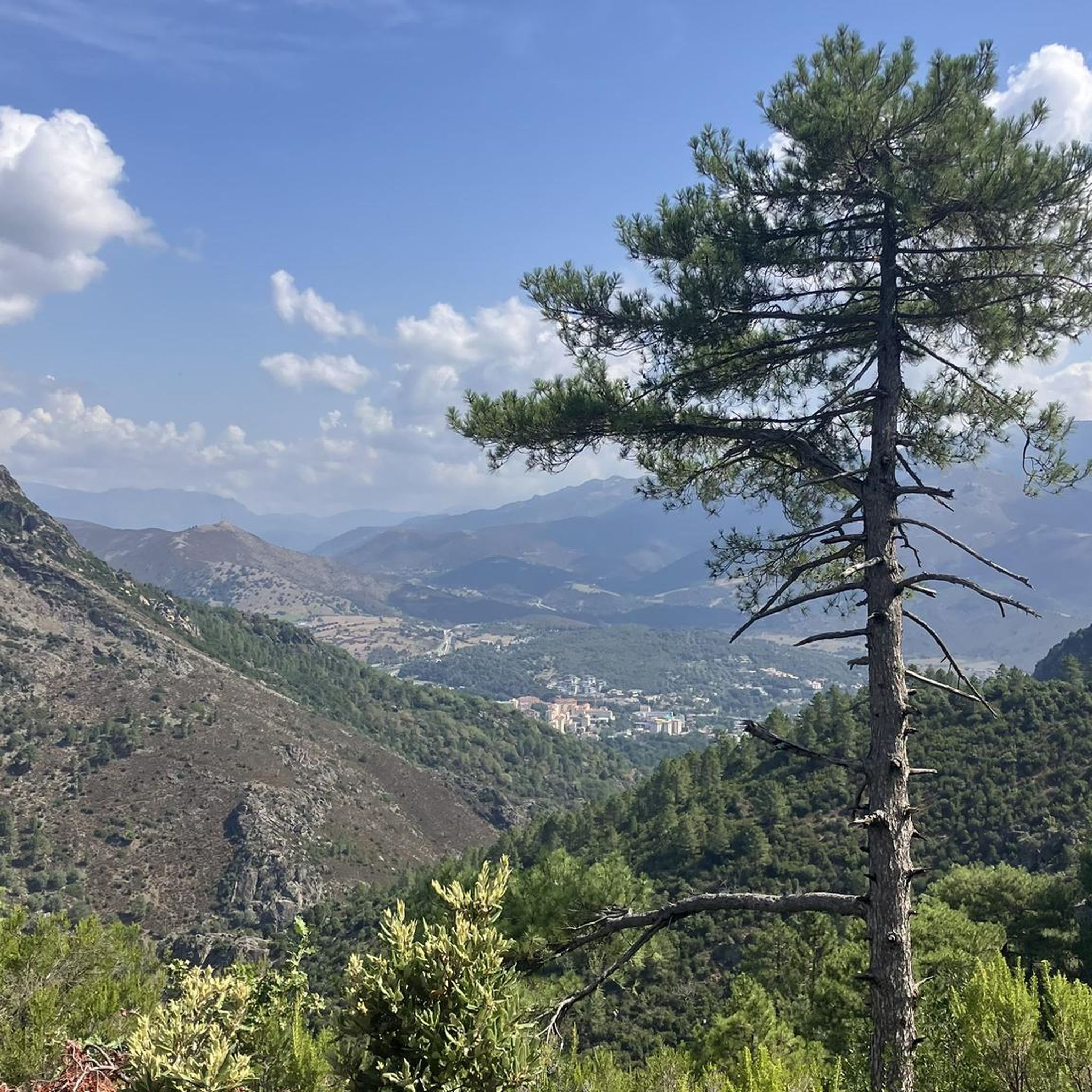
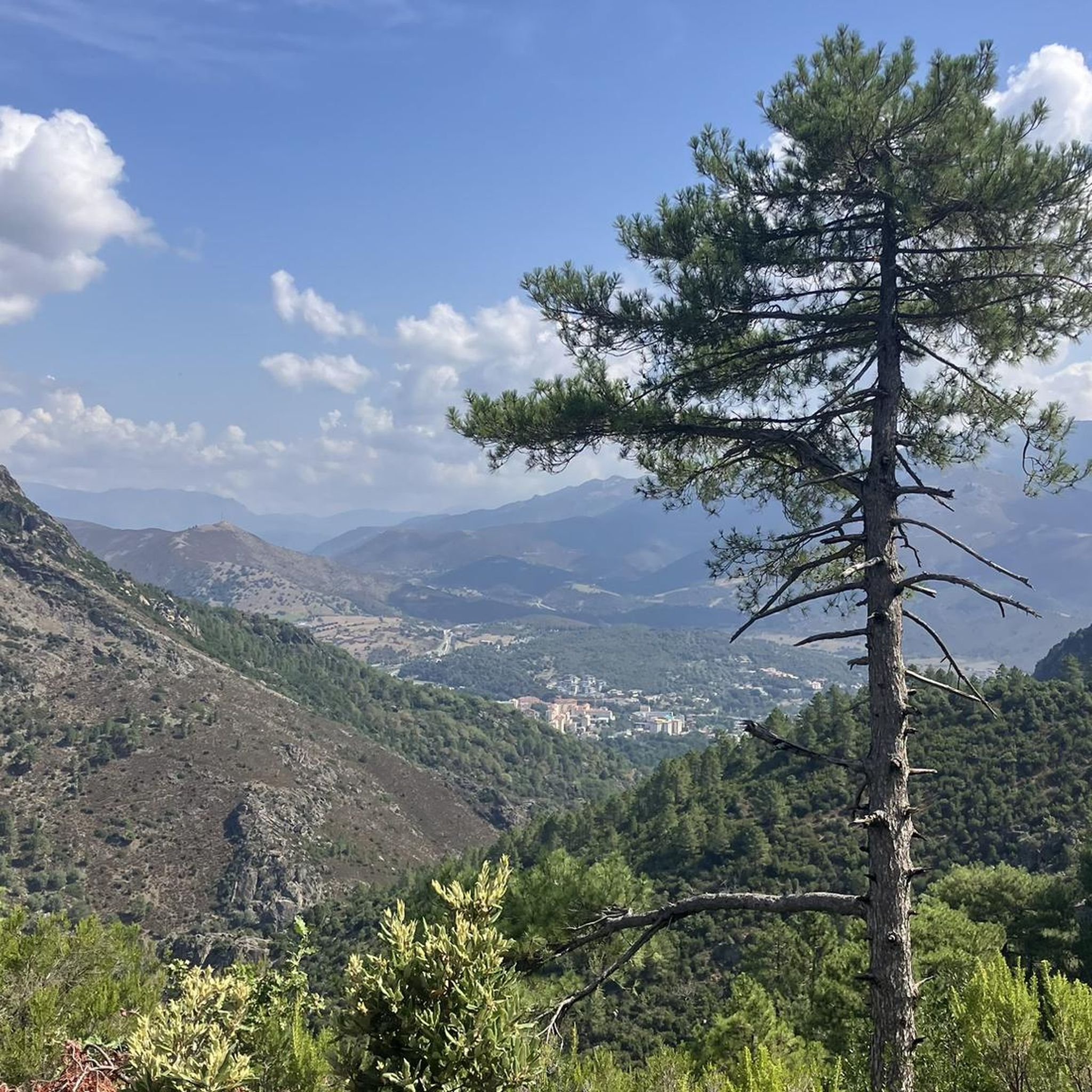
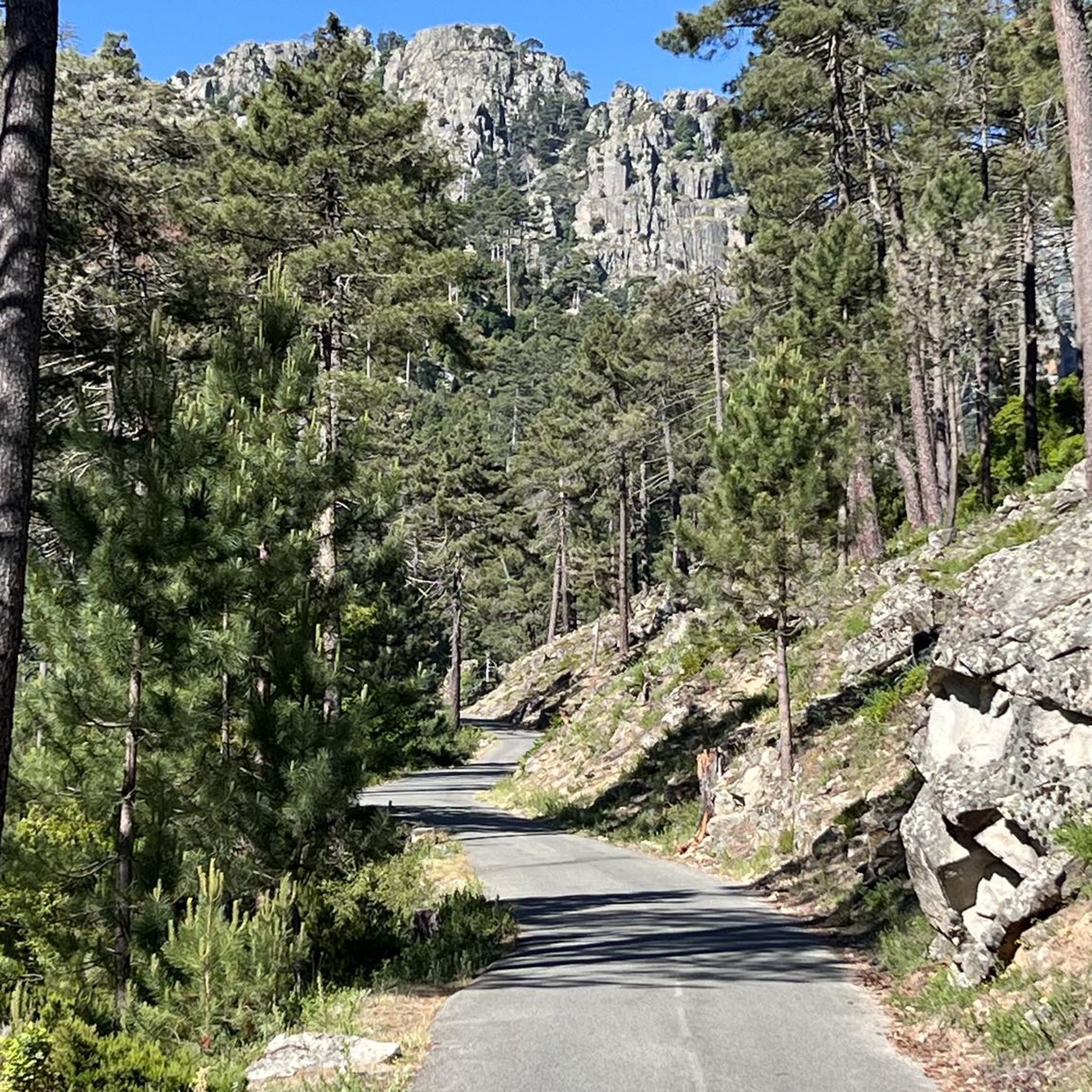
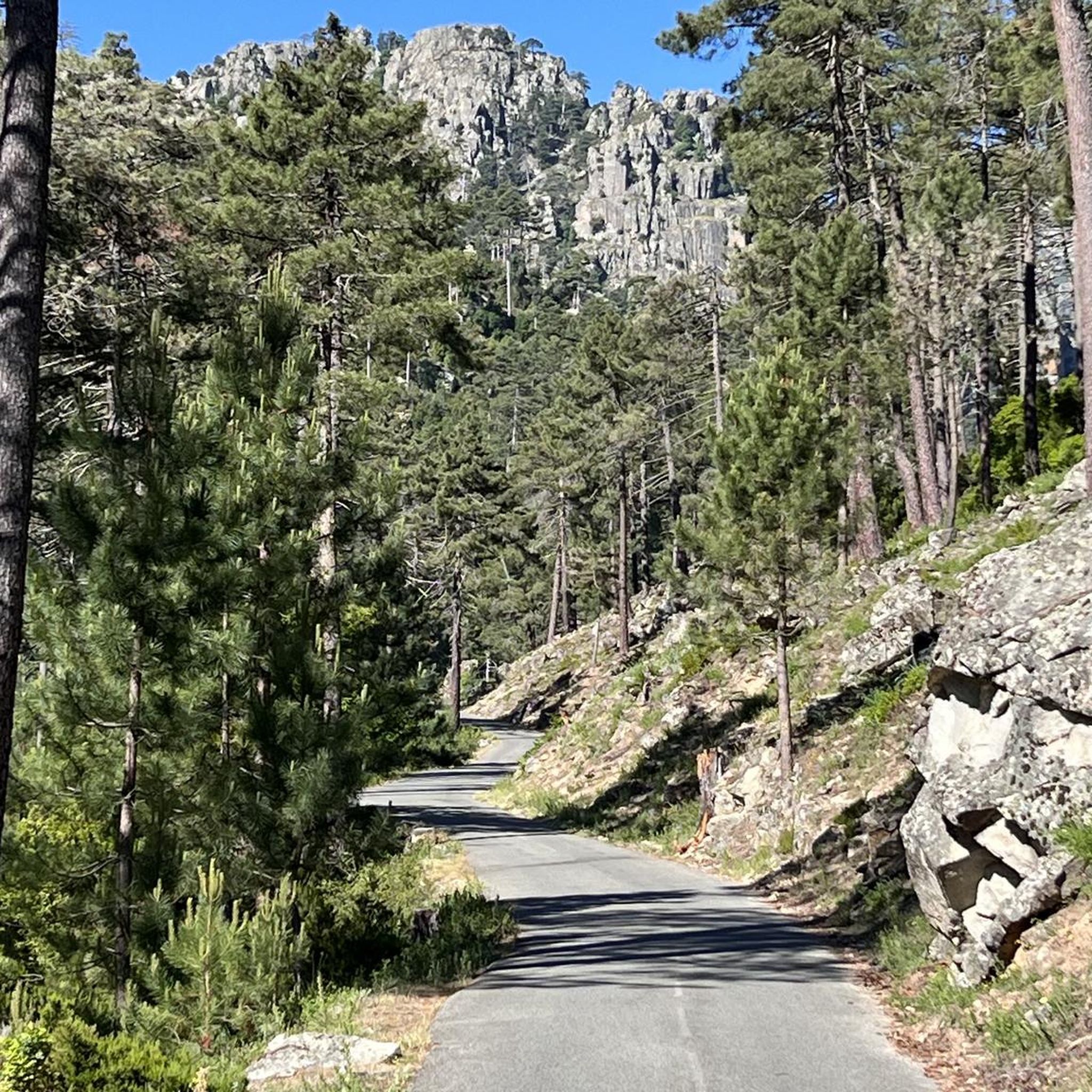

Tips from the Community

The **Citadel of Corte**, also called the "Nid d'Aigle" (Eagle's Nest), is an impressive fortress towering high above the Corsican city. ### 🛡️ Brief description: * **Unique location and construction history:** The only major Genoese fortress in the island's interior, built on a rugged rocky outcrop – erected in 1419 by Vincentello d'Istria, and significantly expanded in the 18th century according to Vauban principles. * **Structure & Defense:** Three defensive levels with defensive walls, battlements, a castle ("Nid d'Aigle"), and barracks high above the confluence of the Tavignano and Restonica rivers. * **Historical significance:** Center of Corsican power under Pasquale Paoli (1755–1769), later a garrison, prison, and site of the Foreign Legion until 1983. * **Current use:** Since 1984 as the **Museum of Corsica** (art, history, and anthropology), headquarters of the FRAC CORSICA, tourist office, and multicultural center – open to the public, including barracks, prison, and outdoor facilities. * **Views & atmosphere:** Breathtaking panoramas over Corte and the river valleys beyond (Restonica, Tavignano), plus a step-by-step tour of impressive architecture. **In brief:** The Citadel of Corte – a historically significant fortified structure in the eagle's nest style, a unique site in the Corsican highlands. Today, it houses fascinating museums, diverse cultural offerings, and offers spectacular views. Ideal for those seeking to combine history, architecture, and landscape.
2
0

Corte is located on a high plateau at an altitude of 436 m at the confluence of the Restonica and Tavignano rivers. It has 7,654 inhabitants (as of January 1, 2021) and is the seat of the sub-prefecture of the arrondissement of the same name.
1
1
On his way to England, Paoli was received and honored throughout Europe as a freedom hero. He met, among others, Joseph II and Goethe, who later described this encounter in Poetry and Truth:[2] Paoli's life was characterized by the fight for the goal of a united Corsican nation. To this end, he entered into changing alliances with France and England and maintained contacts with Jean-Jacques Rousseau, Frederick the Great, Catherine II of Russia, the Pope, the young United States of America, the Turkish Sultan and the Bey of Tunis.
1
1
On his way to England, Paoli was welcomed and honored throughout Europe as a freedom hero. He met, among others, Joseph II and Goethe, who later described this encounter in Poetry and Truth:[2] Paoli's life was marked by the struggle for the goal of a united Corsican nation. To this end, he entered into varying alliances with France and England and maintained contacts with Jean-Jacques Rousseau, Frederick the Great, Catherine II of Russia, the Pope, the young United States of America, the Turkish Sultan, and the Bey of Tunis.
1
0
Joseph was born Giuseppe Buonaparte in 1768 to the notary and landowner Carlo Buonaparte and Laetitia Ramolino in Corte, the capital of the Republic of Corsica. The young couple lived there in the house of Laetitia's uncle Arrighi di Casanova. The Republic of Genoa had sold the island to the Kingdom of France in the same year, but an uprising against the French had broken out under the leadership of Pasquale Paoli, in which Carlo Buonaparte took part on diplomatic missions and ultimately as captain of a company of partisans. After the uprising was crushed, however, he was amnestied, his property was returned and in 1771 he was even granted French nobility by Louis XV.
1
0
Joseph Bonaparte (7 January 1768 in Corte, Corsica; † 28 July 1844 in Florence), born as Giuseppe Buonaparte, was the eldest brother of Napoleon and was appointed by him first as Joseph I (Italian Giuseppe I) King of Naples (1806–1808) and then also as Joseph I (Spanish José I) King of Spain (1808–1813). After the fall of Napoleon, he called himself Comte de Survilliers.
1
1
Pasquale Paoli was born in 1725 in Stretta in the municipality of Morosaglia on Corsica. His father, General Giacinto Paoli, was a kind of prime minister in the short-lived Kingdom of Corsica under King Theodore I of Corsica and went into exile in Naples in 1739 with his youngest son Pasquale. In 1755, Paoli returned to Corsica as a 30-year-old ensign in the King's Corsican Guard and fought the Genoese as commander at the head of the Corsican guerrilla. He managed to drive them out of the interior and trap them in a few port cities. In the same year, Paoli gave Corsica a democratic constitution and temporarily governed Corsica. He made Corte the capital. Among other things, he was friends with the Buonaparte family, who fought with him against the Corsican enemy Marius Matra. Carlo di Buonaparte, Napoleon's father, worked on a Corsican constitution and became Paoli's right-hand man. When the Genoese handed the island over to France on May 15, 1768 until it was redeemed, Paoli fought the French. In 1768, the French, who had landed with 10,000 men, had to withdraw. A year later, however, 22,000 men landed under the leadership of the Comte de Vaux and defeated the Corsicans in the Battle of Ponte Novu on May 9, 1769. Paoli laid down his arms and chose exile. In 1790, the revolutionary National Assembly decided on the final annexation of Corsica to France.
1
1
Pasquale Paoli was born in 1725 in Stretta, in the municipality of Morosaglia, Corsica. His father, General Giacinto Paoli, was a kind of prime minister in the short-lived Kingdom of Corsica under King Theodore I of Corsica and, in 1739, went into exile in Naples with his youngest son, Pasquale. In 1755, Paoli returned to Corsica as a 30-year-old ensign in the King's Corsican Guard and, as commander at the head of the Corsican guerrillas, fought the Genoese. He succeeded in expelling them from the interior and entrenching them in a few port cities. In the same year, Paoli gave Corsica a democratic constitution and temporarily ruled Corsica. He named Corte its capital. Among other things, he was friends with the Buonaparte family, who fought with him against the Corsican enemy Marius Matra. Carlo di Buonaparte, Napoleon's father, collaborated on a Corsican constitution and became Paoli's right-hand man. When the Genoese ceded the island to France on May 15, 1768, pending redemption, Paoli fought the French. In 1768, the French, who had landed with 10,000 men, were forced to withdraw. A year later, however, 22,000 men landed under the command of the Comte de Vaux and defeated the Corsicans in the Battle of Ponte Novu on May 9, 1769. Paoli laid down his arms and chose exile. In 1790, the revolutionary National Assembly voted for the final annexation of Corsica to France.
1
0
Frequently Asked Questions
How many running routes are available around Casanova?
There are over 50 dedicated running routes around Casanova, offering a wide range of experiences. These include 3 easy routes, 20 moderate paths, and 27 more challenging trails for experienced runners.
What kind of terrain can I expect on the jogging trails in Casanova?
The terrain around Casanova, particularly in the Corsican region, is predominantly mountainous. You'll find a mix of challenging trails with significant elevation gains and more moderate paths. Expect natural scenery, including views of historical towns and surrounding peaks, making for varied trail running experiences.
Are there any easy or beginner-friendly running routes in Casanova?
Yes, Casanova offers 3 easy running routes suitable for beginners or those looking for a less strenuous run. While the region is known for its mountainous terrain, these options provide a gentler introduction to jogging in the area.
What do other runners enjoy most about the trails in Casanova?
The running routes in Casanova are highly rated by the komoot community, with an average score of 4.5 stars from more than 10 reviews. Runners often praise the diverse mountainous landscapes, the scenic views of historical towns, and the varied elevation profiles that cater to different ability levels.
Are there any circular running routes in Casanova?
Many of the routes in Casanova are designed as loops, offering a convenient circular experience. For example, the Belvedere of Corte – Corte loop from Corte is a moderate 4.5-mile path that provides a balanced experience with scenic surroundings.
Can I find running routes that pass by interesting landmarks or natural features?
Absolutely. The mountainous landscape around Casanova is rich with natural beauty and historical points of interest. You can find routes that offer views of various lakes such as Lake Melo or Lake Capitello. Some trails also lead towards summits like Monte Rotondo Summit, providing stunning panoramic views.
Are there any running trails suitable for families or those with children?
While the region is known for its challenging mountainous terrain, the 3 easy routes available in Casanova could be suitable for families looking for a gentler outdoor experience. It's always recommended to check the specific route details for elevation and distance to ensure it matches your family's fitness level.
What are some of the more challenging running routes for experienced runners?
For experienced runners seeking a challenge, Casanova offers 27 difficult routes. A notable example is the Venaco loop from Venaco, a 9.3-mile trail through mountainous terrain with substantial elevation gain, typically completed in about 3 hours.
Are there any running routes that offer views of the Corte Citadel?
Yes, you can find routes that provide views of the historic Corte Citadel. The Belvedere of Corte – Corte Citadel loop from Corte is a difficult 11.2-kilometer route that offers impressive vistas of this landmark.
What is the best season for running in Casanova?
Given the mountainous nature of Casanova, spring and autumn generally offer the most pleasant conditions for running, with milder temperatures and beautiful scenery. Summer can be warm, especially at lower elevations, while winter might bring snow and more challenging conditions on higher trails, requiring appropriate gear and caution.
Are there any running routes near the Memorial to Pasquale de Paoli?
Yes, there is a moderate running route that starts near the Memorial to Pasquale de Paoli. The Memorial to Pasquale de Paoli – Corte loop from Corte is an 8.3-kilometer path that offers a scenic run with some elevation gain.
Are there options for longer distance running in Casanova?
Yes, Casanova provides several longer routes for endurance runners. For instance, the Above Corte – Views on Santa Lucia di Mercurio loop from Corte is a challenging 10.3-mile trail with significant climbs, taking over two hours to complete.
Most popular attractions around Casanova

Get inspired with the komoot mobile app


Explore more
Browse the best Running Trails & Routes in other regions.
