The best cycling routes around Tombebœuf
4.6
(51)
361
riders
78
rides
Touring cycling routes around Tombebœuf, located in the Lot-et-Garonne department of France, traverse a region characterized by diverse landscapes. Cyclists will find a network of well-maintained greenways and quiet departmental roads, winding through expansive orchards, elegant vineyards, and tranquil rural settings. The terrain includes gentle river valleys, such as the Lot Valley, and rolling hills, offering varied elevations suitable for different cycling preferences. Historical towns and natural features like the Tombebœuf Oak are integrated into the routes.
Best touring cycling…
Last updated: July 2, 2026
4.8
(5)
23
riders
27.7km
01:43
240m
240m
Moderate bike ride. Good fitness required. Mostly paved surfaces. Suitable for all skill levels.
4.5
(2)
15
riders
26.9km
01:47
390m
390m
Moderate bike ride. Good fitness required. Mostly paved surfaces. Suitable for all skill levels.

Sign up for free
5.0
(1)
9
riders
37.8km
02:29
460m
460m
Hard bike ride. Very good fitness required. Mostly paved surfaces. Suitable for all skill levels.
5
riders
27.2km
01:50
430m
430m
Moderate bike ride. Good fitness required. Mostly paved surfaces. Suitable for all skill levels.
6
riders
34.9km
02:21
490m
490m
Hard bike ride. Very good fitness required. Mostly paved surfaces. Suitable for all skill levels.
Get access to more routes and recommendations from other explorers.
Sign up for free
Already have an account?
Our route recommendations are based on thousands of hikes, rides, and runs completed by other people on komoot.
Start today with a free account
Your next adventure awaits.
Login or Signup

Tips from the Community

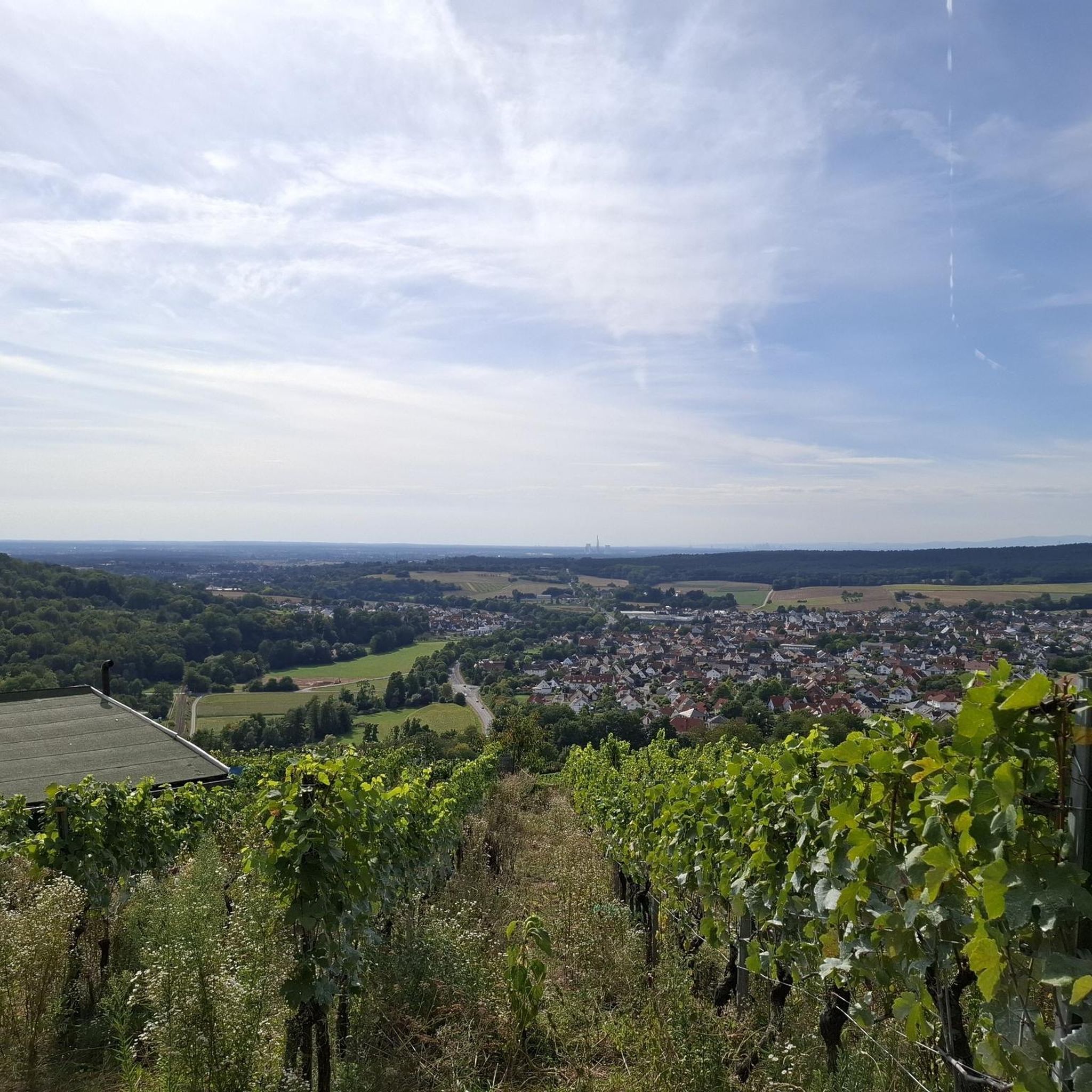
Perched more than 150 meters above the Lot Valley, the fortified town of Laparade offers a spectacular view from its belvedere and public garden. Founded in 1265 by Alphonse de Poitiers, it preserves traces of its defensive past: ramparts, moats, and ancient fortified gates.
0
0

The community, often referred to as the "Order of the Templars" for short, whose full name is "Poor Knights of Christ and of Solomon's Temple in Jerusalem", takes us back to the 13th century. Founded in the Holy Land, it spread surprisingly quickly with numerous branches in many countries in Central Europe. The order gained notoriety through the fact that it was dissolved in 1312 by the French king and the pope and its members were accused of being heretics. The main reason for the dissolution, however, was not the human and religious misconduct (heresy) of the members, which was merely a pretext, but the legendary wealth of this order. King Philip IV of France (1268 to 1314) wanted to use this measure primarily to improve his coffers and secure its treasures.
0
0
Nowadays, they are rarely used for their original purpose, but are often just technical and historical monuments to a long tradition of craftsmanship. But here is fortunately proof of the opposite: the heavy millstones inside are moved solely by the power of the wind as the driving force, and grain is ground into flour (so-called grain mills). These old windmills are therefore the best proof that people were clever enough a number of centuries ago - long before the discovery of electricity and the inventions that followed it - to harness the natural power of the elements.
2
0

The Bourdeille mill, known as the Gibra mill, benefits from the prevailing winds coming from the west on its mound at the top of a hill. From Pech-de-Bère in the south – where the Lot flows into the Garonne – to the town of Marmande in the northwest, it offers you from its privileged location a profound panorama of the Garonne valley. Listed in the inventory of Historic Monuments in 1979, the Gibra windmill benefited from a restoration in the early 1980s, a perfect example of safeguarding local heritage. It has all the equipment for turning in the wind and grinding grain, and on windy days (and open to the public), you can watch milling demonstrations.
1
0

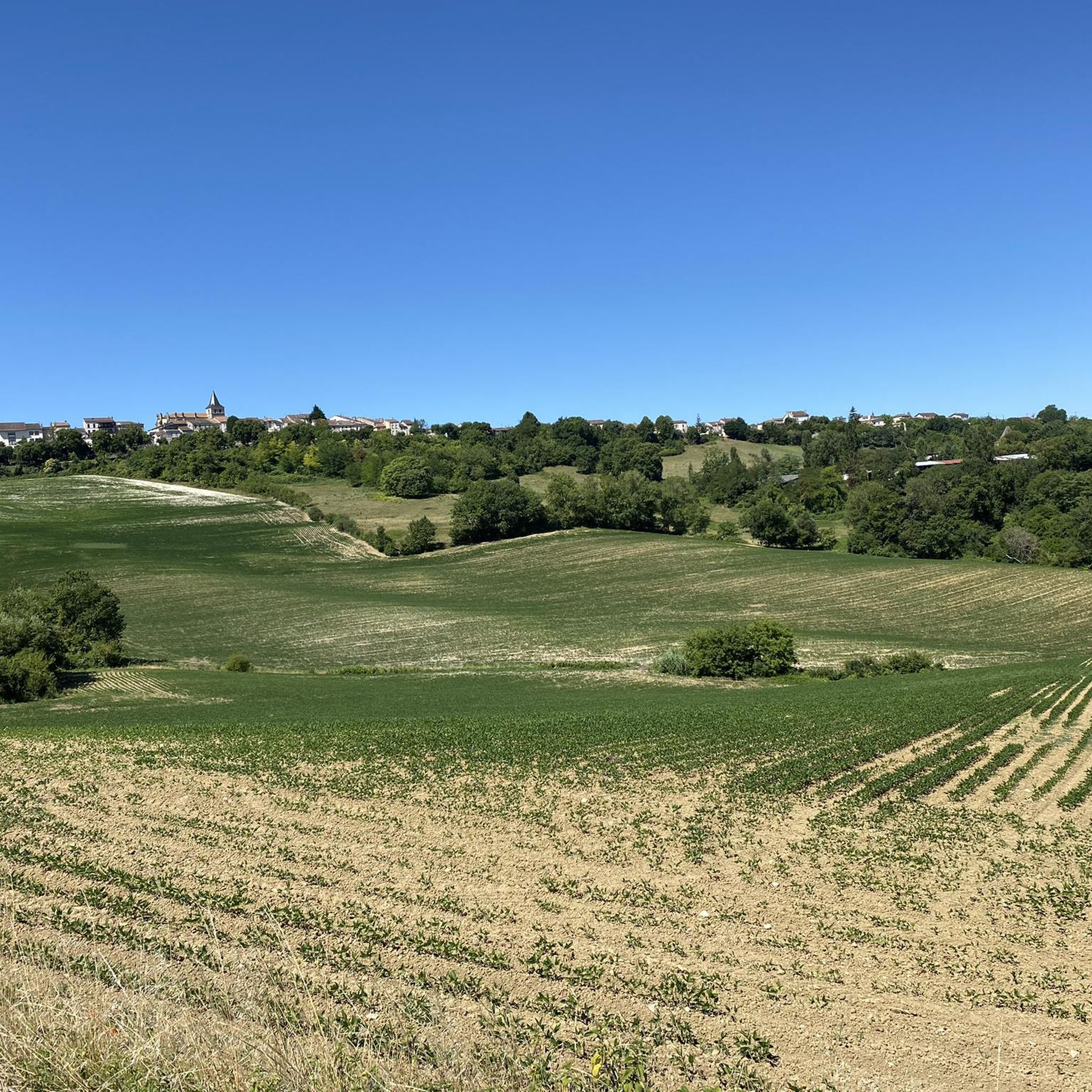
Pitoresque small village in Agenais part of the Lot et Garonne
0
0

I have just done this course in a family group very nice to advise
1
0

According to the sources, the tower would be a remainder of a castle built by Richard-Heart-of-Lion, a tower of the enclosure of the city. Baron de Madaillan held the town of Sainte-Livrade in paréage with the king. Historians have more likely seen it as a fortified house built by a local lord near the city ramparts at the end of the 13th century or the beginning of the 14th century to participate in its defence. The site of Madaillan having passed to the Fossat d'Aiguillon family, Sainte-Livrade was part of their property, then of their heirs. During the Revolution, the tower became the property of the municipality, which turned it into a prison.
0
0
The Saint-Germain church is a Romanesque church located in the town of Temple-sur-Lot, in the Lot-et-Garonne department in New Aquitaine. Built in the 12th century, it has been enlarged and modified over the centuries. The church is famous for its 15th century frescoes, which were rediscovered in 1952 and restored in 1961. The frescoes depict biblical scenes, holy figures, angels and demons. The church is also known for its richly carved portal, which features figures of lions, sirens and griffins, as well as scenes from the life of Saint Germain. It has been classified as a historical monument since 1979.
0
0
Frequently Asked Questions
How many touring cycling routes are available around Tombebœuf?
There are over 80 touring cycling routes around Tombebœuf, catering to various skill levels. You'll find options ranging from easy to difficult, with 9 easy routes, 54 moderate routes, and 21 difficult routes to explore.
What kind of terrain can I expect on touring cycling routes in Tombebœuf?
The terrain around Tombebœuf is diverse, featuring tranquil rural settings, charming French villages, and scenic river views. You'll encounter gentle river valleys, such as the Lot Valley, and rolling hills, offering varied elevations. Many routes are largely paved, suitable for all skill levels, while some may include unpaved or more challenging segments.
Are there any long-distance cycle routes accessible from Tombebœuf?
Yes, Tombebœuf provides access to several significant long-distance routes. The Lot Valley Cycle Route (V86) offers over 80 km of scenic roads. The renowned Canal des Deux Mers by Bike, connecting the Atlantic to the Mediterranean, also crosses the Lot-et-Garonne. Additionally, parts of EuroVelo 3, known as the 'Pilgrim Route,' are accessible in the region.
What are some notable natural features or landmarks to see while cycling around Tombebœuf?
Cyclists can discover several remarkable natural features and landmarks. Don't miss the nearly 300-year-old Tombeboeuf Oak, recognized as a 'Remarkable Tree.' You can also cycle past Lake Tombebœuf (Lac du Loubet), which offers opportunities for observing aquatic life. Many routes also lead through expansive orchards and elegant vineyards.
Are there family-friendly cycling options in Tombebœuf?
Yes, the region offers several family-friendly cycling options. The Canal des Deux Mers by Bike, for instance, primarily follows a green cycle path along an old towpath, making it a secure, flat, and shaded option perfect for families. Many local loops also utilize quiet departmental roads or greenways suitable for a relaxed family outing.
What historical sites can I visit along the cycling routes?
The region is rich in history. You can cycle past the Château de Verteuil, as seen on the Château de Verteuil loop from Verteuil-d'Agenais. Nearby Lauzun features a Renaissance castle and a Gothic-style church. Other charming towns like Miramont-de-Guyenne, the bastide town of Eymet, and Allemans-du-Dropt with its Romanesque church and frescoes offer engaging stops.
What do other touring cyclists say about the routes in Tombebœuf?
The touring cycling routes in Tombebœuf are highly rated by the komoot community, with an average score of 4.5 stars from over 50 reviews. Cyclists often praise the tranquil rural settings, charming French villages, and scenic river views that define the area's network of routes.
Are there any circular cycling routes starting from Tombebœuf or nearby villages?
Yes, many routes are designed as loops, allowing you to start and finish in the same location. For example, the Pie route. – Gibra Mill loop from Verteuil-d'Agenais is a popular moderate circular route. Another option is the Laparade – Viewpoint from Laparade loop from Verteuil-d'Agenais, offering scenic views.
What is the best season for touring cycling in Tombebœuf?
The Lot-et-Garonne region generally offers pleasant cycling conditions for much of the year. Spring and early autumn are often ideal, with mild temperatures and beautiful landscapes. The shaded paths along the Canal des Deux Mers are particularly pleasant during warmer months.
Can I find routes that offer river views?
Absolutely. Many routes in Tombebœuf provide scenic river views. The Greenway – Cycle Path – View of Castelmoron-sur-Lot loop from Coulx is an excellent example, leading through greenways and offering expansive river vistas. The Lot Valley Cycle Route and Canal des Deux Mers also follow river and canal paths.
Are there any routes that pass by castles?
Yes, several routes incorporate historical castles. The Château de Verteuil loop from Verteuil-d'Agenais specifically passes by the impressive Château de Verteuil. You can also find routes that lead near Lauzun Castle and the Château Solar.
What kind of facilities are available for cyclists in Tombebœuf?
The Lot-et-Garonne region is well-equipped for touring cyclists. You'll find well-maintained greenways and quiet departmental roads. Many villages along the routes offer cafes, restaurants, and accommodation options. While specific parking for bikes isn't always highlighted, public parking is generally available in towns and near popular trailheads.
Most popular attractions around Tombebœuf

Get inspired with the komoot mobile app


Explore more
Browse the best Cycling routes in other regions.
