The best road cycling routes around Montignac
4.5
(70)
2,362
riders
38
rides
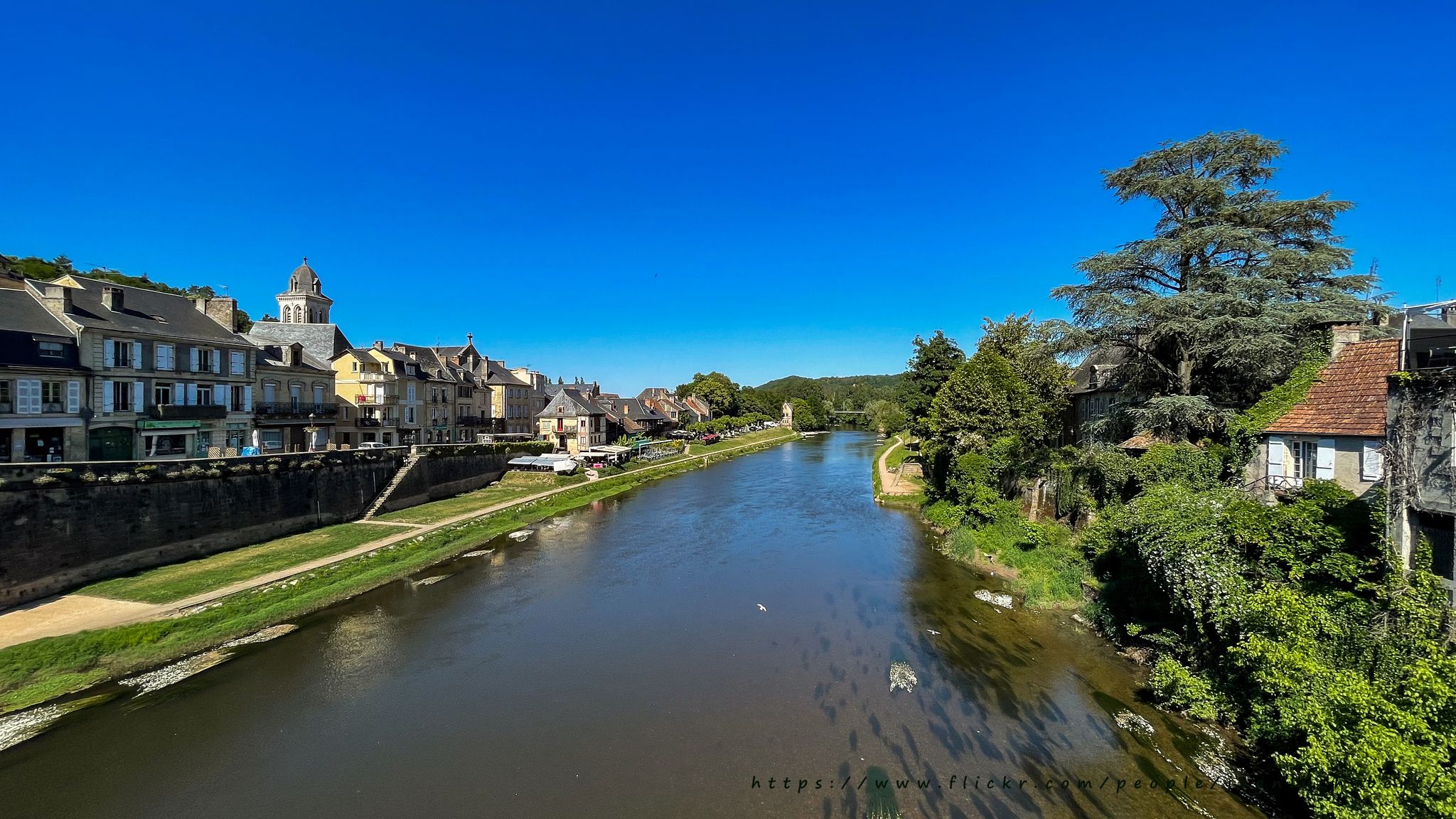
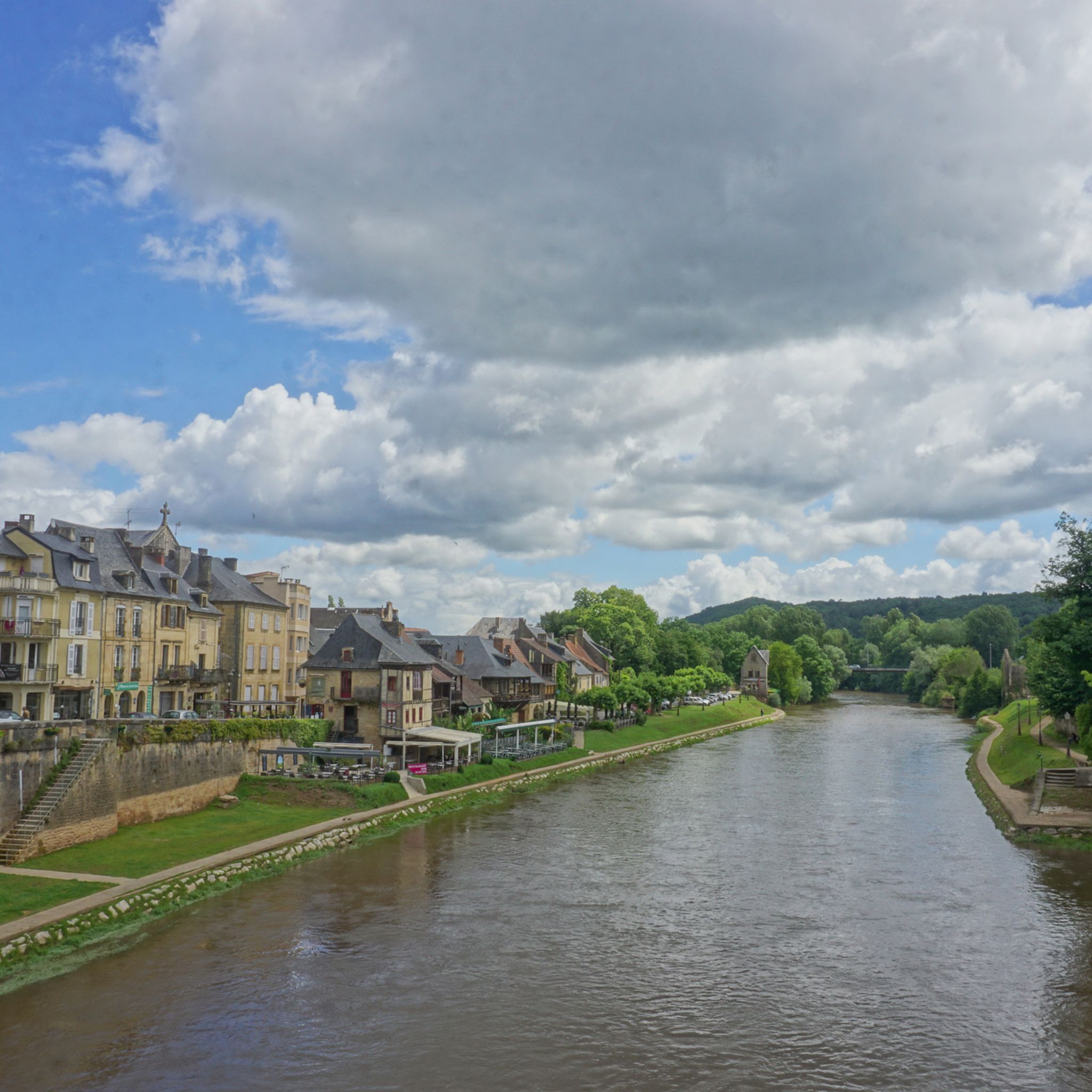
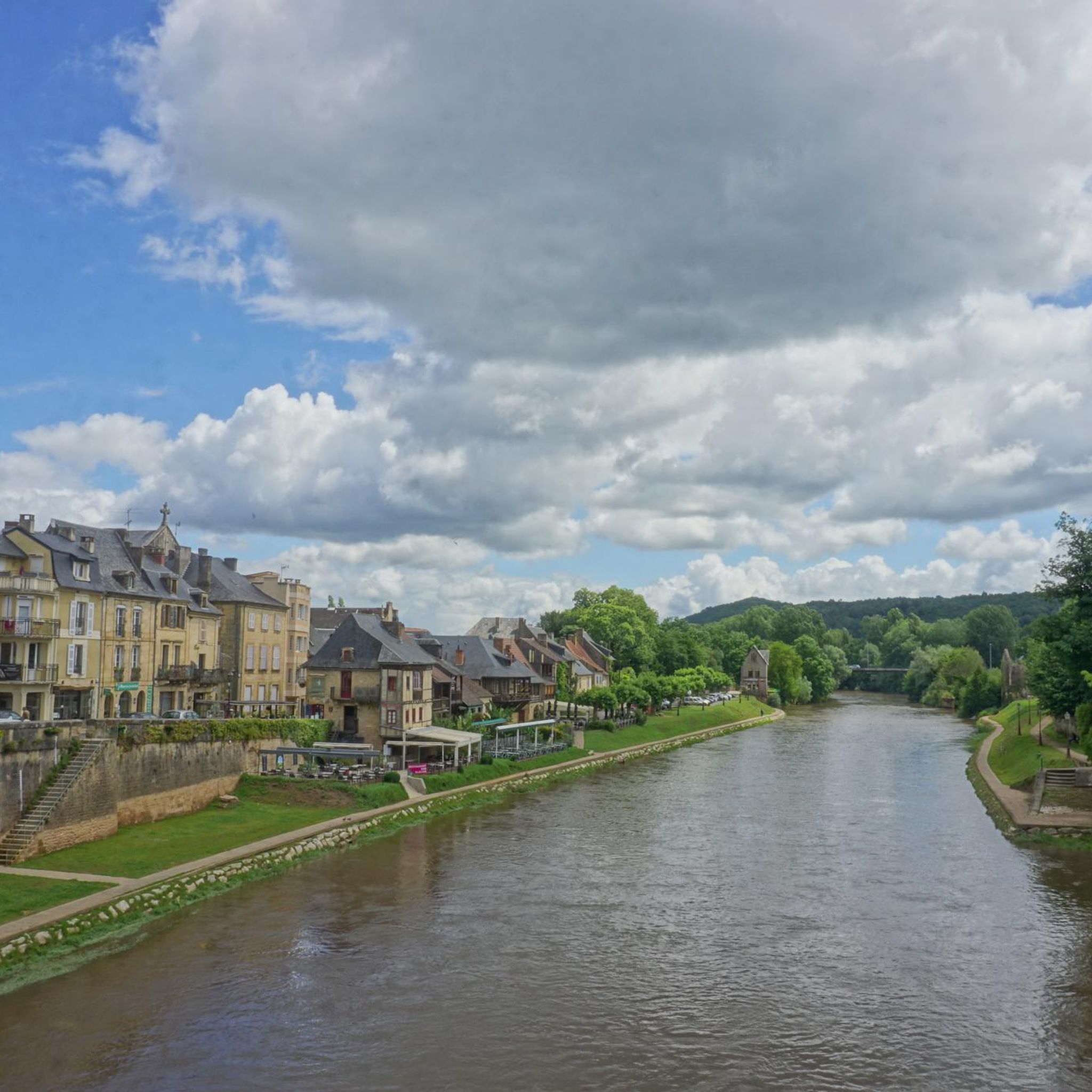
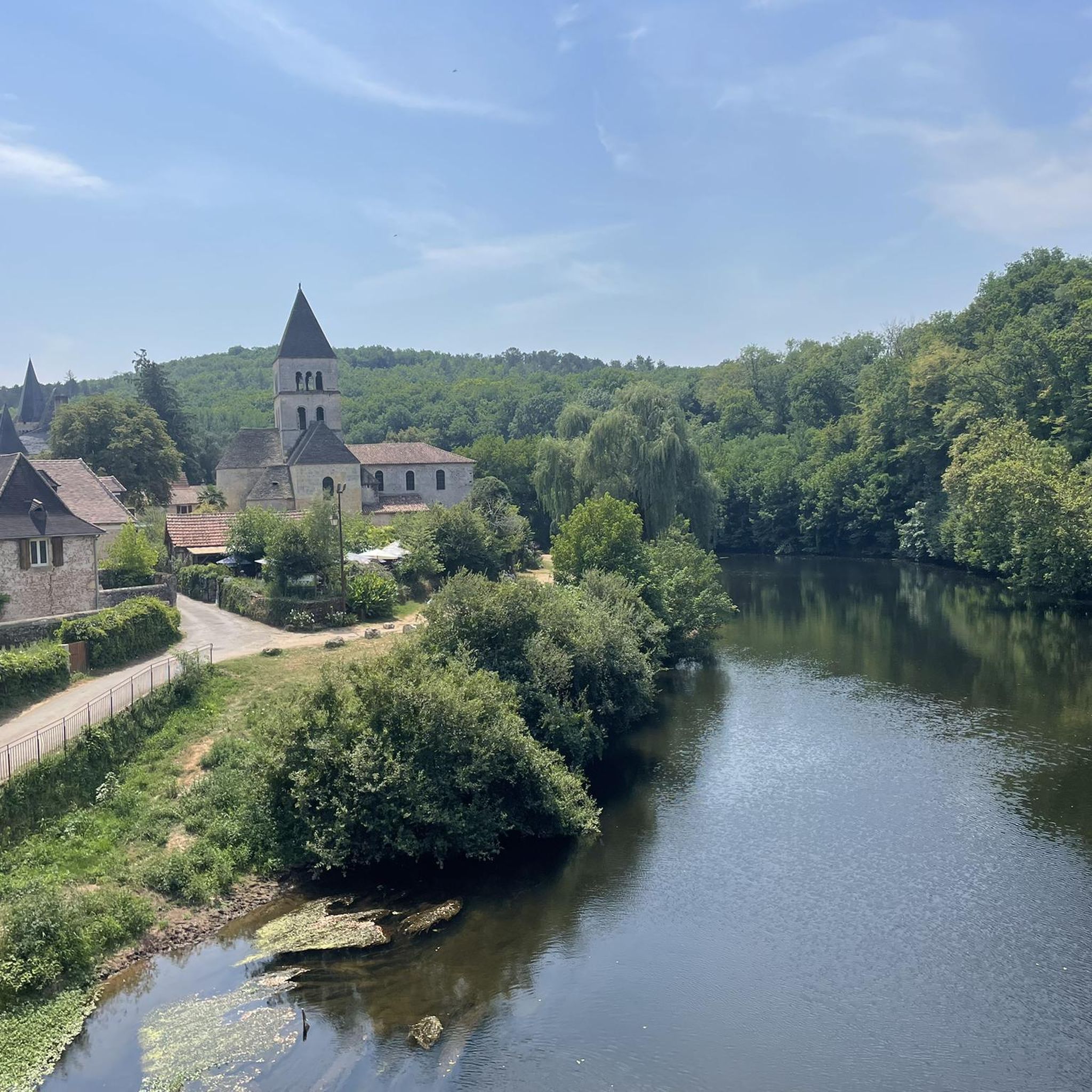
Road cycling routes around Montignac traverse the diverse landscapes of the Vézère Valley, a UNESCO World Heritage Site characterized by gently rolling hills, dramatic cliffs, and dense forests. The region features the Vézère River as a central element, with routes often following its serene riverbanks and broad alluvial plains. Cyclists can expect to encounter varied terrain, from well-paved surfaces to routes with significant elevation gains, connecting prehistoric sites and medieval villages. The nearby Dordogne Valley also offers additional cycling opportunities with its tranquil waters and lush hills.
Best road cycling routes around Montignac
- The most popular road cycling route is From Montignac to Salignac, a 36.4 miles (58.6 km) trail that takes 2 hours 52 minutes to complete. This moderate route connects two charming towns through the scenic countryside.
- Another top favourite among local road cyclists is Maison Forte de Reignac – Cycling through the rocks loop from Montignac-Lascaux, a moderate 40.1 miles (64.5 km) path. This route offers views of historical sites and unique rock formations.
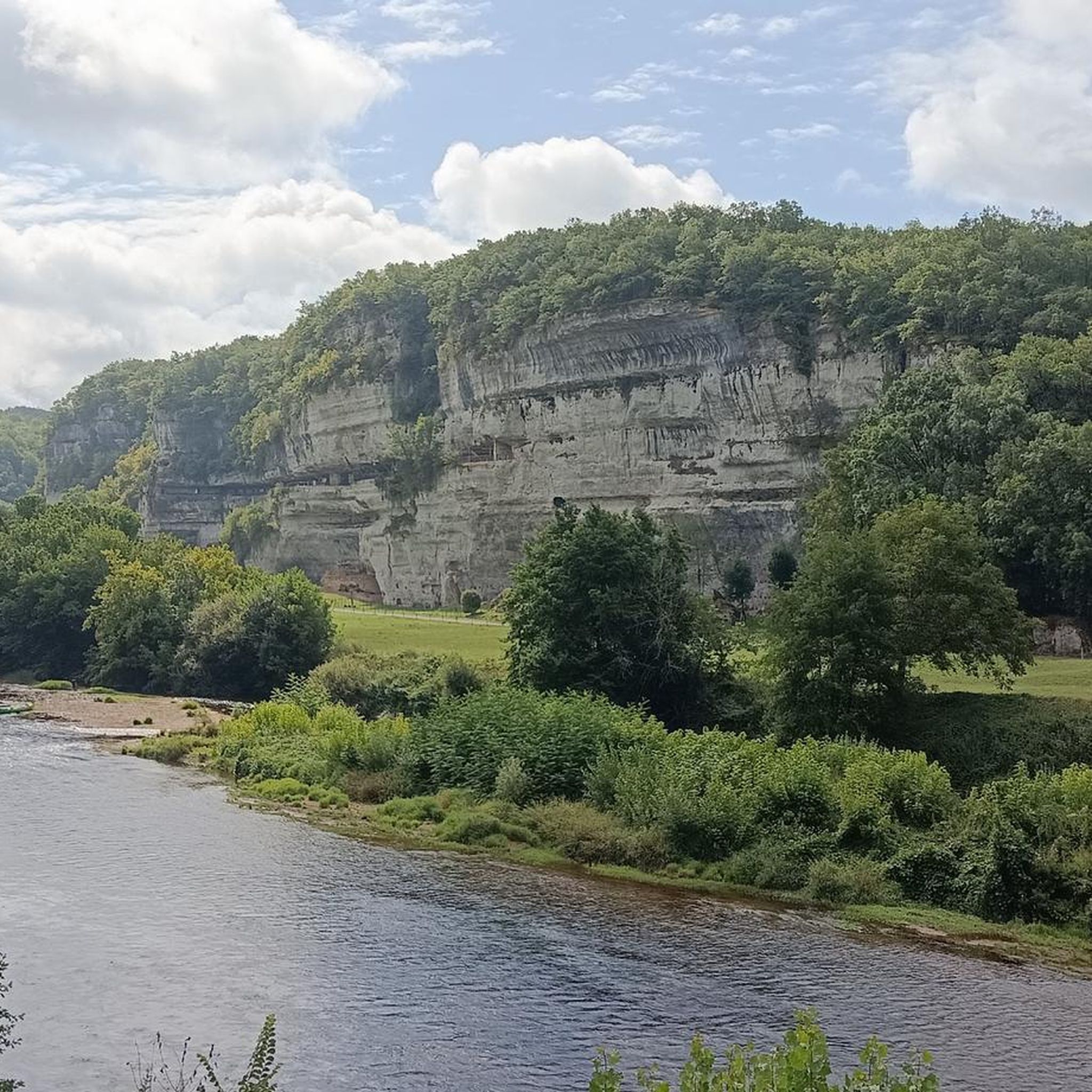
- Local road cyclists also love the Cycling through the rocks – La Roque Saint-Christophe loop from Montignac-Lascaux, a 24.9 miles (40.1 km) trail leading through prehistoric sites and dramatic cliffs, often completed in about 1 hour 44 minutes.
- Road cycling around Montignac is defined by the Vézère and Dordogne river valleys, rolling hills, and a rich tapestry of prehistoric and medieval attractions. The network offers options for various ability levels, from easy rides to more challenging routes with significant ascents.
- The routes in Montignac are highly rated by the komoot community with an average score of 4.2 stars from over 16 reviews. More than 545 road cyclists have used komoot to explore Montignac's varied terrain.
Last updated: May 18, 2026
24
riders
58.6km
02:53
690m
690m
Moderate road ride. Good fitness required. Mostly well-paved surfaces and easy to ride.
4.3
(3)
78
riders
Moderate road ride. Good fitness required. Mostly well-paved surfaces and easy to ride.

Sign up for free
4.1
(7)
83
riders
Moderate road ride. Good fitness required. Mostly well-paved surfaces and easy to ride.
5.0
(2)
59
riders
Moderate road ride. Good fitness required. Mostly well-paved surfaces and easy to ride.
52
riders
86.0km
03:30
320m
320m
Moderate road ride. Good fitness required. Some segments of this route may be unpaved and difficult to ride.
Get access to more routes and recommendations from other explorers.
Sign up for free
Already have an account?
Our route recommendations are based on thousands of hikes, rides, and runs completed by other people on komoot.
Start today with a free account
Your next adventure awaits.
Login or Signup
Other adventures around Montignac

Tips from the Community

Losse Castle is located in the commune of Thonac, on the banks of the Vézère,
0
0

Rue de Corrèze in Brive-la-Gaillarde is an iconic street in the historic center, full of charm and activity. It perfectly embodies the Brive spirit: a blend of heritage, commerce, and conviviality.
0
0
Built in the early 15th century, it stands over the tomb of Saint Liberal, a local saint from the 11th century and former archbishop of Embrun. It is built of Grammont sandstone, typical of the region, with a western portal adorned with pointed arched columns in the Limousin style.
0
0


Beautiful small village with a good variety of places to eat. Strongly recommend SmooVie Grigotheque and Le Dejeuner sur l’Herbe
0
0


Why Explore Corrèze? For its varied landscapes: The course of the Corrèze crosses landscapes ranging from wild plateaus to green valleys, offering an ideal setting for walks and nature activities. For its river heritage: The river is dotted with towns and villages that bear witness to its historical and economic importance in the region. For water activities: The Corrèze is ideal for water-based leisure activities such as canoeing, fishing, or simply walking along its banks. The Corrèze is a river that combines history, nature and leisure, allowing visitors to discover the riches of this beautiful region through its quiet course and enchanting landscapes.
1
0
The Corrèze is a river in the Massif Central, which gives its name to the department of the same name in New Aquitaine. Rising at an altitude of almost 900 metres on the Millevaches plateau, it flows for around 95 kilometres before flowing into the Vézère, a tributary of the Dordogne. The river crosses several communes, including Tulle and Brive-la-Gaillarde, playing an important role in the history and development of the region. Points of Interest in the Corrèze: A River with Wild Sources: Millevaches Plateau: The Corrèze rises in this granite region rich in peat bogs and moors. The landscape is wild and unspoilt, offering a raw nature that appeals to hiking enthusiasts and those who observe flora and fauna. Picturesque landscapes: Throughout its course, the river draws varied landscapes, between gorges, green valleys and meadows. Crossing Historic Towns: Tulle: The capital of the department, crossed by the Corrèze, is known for its medieval streets, its cathedral and its picturesque bridges that span the river. Tulle developed around this river axis that shaped its history. Brive-la-Gaillarde: Further downstream, the Corrèze bathes this dynamic and commercial city. Its development was also linked to its proximity to the river, which encouraged trade and industry. A Natural and Tourist Heritage: Outdoor activities: The river offers many possibilities for leisure, including fishing, canoeing and hiking. The banks of the Corrèze are often lined with developed trails that allow you to discover the natural beauty of the region. Wildlife observation: The Corrèze is home to a rich biodiversity, with a variety of aquatic fauna, such as trout, pike and crayfish. It is also home to many species of birds. Historical and Economic Role: Irrigation and Mills: Over the centuries, the Corrèze has been used to irrigate agricultural land and power many mills, which played a crucial role in the local economy. Some remains of these mills still exist today. Strategic Importance: Riverside towns such as Tulle and Brive took advantage of their position on the Corrèze to develop commercially and militarily, using the river as a means of communication.
1
0
Frequently Asked Questions
How many road cycling routes are available around Montignac?
There are over 35 road cycling routes around Montignac, catering to various skill levels. This includes 4 easy routes, 25 moderate routes, and 6 more challenging routes for experienced riders.
What kind of terrain can I expect on road cycling routes in Montignac?
Road cycling routes in Montignac traverse the diverse landscapes of the Vézère Valley, a UNESCO World Heritage Site. You can expect gently rolling hills, dramatic cliffs, and dense forests, with the Vézère River often featuring prominently. The terrain varies from well-paved surfaces to routes with significant elevation gains, connecting prehistoric sites and medieval villages. The nearby Dordogne Valley also offers additional cycling opportunities with its tranquil waters and lush hills.
What is the best time of year for road cycling in Montignac?
Spring and autumn are generally considered the best times for road cycling in Montignac, offering mild and pleasant weather, and vibrant natural landscapes. Summer cycling is also enjoyable, especially in the mornings or late afternoons to avoid midday heat.
Are there road cycling routes suitable for beginners in Montignac?
Yes, Montignac offers several road cycling routes suitable for beginners. There are 4 easy routes available, providing a gentler introduction to the region's beautiful scenery. These routes typically feature less elevation gain and are on well-paved surfaces.
Are there challenging road cycling routes for experienced riders in Montignac?
Absolutely. For experienced riders seeking a challenge, Montignac offers 6 difficult road cycling routes. These routes feature significant elevation gains and cover longer distances, providing a rewarding experience through the region's varied topography.
What historical sites or landmarks can I see along road cycling routes in Montignac?
Many road cycling routes in Montignac pass by or lead to significant historical and cultural sites. You can explore prehistoric wonders like La Roque Saint-Christophe, charming medieval villages such as Saint-Amand-de-Coly and Saint-Léon-sur-Vézère, and impressive châteaux like Maison Forte de Reignac and Losse Castle and Gardens. The routes often connect these points of interest, allowing for a blend of physical activity and sightseeing.
Are there scenic viewpoints on the road cycling routes around Montignac?
Yes, the dramatic cliffs and rolling hills of the Vézère and Dordogne Valleys naturally create numerous scenic viewpoints. Routes often offer expansive vistas of the rivers and surrounding countryside. For example, you can find stunning views like the View of Château de l'Escaleyrou and the Vézère Valley or the View of the Château de Losse.
Are there circular road cycling routes around Montignac?
Yes, many road cycling routes around Montignac are designed as loops, allowing you to start and finish in the same location. Examples include the moderate route Maison Forte de Reignac – Cycling through the rocks loop from Montignac-Lascaux, which offers views of historical sites, and the Cycling through the rocks – La Roque Saint-Christophe loop from Montignac-Lascaux, leading through prehistoric sites.
Are there family-friendly road cycling options in Montignac?
Montignac offers a variety of routes, including easier options that can be suitable for families, especially those with some cycling experience. The region also features dedicated cycling paths, such as greenways ("voies vertes"), which offer a car-free or low-traffic environment along the Vézère River, ideal for a more relaxed family ride. Bike rentals, including electric bikes, are readily available to assist with varied fitness levels.
What are the options for parking when road cycling in Montignac?
Montignac, being a central hub, offers various parking options within the town, making it convenient to start your road cycling adventures. Many routes begin directly from Montignac-Lascaux, allowing easy access to parking facilities before you set off.
Can I find cafes or places to stop along the road cycling routes?
Yes, the road cycling routes often pass through charming medieval villages and riverside towns like Montignac itself, Saint-Léon-sur-Vézère, and Terrasson. These locations provide ample opportunities to stop for refreshments at local cafes, bakeries, or restaurants, allowing you to refuel and enjoy the local atmosphere.
What do other road cyclists enjoy most about road cycling in Montignac?
The road cycling experience in Montignac is highly rated by the komoot community, with an average score of 4.2 stars from over 16 reviews. Cyclists often praise the diverse landscapes, the blend of historical and natural attractions along the routes, and the variety of options available for different skill levels. The serene riverbanks and picturesque villages are frequently highlighted as favorite aspects.
Most popular attractions around Montignac

Get inspired with the komoot mobile app


Explore more
Browse the best Road cycling routes in other regions.
