Attractions and Places To See around La Madelaine-Sous-Montreuil - Top 20
Attractions and places to see around La Madelaine-Sous-Montreuil include a blend of historical sites, natural landscapes, and cultural experiences. Situated in the Pas-de-Calais department of France, the commune is bordered by 80 hectares of marshes and the Canche River. The area offers diverse environments for exploration, from river paths to historical fortifications. It is known for its picturesque setting and tranquil atmosphere, providing a range of points of interest for visitors.
Best attractions and places to see around La Madelaine-Sous-Montreuil
…Last updated: May 4, 2026
Étaples: Sculptures and street art
Highlight • Settlement
Translated by Google •
Tip by

Montreuil and its citadel
Highlight • Other
Translated by Google •
Tip by

Sign up now to discover places like this
Get recommendations on the best single tracks, peaks, & plenty of other exciting outdoor places.
Sign up for free
View of Étaples harbor
Highlight • Viewpoint
Tip by

Calvaire des Marins d’Étaples
Highlight • Monument
Translated by Google •
Tip by

Saint Saulve Abbey Church
Highlight • Other
Translated by Google •
Tip by
Sign up for free to discover even more attractions around La Madelaine-Sous-Montreuil.
Sign up for free
Already have an account?
Start today with a free account
Your next adventure awaits.
Login or Signup
Popular around La Madelaine-Sous-Montreuil



Tips from the Community


Montreuil on the sea
1
0

The origins of Montreuil, whose name derives from the Latin 'monasteriolum' (small monastery), are closely linked to its religious history. The abbey church of Saint-Saulve in Montreuil-sur-Mer was built in the 12th century and is located on the site of an older monastery dedicated to Saint Walloy, founded in the 10th century. In 926, the monks of Landévennec (Finistère) fled the Norman invasions and found refuge in Montreuil, where they founded the abbey of Saint-Walloy (local deformation of the name Saint Guénolé). In 1111, this abbey changed its name when the remains of Saint-Saulve were brought there. In its original design, the building had a layout typical of pilgrimage churches with an ambulatory and radiating chapels. In the Middle Ages, the numerous relics attracted pilgrims to Montreuil and gave the town a character of holiness. It was then nicknamed 'The Necropolis of Ponthieu'. The reconstruction after the earthquake of 1467 caused the collapse of at least six religious buildings, including the Hôtel-Dieu and the Saint-Saulve church, which was completely rebuilt at the beginning of the 16th century.
7
0

Here, there is a series of artworks and sculptures, including “BLACK MAN” by Bruno Catalano. Take a stroll and let yourself be transported by these artistic manifestations.
3
0

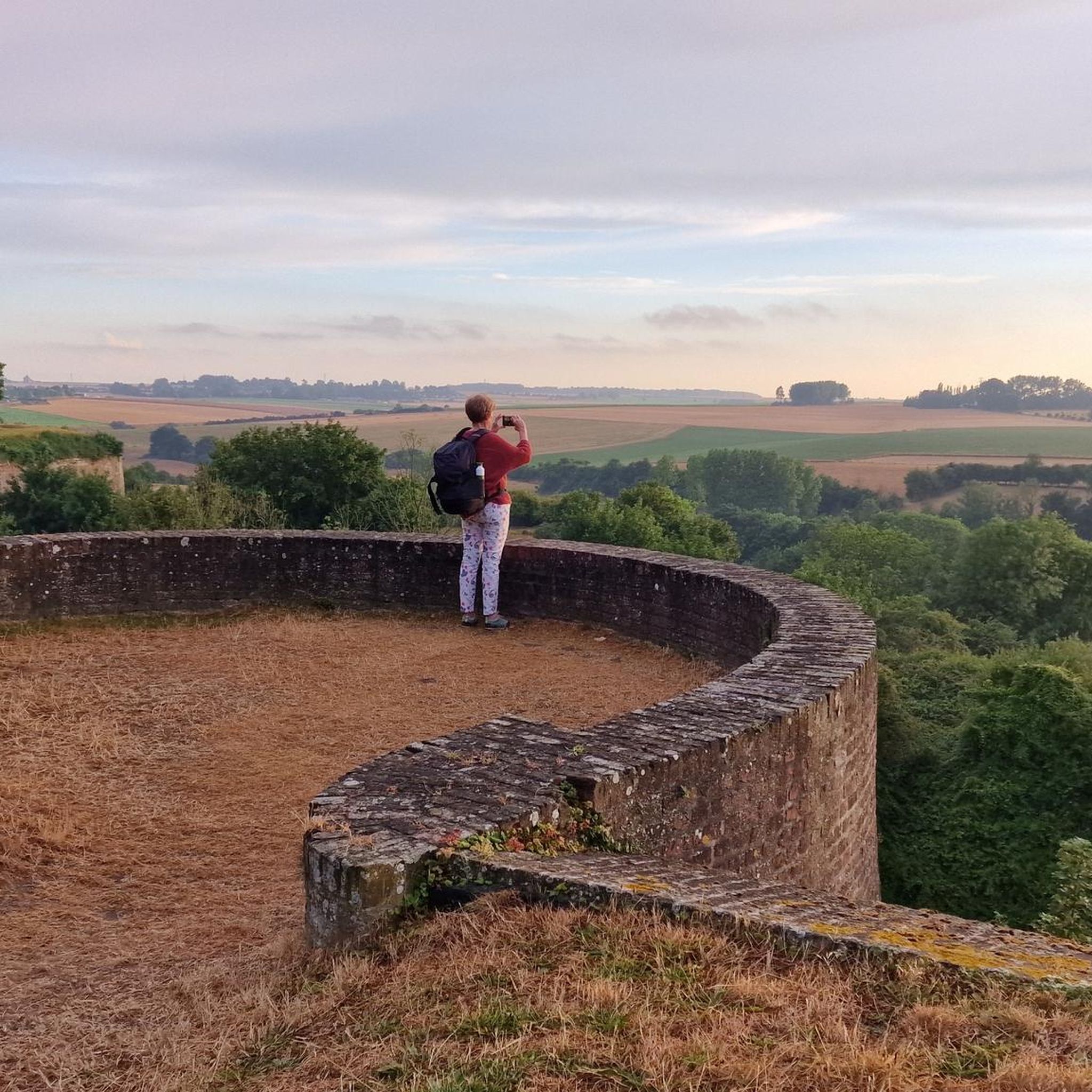
Montreuil is a royal citadel built in the 16th century on the foundations of an ancient castle. You can explore the citadel and its fortifications, admire the architecture and views of the Canche valley, and discover the history of the site. You can also visit the museum located inside the citadel, which features exhibits on the military and natural heritage of the region.
5
1

Jean Pierre Rives, from Toulouse, well known for his qualities as a rugby player and as former captain of the French team, is also an artist recognized in the world of sculpture. It was in Etaples that he agreed with the Mayor to make a short stopover and drop off three of his monumental works which now stand on the port and opposite the municipal tourist office.
7
0
The abbey church is 11th century; the northeastern side of the tower, which serves as a portal, is still original. The church was rebuilt in the 13th and 16th centuries. The new vaults were lower, which is why it is so dark. Inside, view the capital friezes to the right of the nave, and two 18th century paintings: above the high altar "The Vision of St Dominic" by Jouvenet; left in the chapelle Notre-dame, "The entry into the monastery of St-Austreberthe" by Restout.
9
0

Here "the art lies at the side of the road". Especially flair in this place.
3
0
Frequently Asked Questions
What historical landmarks can I explore near La Madelaine-Sous-Montreuil?
You can visit Montreuil and its citadel, a royal citadel built in the 16th century on the foundations of an ancient castle. Explore its fortifications, admire the architecture, and enjoy views of the Canche valley. Additionally, the village itself features a 19th-century Château and the Neo-Gothic Chapelle des Sept Douleurs.
What natural attractions are there to explore around La Madelaine-Sous-Montreuil?
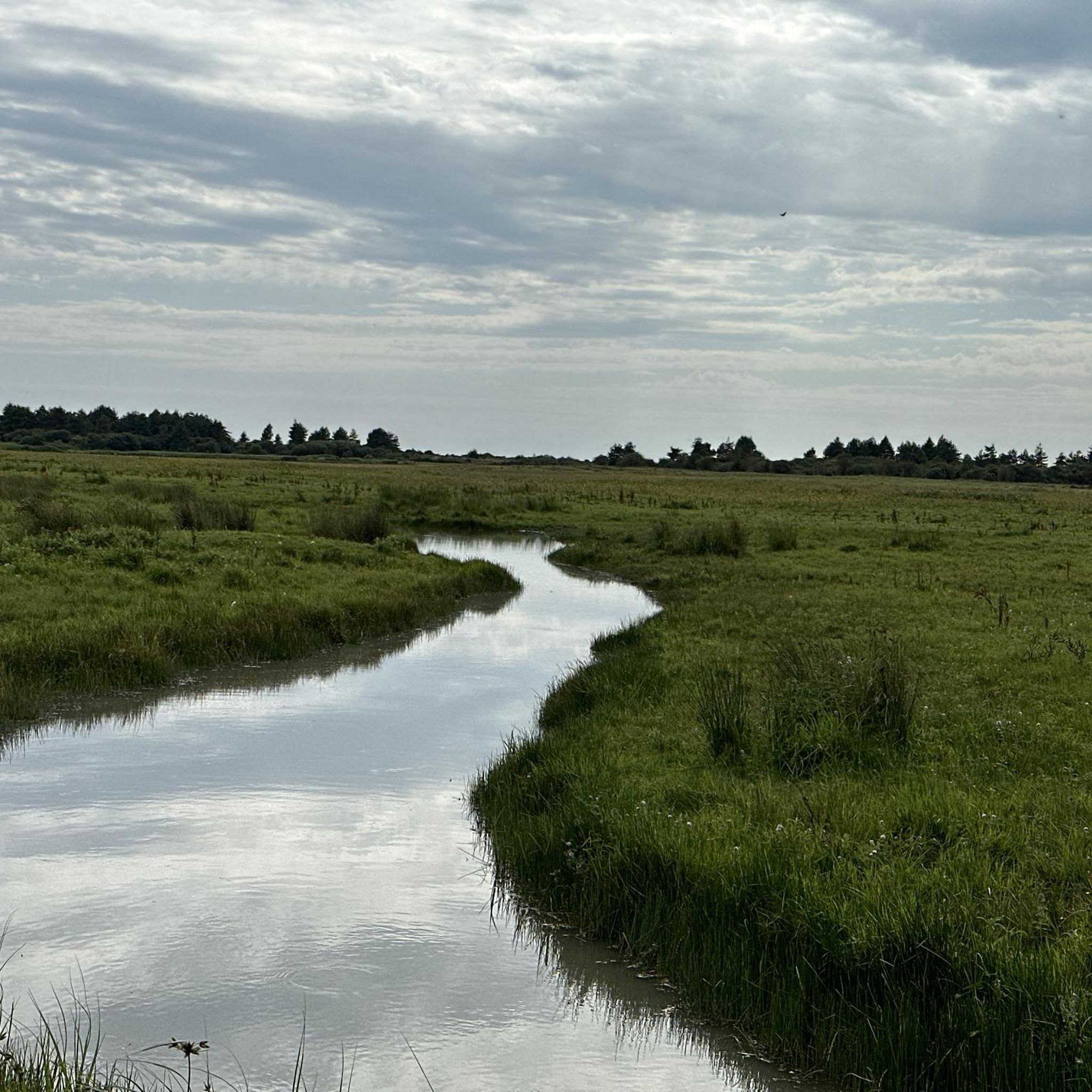
The village is bordered by 80 hectares of verdant marshes of the Canche, interspersed with canals, offering diverse landscapes. The Canche River also flows nearby, providing serene paths for walks. These areas are part of the broader "Paysages Montreuillois," known for their natural beauty and ecological significance.
Are there any unique artistic sites to visit in the area?
Yes, you can discover Étaples: Sculptures and street art, a settlement known for its artistic heritage, featuring various artworks and sculptures. Étaples was historically home to many painters in the 19th and 20th centuries. Also, within the marshes, "Le Grand Bain" serves as a unique space connecting art with nature.
Where can I find scenic viewpoints near La Madelaine-Sous-Montreuil?
A notable scenic viewpoint is the View of Étaples harbor, which offers perspectives of the Canche river as it widens into an estuary. From this location, you can see the historic town of Étaples, which dates back to the 9th century.
What kind of outdoor activities can I do near these attractions?
The region offers various outdoor activities, particularly cycling. You can find numerous routes for road cycling, mountain biking, and touring bicycles. For example, explore Road Cycling Routes, MTB Trails, or general Cycling Routes around La Madelaine-Sous-Montreuil.
Are there hiking or walking trails available around La Madelaine-Sous-Montreuil?
Yes, the surrounding area offers a variety of hiking trails that traverse the marshes, follow river paths along the Canche, and ascend hills, catering to different fitness levels. These trails often provide views of the countryside and the historic citadel of Montreuil-sur-Mer.
What is the Saint Saulve Abbey Church and its significance?
The Saint Saulve Abbey Church in Montreuil-sur-Mer is an 11th-century church, rebuilt in the 13th and 16th centuries. Its origins are closely linked to Montreuil's religious history, as it was built on the site of an older monastery. In the Middle Ages, its numerous relics attracted pilgrims, earning Montreuil the nickname 'The Necropolis of Ponthieu'.
What is the Calvaire des Marins d’Étaples?
The Calvaire des Marins d’Étaples is a monument located on the port of Étaples, paying tribute to sailors who have disappeared at sea since the 19th century. Originally built in 1818, it has been moved and replaced several times, with the current structure dating from 1953. It's a symbolic and moving place for the local community.
What culinary experiences can I find in the region?
The area boasts a notable culinary scene. La Madelaine-Sous-Montreuil is home to the renowned two-Michelin-starred restaurant, La Grenouillère. Visitors can enjoy traditional and gourmet cuisine, reflecting the region's rich gastronomic heritage. More information can be found at Tourisme Hauts-de-France.
Is Montreuil-sur-Mer easily accessible from La Madelaine-Sous-Montreuil?
Yes, Montreuil-sur-Mer is very close to La Madelaine-Sous-Montreuil. The village is nestled between the Canche river and the hills of Montreuil-sur-Mer, making the historic city a highly recommended and easily accessible visit for its ramparts and rich history.
What is the best time to visit La Madelaine-Sous-Montreuil for outdoor activities?
The region's natural beauty, including the marshes and river paths, can be enjoyed throughout the warmer months, typically from spring to early autumn, when the weather is most favorable for hiking, cycling, and exploring the outdoors. The mild climate of the Pas-de-Calais department generally supports outdoor activities for a good portion of the year.
Most popular routes around La Madelaine-Sous-Montreuil

Get inspired with the komoot mobile app


Explore more
Still not found the Highlight you’re looking for? See guides of the top attractions in other regions:
