Top 6 Castles around Salses-Le-Château
Best castles around Salses-Le-Château are found in a region known for its strategic location between the Salses-Leucate pond and the Corbières. This area is historically significant, particularly for its role on the Franco-Spanish border, exemplified by the Fort de Salses. This impressive fortress showcases transitional military architecture, blending medieval castle elements with modern bastioned fort innovations. The region offers a diverse range of castles to see and explore, each with its own unique history and architectural style.
Best castles around Salses-Le-Château
- The most popular castles is Salses Fortress, a man-made monument that served as a former border fortress in the French-Spanish border area. It is a masterpiece of transitional military architecture, designed to withstand powerful artillery with immensely thick walls and a complex layout.
- Another must-see spot is La Franqui Redoubt, a 17th-century fort. Visitors can expect to see a historic fortress that also served as a beacon, used to monitor the Mediterranean.
- Visitors also love Château de Tautavel, a medieval castle from the 11th century. The castle is easily accessible from the village and offers a panorama.
- Salses-Le-Château is known for its variety of historical fortifications, including transitional fortresses, medieval castle ruins, and 17th-century forts. The region offers a diverse range of castles to see and explore.
- The castles around Salses-Le-Château are appreciated by the komoot community, with more than 100 upvotes and over 100 photos shared.
Last updated: August 23, 2026
Salses Fortress
Highlight • Monument
Translated by Google •
Tip by

Redoute de la Franqui
Highlight • Castle
Showing Translation
Tip by

Sign up now to discover places like this
Get recommendations on the best single tracks, peaks, & plenty of other exciting outdoor places.
Sign up for free
Salses-le-Château Fortress
Highlight • Castle
Translated by Google •
Tip by

Perillos
Highlight • Castle
Translated by Google •
Tip by

Château de Tautavel
Highlight • Castle
Translated by Google •
Tip by

Sign up for free to discover even more castles around Salses-Le-Château.
Sign up for free
Already have an account?
Start today with a free account
Your next adventure awaits.
Login or Signup

Tips from the Community

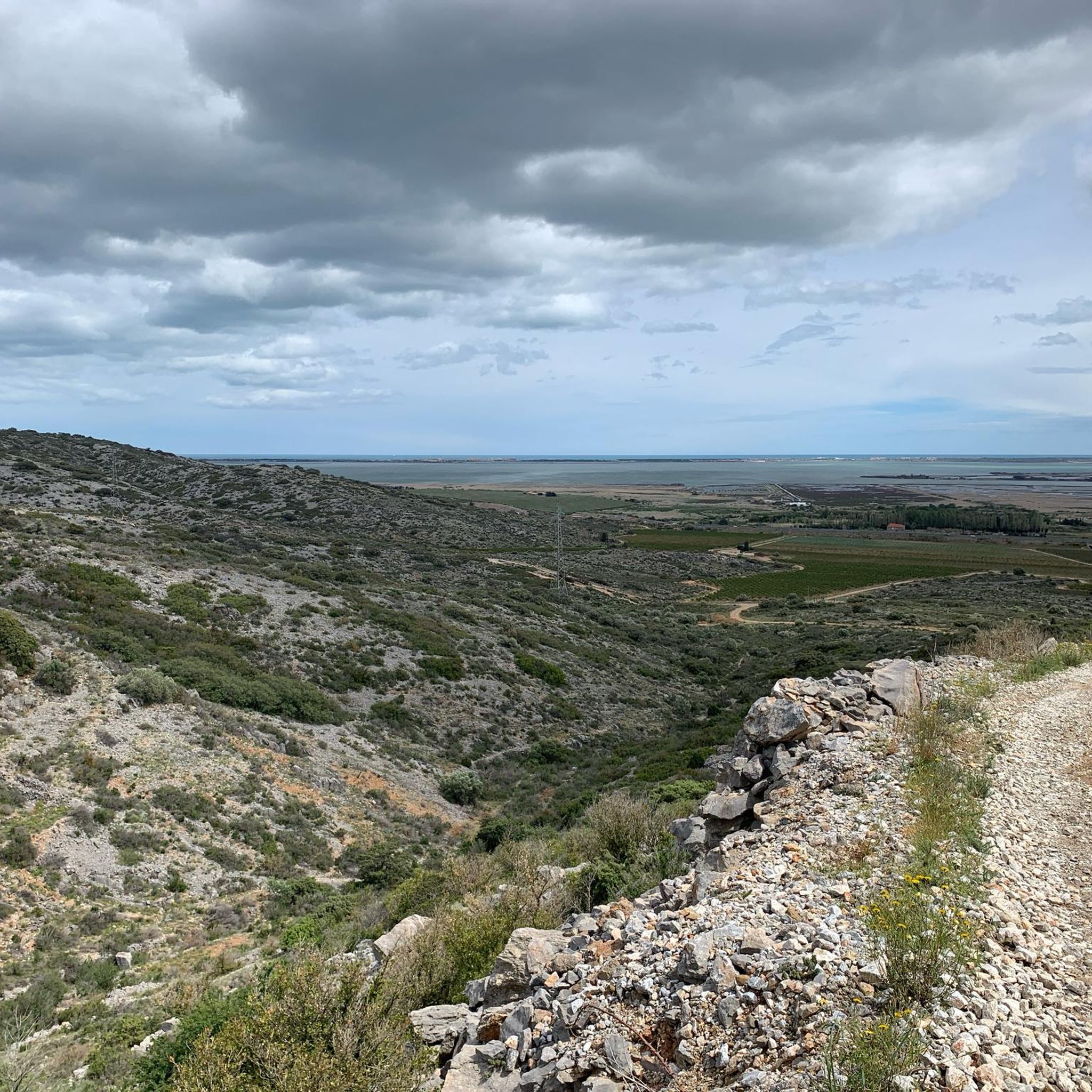
This small 18th-century coastal fort watched over the French Mediterranean coast for decades. Today it is a magnificent viewpoint over the Gulf of Lion and the beaches of La Franqui, a perfect place to take a break and enjoy the landscape.
1
0

Great facility, located on the tour, but unfortunately, we didn't have time for a thorough tour. Will stay for the next vacation :)
0
0

Interesting remains of an ancient fortification, recently completely restored
1
2

Superb fortress whose history is little-known and interesting. The included guided tour is a must!
1
1

A building worth seeing, there is an entrance fee.
1
0

From Tautavel you can enjoy a good mountain hike in half an hour. The surroundings are beautiful, so walking further is the obvious choice
8
0
Little is left of Tautavel Castle. It was a medieval castle from the 11th century, it was destroyed with explosives in the 17th century. The castle is on the route to Torre del Far.
2
0

Old 17th-century fort used for surveillance of the Mediterranean. The building also served as a fanal (a type of lighthouse).
3
2
Frequently Asked Questions
What is the most historically significant castle in the Salses-Le-Château region?
The most historically significant castle is the Salses Fortress. It's a masterpiece of transitional military architecture, built between 1497 and 1503, showcasing the shift from medieval castles to modern fortresses designed to withstand powerful artillery. Its strategic location on the Franco-Spanish border led to a tumultuous history of sieges and captures.
Are there any family-friendly castles to visit in the area?
Yes, the Salses Fortress is considered family-friendly. It offers rally tours and circuits adapted for children, as well as various workshops throughout the year. These can include activities focused on aromatic plants or traditional games, making it an engaging visit for all ages.
What unique architectural features can I expect to see at the Salses Fortress?
The Salses Fortress is distinctive for its transitional architecture, blending medieval and modern military design. You'll see immensely thick red brick walls, some measuring 33 feet wide and half-buried, designed to resist artillery. It features two moats that could be flooded, a complex maze of passageways, and innovative engineering like baffles and counter-mine galleries.
How long does it typically take to visit the Salses Fortress?
While the exact duration can vary based on your interest, visitors often spend a few hours exploring the Salses Fortress. Guided tours are available, which can enhance your experience with anecdotes and explanations, and there are multiple levels and areas to discover, including residential quarters, ramparts, and the dungeon.
Are there any castles that offer great viewpoints?
Yes, several castles in the region offer remarkable viewpoints. The La Franqui Redoubt, a 17th-century fort, provides views over the Mediterranean. Additionally, the Château de Leucate – View of Leucate, an old castle ruin, offers views over the Etaung, and the Château de Tautavel provides a magnificent panorama from its accessible location.
What kind of outdoor activities can I do near these castles?
The area around Salses-Le-Château offers a variety of outdoor activities. You can find numerous hiking routes, including moderate loops around the Salses Fortress. There are also extensive MTB trails and cycling routes that explore the diverse landscapes, from coastal paths to inland hills.
Is there parking available at the Salses Fortress?
Yes, the Fort de Salses is accessible from the A9 autoroute rest area, making it convenient for visitors arriving by car. Parking facilities are available on-site or nearby.
What is the best time of year to visit the castles in Salses-Le-Château?
The region's castles, particularly the Salses Fortress, can be visited year-round. However, spring and autumn offer pleasant temperatures for exploring both the historical sites and the surrounding natural features. Summer evenings sometimes feature special events, like night openings for astronomy enthusiasts at the fortress.
Are there any less crowded or hidden castle ruins to explore?
For a more secluded experience, you might consider visiting Perillos. While not entirely deserted, this village and its castle ruins offer a chance to explore nature and stony paths, with beautiful views. It's a spot appreciated by nature lovers and photographers.
What do visitors enjoy most about the Salses Fortress?
Visitors frequently highlight the impressive scale and unique architecture of the Salses Fortress. Its immensely thick walls and complex design are often described as 'gigantic' and 'worth seeing.' Many appreciate its historical significance as a former border fortress and a blend of medieval and modern military engineering.
Can I find cafes or restaurants near the castles?
While specific cafes directly adjacent to every castle ruin might be limited, the main attraction, the Salses Fortress, is located near the town of Salses-Le-Château, where you can find dining options. For other sites like Perillos, it's advisable to bring your own refreshments, though some small, seasonal establishments might be present.
What is the significance of the Château de Leucate?
The Château de Leucate – View of Leucate is an old castle ruin that holds cultural significance. Beyond its historical past, it is still actively used today for concerts and other cultural or private events. It's also a popular spot for enjoying sunsets over the Etaung.
Most popular routes around Salses-Le-Château
Most popular attractions around Salses-Le-Château

Get inspired with the komoot mobile app


Explore more
Looking for the best castles somewhere else? Discover other guides around Salses-Le-Château:
