The best running trails around Mauna Loa
45
runners
12
runs
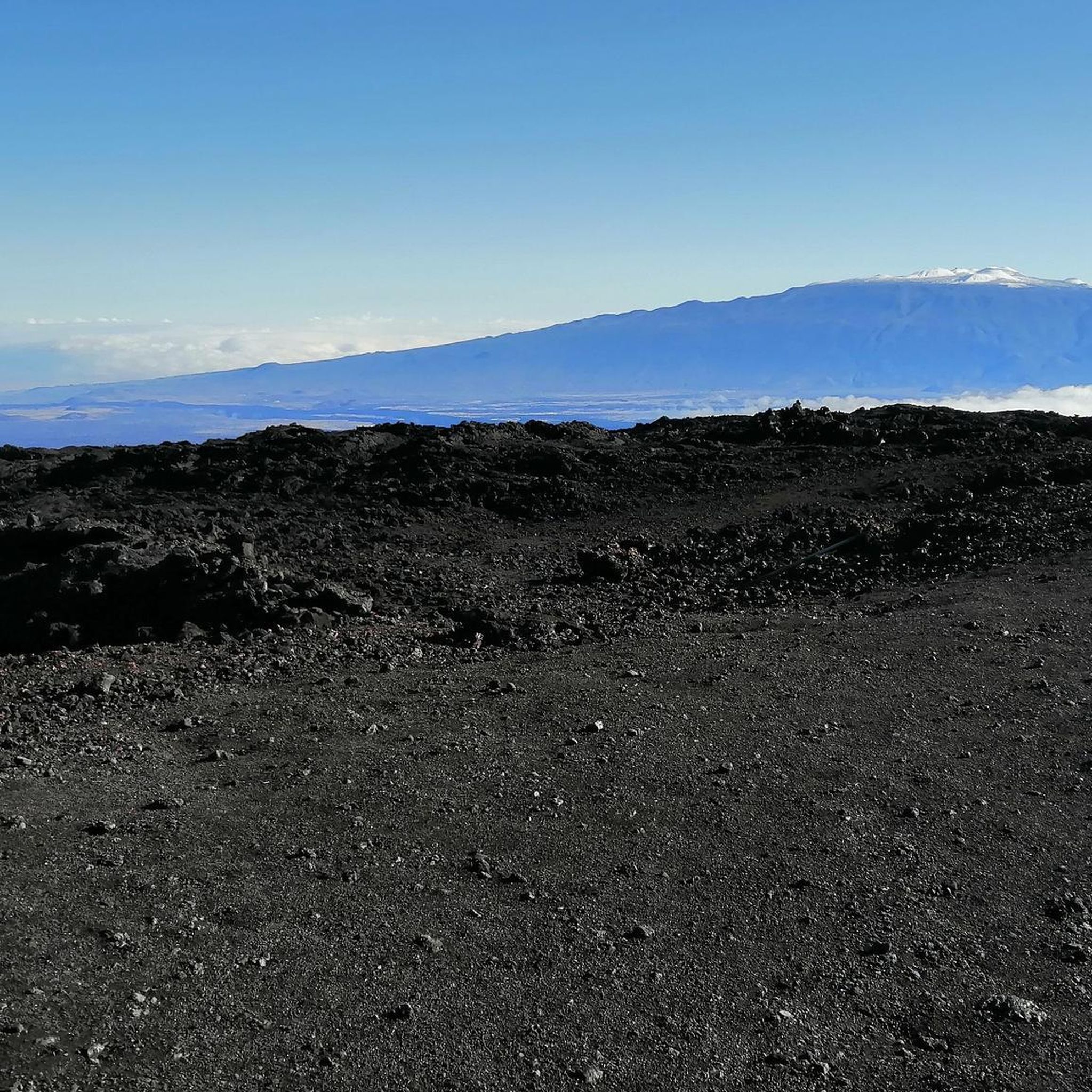
Jogging routes around Mauna Loa traverse a distinctive environment shaped by its active volcanic nature and varied ecosystems. The landscape features extensive lava fields, including both 'A'a and Pahoehoe flows, alongside subalpine woodlands with koa and ʻōhiʻa trees on its lower slopes. Elevation changes provide diverse experiences, from paved scenic routes to rugged volcanic terrain. This region offers opportunities to experience unique geological formations and endemic flora.
Best jogging routes around Mauna Loa
- The most popular jogging route is Crater…
Last updated: May 10, 2026
14
runners
14.1km
01:46
370m
370m
Jog the difficult 8.7-mile Crater Rim Trail in Hawaiʻi Volcanoes National Park, exploring volcanic landscapes and rainforests.
1
runners
3.29km
00:21
20m
20m
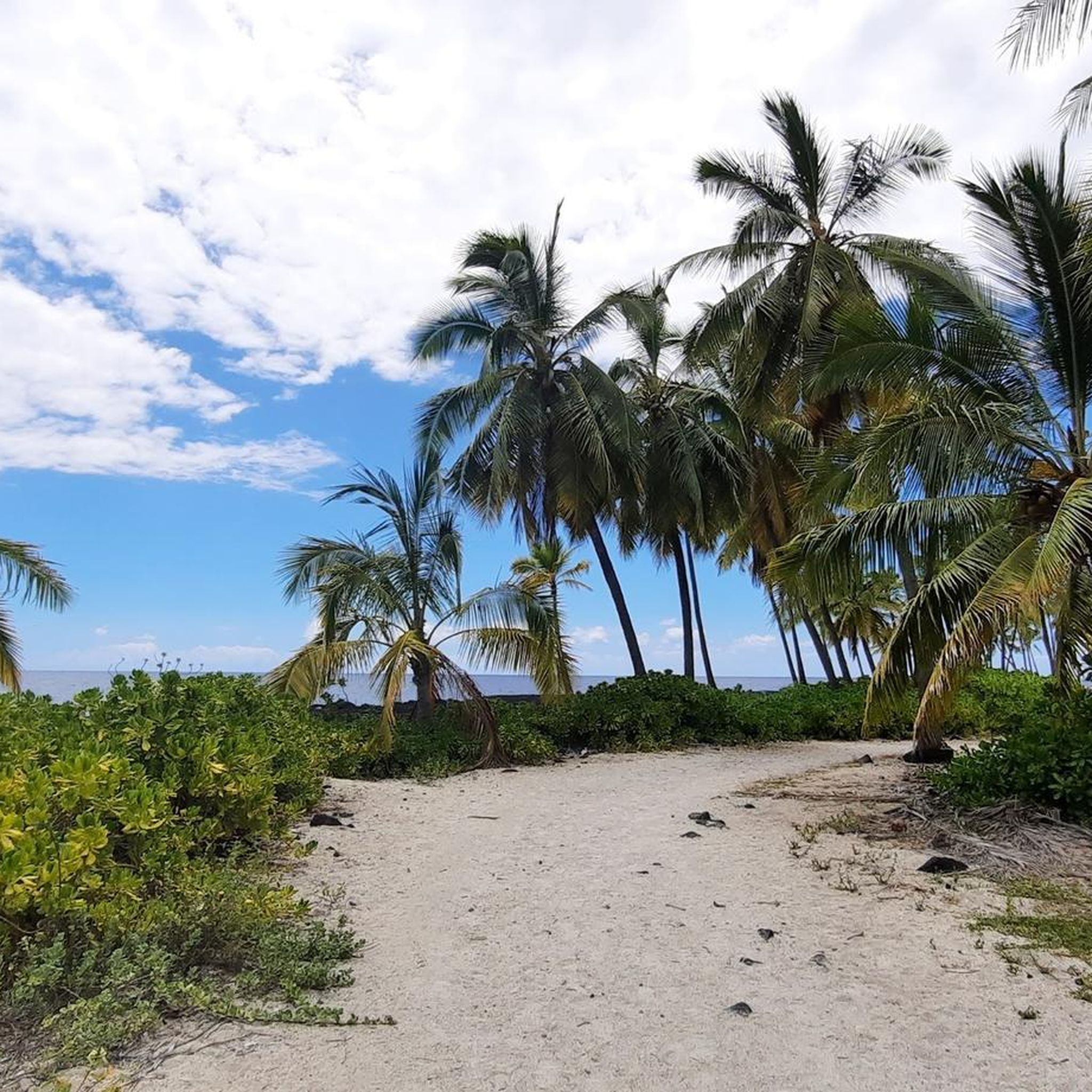
Jog the moderate 2.0-mile Ala Kahakai National Historic Trail in Puʻuhonua o Hōnaunau National Historical Park, featuring coastal views and

Sign up for free
13.1km
01:51
500m
500m
Jogging the difficult Pit Crater Trail in Hawaiʻi Volcanoes National Park offers 8.2 miles with 1647 feet elevation gain through native rain
4.29km
00:32
60m
60m
Jog the easy Kamakapa'a Trail in Hawaiʻi Volcanoes National Park for panoramic views from a cinder cone, covering 2.7 miles.
6.52km
00:48
70m
70m
Jog the 4.1-mile (6.5 km) Footprints Trail in Hawaiʻi Volcanoes National Park, a moderate route through volcanic landscapes with ancient hum
11.5km
01:33
340m
340m
The difficult 7.1-mile Kona Trail Loop in Hawaiʻi Volcanoes National Park offers a challenging jog with 1115 feet of elevation gain.
1.90km
00:15
50m
50m
Jog the easy 1.2-mile Kīpuka Puaulu Trail loop in Hawaiʻi Volcanoes National Park, exploring a unique forest and spotting native birds.
14
runners
12.6km
01:19
70m
70m
Moderate run. Good fitness required. Mostly paved surfaces. Suitable for all skill levels.
10
runners
Moderate run. Good fitness required. Mostly paved surfaces. Suitable for all skill levels.
6
runners
15.8km
01:39
90m
90m
Hard run. Very good fitness required. Mostly paved surfaces. Suitable for all skill levels.
Get access to more routes and recommendations from other explorers.
Sign up for free
Already have an account?
Our route recommendations are based on thousands of hikes, rides, and runs completed by other people on komoot.
Start today with a free account
Your next adventure awaits.
Login or Signup
Popular around Mauna Loa
Tips from the Community

impressive 500-meter-long tunnel in the lava flow
2
0
The center is closed for renovations until August 2026
2
0

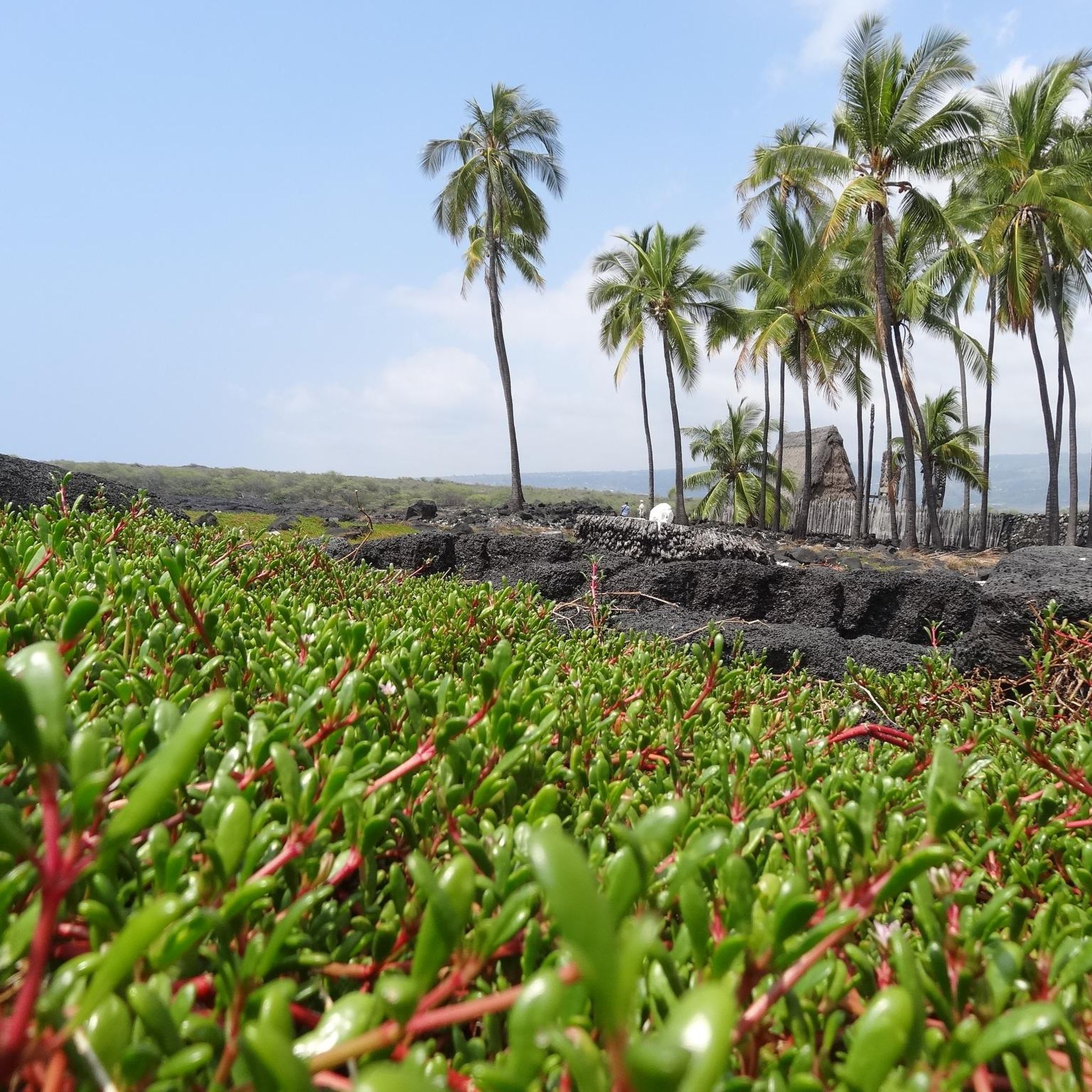
The spectacularly crafted Ala Kahakai National Historic Trail takes you down a black rocky bluff and right up to the water's edge. You can see across the Ki'ilae Watercourse to Ki'i Point where the old lava flow meets the sea.
0
0

Ferns in oversize - super impressive
0
0
Never seen anything like this before
0
1

This 500-year-old lava tube was created by a river of lava. Nowadays the lava tube is lit for visitors from 8am-8pm, and the National Park Service urges you to be avoid touching the tube's walls and any hanging roots, as they support entire ecosystems of very delicate organisms. Parking around the lava tube is extremely scarce, but you can hike here along the Crater Rim Trail, which offers many more parking opportunities.
1
0

Iki Trail is a must in Volcano National Park
0
1
Frequently Asked Questions
How many running routes are available around Mauna Loa?
There are over 10 dedicated running routes around Mauna Loa, catering to various skill levels. These include easy loops, moderate paths, and more challenging trails across diverse volcanic landscapes.
What kind of terrain can I expect on Mauna Loa's jogging trails?
Jogging routes around Mauna Loa feature a distinctive environment shaped by its active volcanic nature. You'll encounter extensive lava fields, including both 'A'a and Pahoehoe flows, alongside subalpine woodlands with koa and ʻōhiʻa trees on its lower slopes. The terrain can range from paved scenic routes to rugged volcanic surfaces.
Are there any easy running routes suitable for beginners or families?
Yes, there are several easier running options. For instance, the Kīpuka Puaulu Trail is a 1.2-mile loop through a unique 'forest island' rich in plant and bird life, perfect for a relaxed jog. Another easy option is Kamakapa'a via Kamakapa'a Trail.
What are some notable natural features or attractions I might see while running?
While running around Mauna Loa, you can experience unique geological formations and endemic flora. The Puʻuhonua o Hōnaunau National Historical Park and Punaluʻu Black Sand Beach are nearby attractions. On some trails, you might spot the endangered Mauna Loa silversword plant in exclosures or enjoy panoramic views from the Mauna Loa Lookout.
Are there challenging running routes for experienced runners?
Absolutely. For those seeking a more rigorous experience, the Kona Trail Loop is a difficult 7.1-mile path with a challenging 1115 feet of elevation gain. The Crater Rim Trail also offers an 8.7-mile jog through volcanic landscapes and rainforests with significant elevation changes.
What is the best time of year to go running on Mauna Loa?
Mauna Loa offers a unique environment year-round, but conditions can vary significantly with elevation. The lower slopes are generally more temperate. At higher altitudes, weather can change rapidly, and conditions can be extreme. It's always best to check local weather forecasts and park advisories before heading out, especially for higher elevation routes.
Are there any loop trails for jogging around Mauna Loa?
Yes, several routes are designed as loops. The Kīpuka Puaulu Trail is a 1.2-mile loop, and the Kona Trail Loop is a 7.1-mile option. These provide a circular experience without retracing your steps.
Is public transport available to access the jogging trails?
Public transport options directly to the trailheads on Mauna Loa are limited. Most visitors access the trails by private vehicle. It's advisable to plan for car access or check for any specific shuttle services offered by Hawaiʻi Volcanoes National Park if you plan to visit areas within the park.
Where can I find parking for the running routes?
Parking is generally available at designated trailheads and visitor centers within Hawaiʻi Volcanoes National Park, which hosts many of the running routes. For specific routes like those along Mauna Loa Strip Road, there are pull-offs and parking areas. Always check park maps and signage for official parking locations.
Do I need any special permits to jog on Mauna Loa?
For most day-use jogging trails within Hawaiʻi Volcanoes National Park, a permit is not required beyond the park entrance fee. However, for backcountry hiking and overnight stays, especially on the Mauna Loa Summit Trail, permits are mandatory. Always check the official National Park Service website for the most current permit requirements: nps.gov/havo.
What should I wear or bring when running on Mauna Loa?
Given the varied terrain and potential for rapid weather changes, especially at higher elevations, it's crucial to be prepared. Bring layers of clothing, including warm clothes, rain gear, and sun protection (hat, sunglasses, sunscreen). Ample water is essential, as are sturdy running shoes suitable for uneven volcanic surfaces. Be mindful of altitude sickness at higher elevations.
Can I bring my dog on the running trails near Mauna Loa?
Within Hawaiʻi Volcanoes National Park, pets are generally restricted to paved roads, parking areas, and specific designated trails. They are not allowed on most unpaved trails to protect wildlife and natural resources. Always check the park's official pet policy before bringing your dog.
Most popular routes around Mauna Loa
Most popular attractions around Mauna Loa

Get inspired with the komoot mobile app


Explore more
Browse the best Running Trails & Routes in other regions.
