The best road cycling routes around Dammer Berge
4.5
(204)
3,220
riders
400
rides
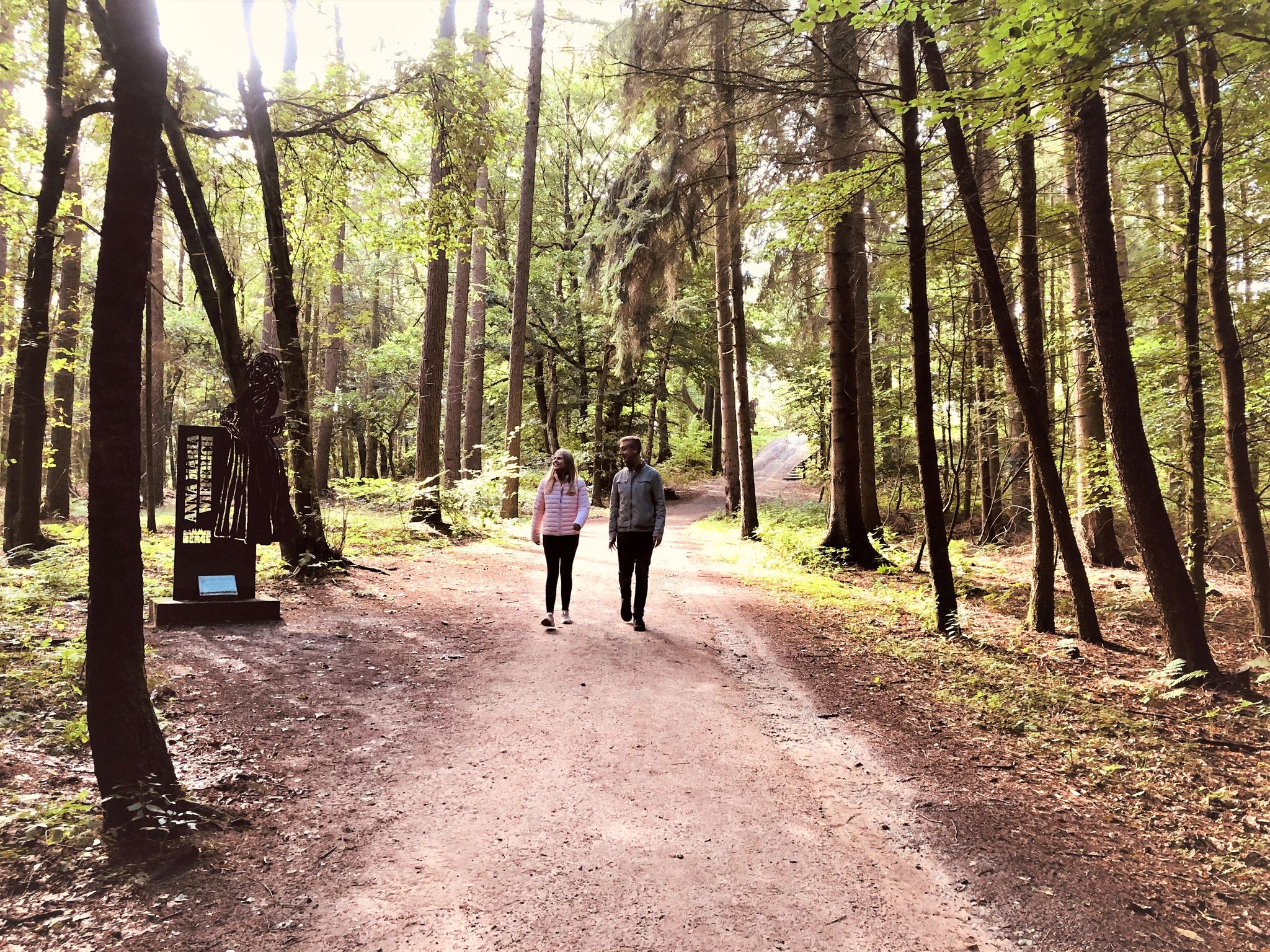
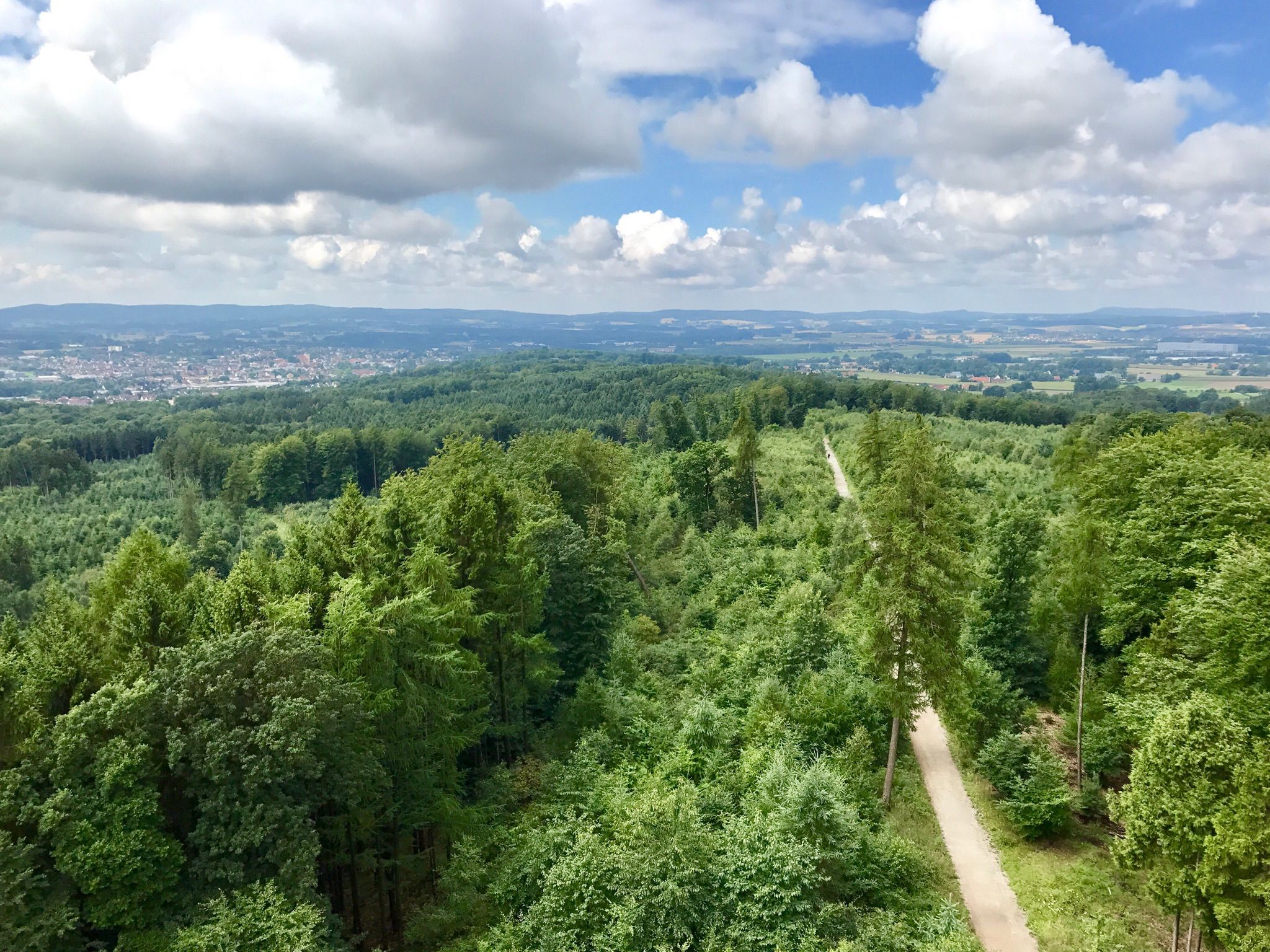
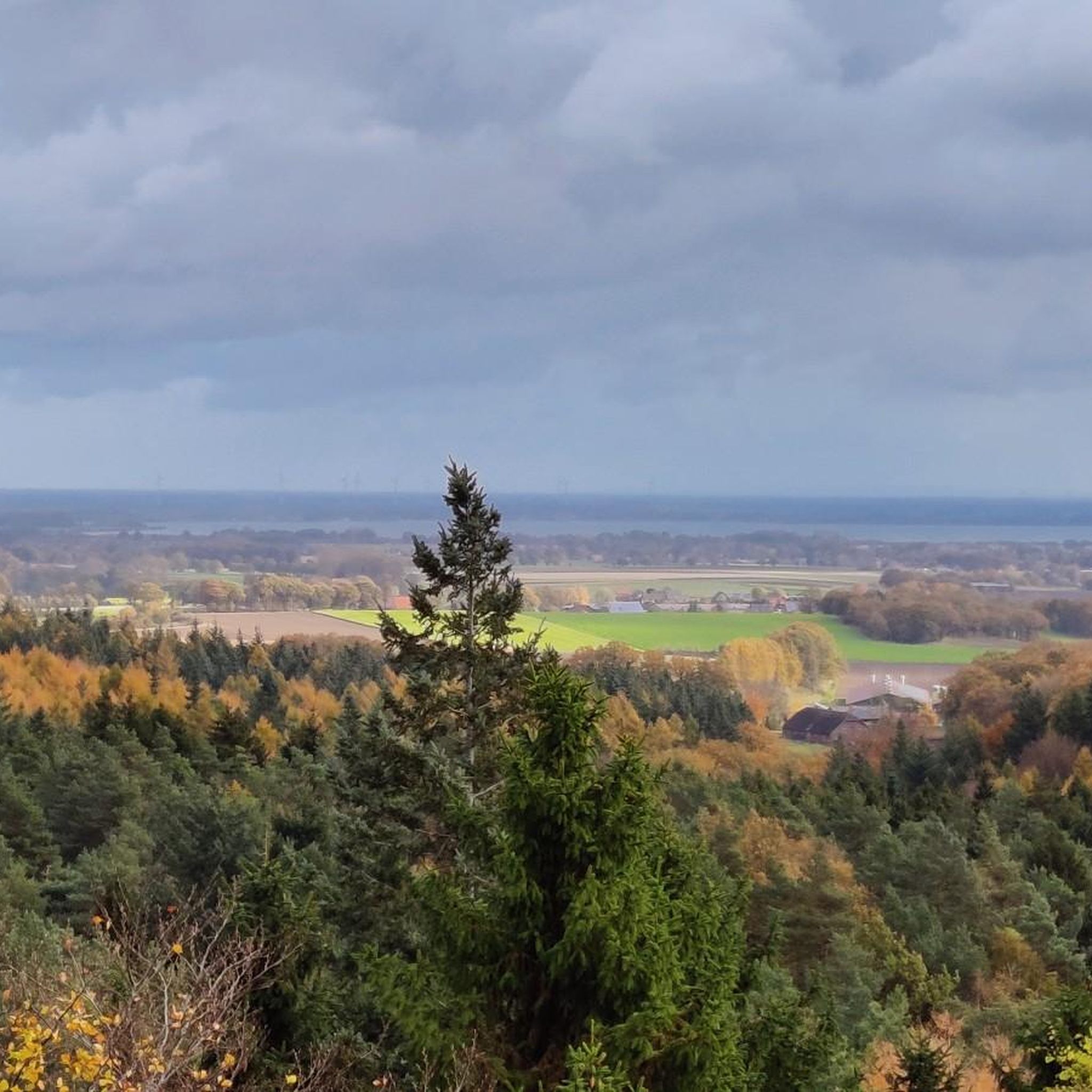
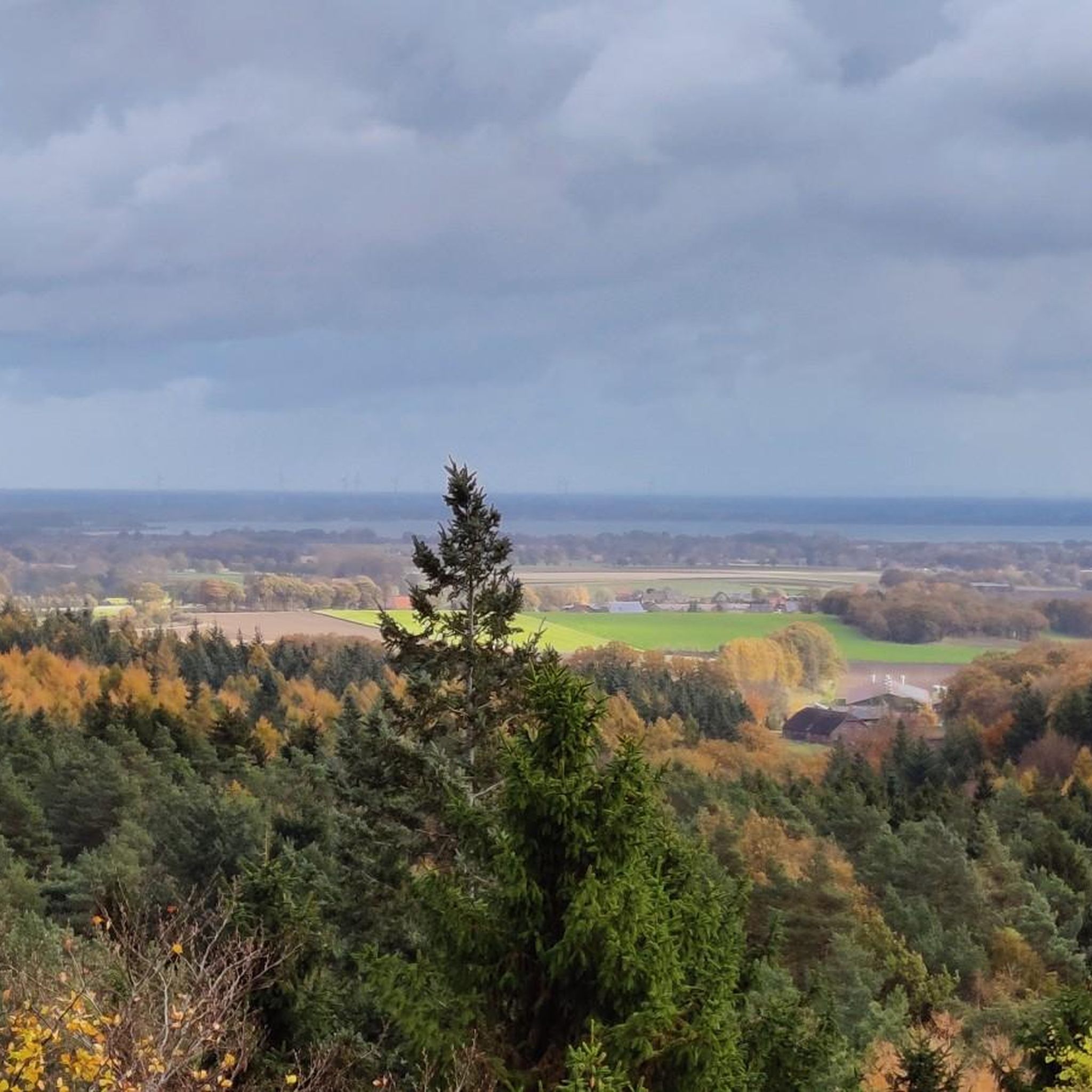
Road cycling routes around Dammer Berge traverse a wooded hill range in northwestern Germany, characterized by gently rolling hills and diverse landscapes. This region, a remnant of the Saale Ice Age, features scenic ascents and descents, with the highest point, Signalberg, reaching 146 meters. Cyclists encounter extensive coniferous forests, ancient oak groves, open stream valleys, and heathlands, providing varied terrain for road biking. The area's well-developed cycling infrastructure includes a network of paths and a Dutch-style junction system for navigation.
…Last updated: July 15, 2026
4.5
(2)
20
riders
42.3km
01:54
110m
110m
Moderate road ride. Great for any fitness level. Some segments of this route may be unpaved and difficult to ride.
4.8
(4)
25
riders
39.1km
01:41
130m
130m
Moderate road ride. Great for any fitness level. Some segments of this route may be unpaved and difficult to ride.

Sign up for free
12
riders
44.2km
01:53
200m
200m
Easy road ride. Great for any fitness level. Mostly well-paved surfaces and easy to ride.
10
riders
47.7km
02:03
250m
250m
Moderate road ride. Good fitness required. Some segments of this route may be unpaved and difficult to ride.
5.0
(4)
12
riders
25.5km
01:07
170m
170m
Moderate road ride. Great for any fitness level. Some segments of this route may be unpaved and difficult to ride.
Get access to more routes and recommendations from other explorers.
Sign up for free
Already have an account?
Our route recommendations are based on thousands of hikes, rides, and runs completed by other people on komoot.
Start today with a free account
Your next adventure awaits.
Login or Signup


Tips from the Community

Church in Steinfeld. Unfortunately, it was closed.
1
0

A really beautiful street
0
0
A wonderfully beautiful cycle path, very easy to cycle on
0
0

⛪ The St. John the Baptist Church is the Roman Catholic parish church in Steinfeld (Oldenburg) and a striking building in the center of the community.
1
0

This is actually the Damme–Holdorf railway cycle path. But it's also very suitable for running.
3
0
Anyone interested in understanding Damme's development and history is in the right place at the former train station, now the city museum. Source: https://www.heimatverein-damme.de/
3
0
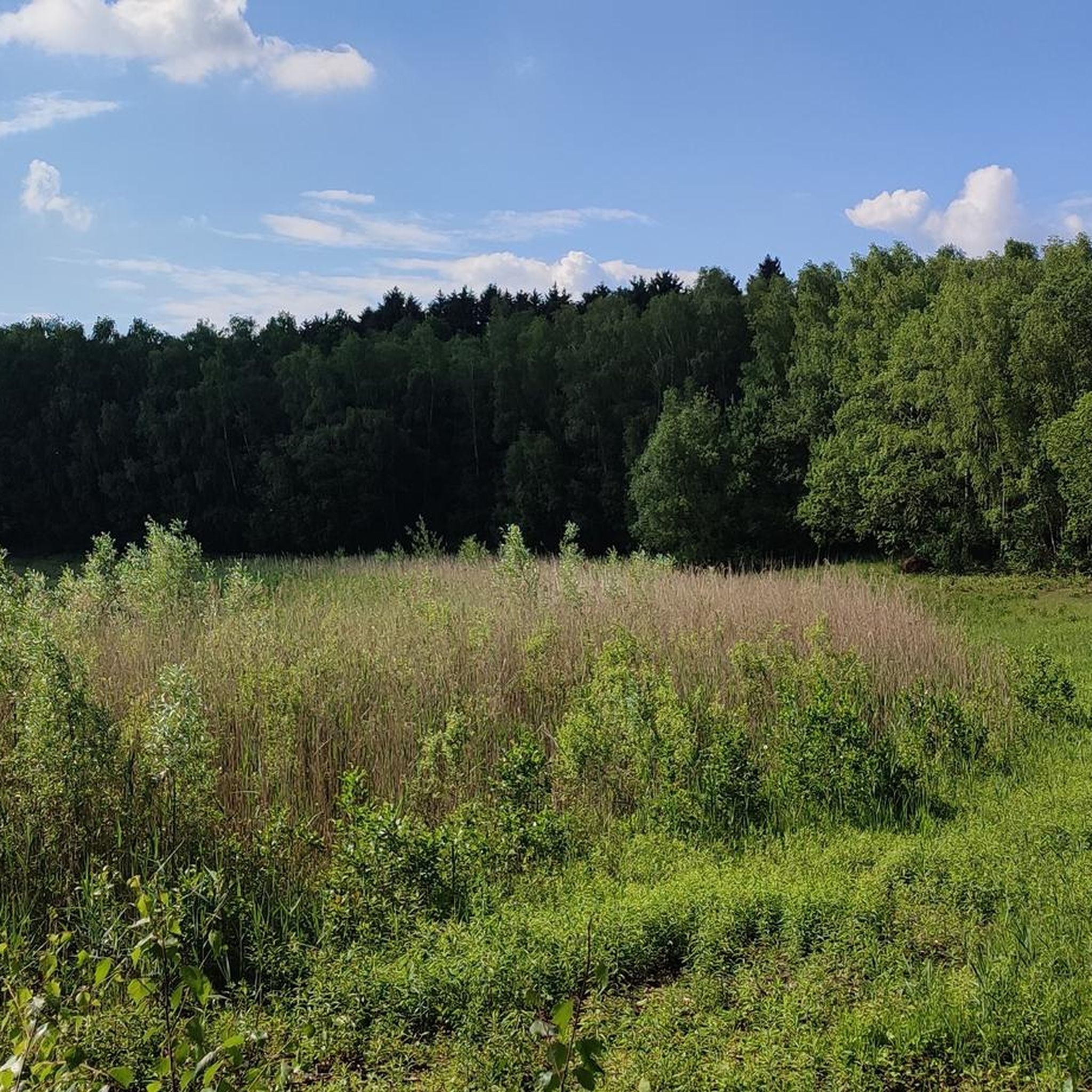
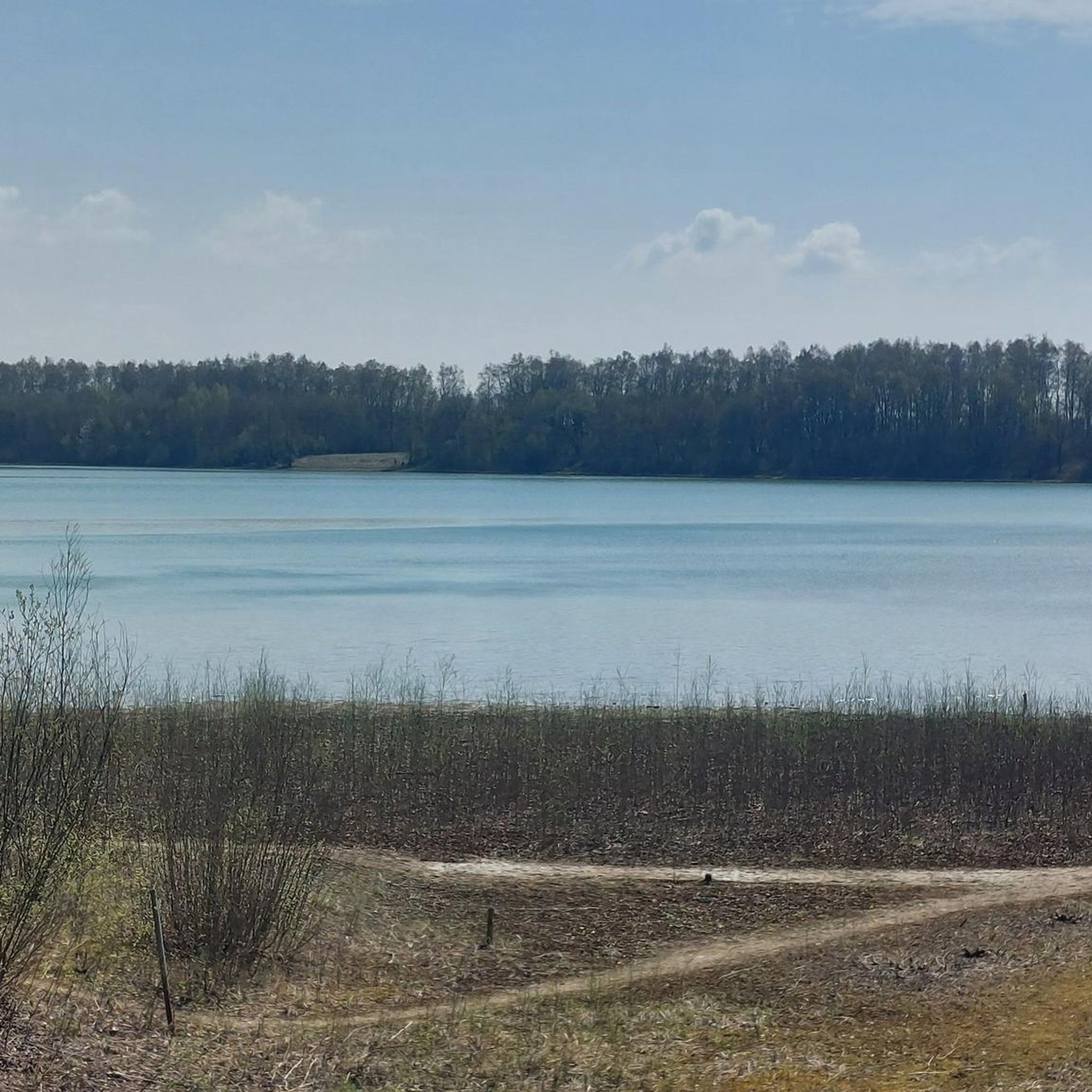
Unfortunately, it's not the Heidesee
1
0

Impressive!!! Beautifully maintained! Worth a look.
1
0
Frequently Asked Questions
How many road cycling routes are available in Dammer Berge?
Dammer Berge offers a comprehensive network of over 420 road cycling routes. These routes cater to various preferences, ranging from easy, flat sections to more challenging moderate climbs through the region's characteristic gently rolling hills.
What kind of terrain can I expect when road cycling in Dammer Berge?
The Dammer Berge region is characterized by gently rolling, wooded hills, a remnant of the Saale Ice Age. Cyclists will encounter varied scenery, including extensive coniferous forests, ancient oak groves, open stream valleys, meadows, and heathlands. While the highest point, Signalberg, reaches 146 meters, the routes feature scenic ascents and descents, providing an engaging experience without extreme climbs.
Are there any easy road cycling routes suitable for beginners or families in Dammer Berge?
Yes, Dammer Berge offers a good selection of easy road cycling routes. For instance, the Garden Seating Area – St. Viktor Church, Damme loop from Holte is an easy 26.6-mile (42.8 km) trail that takes you through coniferous forests and stream valleys. Many routes are on well-maintained paths, including former railway lines, making them suitable for a relaxed ride.
What are some notable natural features or landmarks to see along the road cycling routes?
Cyclists can explore several natural and historical highlights. The Observation deck overlooking Dammer Bergsee offers beautiful views of the artificial lake, which is also a nature reserve. You might also encounter the Steinfeld Megalithic Tomb or the Megalithic stones at Signalberg, providing glimpses into the region's ancient past. The Bexaddetal Valley with its beech forest is another scenic area to discover.
Are there any circular road cycling routes in Dammer Berge?
Yes, many road cycling routes in Dammer Berge are designed as circular loops, making planning easier. A popular moderate option is the St. Viktor Church, Damme – Stork Nest loop from Dersaburg, which covers 30.2 miles (48.6 km) through the region's characteristic wooded hills. Another easy circular route is the Schäferhof Café – Olgahafen Dümmerlohausen loop from Damme, offering views near Dümmerlohausen.
What is the best time of year for road cycling in Dammer Berge?
The Dammer Berge region is enjoyable for road cycling throughout the warmer months. Spring and autumn offer pleasant temperatures and beautiful scenery, with spring bringing lush greenery and autumn showcasing vibrant fall colors. Summer is also suitable, though it's always advisable to check local weather forecasts, especially for potential rain.
Is there good parking available for road cyclists in Dammer Berge?
Yes, the Dammer Berge region is well-equipped for cyclists, and you can generally find suitable parking near trailheads or in the towns within the area. Many routes start from accessible locations, making it convenient to park your vehicle and begin your ride.
Can I reach the Dammer Berge cycling routes using public transport with my bike?
Public transport options to Dammer Berge may vary, but generally, regional buses and trains in Germany often allow bikes, sometimes with an additional ticket or during off-peak hours. It's recommended to check the specific public transport provider's regulations and schedules for bike carriage before planning your trip to ensure a smooth journey.
What do other road cyclists say about their experience in Dammer Berge?
The road cycling routes in Dammer Berge are highly regarded by the komoot community, with an average rating of 4.6 stars from over 170 reviews. Cyclists often praise the varied and picturesque landscapes, the well-developed cycling infrastructure, and the engaging mix of gently rolling hills and scenic forest paths.
Are there any cafes or places to stop for refreshments along the road cycling routes?
Yes, the Dammer Berge region has several towns and villages integrated into its cycling network, offering opportunities for refreshment stops. You'll find cafes, pubs, and restaurants where you can take a break, refuel, and enjoy local hospitality. It's a good idea to plan your route to include these stops.
Are there any specific climbs or challenging sections for experienced road cyclists?
While Dammer Berge is known for its gently rolling hills rather than alpine climbs, the region does offer engaging ascents and descents that can provide a good workout. Routes like the Roadbike loop from Langenberg, though moderate, feature enough elevation gain to be interesting for experienced riders looking for varied terrain within a beautiful setting.
Most popular routes around Dammer Berge
Most popular attractions around Dammer Berge

Get inspired with the komoot mobile app


Explore more
Browse the best Road cycling routes in other regions.
