Top 8 Mountain Passes around Lège
Best mountain passes around Lège are characterized by their varied terrain, offering routes through forests and open landscapes. The region features numerous mountain passes, many of which include significant climbs and offer extensive views. These passes often connect valleys and provide access to historical sites. The area is a destination for those seeking both challenging ascents and scenic routes.
Best mountain passes around Lège
- The most popular mountain pass is Port de Balès, a mountain pass that rises to…
Last updated: July 10, 2026
Port de Balès
Highlight • Mountain Pass
Translated by Google •
Tip by

Port de Pierrefite Cromlech
Highlight • Monument
Translated by Google •
Tip by

Sign up now to discover places like this
Get recommendations on the best single tracks, peaks, & plenty of other exciting outdoor places.
Sign up for free
From Loudenvieille to Garin via the Col de Peyresourde
Highlight (Segment) • Mountain Pass
Translated by Google •
Tip by

Ascent of the Col de Menté from Lez
Highlight (Segment) • Climb
Translated by Google •
Tip by

Ascent of the Port de Balès from Mauléon-Barousse
Highlight (Segment) • Mountain Pass
Translated by Google •
Tip by
Sign up for free to discover even more mountain passes around Lège.
Sign up for free
Already have an account?
Start today with a free account
Your next adventure awaits.
Login or Signup

Tips from the Community

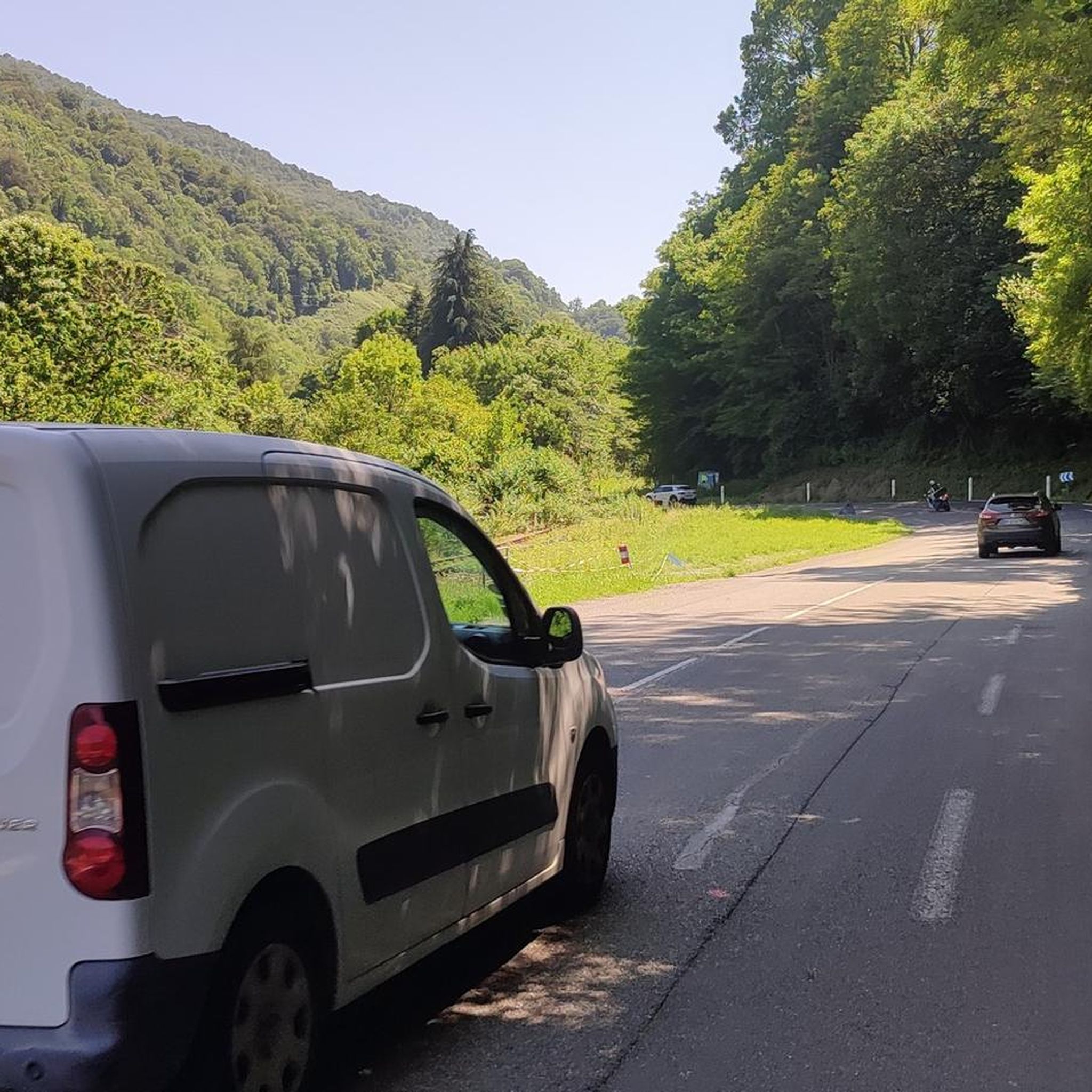
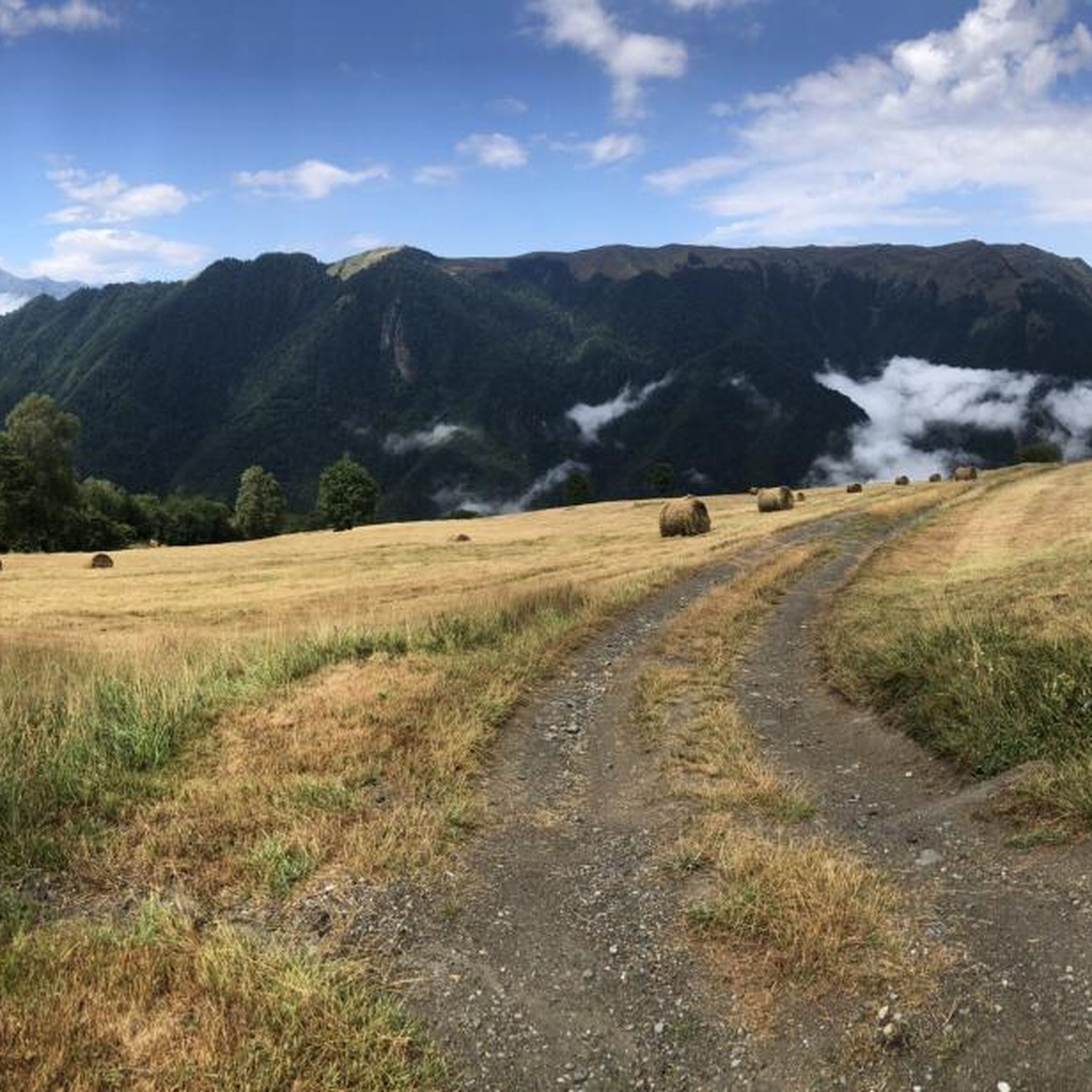
The summit rock and a seating area are located after the strenuous ascent. Here you have to decide which way you want to go next.
0
0

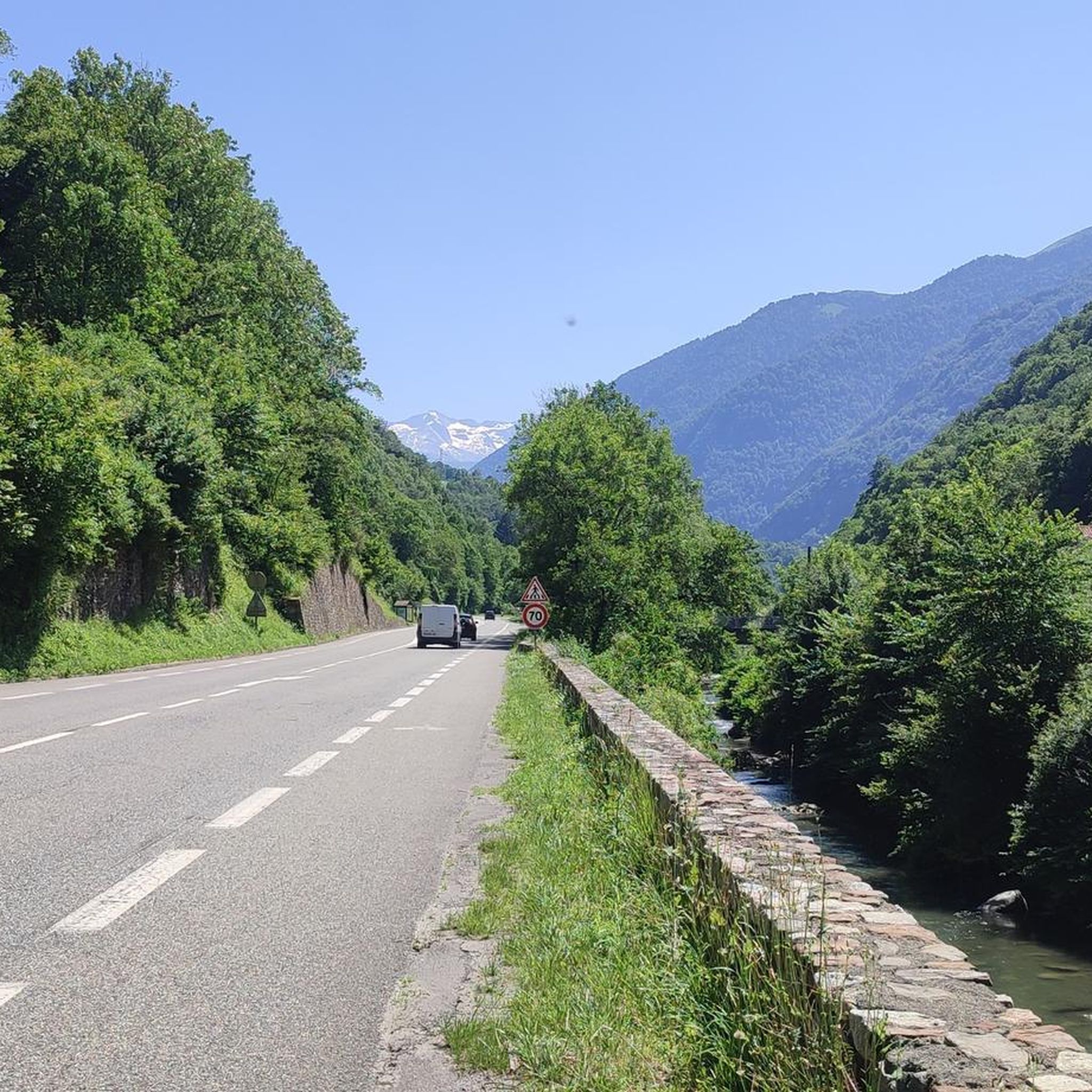
Beautiful road with incredible views and a quick and nice descent from Peyresourde to Garin. Watch out for steong winds!
0
0
Beautiful climb up Col de Menté. Although not a really famous climb it is a beautiful one, with nice hairpins inside the forest and beautiful views at the end.
0
0

From Mauléon-Barousse, this 19-kilometer hors catégorie climb is completed in three stages. The first seven kilometers are fairly straightforward, then the next seven become more complicated, before culminating in a grand finale with the last five at over 9%. Even more so than on other passes, the key here is economy.
0
0
From Lez, the ascent of the Col de Menté is classified as first-class, with nine kilometers at an average gradient of 8.7%. Its fairly steady gradient allows you to find your own pace.
1
0

Beautiful asphalt road whether on the Ferrere side or the Luchon side. The climb on the Ferrere side is much more pleasant. I recommend this pass.
1
0

great little cafe, brilliant crepes. Also sells beer and coffee. fantastic value and very friendly at top of col de peyresoude
0
0

The port of Balès rises to an altitude of 1,755 meters. The climb from Mauléon-Barousse is 18.9 kilometers long with an average gradient of 6.3%, including some sections at over 14%.
1
0
Frequently Asked Questions
Which mountain passes are most popular with komoot users around Lège?
Among the mountain passes around Lège, Port de Balès is highly popular, known for its significant climb and scenic views. Another favorite is Port de Pierrefite Cromlech, which combines a mountain pass with ancient megalithic structures, offering a unique historical experience.
Are there mountain passes around Lège with historical significance?
Yes, Port de Pierrefite Cromlech is a notable example. This site features megalithic structures arranged in a circular shape, dating back to 1200 to 600 BC, offering a glimpse into ancient history amidst the mountain landscape.
Which mountain passes offer the best viewpoints around Lège?
Many passes in the region offer extensive views. From Loudenvieille to Garin via the Col de Peyresourde is specifically highlighted for its viewpoints, sometimes leading through forests and providing consistent slopes. Port de Balès also offers extensive views from its summit.
What outdoor activities can I do near the mountain passes around Lège?
The region around Lège offers a variety of outdoor activities. You can explore numerous hiking trails, including moderate options like the Saunères Hut loop from Salles-et-Pratviel, or more difficult ones like Pic de Bacanère from Artigue Trail. For cyclists, there are challenging road cycling routes that incorporate these passes, such as the Menté Pass – Portet-d'Aspet pass loop.
Are there challenging mountain passes for experienced cyclists or hikers?
Absolutely. The mountain passes around Lège are known for their challenging climbs. The ascent of Port de Balès from Mauléon-Barousse, for instance, is a 19-kilometer hors catégorie climb with sections over 9%. Another demanding climb is the Ascent of the Col de Menté from Lez, classified as first-class with an average gradient of 8.7% over nine kilometers.
Can I find mountain passes that go through forests around Lège?
Yes, some mountain passes in the area offer routes through forested sections. The route From Loudenvieille to Garin via the Col de Peyresourde sometimes leads through forests, providing a varied landscape experience. Similarly, the Ascent of the Col de Menté from Lez features nice hairpins inside the forest.
What is the best time of year to visit the mountain passes around Lège?
The best time to visit mountain passes in this region is typically from late spring to early autumn (May to October) when the weather is milder and the passes are generally clear of snow, making them accessible for cycling and hiking. Always check local weather conditions before your trip, especially for higher altitude passes.
Are there road cycling routes that include these mountain passes?
Yes, Lège is a popular destination for road cycling, with many routes incorporating its mountain passes. You can find challenging routes like the Menté Pass – Portet-d'Aspet pass loop or the Mauléon-Barousse – Port de Balès loop. For more options, explore the Road Cycling Routes around Lège guide.
What do visitors enjoy most about the mountain passes around Lège?
Visitors frequently appreciate the varied terrain, which includes both challenging climbs and scenic routes. The extensive views from the summits, the historical significance of sites like Port de Pierrefite Cromlech, and the opportunity for rewarding physical activity are often highlighted. The presence of small cafes at the top of some passes, like the Col de Peyresourde, also adds to the experience.
Are there any easy or intermediate mountain passes suitable for less experienced adventurers?
While many passes in Lège involve significant climbs, there are routes that cater to intermediate levels. For example, From Loudenvieille to Garin via the Col de Peyresourde is described as having a pretty even slope, making it more manageable. For general outdoor activities, you can also find moderate hiking trails in the area that offer less strenuous options.
Most popular attractions around Lège

Get inspired with the komoot mobile app


Explore more
See even more epic mountain passes by checking out these guides around Lège:
