Top 11 Mountain Passes around Cierp-Gaud
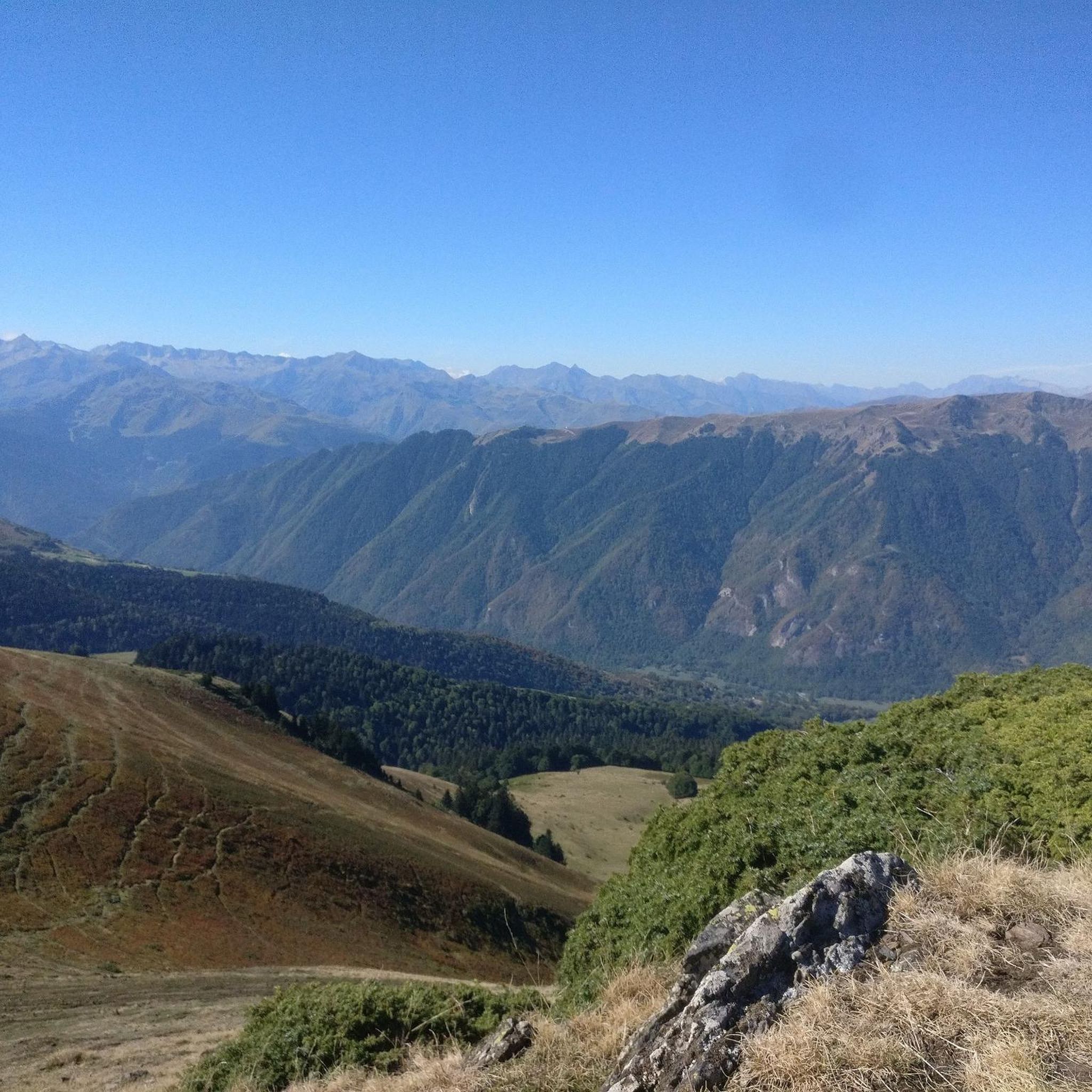
Mountain passes around Cierp-Gaud are situated in the heart of the Pyrenees, approximately 15 kilometers from the Spanish border. This region is characterized by its green, mountainous landscape, offering access to several notable mountain passes. It serves as a base for exploring challenging routes and scenic terrain. The area appeals to nature lovers and outdoor enthusiasts.
Best mountain passes around Cierp-Gaud
- The most popular mountain passes is Ascent to Col du Portillon from Bossòst, a mountain pass perched on…
Last updated: September 2, 2026
Menté Pass
Highlight • Mountain Pass
Translated by Google •
Tip by

Ascent to Col du Portillon from Bossòst
Highlight (Segment) • Mountain Pass
Translated by Google •
Tip by
Sign up now to discover places like this
Get recommendations on the best single tracks, peaks, & plenty of other exciting outdoor places.
Sign up for free
Col des Ares
Highlight • Mountain Pass
More information: quaeldich.de/paesse/col-des-ares
Translated by Google •
Tip by

Ascent of the Col de Menté from Lez
Highlight (Segment) • Climb
Translated by Google •
Tip by

Ascent of the Port de Balès from Mauléon-Barousse
Highlight (Segment) • Mountain Pass
Translated by Google •
Tip by
Sign up for free to discover even more mountain passes around Cierp-Gaud.
Sign up for free
Already have an account?
Start today with a free account
Your next adventure awaits.
Login or Signup
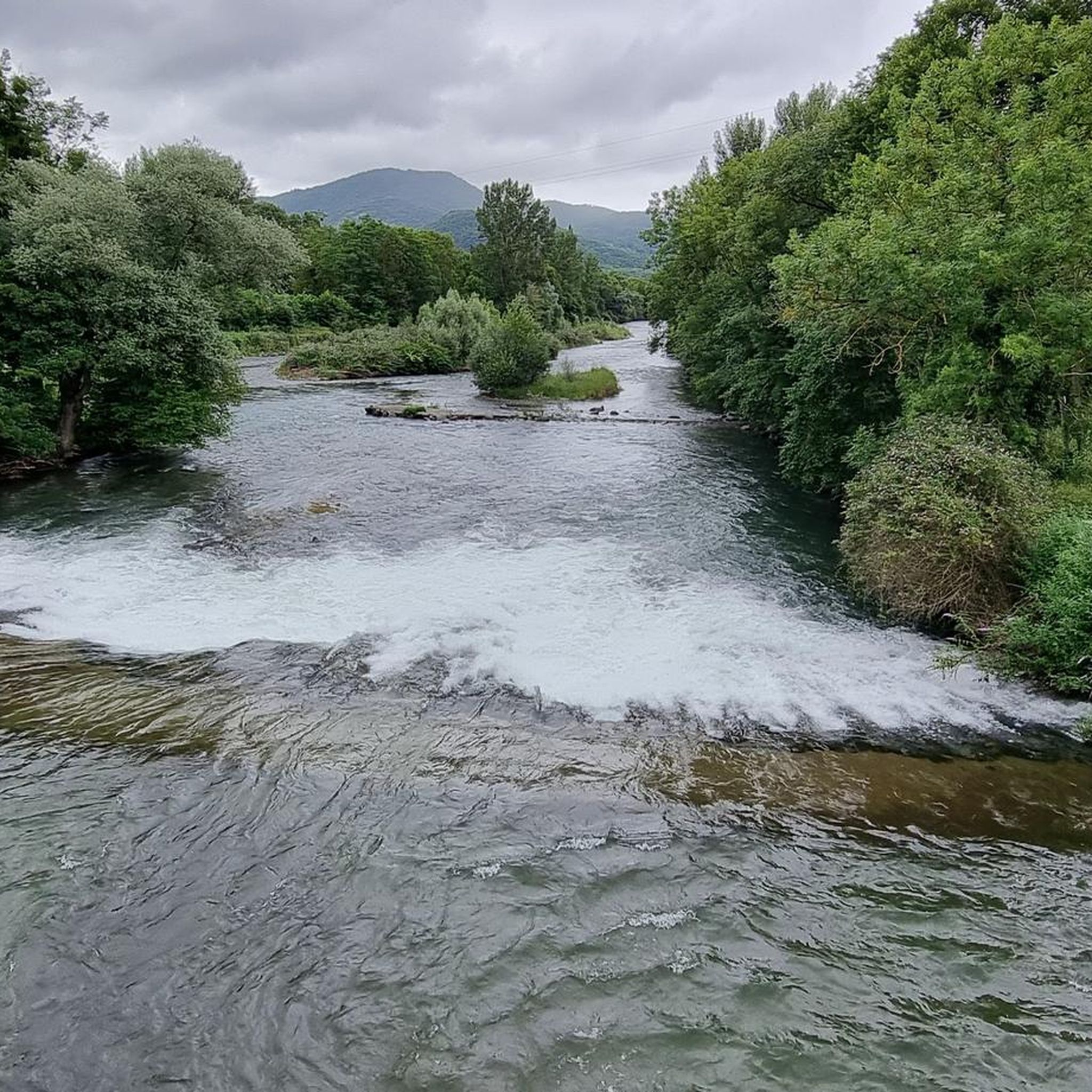
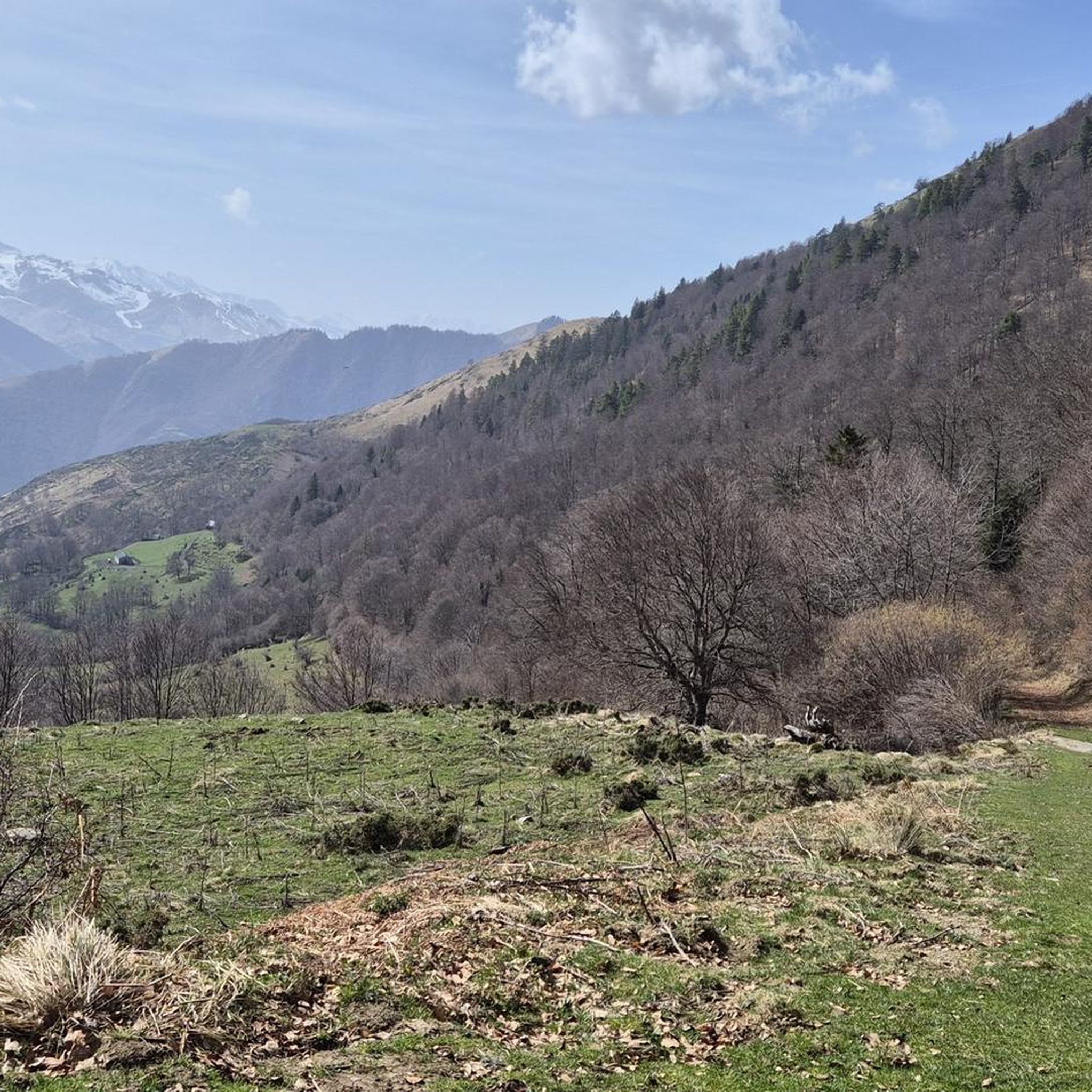
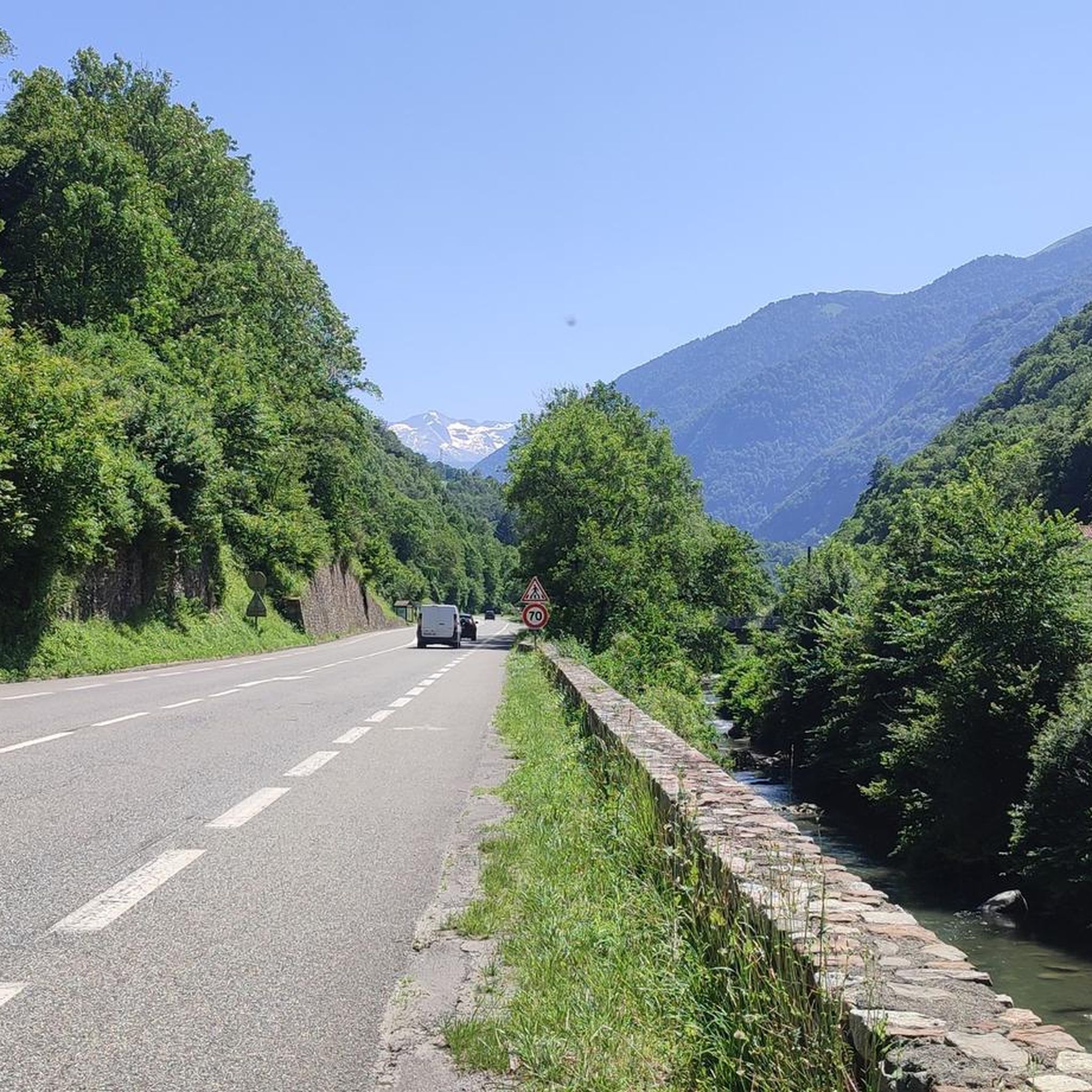
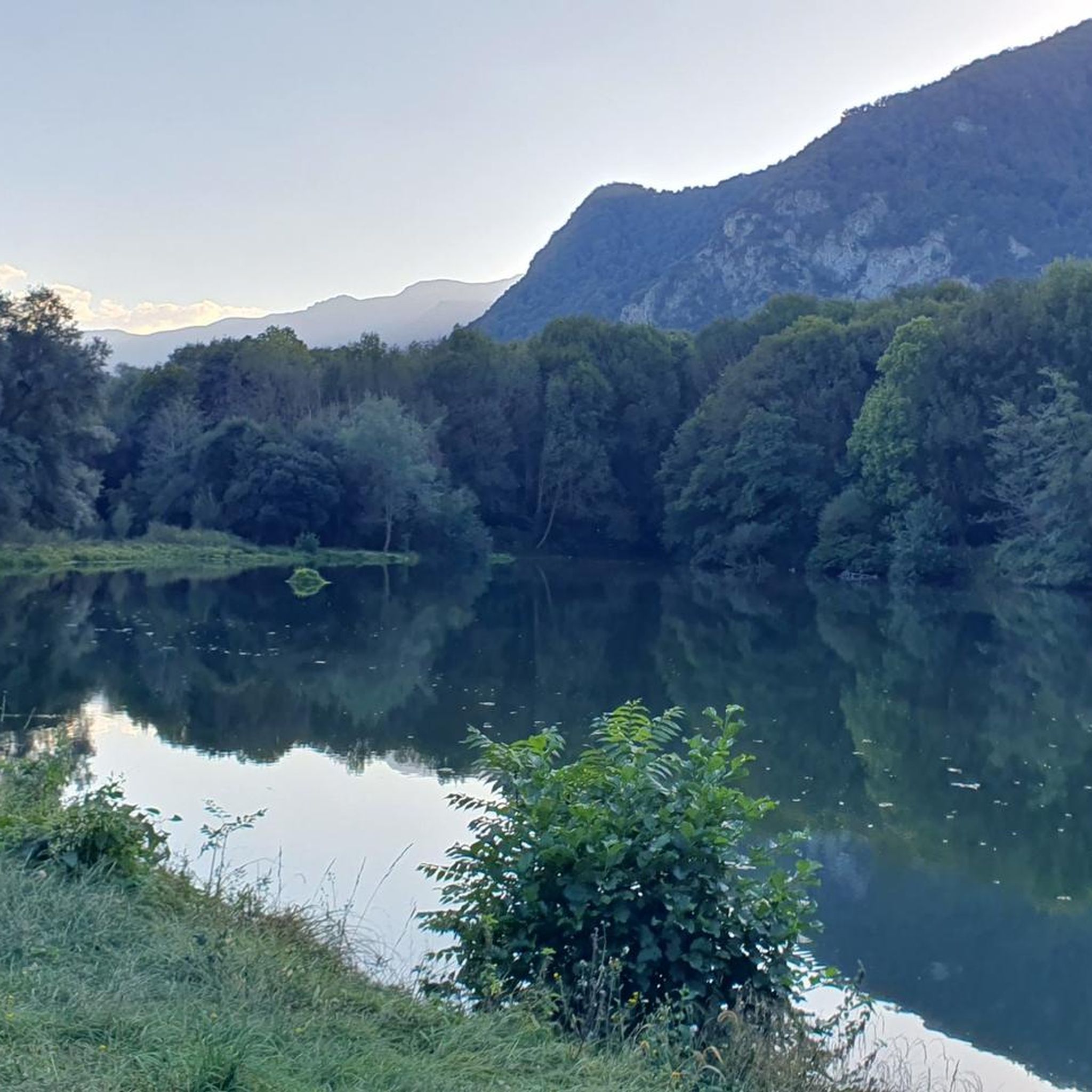
Tips from the Community

A beautiful transitional port between the Le Ger river valley and the Garonne river valley
0
0

Beautiful road marked on every bend by posts celebrating Spanish winners of the Tour de France, and kilometre markers with gradient, altitude etc. it finishes at the border, which is the col.
0
0

Beautiful climb up Col de Menté. Although not a really famous climb it is a beautiful one, with nice hairpins inside the forest and beautiful views at the end.
0
0

Also, stop at the Là Soulan hostel for a well-deserved break. Very warm welcome. 👍
0
0

From Mauléon-Barousse, this 19-kilometer hors catégorie climb is completed in three stages. The first seven kilometers are fairly straightforward, then the next seven become more complicated, before culminating in a grand finale with the last five at over 9%. Even more so than on other passes, the key here is economy.
1
0
From Lez, the ascent of the Col de Menté is classified as first-class, with nine kilometers at an average gradient of 8.7%. Its fairly steady gradient allows you to find your own pace.
1
0

One of the mythical Pyrenean ports of the Tour de France, known largely for the tragic fall of Luis Ocaña in the 1971 Tour when he was leading the general classification. Its 2 aspects have a lot of crumbs: - west slope that starts from Saint Béat: it is the hardest. It is 9.7 km with an average slope of 8.7%. It is a very constant climb, with a small break when passing through Boux. The first part is a little harder and uglier since you barely have any views and you go up through the middle of a valley. The final part is spectacular with its many horseshoe curves, good panoramic views and the monument to the place where Luis Ocaña fell. - east slope: it is longer, with an initial section of 7 km very winding with a slope of 4%. It also has a break in its intermediate zone. Once the hard part starts, it is also very constant, like the west slope, although the average slope is 7-8%. This aspect has even more twists than the previous one. For more information, consult the profile published by cylcingcols.com -- > http://www.cyclingcols.com/col/Mente
0
0

Magnificent view for the climb to the pass from Artichan-de-Frontignes, however I found the climb on the other side (from the Col de Buret) more interesting because it was a little longer.
0
0
Frequently Asked Questions
What are some of the most challenging mountain passes for cyclists around Cierp-Gaud?
For experienced cyclists seeking a significant challenge, the Menté Pass is highly recommended. The ascent from Saint-Béat spans 9.3 kilometers with an average gradient of 9.13%, including sections over 11%. Another demanding climb is the Ascent to Col du Portillon from Bossòst, which features sections steeper than 14% on its 10.2-kilometer climb from Bagnères-de-Luchon.
Are there any mountain passes near Cierp-Gaud that offer a less strenuous experience?
Yes, the Col des Ares is an excellent option. Peaking at 797 meters, it offers a scenic panorama over the Garonne valley without the extreme challenge of higher-altitude passes, making it suitable for a more relaxed cycling or driving experience.
Which mountain passes in the Cierp-Gaud region have historical significance, particularly for cycling?
The Col du Portillon is an emblematic Pyrenean pass with a rich history in professional cycling, having been a frequent feature in the Tour de France. Its position on the French-Spanish border also adds a unique geographical interest.
What kind of views can I expect from the mountain passes around Cierp-Gaud?
The passes in this region offer stunning panoramic views of the Pyrenees' green, mountainous landscape. From the Col des Ares, you can enjoy a lovely panorama over the Garonne valley, while the Col du Portillon provides exceptional vistas across the French-Spanish border.
What outdoor activities can I do near the mountain passes around Cierp-Gaud?
The region around Cierp-Gaud is ideal for various outdoor activities. You can find numerous hiking trails, such as the easy 'Étang de Saléchan loop from Esténos' or the moderate 'Salode Hut loop from Gouaux-de-Luchon'. For cyclists, there are challenging routes like the 'Peyresourde Pass – Peyresourde Pass loop from Marignac - Saint-Béat'. Gravel biking enthusiasts can explore routes like the 'Port de Balès – Port de Balès loop from La Cigalière'. You can find more details on these activities in the hiking, cycling, and gravel biking guides for Cierp-Gaud.
What is the best time of year to visit the mountain passes near Cierp-Gaud?
The Pyrenees region, including the passes around Cierp-Gaud, is generally best visited from late spring to early autumn (May to October) when the weather is milder, and the passes are typically clear of snow, making them accessible for cycling, hiking, and driving. Always check local conditions before your visit.
Are there any particularly long or high-altitude climbs in the Cierp-Gaud area?
Yes, the Ascent of the Port de Balès from Mauléon-Barousse is a significant climb. This 19-kilometer hors catégorie ascent is completed in three stages, with the last five kilometers featuring gradients over 9%, making it a demanding route for even experienced climbers.
What do visitors appreciate most about the mountain passes around Cierp-Gaud?
Visitors frequently praise the challenging climbs and the stunning natural beauty of the Pyrenees. Many enjoy the rewarding feeling of conquering passes like Menté Pass and the panoramic views from spots like Col des Ares. The region's appeal lies in its combination of demanding routes and picturesque scenery.
Can I find any intermediate-level mountain passes for cycling or driving?
Yes, the Col des Ares is classified as an intermediate mountain pass. It offers a rewarding experience with beautiful views over the Garonne valley without the extreme difficulty of some of the higher Pyrenean climbs, making it a great choice for those looking for a moderate challenge.
Are there any specific routes for the Col de Menté that are particularly scenic or challenging?
The Menté Pass offers a particularly challenging ascent from Saint-Béat, known for its steep gradients. Alternatively, the Ascent of the Col de Menté from Lez is classified as first-class, with a fairly steady average gradient of 8.7% over nine kilometers, providing a beautiful climb with nice hairpins inside the forest and scenic views.
What makes the Col du Portillon unique among the mountain passes in the area?
The Col du Portillon is unique for its location directly on the French-Spanish border at 1,293 meters above sea level. It's also celebrated for its frequent inclusion in the Tour de France, and a stele on the Spanish side commemorates Spanish winners of the race, adding a layer of historical cycling significance.
Most popular attractions around Cierp-Gaud

Get inspired with the komoot mobile app


Explore more
See even more epic mountain passes by checking out these guides around Cierp-Gaud:
