Attractions and Places To See around Lissac - Top 18
Best attractions and places to see around Lissac in the Haute-Loire department include a variety of historical sites and natural features. The region is characterized by its volcanic landscape and medieval heritage, offering opportunities for exploration and scenic views. Visitors can discover ancient fortresses, historic churches, and picturesque trails. This area is ideal for those interested in cultural sites and outdoor activities.
Best attractions and places to see around Lissac
- The most popular attractions is Polignac Fortress, a castle…
Last updated: July 7, 2026
Polignac Fortress
Highlight • Castle
Translated by Google •
Tip by

Saint-Georges de Saint-Paulien church
Highlight • Other
Translated by Google •
Tip by

Sign up now to discover places like this
Get recommendations on the best single tracks, peaks, & plenty of other exciting outdoor places.
Sign up for free
Le Cros
Highlight • Trail
Translated by Google •
Tip by

Château Lavoûte-Polignac
Highlight • Castle
Translated by Google •
Tip by

Allègre
Highlight • Castle
This once very prosperous …
Translated by Google •
Tip by
Sign up for free to discover even more attractions around Lissac.
Sign up for free
Already have an account?
Start today with a free account
Your next adventure awaits.
Login or Signup
Tips from the Community

nice place with cafe
0
0

A very pleasant little visit, with a view of Le Puy-en-Velay and its surroundings. The castle is open almost every day; the ticket office is located near the church at the bottom of the castle. To enter the castle, you must insert a token, which is given at the ticket office.
3
0


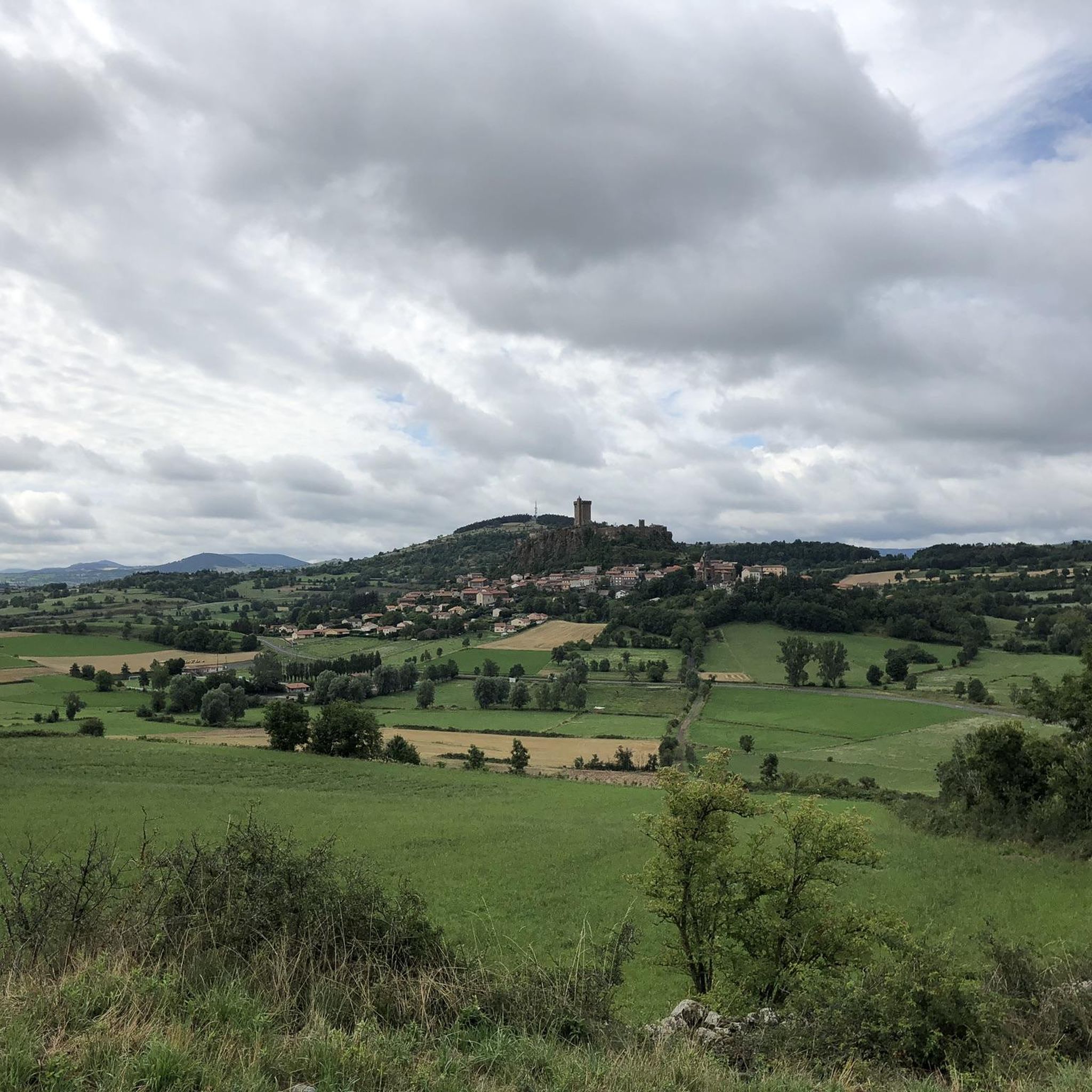
The Polignac fortress dominates the Polignac valley and the Puy basin on an impressive basalt platform (remnant of an ancient lava flow).
6
0

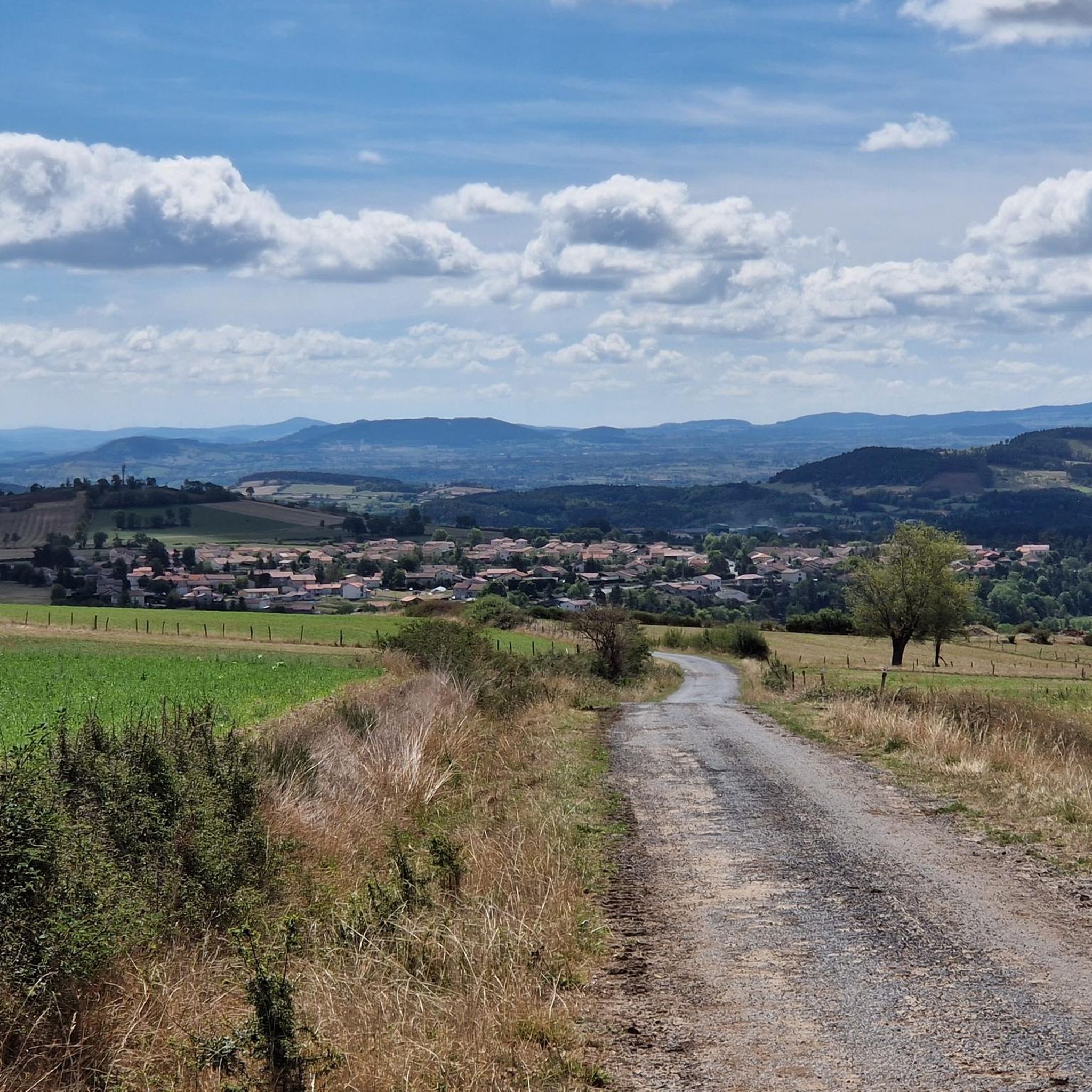
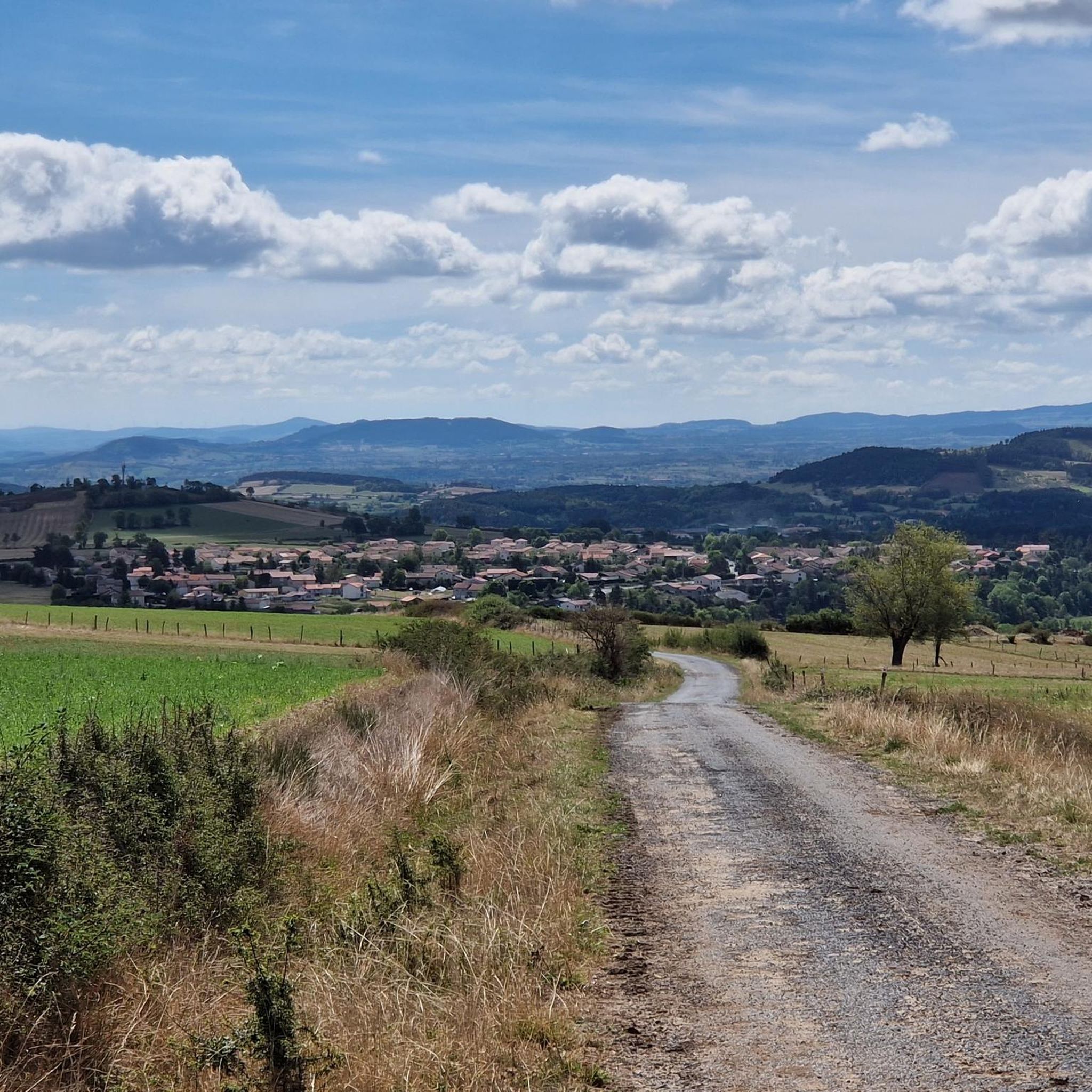
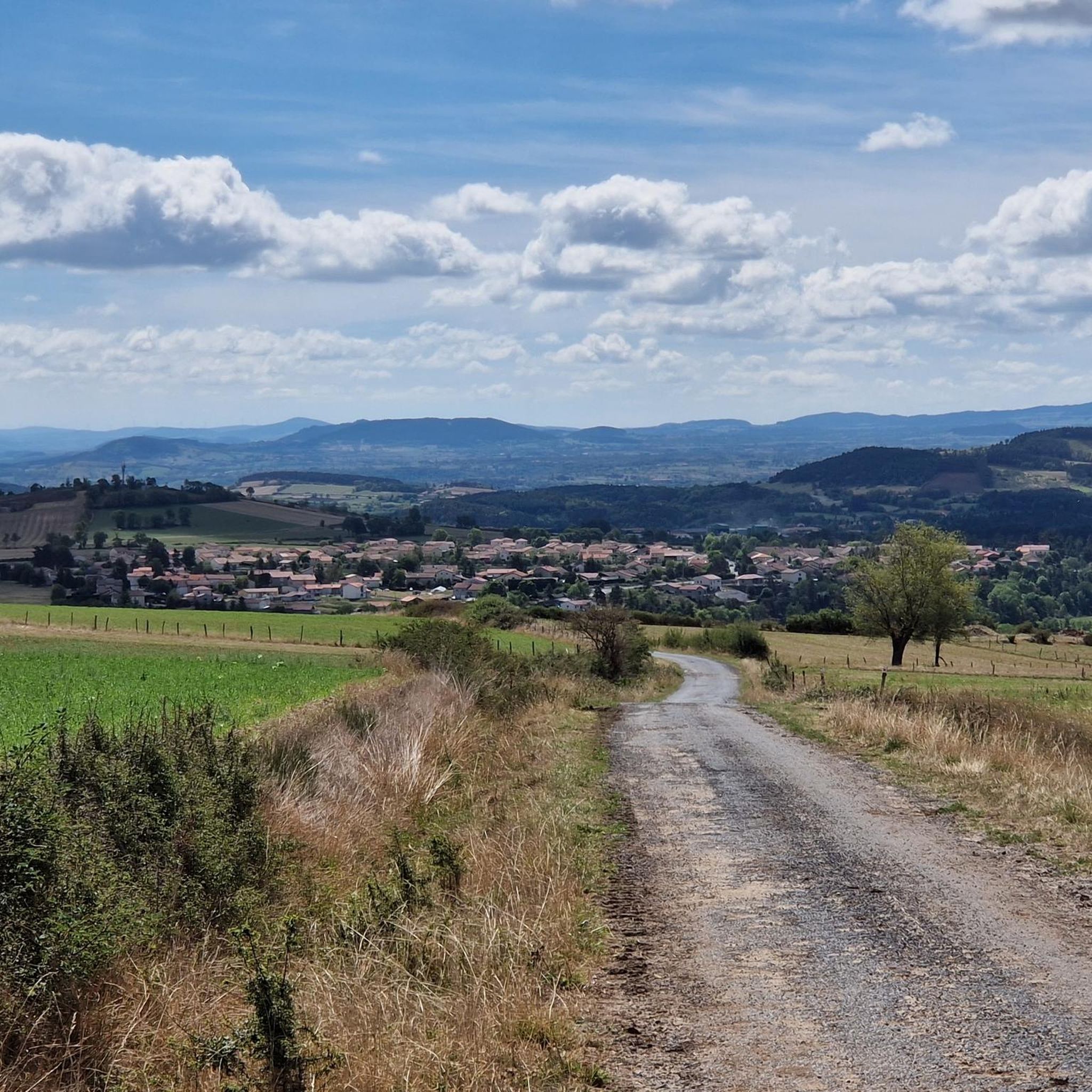
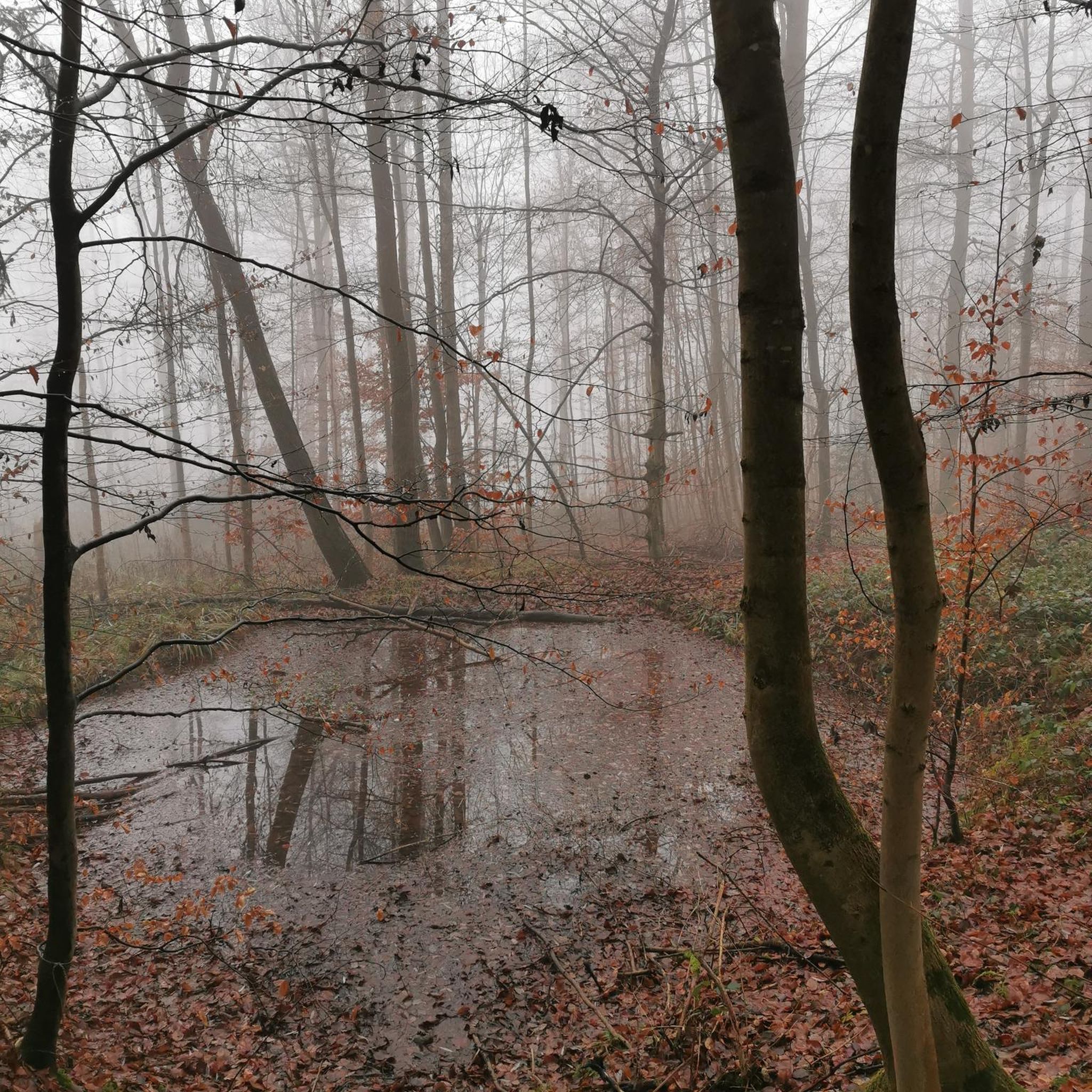
As the sign clearly indicates, you are at a place called Le Cros, on a very small part of the Chemin de Saint-Jacques. You can take this path to reach Le Puy-en-Velay located further south. From this town begins the via Podiensis. The Puy route is with the Arles route, the Tours route and the Vézelay route, one of the four paths leading to Saint-Jean-Pied-de-Port. From there begins the French way which crosses the Pyrenees to reach Santiago de Compostela.
1
0
This town, like so many others in the department of La Haute-Loire, is located at the foot of a volcano. The department has more than 500. This once very prosperous village is dominated by "La Potence". This name is given to the particular ruins of its medieval castle, which dominates the village.
0
0

Who dreams of having a pleasure castle, just to change their minds on the weekend? Well, that's what the Polignac family allowed themselves! This line is still current and the current Duke of Polignac stays there from time to time. The building dominates the river and impresses with its majestic architecture. The castle dates from the Middle Ages but has been remodeled over the centuries.
0
0

Church without columns, almost a mini Hagia Sophie, impressive from the 12th century.
0
0
Frequently Asked Questions
What historical sites can I visit around Lissac?
The region around Lissac is rich in history. You can explore the impressive Polignac Fortress, a 1,000-year-old castle perched on a volcanic rock slab, offering guided tours and an annual medieval spectacle. Another significant site is Château Lavoûte-Polignac, a majestic castle dominating the river. Don't miss the medieval Saint-Georges de Saint-Paulien church with its impressive stone work, or the ruins of the medieval castle, "La Potence," in the town of Allègre.
Are there any natural features or viewpoints to enjoy near Lissac?
Yes, the region offers several natural highlights and scenic viewpoints. The Polignac Fortress itself provides breathtaking views from its 32-meter-high keep. The town of Allègre, situated at the foot of a volcano, also offers commanding views from the ruins of its medieval castle. For natural beauty, consider visiting the Cascade de la Beaume, Lac du Bouchet, or Mont Mouchet, all within a reasonable distance.
What outdoor activities are available around Lissac?
Lissac is a great base for outdoor activities. You can find numerous routes for hiking, running, and cycling. For example, there are moderate to difficult hiking trails like the 'Tour of Mont Bar' or the 'Saint Georges Church – Le Cros loop'. Cyclists can enjoy routes such as the 'Château de Rochelambert — loop in the Pays du Velay' or the 'Durch Gorges de Loire – Château Lavoûte-Polignac loop' found in the cycling guide. Runners also have options like the 'Rochelambert Castle loop' detailed in the running guide.
Can I find any pilgrimage sites or religious landmarks in the area?
Absolutely. Lissac is located in a region with significant pilgrimage routes. Le Cros is a point on the Chemin de Saint-Jacques, a path leading to Le Puy-en-Velay, which is the starting point of the famous Via Podiensis to Santiago de Compostela. In Le Puy-en-Velay itself, you can visit the Cathédrale Notre-Dame and the Hotel-Dieu St Jacques. The medieval Saint-Georges de Saint-Paulien church is also a notable religious landmark dedicated to Saint George.
What are some charming villages or towns to visit near Lissac?
Beyond Lissac, several picturesque villages and towns are worth exploring. Le Puy-en-Velay, about 14km away, is a significant historical and pilgrimage site. Lavaudieu, approximately 29km distant, is listed as one of France's most beautiful villages. Allegre, with its medieval castle ruins, also offers a charming atmosphere.
What do visitors particularly enjoy about the attractions around Lissac?
Visitors frequently praise the historical significance and impressive architecture of sites like the Polignac Fortress, noting its commanding presence and the breathtaking views from its keep. The unique stone processing of the Saint-Georges de Saint-Paulien church and the majestic appearance of Château Lavoûte-Polignac are also highly appreciated. The region's volcanic landscape and the sense of history embedded in its settlements like Allègre are often highlighted.
Are there any castles or fortresses to explore in the area?
Yes, the region is known for its castles and fortresses. The most prominent is the Polignac Fortress, an ancient stronghold that has belonged to the Polignac family for over a millennium and now operates as an open-air museum. You can also visit Château Lavoûte-Polignac, a majestic castle dominating the river. Additionally, the town of Allègre is dominated by the ruins of its medieval castle, known as "La Potence."
What is the terrain like for outdoor activities around Lissac?
The terrain around Lissac is characterized by its volcanic landscape and varied elevations. Many attractions, like the Polignac Fortress and Allègre, are situated on volcanic rock slabs or at the foot of volcanoes. This means trails often involve moderate to difficult grades, offering rewarding views and diverse natural environments, as seen in the hiking and cycling routes.
Are there any unique cultural experiences or events in the area?
The Polignac Fortress hosts an annual medieval spectacle, offering a unique cultural experience. The region's rich history, evident in its castles and churches, provides a glimpse into past eras. Additionally, nearby towns like Le Puy-en-Velay are known for their vibrant markets and regional gastronomy, offering a taste of local culture.
What is the significance of Le Puy-en-Velay in relation to Lissac?
Le Puy-en-Velay, located about 14km from Lissac, is a highly significant town. It is a major pilgrimage site and the starting point of the Via Podiensis, one of the main routes to Santiago de Compostela. Visitors can explore its notable landmarks, including the Hotel-Dieu St Jacques and the Cathédrale Notre-Dame. The highlight Le Cros is part of the path leading towards Le Puy-en-Velay.
Can I find any abbeys or historic churches near Lissac?
Yes, the area features several historic religious buildings. The Saint-Georges de Saint-Paulien church is a medieval structure known for its impressive stone work. Further afield, in La Chaise-Dieu (about 22km), you can visit a significant abbey with a church, cloisters, and a famous Danse Macabre fresco. Le Puy-en-Velay also boasts the impressive Cathédrale Notre-Dame.
Are there any specific trails or routes recommended for walking around Lissac?
For walking, you can explore various trails. The Le Cros area is part of the Chemin de Saint-Jacques, offering a historical walking experience. The hiking guide for Lissac includes routes like the 'Saint Georges Church loop from Saint-Paulien' which is an easy 5.2 km walk, or the more moderate 'Tour of Mont Bar' at over 14 km.

Get inspired with the komoot mobile app


Explore more
Still not found the Highlight you’re looking for? See guides of the top attractions in other regions:
