Attractions and Places To See around Lorrez-Le-Bocage-Préaux - Top 17
Best attractions and places to see around Lorrez-Le-Bocage-Préaux include a blend of historical landmarks, cultural sites, and natural features. The commune is situated in the Seine-et-Marne department of France, characterized by the Lunain River and bocage landscapes. Visitors can explore a variety of sites, from medieval fortifications to 19th-century architectural elements. The area offers opportunities to experience both local history and the surrounding natural environment.
Best attractions and places to see around Lorrez-Le-Bocage-Préaux
- The most popular attractions is Church and…
Last updated: May 9, 2026
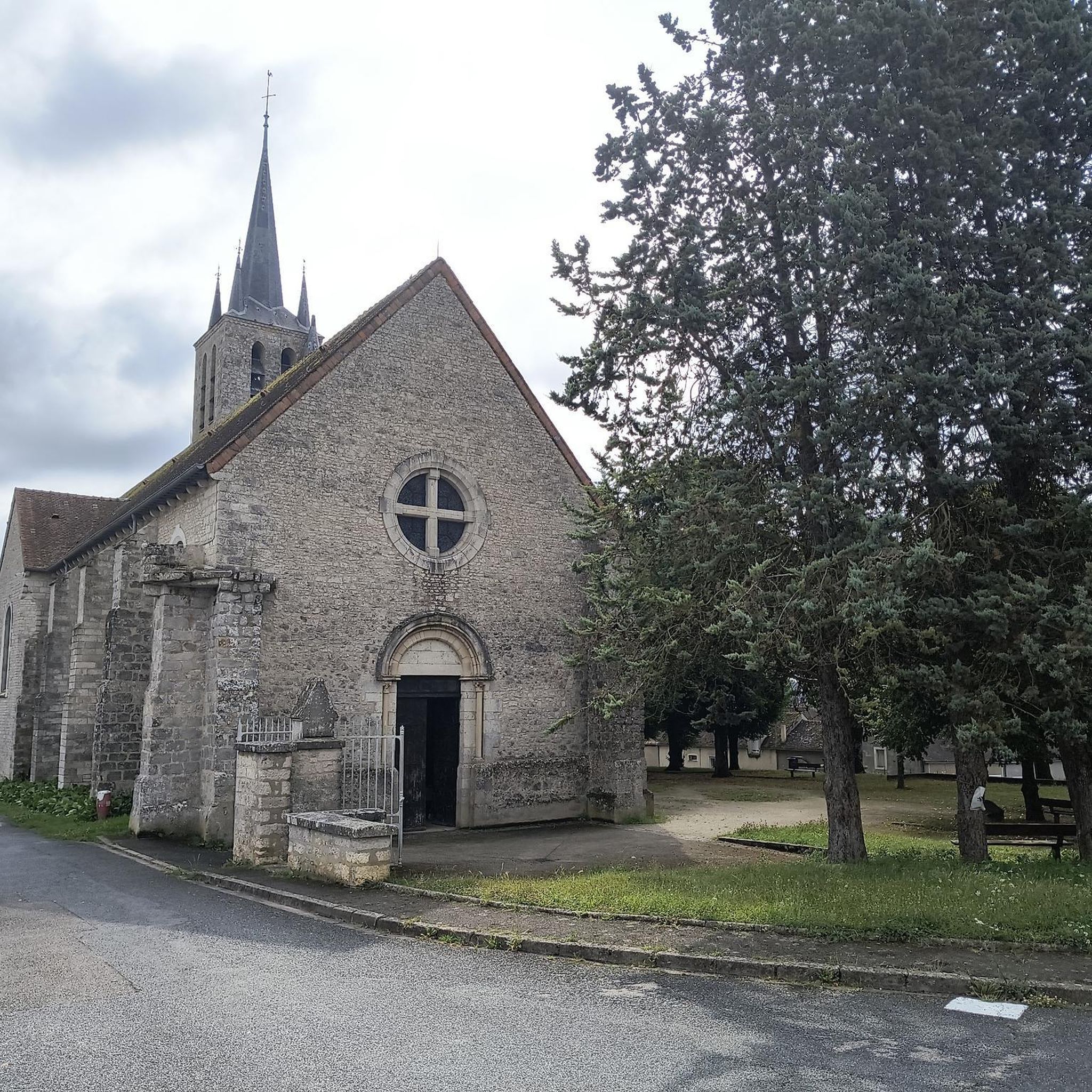
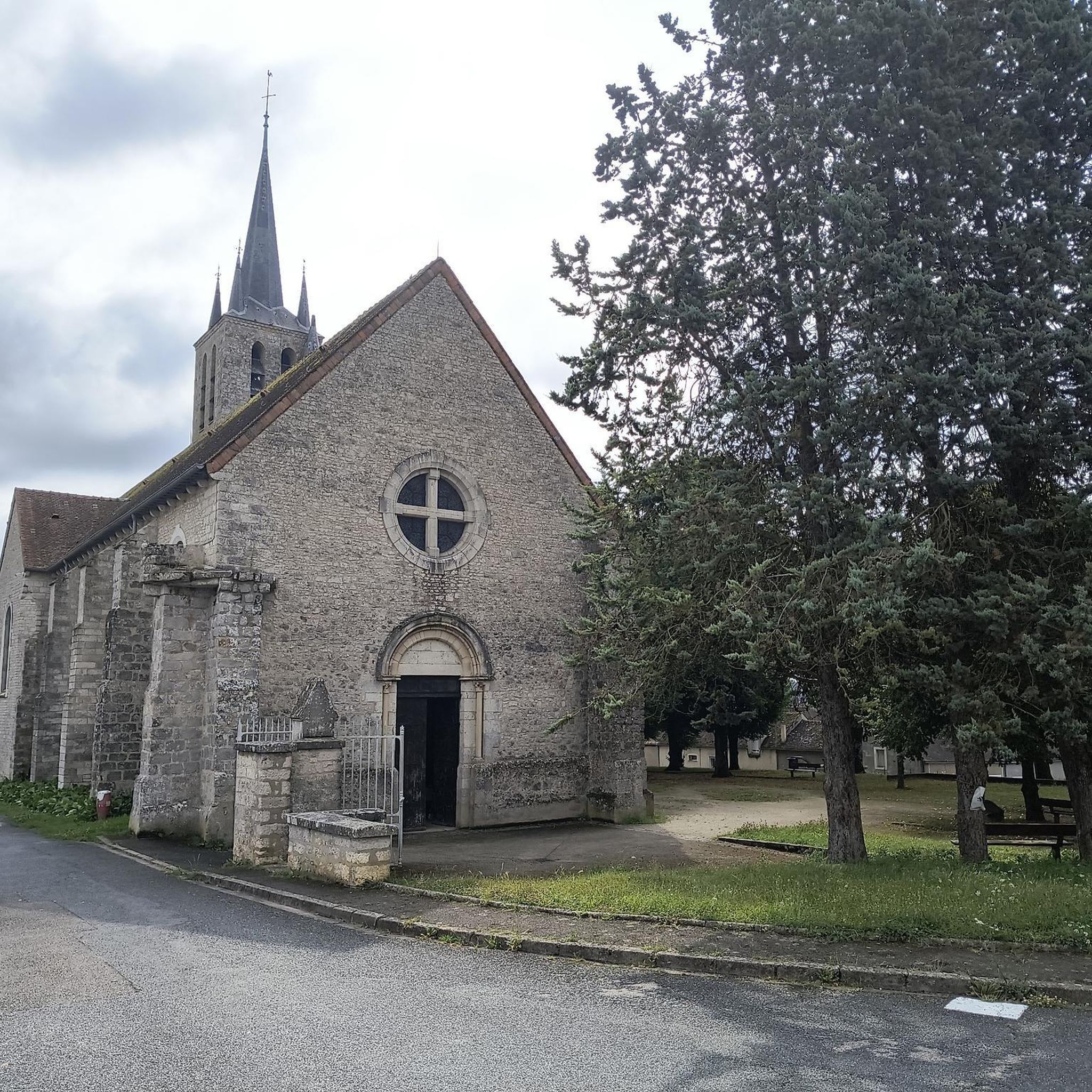
Church and Castle of Paley
Highlight • Other
Translated by Google •
Tip by

Halle d'Egreville
Highlight • Monument
There are only a few …
Translated by Google •
Tip by
Sign up now to discover places like this
Get recommendations on the best single tracks, peaks, & plenty of other exciting outdoor places.
Sign up for free
Challeau Fort
Highlight • Castle
Translated by Google •
Tip by

La Roche du Sault
Highlight • Other
Translated by Google •
Tip by
Mez Le Marechal Castle
Highlight • Castle
Translated by Google •
Tip by

Sign up for free to discover even more attractions around Lorrez-Le-Bocage-Préaux.
Sign up for free
Already have an account?
Start today with a free account
Your next adventure awaits.
Login or Signup
Tips from the Community

Lookout post first built in the 12th century to defend the entrance to Gâtinais.
0
0


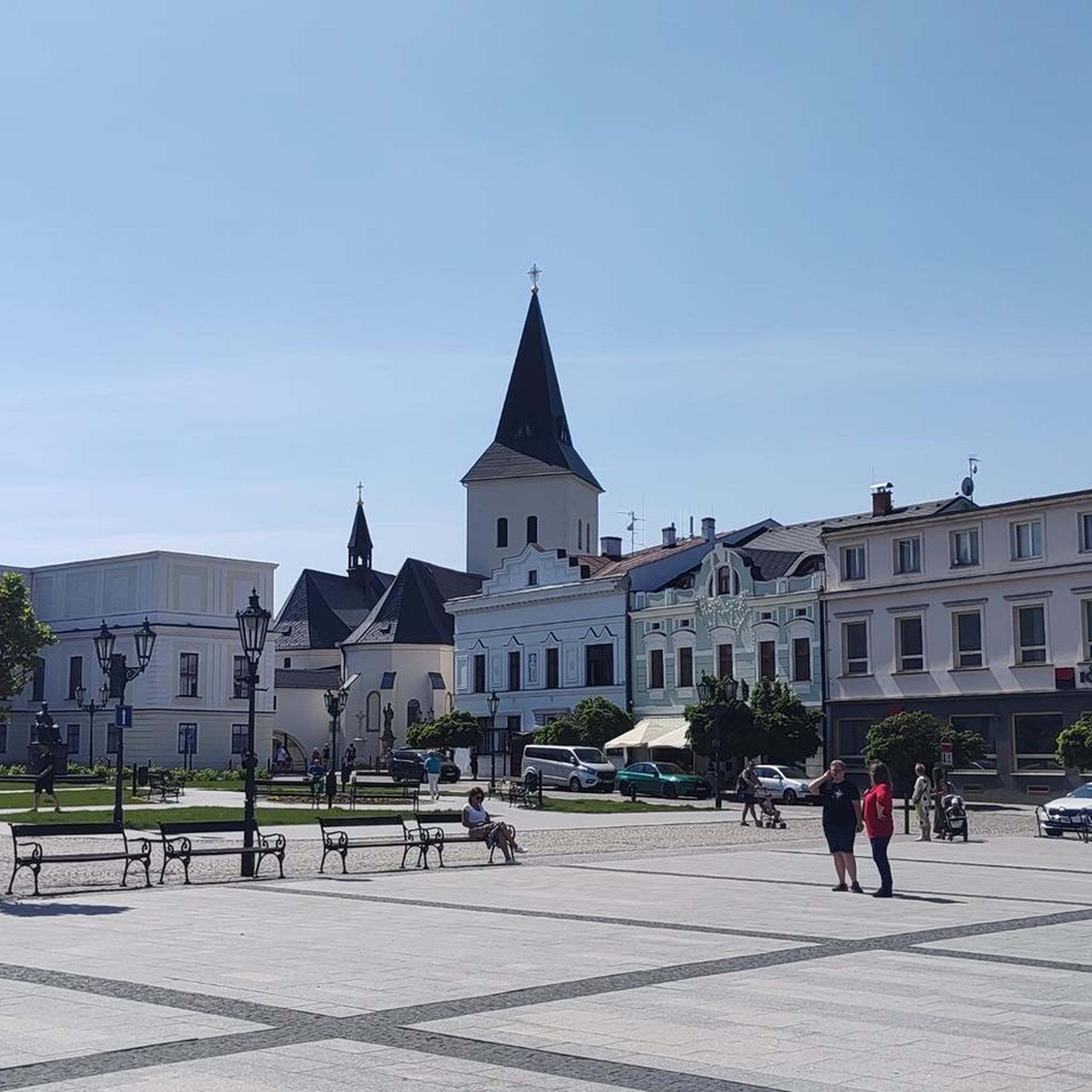
There are only a few of this architecture in France, it remains one of the most remarkable with that of Milly-la Forêt. The construction of the hall, which initially had 8 bays and no south gable, dates back to the end of the 15th century. It followed a first work destroyed by the fire of the village in 1282. The frame whose base is in oak initially rested on the ground which, by humidity, damaged the wood. In 1666, it was necessary to remove a span to build the south gable in masonry, to install transverse and longitudinal oblique reinforcements and to rest the 28 feet on stone plinths (again replaced in 1769). During 2003, it underwent a complete restoration which made it possible to reestablish some truths about its construction and put an end to the legend which attributed its construction to Anne de Pisseleu in 1540 with a chestnut frame explaining the absence of cobwebs. It still houses the Monday morning market.
0
0

It is too beautiful. This is what we knew how to build without a crane and without cement. If only we could do as our fathers did.
0
0

Fort dating from the 11th and 12th century, mainly consisting of an enclosure (originally 6 m high and 1.3 m wide) surmounted by towers at the corners. It was remodeled in the 15th century, during the Hundred Years War, then confiscated during the French Revolution, before being returned to its original owners in 1937.
0
0


Building built from the second half of the 12th century for Henri Clément, one of the first marshals of France, you can only see the ramparts from the road. But behind the heavy gate of the imposing castle facade stands a unique monument that contains several castles in one built over several eras. Nicknamed the "Louvre du Gâtinais", the Château de Mez is one of the first copies of Philippe Auguste's Château du Louvre. But unlike the latter, managed to preserve almost all of its medieval architecture.
0
0
Frequently Asked Questions
What historical landmarks are there to visit in Lorrez-Le-Bocage-Préaux?
Lorrez-Le-Bocage-Préaux is rich in history. You can explore the 12th-century Church and Castle of Paley, which features a rare inscription from 1794 related to the cult of the Supreme Being. Other notable sites include the Renaissance-style Château de la Motte, the 13th-century Église Notre Dame de la Nativité in Préaux, and the Église Sainte-Anne, which once served as a priory. Remnants of the town's fortified past, like the "Tour du moulin" and the Gisclon Tower, also stand as historical reminders.
Are there any unique natural features or geological formations to see?
Yes, the area features the curious La Roche du Sault, a rock mass about 10 meters high consisting of two large sandstone blocks, reminiscent of formations found in the forest of Fontainebleau. The picturesque Lunain River and charming bocage (hedged farmland) landscapes also offer serene natural views.
What cultural sites are located near Lorrez-Le-Bocage-Préaux?
Beyond the immediate commune, several significant cultural sites are within easy reach. These include the magnificent Château de Vaux-le-Vicomte, the royal city of Fontainebleau with its expansive château, and the medieval town of Moret-sur-Loing, known for its Impressionist connections. The village of Barbizon, birthplace of the Barbizon School of painters, and the UNESCO World Heritage site of Provins are also nearby.
What kind of outdoor activities can I do around Lorrez-Le-Bocage-Préaux?
The region offers various outdoor activities, particularly hiking, running, and mountain biking. You can find numerous trails along the Orvanne and Loing rivers. For specific routes, explore options like the "Village of Paley – Church and Castle of Paley loop" for hiking, or the "Running loop from Lorrez-le-Bocage-Préaux" for jogging. Mountain bikers can enjoy routes such as the "Château de Chevry-en-Sereine loop." You can find more details on these activities in the dedicated guides for hiking, running, and MTB.
Are there any family-friendly attractions in the area?
Yes, the Halle d'Egreville is considered a family-friendly historical site. This well-preserved 15th-century hall, one of the most remarkable examples of its architecture in France, still hosts a Monday morning market, offering a glimpse into local life and history that can be engaging for all ages.
Where can I see medieval architecture in Lorrez-Le-Bocage-Préaux?
For medieval architecture, visit the Church and Castle of Paley, dating back to the 12th century. Additionally, the Challeau Fort, an 11th-12th century fortified building, offers insights into the region's defensive past. The Mez Le Marechal Castle, nicknamed the "Louvre du Gâtinais," also preserves much of its medieval architecture.
What is the significance of the Halle d'Egreville?
The Halle d'Egreville is a significant 15th-century monument, recognized as one of the most remarkable examples of its architectural style in France. It's known for its impressive timber frame and historical resilience, having undergone several restorations since its construction. It continues to host a vibrant Monday morning market.
Are there any historical churches worth visiting?
Absolutely. The 12th-century Church and Castle of Paley is notable for its unique historical inscription. Within Lorrez-Le-Bocage-Préaux, the 13th-century Église Notre Dame de la Nativité in Préaux houses a beautiful altarpiece and a 17th-century gilded wooden tabernacle. The Église Sainte-Anne, also from the 13th century, features a turret and tower that once served as watchtowers.
Can I find any ancient Roman remains in the area?
Yes, on a path leading towards Paley, you can discover the remains of a Roman building from the time of Emperor Claudius (41-51 AD), locally known as the "Cave aux fées."
What are some of the best hiking trails near Lorrez-Le-Bocage-Préaux?
The area offers several pleasant hiking trails. A popular option is the "Village of Paley – Church and Castle of Paley loop" which is a moderate 10 km hike. For easier walks, consider the "Diant Castle loop" from Voulx or Diant, both around 5-6 km. You can explore more hiking routes and their details in the Hiking around Lorrez-Le-Bocage-Préaux guide.
What do visitors particularly enjoy about the attractions in Lorrez-Le-Bocage-Préaux?
Visitors appreciate the blend of historical depth and natural beauty. The unique inscription at the Church and Castle of Paley often sparks interest, while the geological wonder of La Roche du Sault is noted for its surprising appearance and pleasant picnic spot. The well-preserved architecture of the Halle d'Egreville also receives praise for its historical significance and ongoing use.
Are there any castles or forts to explore in the vicinity?
Beyond the local Château de la Motte, you can visit the Challeau Fort, an 11th-12th century fortification that protected the entrance to the Gatinais. Another significant site is the Mez Le Marechal Castle, a medieval fortification often called the "Louvre du Gâtinais" for its preserved architecture.
Most popular routes around Lorrez-Le-Bocage-Préaux

Get inspired with the komoot mobile app


Explore more
Still not found the Highlight you’re looking for? See guides of the top attractions in other regions:
